
The question comes up on almost every trip to Patagonia, usually somewhere around the fourth or fifth activity: do we book this, or handle it ourselves? Most advice treats that decision as a personality test — are you a “guided tour person” or an “independent traveler” — as if the answer stays fixed from the moment you land until you fly home. It doesn’t. Across several trips through Argentine Patagonia, from the Welsh towns of coastal Chubut to the trekking capital at the foot of Fitz Roy, Audrey and I have booked guides for some things, driven and hiked ourselves for others, and gotten it wrong at least once in both directions. What actually separates a smart guide booking from an unnecessary one isn’t confidence or budget. It’s whether the thing you’re trying to do has a real access problem, a real skill gap, or just a logistics headache — because those three things call for different answers.
When there’s simply no way in on your own
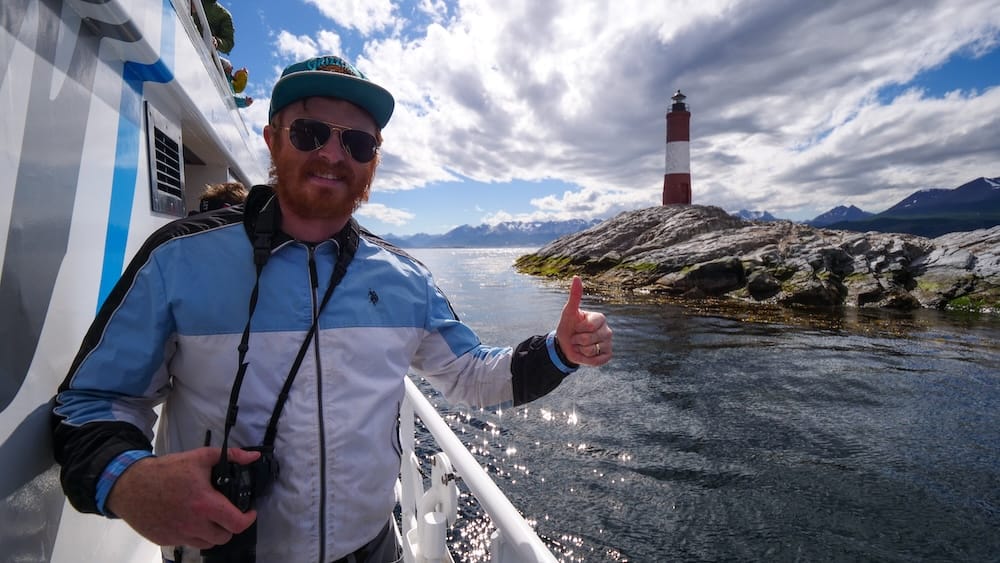
Some of Patagonia’s best experiences aren’t a guided-versus-independent choice at all, because independent access doesn’t exist. The Beagle Channel is the clearest example. Seeing the sea lion colonies, the lighthouse at the edge of the world, and the penguins on Isla Martillo means getting on a boat, and there’s no version of that where you rent a kayak and go find them yourself. We cruised out of Ushuaia’s harbor on a wildlife excursion, watched cormorants and sea lions slide past from the deck, and got our passports stamped onboard for the novelty of it. What we didn’t fully appreciate until later is that among the operators running that same route, only a handful are actually permitted to land passengers on the penguin colony itself — most boats just glide past and let you look. If walking among the penguins rather than viewing them from the water matters to you, it’s worth comparing current Ushuaia penguin-watching tours to see which ones include a landing before you book, because “Beagle Channel cruise” isn’t one standardized product.
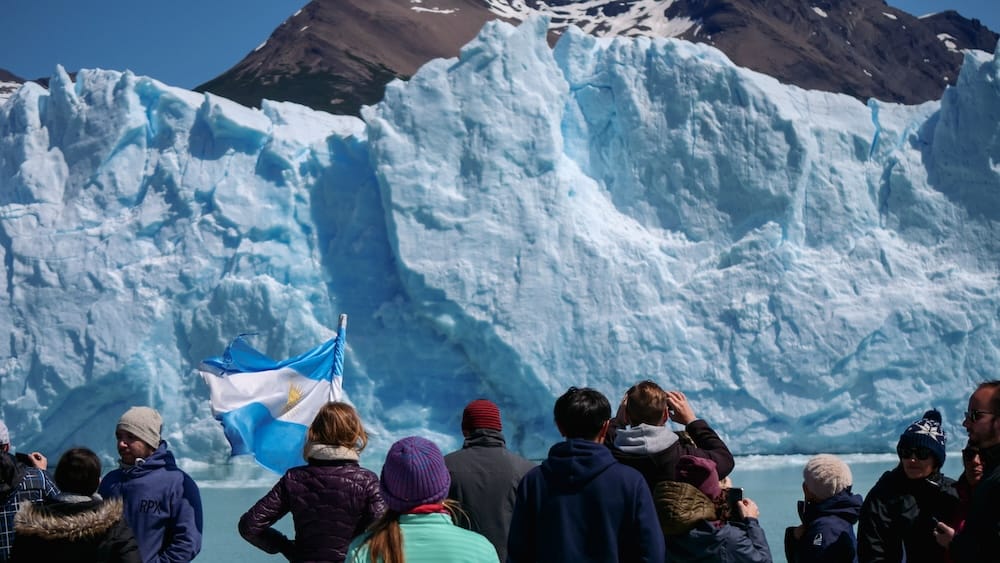
The glacier-boat circuit out of El Calafate works the same way. We spent a full day on a boat tour across Lago Argentino’s glaciers, weaving between floating icebergs and past a string of glaciers we hadn’t even known existed before that morning — Glaciar Seco, the melting cascades off Heim, the towering face of Spegazzini — before finally reaching Perito Moreno from the water. You can’t rent a boat and pilot yourself past a national park’s glacier system, and most of what we saw that day simply isn’t visible from land at all.
Here’s the twist: Perito Moreno itself isn’t a blanket “you need a guide” destination. The same glacier that requires a boat to see from certain angles is entirely walkable, independently, from a different one. A network of boardwalks — color-coded, well maintained, with bathrooms at both ends — brings you within a few hundred meters of the glacier’s face, and nobody needs to hold your hand to use them. We took a public bus straight from El Calafate, paid the park entrance fee, and spent the day wandering the platforms at our own pace, occasionally checking a sign to figure out which color trail led where. Want to walk on the ice itself instead? That’s a different product entirely — glacier trekking with crampons is guide-mandatory, heavily regulated, and worth checking current ice-trekking availability for, since it sells out weeks ahead in high season. Simply seeing Perito Moreno up close requires nothing but a bus ticket and a park fee. Same glacier, two completely different rulebooks, depending on what exactly you came for. El Calafate makes a natural, walkable base for both mornings, and since most properties there are used to guests heading out before dawn for an early boat or bus, it’s worth comparing places to stay in El Calafate close to the bus terminal if an early start matters to you.

When a guide is selling expertise, not access
Neither of us caught anything on our own the first afternoon we tried fly fishing, at a working sheep ranch buried deep in Chubut. It took hours of a guide named Juan patiently correcting our casting before either of us landed a fish — Audrey got hers first, on a fly Juan had switched out after he noticed the trout getting wise to the original one. Getting there in the first place was its own small lesson in why local knowledge matters: the map made the ranch look like it sat a few meters off the highway, and it doesn’t. We got dropped at a gas station on Route 40 and waited for someone from the ranch to come find us, because the actual entrance was another thirty-five kilometers down a dirt road the map had no opinion about. None of that — the fishing or the finding — was an access problem exactly. We could have waded into that river with a rented rod and figured out the road eventually. What we’d have gotten instead was a long, unproductive afternoon and a lot of wrong turns.
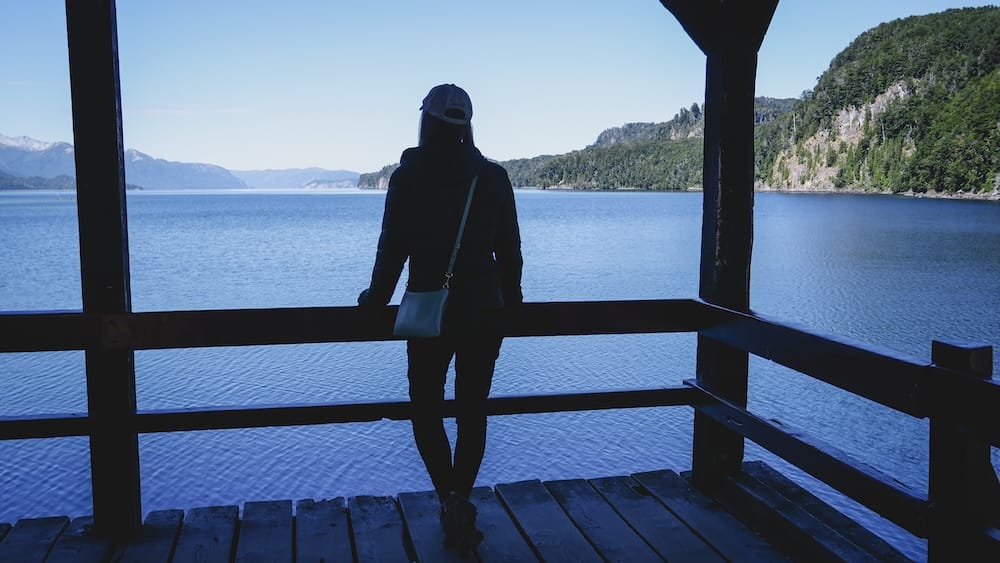
The Seven Lakes Route between San Martín de los Andes and Villa La Angostura sits in a gentler version of the same category, and it’s genuinely useful to think through because both options work equally well. It’s a fully paved, well-signed drive through two national parks, and plenty of people simply rent a car and do it themselves. We joined a guided day tour along the route from San Martín de los Andes instead, mostly because it was the path of least resistance that morning, and ended up glad we had — the guide’s running narration on the local flora, the lake names, even the deer-sized native pudú, added a layer we wouldn’t have picked up alone, and Audrey spent a fair chunk of the drive translating the Spanish commentary for me. The one real downside, which Audrey flagged on the way home, was the built-in lunch stop: fine food, overpriced for what it was, with no say in the matter. A self-driver picks their own restaurant. You’re not buying access on this route. You’re buying interpretation and someone else’s steering wheel, and giving up a little control over lunch.
Peninsula Valdés deserves the same correction, because it’s easy to assume the wildlife-viewing points are guide-only when they aren’t. Renting a car in nearby Puerto Madryn and driving yourself around the peninsula is a completely normal, well-established way to see it — a standard car handles most of the routes, and you’d only really want four-wheel drive for the remoter tracks or after heavy rain. We did it as part of a guided wildlife tour of the peninsula, and what the guide actually supplied was knowledge we wouldn’t have picked up alone: which viewing distances are enforced around protected species, why the lamb specifically in this part of Chubut tastes different because of what the sheep graze on near the coast. The one non-negotiable part is having a vehicle of some kind, since there’s no public transport once you’re on the peninsula. Whether that vehicle comes with a driver and a guide attached, or just a rental agreement and a map, is entirely up to you.
When independent is not just possible, it’s the better option
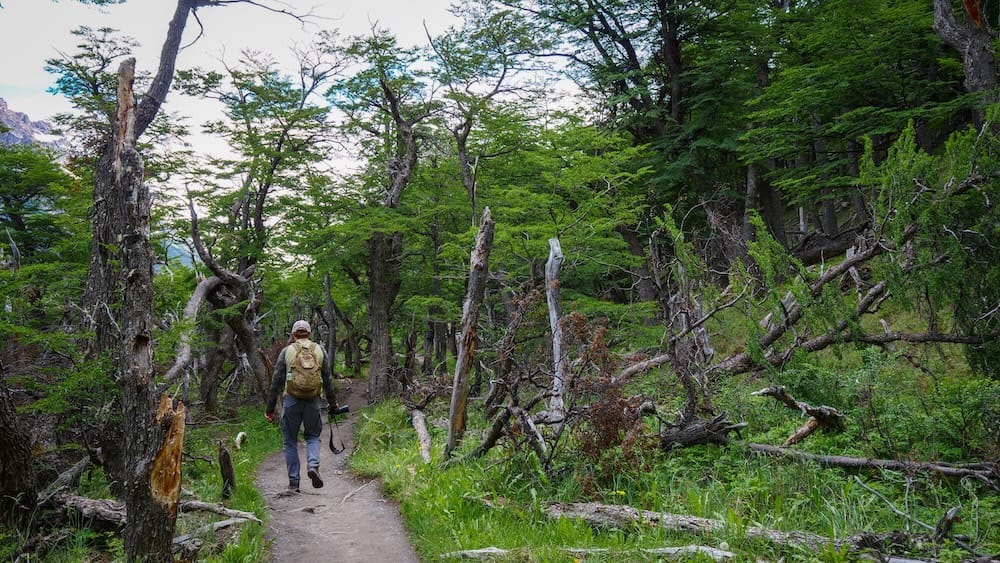
El Chaltén, which we’ve now visited twice, years apart, remains the strongest case in this whole article for skipping the guide altogether. It bills itself as Argentina’s trekking capital, and the flagship hikes — up to the Fitz Roy viewpoint at Laguna de los Tres, out to Laguna Torre beneath Cerro Torre, the shorter climb to the Condor lookout above town — are entirely walkable without anyone’s help. On our first visit, we walked in without so much as a map and still found our way, kilometer markers ticking off our progress the whole climb. On our second visit, years later, we did all four of the main trails again, still on our own, still without a guide anywhere near us.
One thing has genuinely changed since that first visit. For years, the northern section of Los Glaciares National Park, where El Chaltén sits, charged no entrance fee at all. That’s no longer true — a paid entry system now applies at the main trailheads, and the tickets have to be bought online or by scanning a QR code at the gate; cash isn’t an option here, unlike at the southern entrance near Perito Moreno. It’s the kind of detail that can throw off anyone reading older trip reports that describe El Chaltén as free, but it doesn’t touch the actual point of this section. You register yourself, you pay for yourself online, and you still walk the trail yourself. The park still hands out maps and trail information at the visitor center on arrival, same as always. Nobody has ever required a guide here, and nobody does now. Because most of these hikes start right from town, where you base yourself matters more than usual here — it’s worth comparing places to stay in El Chaltén within walking distance of the main trailheads, so an early start doesn’t mean a taxi first.
Tierra del Fuego National Park, just outside Ushuaia, belongs in the same bucket. The coastal trail along the Beagle Channel is an easy, well-marked walk suited to pretty much any reasonable fitness level, dotted with quiet little coves where people were clearly settling in for a picnic rather than rushing through. We spent two unhurried days there entirely on our own and never once felt like we were missing information a guide would have supplied.
When independent access goes wrong
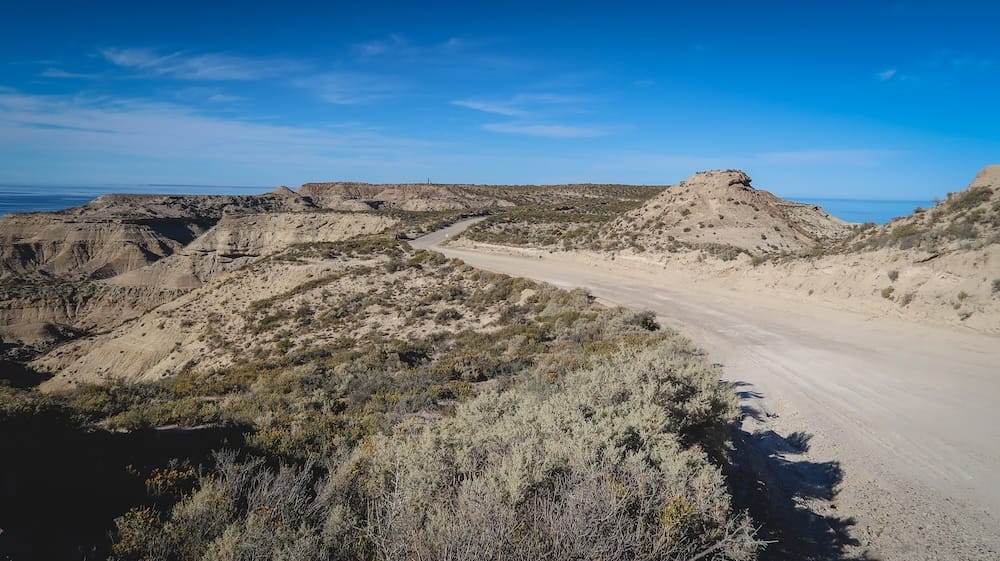
None of this means independent travel is automatically the smarter call, and our own worst day on the Valdés Peninsula is proof of it. We set out on foot from Puerto Pirámides to see sea lions and elephant seals at a spot the hotel staff described as “a bit of a walk” — estimates ranged from five to seven kilometers depending on who we asked, which should have told us something. It was somewhere near forty degrees out. We made it there fine. Getting back is where the day fell apart: we missed the turnoff for the trail that cut back into town, ended up walking the highway shoulder in the full heat of the afternoon, and were eventually rescued by a stranger from the Netherlands who pulled over and drove us the rest of the way. Later that same afternoon, a plan to rent kayaks fell through because every rental stand on the beach had already packed up by the time we got down there. Independent travel gave us a day exactly on our own terms; it also meant nobody was around to tell us our distance estimate was wrong before we’d already committed to it.
The hybrid option nobody talks about
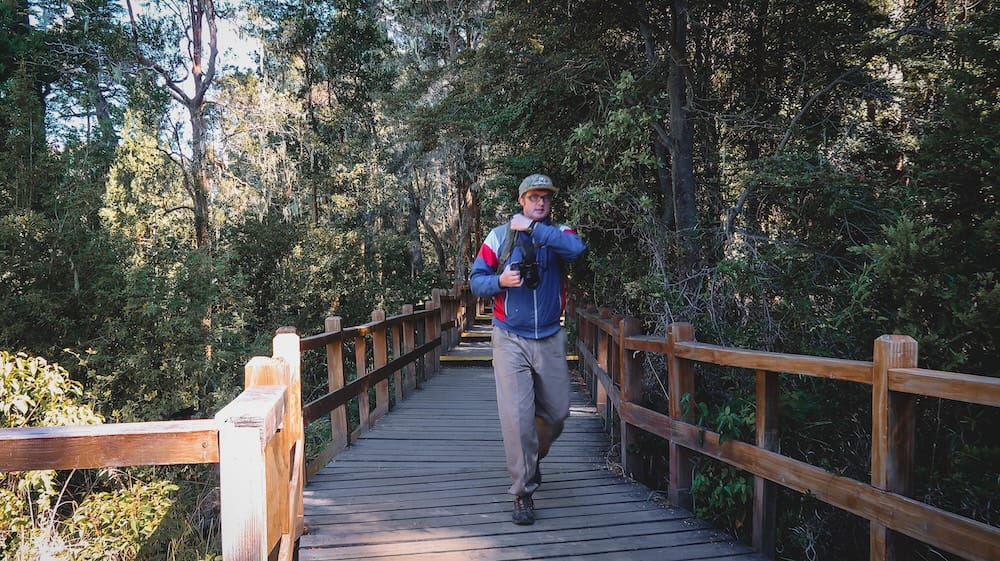
The most underrated answer to “guide or no guide” is often both, split cleanly down the middle on the same day. Outside Villa La Angostura, the ancient cinnamon-barked forest at Bosque Los Arrayanes is reachable by a large catamaran, a smaller private guided boat, on foot, or by mountain bike — and we did it as a genuine hybrid, taking a small guided boat tour of Bosque Los Arrayanes out one way and hiking the roughly twelve kilometers back on our own. The boat bought us a different vantage point on the lake and a guide filling in details as we went; the walk back, well marked as it was, still managed to turn us around briefly near a fork in the trail before we found our footing again.
Los Alerces National Park works the same trick for a different reason. Getting into the park from Esquel is entirely a do-it-yourself affair — we caught the local bus in, which in low season runs just once a day, early out and late back, tight enough that missing your return bus means an unplanned night at a campsite. But actually seeing the park’s namesake ancient alerce trees, some over two thousand years old, requires a boat trip across Lago Menéndez with a guide, because no trail gets you there any other way. We handled the transport ourselves and let someone else handle the one piece of the day that genuinely needed a boat.
How to actually run this test yourself
Every example in this article boils down to the same three checks, run roughly in this order.
First: is there a physical way in at all without a boat, vehicle, or permit only an operator controls? For the Beagle Channel or the glacier-boat circuit, the answer is no, full stop — book it, because there’s nothing to compare it against. For Perito Moreno’s boardwalks or El Chaltén’s trails, the answer is yes, and that alone settles most of the decision right there.
If access isn’t the problem, ask what you’d actually be missing without help. On the Estancia Tecka fly-fishing afternoon, it was casting technique and a fly that actually fooled the fish. On the Seven Lakes Route, it was the flora commentary and the lake history, not the driving itself. If the honest answer is “not much,” skip the guide. If the honest answer is “an entire afternoon of frustration,” that’s worth paying for.
And if neither of those settles it, the deciding factor is usually just logistics — a rental car, a bus schedule, a gravel road with no signage. Peninsula Valdés and Los Alerces both come down to this: independent access exists, it’s just a bit of planning, and whether that planning appeals to you is a personal call rather than a right answer.
Where a day genuinely splits down the middle — one part locked behind a boat, one part open to anyone with legs — there’s nothing wrong with doing exactly that, the way we did at Bosque Los Arrayanes and Los Alerces both.
Booking pressure changes the calculus too
Worth planning around, regardless of which side of the decision you land on: some of these experiences sell out. Glacier ice-trekking on Perito Moreno routinely books up weeks ahead once high season hits, and the higher-end boat tours to the glacier field go the same way. If your trip has a fixed window, deciding early whether you want the guided version of something can matter more than the guided-versus-independent debate itself, because a sold-out tour makes the decision for you. Rental cars, particularly automatics, deserve the same advance attention if driving yourself is part of the plan — it’s worth checking rental car availability in El Calafate as early as you can if a self-drive day is on your itinerary. None of this changes which category a given activity falls into. It just means the calendar sometimes gets a vote before you do.
What we’d actually still book, and what we wouldn’t
Given the choice again, we’d book the Beagle Channel cruise and the glacier boat without a second thought, because nothing about either gets easier or cheaper by trying to arrange it yourself — there’s simply no yourself to arrange it with. We’d skip a guide entirely for El Chaltén’s trails and the Perito Moreno boardwalks, paid entry system or not, because a well-marked trail and a park map are all either place has ever actually required. And knowing what we know now about that gravel road to Estancia Tecka, we’d still go — just with better directions than the map gave us, and a little more patience for the last thirty-five kilometers.
Frequently Asked Questions
Do I need a guide to hike in El Chaltén?
Not for the flagship trails — they’re well marked, and the park hands out maps at the visitor center, so independent hiking works well there.
Is Perito Moreno Glacier only visitable with a guide?
The boardwalk system near El Calafate is fully self-guided; a guide only becomes necessary if you want to walk on the ice itself.
Can I drive myself around Peninsula Valdés instead of taking a tour?
A standard rental car handles most routes on the peninsula just fine, though some vehicle is required either way since there’s no public transportation once you’re there.
What did the Los Glaciares National Park entrance fee change mean for El Chaltén?
Since 2024, the park’s northern section has charged an online-only entry fee at the trailheads, a change from when entry was free; a guide still isn’t required.
Is the Beagle Channel doable without a boat tour?
There’s no independent alternative here — seeing the wildlife, lighthouse, and penguin colony all require getting on a boat.
Why book a guide for the Seven Lakes Route if you can drive it yourself?
The value is in the flora narration, lake history, and translated commentary rather than the driving itself, so it comes down to whether that interpretation matters to you.
What’s the risk of doing Patagonia independently without local knowledge?
Distances and conditions can be misjudged, as happened on a hike near Puerto Pirámides that ended up longer and hotter than expected, with a missed turnoff on the way back into town.
Should some Patagonia experiences combine a guide and independent travel in the same day?
Combining both often works best — activities like reaching Bosque Los Arrayanes or the ancient alerce trees at Los Alerces suit a guided boat for the access-locked part and independent walking or a bus for the rest.
Project 23 Argentina: This guide is also available in Spanish. [Leé la versión en castellano: Excursiones guiadas o viaje independiente en la Patagonia: ¿cuándo vale la pena un guía?]
This article contains affiliate links. If you book through one of these links, I may earn a commission at no extra cost to you.