
Banff can turn even a fairly relaxed traveller into somebody with six browser tabs open and a suspicious amount of emotional investment in shuttle-release dates. You start out wanting to see some mountains, then suddenly you’re comparing accommodation bases, trying to work out how Moraine Lake access actually works, wondering whether the Banff Gondola needs to be booked now or later, and deciding whether a full-day tour deserves one of the precious few days you have in the Rockies.
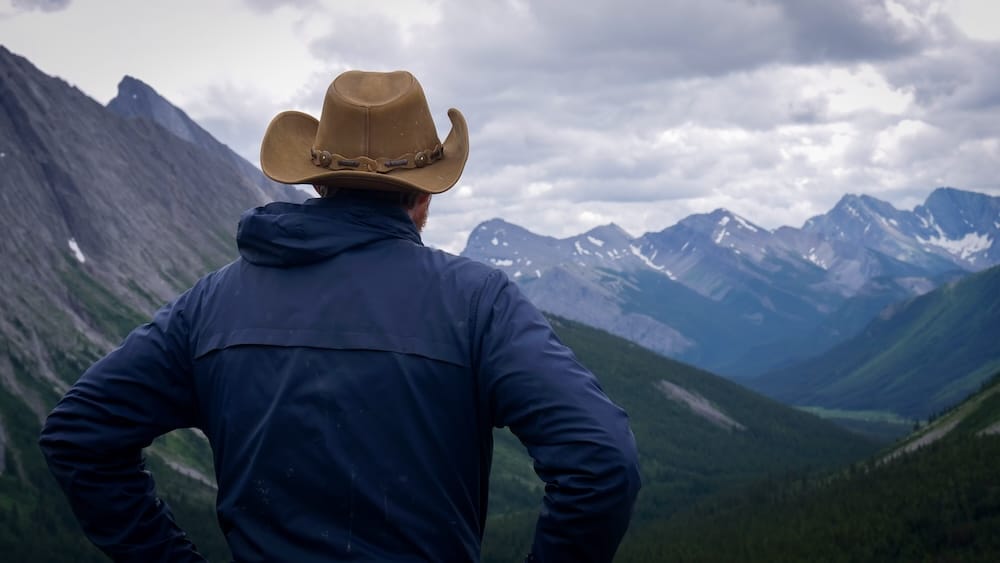
After several very different trips to Banff, I’ve learned that the answer is not to reserve everything as early as humanly possible. Audrey and I have done the Rockies as a family road trip where we drove ourselves and figured out plenty along the way. We’ve also booked major experiences, including the Banff Gondola and Columbia Icefield, and on our most recent trip we travelled with Aurelia and her grandfather on a private sightseeing day that ran from roughly 9 a.m. until 7 p.m.
We’ve also had mornings where we wandered beside the Bow River with almost no plan. Audrey summed that up perfectly at the time: sometimes that’s the most fun.
Those experiences have pushed me toward a booking strategy based less on popularity and more on consequences. For most summer trips, I would sort out accommodation and your Lake Louise/Moraine Lake access strategy together, secure the reservations with hard release rules or limited substitutes, lock down any major activity that takes over an entire day, and only then worry about flexible timed attractions such as the Banff Gondola.
The key question is simple: if I fail to get this reservation, how much of my trip has to change?
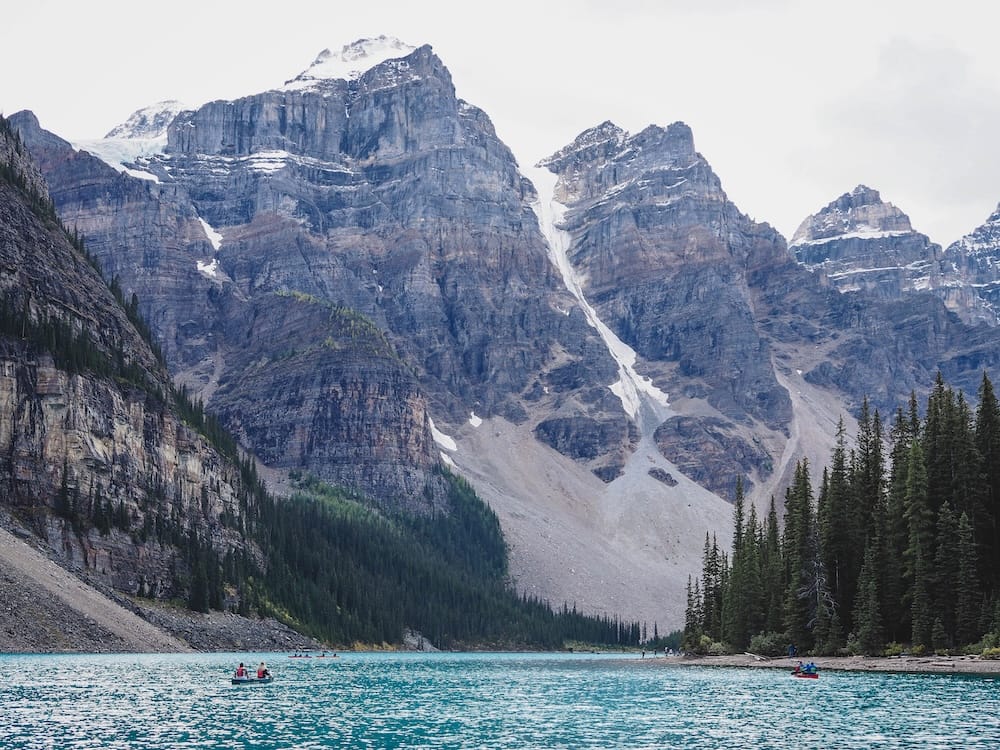
Start with the booking that can actually disrupt your trip
Not every reservation deserves the same level of panic. If missing your preferred time means taking the Banff Gondola at 3:30 instead of 2:30, I wouldn’t lose sleep over it. If missing a reservation means changing where you stay, figuring out a completely different way to reach Moraine Lake or rebuilding one of your only full sightseeing days, that moves much higher up my list.
I think about Banff bookings through four practical filters:
- Dependency: does another part of the trip rely on it?
- Substitutability: if this option disappears, is there a reasonable alternative?
- Booking structure: is there a genuine capacity limit, release date or access restriction?
- Itinerary footprint: does the experience take two hours or swallow an entire day?
That last point became much clearer on our recent family trip. Our private Banff–Yoho sightseeing day was roughly ten hours, and once that was booked there wasn’t much ambiguity about what Tuesday looked like. Audrey loved the private format because we were travelling with Aurelia and her dad, so we could stop when somebody was hungry, change Aurelia when needed and take breaks without feeling like we were holding up a group.
That reservation controlled the shape of an entire day. Banff is full of other things you can reserve that simply don’t carry that much weight, and treating all of them as equally urgent is how trip planning starts to feel like unpaid administrative work.
Plan accommodation and lake access together
Accommodation is usually one of the first things I would tackle once my Banff dates are firm, particularly if I have specific requirements. The fewer acceptable substitutes you have, the more important it becomes to secure what you actually need rather than assuming something equivalent will be waiting later.
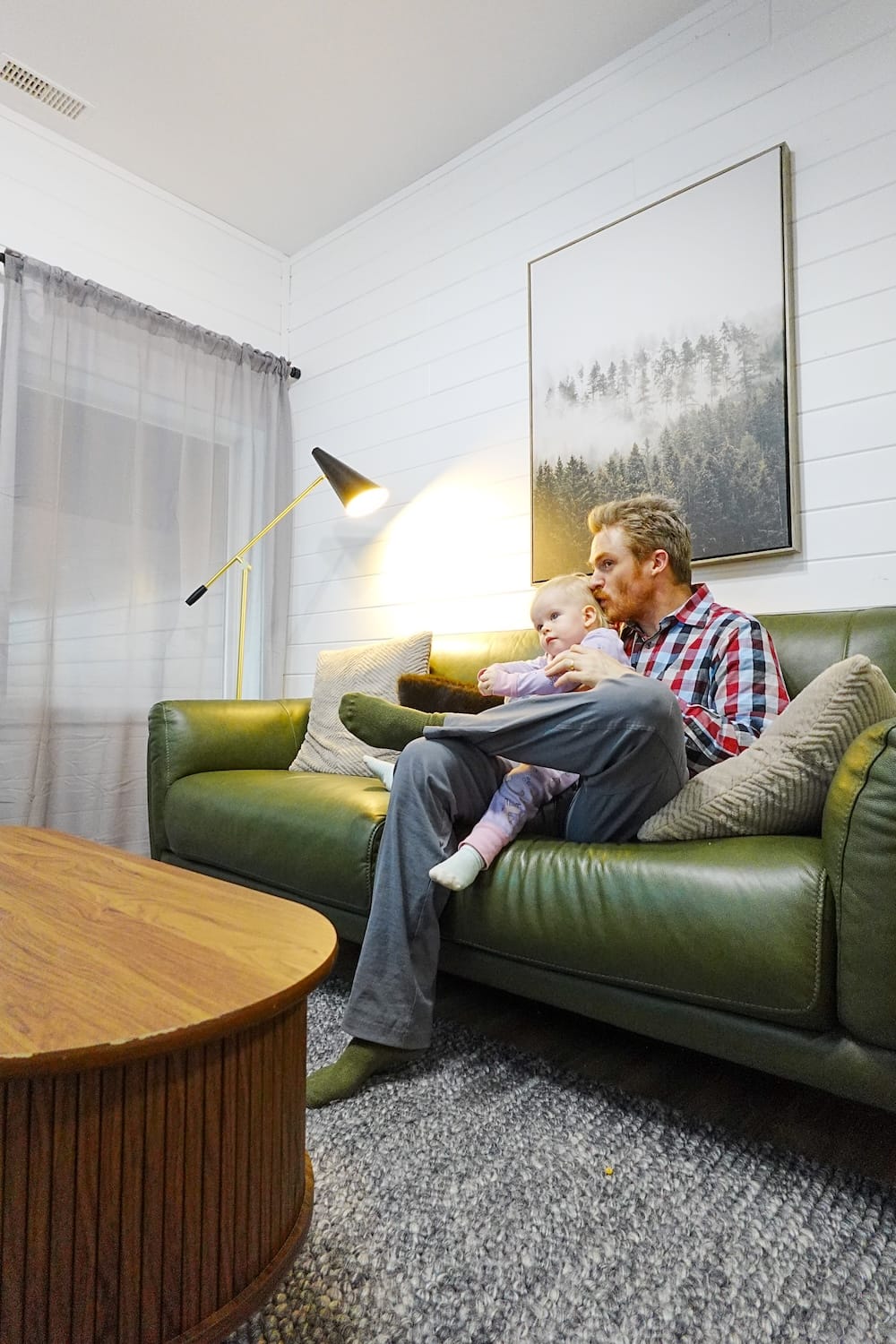
On our recent multigenerational trip, we stayed in a two-bedroom suite at The Gem Stays in Harvie Heights. Audrey called it the perfect setup for us afterward, and I could see why. We had space for the family, somewhere comfortable to recover after long sightseeing days and a base that worked with the way we were travelling.
I wouldn’t use our experience to argue that everybody should stay in Harvie Heights. What mattered was the function of the accommodation. A couple travelling light, a family needing two bedrooms, somebody determined to walk everywhere from downtown Banff and a traveller planning public transport to the lakes do not have the same accommodation problem. If lodging is one of the least flexible pieces of your trip, you can compare current accommodation around Banff National Park while you are still working out the rest of the reservation sequence.
That becomes especially important because your sleeping location can affect how practical different Lake Louise and Moraine Lake access systems are. Parks Canada’s regular lake shuttles start at the Lake Louise Park & Ride at the Lake Louise Ski Resort rather than downtown Banff. Roam’s Reservable Super Pass, on the other hand, is designed around starting the relevant journey in Banff if you want the Moraine Lake connection.
So I would not book accommodation with zero thought about how I planned to reach the lakes, then wait months before looking at transportation. Those two decisions belong together.
What I would not do is adopt some beautifully precise internet rule claiming that every Banff traveller needs to reserve accommodation exactly six or nine months ahead. Availability depends on the dates, property, room configuration and how flexible you are. Someone looking for any acceptable room has far more room to manoeuvre than a family needing a specific two-bedroom setup during a fixed week.
My own rule is less dramatic: once the dates and non-negotiable accommodation requirements are firm, I wouldn’t procrastinate. At the same time, I’d already know which lake-access system I intended to use.
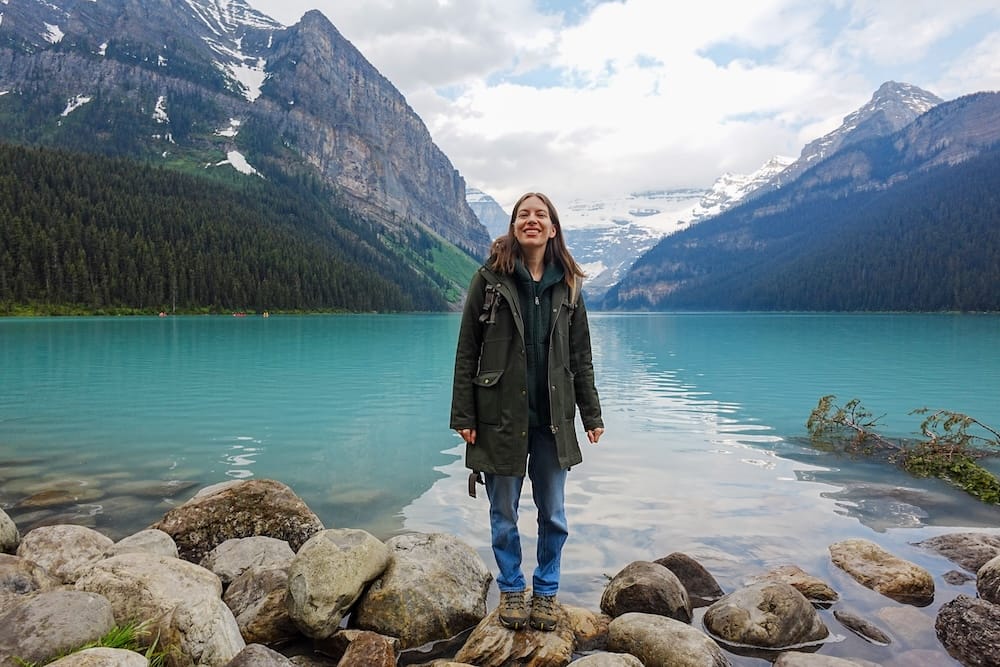
Lake Louise and Moraine Lake have completely different booking clocks
This is probably the most important part of the entire strategy, because “book the lake shuttle” sounds much simpler than Banff actually is.
Audrey and I visited Lake Louise and Moraine Lake years ago on a family road trip when we could drive ourselves to both. That independence was wonderful, but those memories are now a perfect example of why experience can become stale planning advice. You cannot plan a current Moraine Lake visit by copying what we did back then.
Moraine Lake Road is closed to ordinary personal vehicles. You can still reach Moraine Lake through public transportation or licensed commercial services, but the practical question becomes which system are you using?
Parks Canada gives you an early release and a second chance
For the 2026 season, Parks Canada released 40% of its regular Lake Louise and Moraine Lake shuttle inventory at 8 a.m. Mountain Time on April 15. If you remember only one number from this article, though, I would make it the other 60%.
That remaining inventory is held back and released at 8 a.m. Mountain Time two days before departure. In other words, missing the big April release does not mean you have blown your chance to use the Parks Canada shuttle system. Most of the regular seats were deliberately kept for that rolling 48-hour window.
I still wouldn’t treat that as a casual last-minute guarantee. Those seats can disappear quickly, and I would rather know my plan than spend part of a vacation hammering refresh like I’m trying to buy concert tickets. But the distinction matters because “sold out” after the first release is very different from “no more inventory will ever appear.” You can check the current Parks Canada Lake Louise and Moraine Lake shuttle information when planning your dates.
One Parks Canada reservation can also make a two-lake day simpler than many first-time visitors assume. You select your initial lake, then the Lake Connector allows you to travel between Lake Louise and Moraine Lake rather than making separate timed reservations for both.
For 2026, the regular Lake Louise shuttle operates from May 15 through October 12. Moraine Lake service runs from June 1 through October 12, weather permitting, and the Lake Connector currently operates every 30 minutes from 7 a.m. until 6 p.m.
That 6 p.m. end time is the kind of dull-looking detail that can become very exciting when you realize you’ve spent too long taking photos and still need to get back. Mountains are relaxed about schedules. Buses are less philosophical.
Roam is a different reservation strategy
For somebody staying in Banff without a car, Roam’s Reservable Super Pass can be extremely useful because it combines reserved travel from Banff to Lake Louise with access to the Parks Canada Lake Connector for Moraine Lake.
But its booking calendar is not the Parks Canada calendar. For summer 2026, Roam released reservations according to the month of travel: June reservations opened in April, July in May, August in June, and September through October 12 in July.
More importantly, Roam says it does not schedule another batch of Super Pass tickets after a desired date sells out. That changes how I would prioritize it. If I were staying in Banff without a car and knew the Super Pass was my preferred way to reach Moraine Lake, I would put the relevant release date in my calendar and take it seriously. There is no planned equivalent of Parks Canada’s huge 48-hour second release, so it is worth checking the current Roam Super Pass reservation details as soon as your dates are firm.
Another easy mistake is assuming any Route 8X booking solves the Moraine Lake problem. A regular reserved or walk-up 8X trip gets you to Lake Louise, but it does not automatically include Moraine Lake access, nor can it simply be transformed into a Super Pass afterward.
So before you worry about whether you have booked “the shuttle,” work out which shuttle you actually mean.
If neither public system fits the way you are travelling—or you would rather have somebody else handle the lake transportation—a licensed commercial service is another legitimate route rather than some admission that you planned the trip badly. There are current shared and private options covering Lake Louise and Moraine Lake from the Banff/Canmore area, so you can compare current Lake Louise and Moraine Lake tour availability against the public systems before deciding which trade-off suits you.
Full-day activities deserve more attention than smaller timed attractions
Once accommodation and the lake-access problem are under control, I would move on to the activities that can take over a major chunk of the trip.
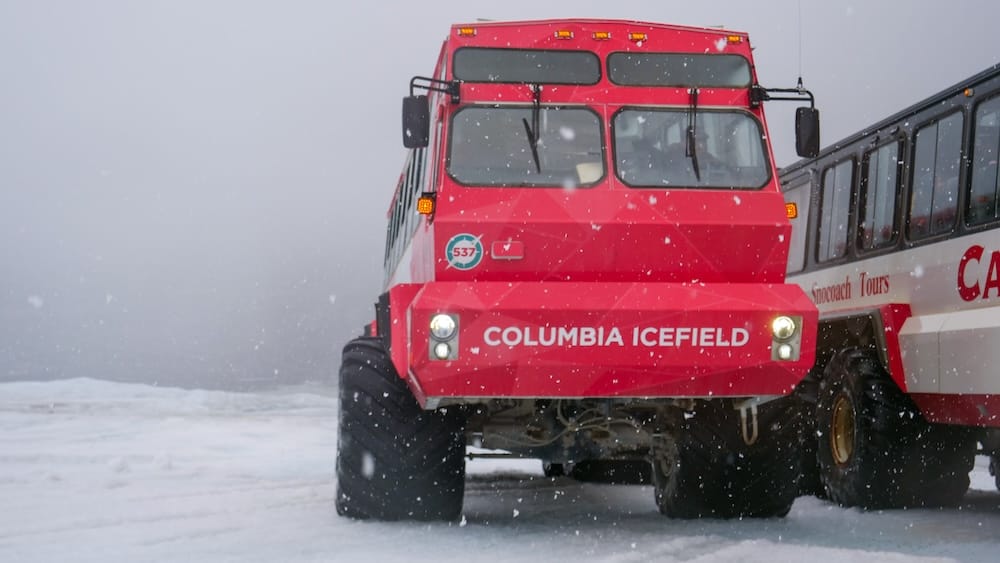
Our Columbia Icefield excursion is a good example. Our historical outing there was sponsored by Viator, so I don’t use that trip as proof that everybody should automatically pay for the experience. What it did show me very clearly was how completely a glacier day can take over your itinerary.
A current Banff-origin Columbia Icefield sightseeing day is roughly a ten-and-a-half to eleven-hour commitment depending on the product. That is not something I’d casually wedge between breakfast and a dinner reservation as though I were stopping at a museum. If this is one of your non-negotiable days, you can check current Banff-to-Columbia Icefield tour availability once your major itinerary dates are taking shape.
A day of that size affects everything around it. If you move it, you may need to move another major activity, and if you lose the date you wanted with only two or three full days in Banff, the consequences get bigger.
Private sightseeing can have the same effect. Our recent family tour ran for about ten hours, and the private format worked because we had specific needs: a toddler, a grandparent, breaks, snacks and an ambitious sightseeing day. If I were trying to recreate that type of trip and needed a particular pickup point, date, private vehicle or itinerary, I would book it earlier because my acceptable substitutes would be narrower.
That doesn’t mean every Banff tour needs to be reserved months ahead. There are different lengths, routes and group formats, and the word “tour” by itself tells you very little about urgency. If the private format itself is important to your group, you can compare current private tour options in Banff before committing one of your major days.
The more specific the product you need, and the more of your itinerary it controls, the earlier I would secure it.
I would usually book the Banff Gondola after the major pieces
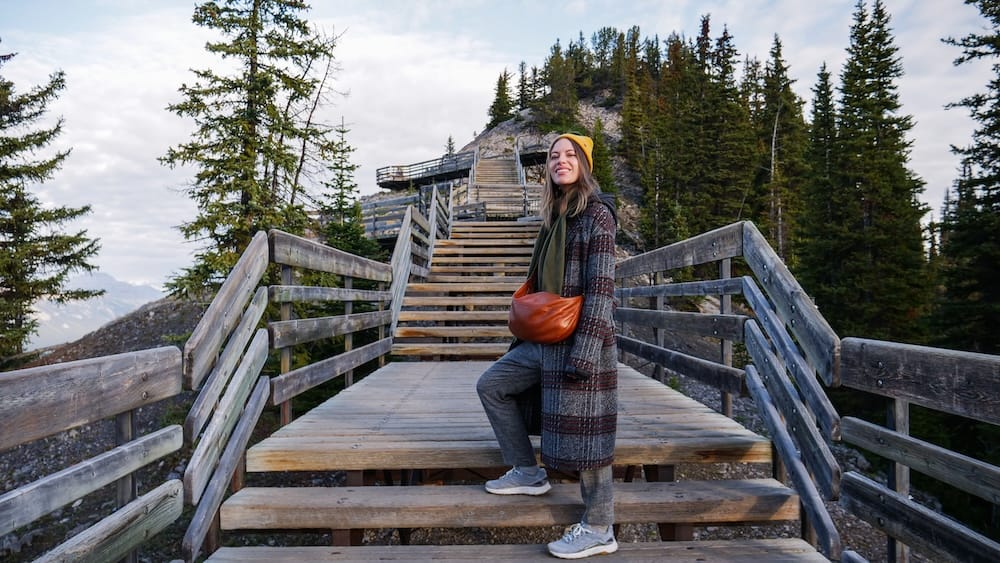
The Banff Gondola sits lower on my personal booking hierarchy, even though I would still make an advance reservation if I cared about a particular time.
Audrey and I have ridden it, and I understand why timing matters. The whole point is getting those mountain views, and if you have built an afternoon around the experience you probably don’t want to discover that the only remaining slot is completely inconvenient.
At the same time, advance reservations are currently recommended rather than mandatory. Walk-in availability can exist, although your preferred time is not guaranteed, and the Gondola has many operating hours across a typical summer day. That gives it more flexibility than a lake-access system with a defined release calendar or a full-day tour that occupies ten hours.
There is also a weather trade-off. Mountain conditions can change dramatically, so booking well ahead gives you time-slot certainty but less ability to choose around visibility. Waiting gives you more weather information but less certainty that the slot you want will remain.
There isn’t one perfect answer to that. If a particular Gondola time matters, reserve it earlier; if your itinerary is flexible and you care more about reacting to weather, you may accept more booking risk. Once the harder pieces of your Banff plan are settled, you can check current Banff Gondola ticket times and fit the ride around those larger commitments.
Leave enough room for Banff to surprise you
A good Banff booking strategy should eventually reach a point where you stop booking things.
Some of our easiest days there have reinforced that for me. On one trip, Audrey and I spent a morning wandering alongside the Bow River without much of a plan. We were simply walking, taking in the scenery and seeing where the morning went, and Audrey commented that this is sometimes the most fun way to travel. I agree, particularly in a place where weather, fatigue and crowds can completely change what feels appealing at 2 p.m.
Bow Falls is a good example of something I’d happily leave floating in the itinerary. The walk from Bow River Bridge is about 1.2 kilometres and normally takes roughly 20–25 minutes. Sections of the Bow River Trail close to downtown are similarly easy to fit around larger commitments.
No reservation is required for those walks, although current trail conditions and temporary closures still matter. “Flexible” should never be confused with “guaranteed under every condition.”
What flexibility gives you is somewhere for the trip to breathe. If the morning tour runs late, move the walk. If everybody is exhausted, do it tomorrow. If a miserable day suddenly turns sunny, grab the opportunity instead of informing the mountains that unfortunately they are scheduled for Thursday.
The blank spaces are useful.
When I would change the order
There are a few situations where I would move something to the front of the queue. If I were staying in Banff without a car and relying on the Roam Super Pass for Moraine Lake, I would treat the relevant monthly release as one of my hard planning events because there is no scheduled second release after sellout.
If I were using the Parks Canada shuttle system, I would still take the first release seriously, but I’d know that 60% of regular inventory is intentionally held for the 48-hour window. That gives me a fallback the Super Pass does not offer in the same way.
A very short trip also increases the stakes. If you have a week, weather or a sold-out attraction can sometimes be shuffled around. If you have two full days, losing one major reservation may force a much uglier compromise.
For a multigenerational family, the accommodation configuration or private-tour format may move upward because the number of workable alternatives is smaller. That was certainly true when we travelled with Aurelia and her grandfather.
And if your entire trip revolves around one specialist experience, I would book that first. The governing rule is not “hotels always win.” It is least replaceable constraint first.
My Banff reservation order
For a typical summer trip, this is the sequence I would use:
| Priority | What I’d deal with | Why |
|---|---|---|
| Plan together first | Accommodation base + Lake Louise/Moraine Lake strategy | Where you stay can affect which access system makes the most sense |
| Treat as a hard calendar event | The Parks Canada or Roam reservation release relevant to your trip | These involve real access rules and limited inventory |
| Reserve next | Non-negotiable full-day, private or specialist activities | They can consume an entire day and may be difficult to replace |
| Reserve once the itinerary takes shape | Banff Gondola and similar timed attractions | Preferred slots matter, but there is usually more flexibility |
| Leave flexible | Banff town, Bow River, Bow Falls and uncomplicated sightseeing | These give you room to respond to weather, fatigue and changing plans |
What I would avoid is building an elaborate countdown where every traveller is supposedly required to book accommodation nine months ahead, shuttles six months ahead, activities four months ahead and dinner at some mathematically perfect interval after that.
Banff’s real systems are much messier—and more useful—than those generic rules. Parks Canada releases most of its regular lake-shuttle inventory only 48 hours before travel. Roam’s Super Pass follows monthly releases and does not have another scheduled batch after sellout. A Columbia Icefield excursion from Banff can occupy roughly ten and a half to eleven hours, while the Banff Gondola has many possible slots across a day and does not technically require advance booking. Bow Falls needs no reservation at all.
If I were planning another Banff trip tomorrow, I would first make sure I had a suitable accommodation base and understood exactly how I intended to handle Lake Louise and Moraine Lake. I would secure whichever of those choices had the harder constraint, block out any major full-day experience I genuinely cared about, and then fit smaller timed attractions around those anchors.
After that, I’d stop booking.
Because I don’t want to arrive in the Canadian Rockies carrying an itinerary that looks like somebody scheduled a corporate retreat. I want the important things protected and enough freedom left that a change in weather, an unexpectedly long lunch or a toddler who has decided she has absolutely no interest in my carefully constructed timetable does not bring the whole trip crashing down.
For me, that is the point where the Banff reservations are finished: everything still unbooked can move without wrecking the trip.
Frequently Asked Questions
What should I reserve first for a Banff trip?
For most summer trips, I would plan accommodation and your Lake Louise–Moraine Lake access strategy together, then secure whichever has the harder constraint. After that, I would reserve any non-negotiable full-day or specialist activities before smaller timed attractions such as the Banff Gondola.
Do Parks Canada shuttle reservations sell out for the whole season in April?
No. For 2026, Parks Canada released 40% of its regular Lake Louise and Moraine Lake shuttle inventory on April 15 and holds the remaining 60% for release at 8 a.m. Mountain Time two days before travel. Those later seats can still disappear quickly, so they are a second opportunity rather than a guarantee.
Does a regular Roam Route 8X ticket include Moraine Lake?
No. A regular reserved or walk-up Route 8X trip gets you to Lake Louise, but it does not automatically provide Moraine Lake access. The Reservable Super Pass is the Roam product discussed here for connecting a Banff-based journey with the Lake Connector to Moraine Lake.
How early should I book the Banff Gondola?
I would usually settle the harder trip constraints first. Advance Gondola reservations are currently recommended rather than mandatory, so I would book earlier when a particular time matters and accept more flexibility when reacting to mountain weather matters more.
Why should full-day tours be booked before smaller attractions?
A major excursion can control almost an entire sightseeing day. Our recent private family tour lasted roughly ten hours, and a Banff-origin Columbia Icefield outing can also consume most of the day, so losing the desired date can force much bigger itinerary changes than moving a shorter attraction.
What can I leave unbooked in Banff?
I like keeping uncomplicated sightseeing such as Banff town, the Bow River and Bow Falls flexible. Those kinds of stops give the itinerary room to absorb weather, fatigue, a late-running tour or simply a change of mood without sacrificing one of the harder reservations.
This article is also available in Spanish. [Leé la versión en castellano: Estrategia de reservas en Banff: qué reservar primero]
This article contains affiliate links. If you book through one of these links, I may earn a commission at no extra cost to you.