
Look, if you’re heading to Lviv expecting a polished, predictable European capital, you’re in for a wake-up call. Here is the biggest tip I can give you right off the bat: Lviv’s cobblestones are relentless. Forget the nice shoes; you need thick-soled boots because the irregular limestone streets will tenderize your feet within hours. You’re probably searching for a Lviv travel guide to make sense of the caffeine-fueled chaos. Maybe you’ve heard about the intense coffee culture or you’re looking for new things to do in Ukraine that don’t involve massive tourist herds. In our experience, Lviv hits you with a heavy dose of Central European grit, cheap trams, and a serious devotion to deep-roasted beans. You can still smell the damp coal smoke in the air on a cool morning. And let’s get the modern reality out of the way immediately: download the “Air Alert” (Повітряна тривога) app before you cross the border. It’s a mandatory piece of ground-truth infrastructure right now, and locals will expect you to know the drill when the sirens go off.
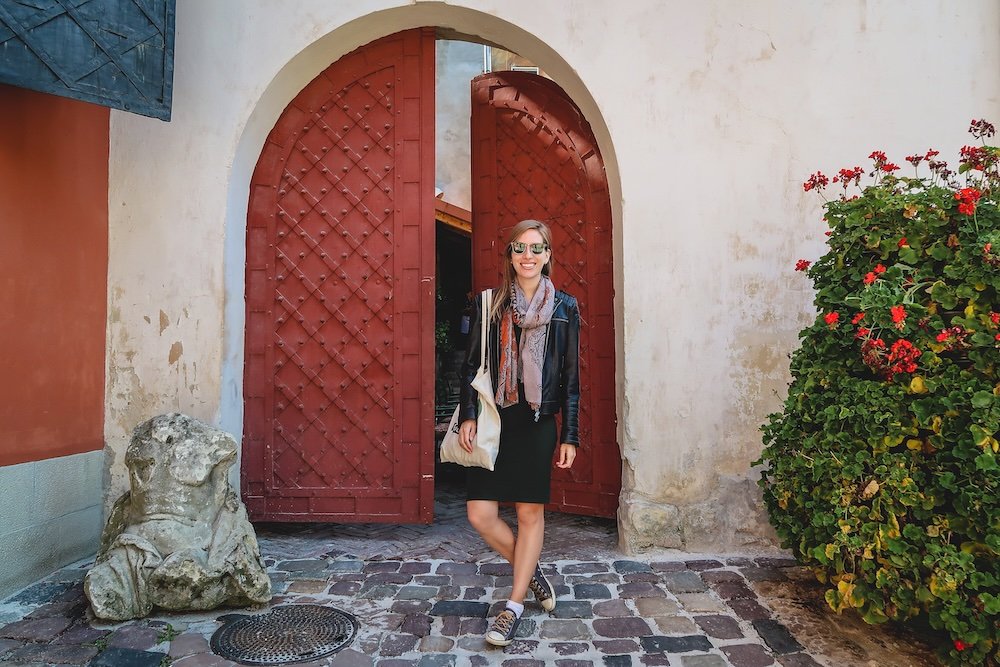
Why Lviv?
Trying to map out an itinerary here can feel like a fool’s errand. Which of the fifty massive churches is actually worth the leg burn? How do you dodge the overpriced spots serving watery borscht? Where’s the place for a 2 AM snack when the jet lag hits hard? These logistical questions pile up fast. I remember running my bare hands along the freezing, soot-stained walls of a narrow alleyway just trying to locate a decent exchange bureau. This guide skips the fluff and gives you the hard intelligence. For instance, avoid those blue Euronet ATMs scattered around the main squares like the plague; they will absolutely fleece you with terrible conversion rates and hidden fees. Always pull your Hryvnia (UAH) from a local bank machine like PrivatBank or Oschadbank.
Whether you’re hauling a 60-liter pack from the chaotic main train station, a history buff looking for bullet-scarred masonry, or just hunting for routes for slow travelers, Lviv delivers. It’s gritty but highly functional. The air in the underground bars smells like spilled stout and old wood. Honestly, we found it caters just as well to the late-night crowd as it does to anyone needing a quiet afternoon in a drafty museum.

Cultural Experiences in Lviv
If you’re short on time and can only handle one dose of heavy religious architecture, skip the massive cathedrals and head straight to the Boim Chapel. Entry is typically a nominal fee (around 50 UAH), and it’s tiny, but it punches way above its weight class. You have to crane your neck in the tight square just to take it in, and the sheer density of the black, weathered stone carvings is almost overwhelming.

The exterior is loaded with late Renaissance faces staring down at you, blackened by centuries of city exhaust. Step inside, and the sudden drop in temperature hits you immediately. The air is stale, heavy with the scent of old dust and cold marble. The intricate altar and domed ceiling will make you realize just how much wealth was poured into this tiny footprint.
For a deeper dive into the national identity, the Lviv National Museum is the heavy hitter. The creaky wooden floorboards groan under your boots as you wander through halls that smell faintly of lemon wax and aging canvas. Keep an eye on the schedule, though; like many state-run institutions here, they tend to close arbitrarily on Mondays or Tuesdays, and their website hours aren’t always strictly followed by the staff on the ground.
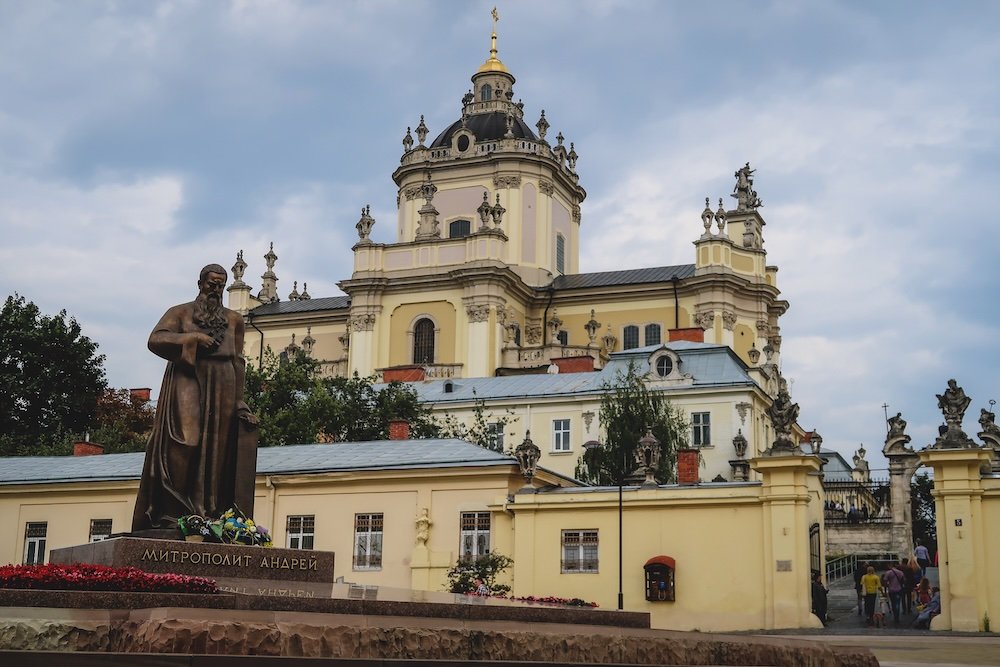
More Cultural Experiences
Housed in a grand Neo-Baroque mansion, it holds over 140,000 pieces. We’re talking 4,000 medieval icons and rare textiles that look like they belong in a climate-controlled vault. The lighting is intentionally dim to protect the fabrics, forcing you to squint at the gold and silver threads. It’s a massive collection, so don’t try to do it all in one afternoon unless you want severe museum fatigue.
You’ll find 12th-century religious art right alongside harsh modernist pieces. If you’ve got an appetite for more canvas, cross the street to the Lviv National Art Gallery.
With 60,000 pieces, including Reubens and regional heavyweights, the gallery requires a solid two hours. The echoing hallways amplify every footstep, and you can clearly see the thick brushstrokes on the massive Polish and Ukrainian portraits.

Other Attractions in Lviv
When your legs finally give out, Market Square (Rynok) is the default pit stop. Laid out back in the 14th century, it’s surrounded by 44 distinct houses. Grab a coffee, sit on a cold stone bench, and feel the low rumble of the electric trams vibrating right up through the soles of your shoes.
The architectural mashup is wild—Renaissance, Baroque, and modern facades jammed together. Each corner of the square features a fountain topped with Greek mythology figures, usually surrounded by locals smoking and pigeons fighting aggressively for scraps.

In each of the square’s four corners, you can hear the splashing water cutting through the noise of the street musicians. Lviv has a bizarre number of old pharmacies, and The Pharmacy Museum leans hard into this. Entry is usually around 40 to 50 UAH, making it one of the cheapest diversions in the center. You can still smell the sharp, medicinal tang of dried herbs and sulfur as you walk through the heavy wooden doors.
It operates as a functioning pharmacy, but the back rooms are a trip. You’re looking at antique scales, creepy glass vials, and ancient cash registers that require real muscle to operate.
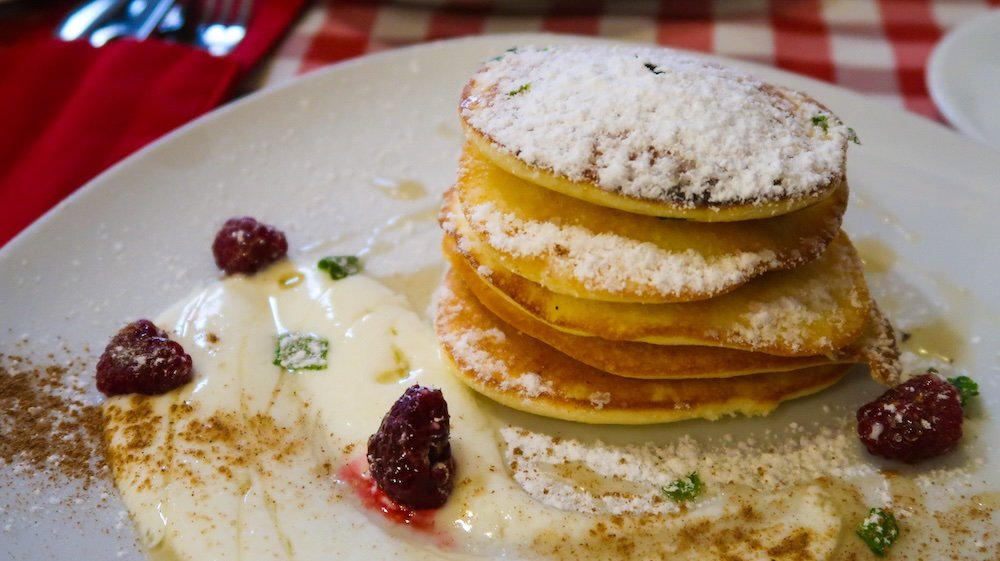
More Attractions
Head up to the third floor, and you’ll find the old laboratories where chemists used to grind powders by hand. The mortar and pestle setups look heavy enough to break an arm.
Need to escape the exhaust fumes and tram noise? Stryisky Park is your sanctuary. It’s a massive expanse of green that offers a real break from the pavement pounding. The crunch of dry leaves underfoot in autumn here is incredibly satisfying. Just be aware that parking on the perimeter is a free-for-all; if you rented a car, leave it at your hotel and take the tram here. The local wardens are quick with parking fines.
The pathways are flanked by towering trees, and a humid, earthy glass greenhouse offers a warm, heavily scented retreat if you’re visiting in the bitter winter.
There are a couple of solid restaurants hidden in the park, perfect for a heavy pork-and-potato lunch while you watch the ducks aggressively defend their pond territory.
Top 20 Things To Do in Lviv, Ukraine For Visitors
Forget the typical lists that just read the brochures back to you. Here are 20 actual things to do in Lviv, grounded in the reality of walking these streets until your calves burn.
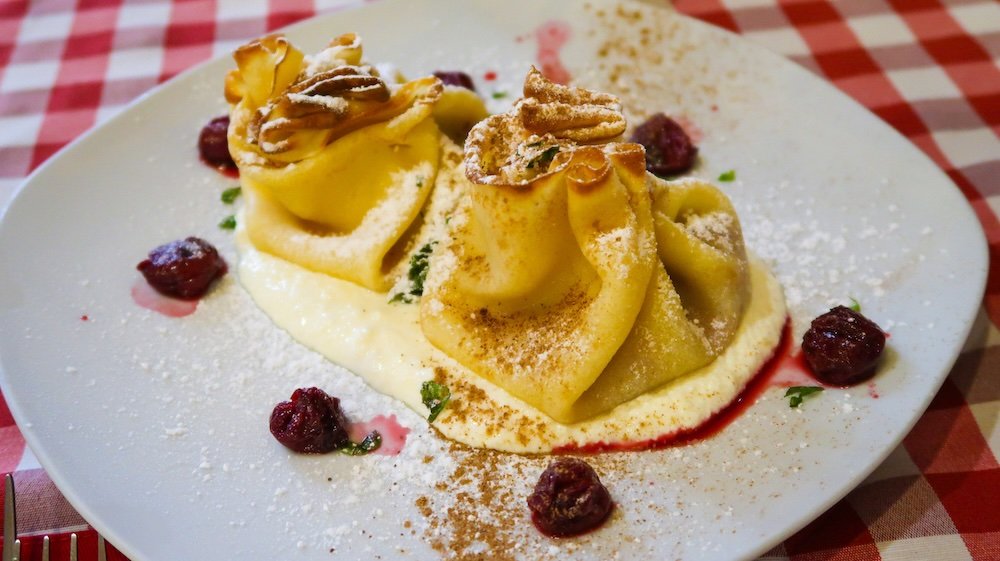
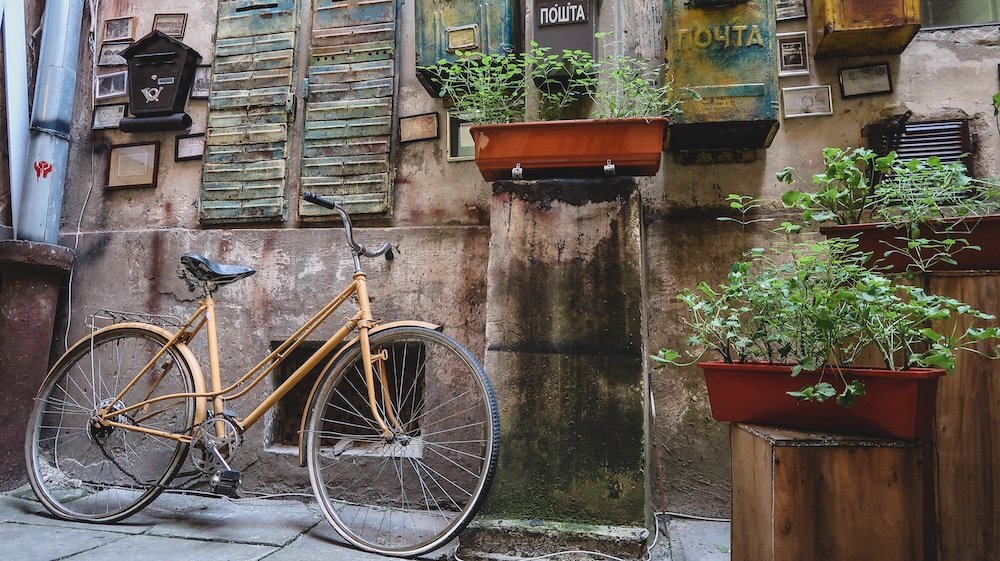
1) Post Office Cafe for Breakfast in the Old Town (Poshta na Drukarskiy)
The breakfasts here are massive and unapologetically heavy. Think thick cottage cheese pancakes (syrnyky) and eggs that actually keep you full until 2 PM. The place is decked out like an old post office, right down to the smell of old paper and roasted coffee. We love grabbing a window seat and watching visitors sipping coffee while the morning delivery trucks bounce loudly over the cobbles.
- Try the local dark roast—it’s thick, gritty at the bottom, and served with condensed milk.
- Ask for the daily special, it’s usually whatever the kitchen bought fresh that morning.
- Weekends are packed; expect to awkwardly hover near a table until someone leaves.
Tip: Pair your breakfast with a brisk walk through the side streets to burn off that heavy dairy.
2) Armenian Cathedral (Armenian Cathedral of the Assumption of Mary)
The Armenian Cathedral is a 14th-century heavyweight. It’s dark, moody, and the scent of heavy beeswax candles hits you the second you push through the thick wooden doors. The stonework is cold to the touch, and the frescoes are mesmerizingly complex. Outside, the small churchyard is dead quiet, a sharp contrast to the traffic just a block away.
- Cover up; the babushkas will absolutely scold you if you walk in wearing shorts.
- Photography is usually a no-go for the inner frescoes. Put the phone away.
- Light a candle and listen to the distinct, echoey silence of the nave.
Tip: Look up—the dome details require a bit of neck-craning but they are the best part of the building.
3) Transfiguration Church (Преображенська церква)
Transfiguration Church is that massive 18th-century structure with the pale green dome. You literally can’t miss it. Inside, it’s a sensory overload of gilded altars and incense so thick you can almost taste it. When the choir practices, the acoustics make the stone floors practically vibrate. Despite being in the dead center of the city, the heavy doors block out the street noise perfectly.
- The front steps are prime real estate for people-watching while you rest your legs.
- The restorations are clean, but you can still see the uneven historical brickwork.
- Keep your voice down; locals actually use this for daily prayer, not just tourism.
Tip: Watch for concerts—the vocal reverberation in here is incredible.
4) Dominican church and monastery (Church of Holy Communion – Домініканський костел і монастир)
The Dominican church is an imposing, dome-topped giant. Walking in, you immediately feel dwarfed by the massive columns. The air inside is remarkably cool, even in July, and the sheer scale of the baroque statues is intimidating. It’s a quiet, serious place. The adjoining monastery courtyard gives you a raw look at the rough-hewn stone that makes up the foundation.
- Don’t blunder through with a camera during mass.
- Late afternoon sun slices through the stained glass, casting harsh colored light on the stone.
- Tours often link this with the old market nearby to explain the logistical supply lines of the monks.
Tip: Climb the small side steps if the gate is unlocked for a dizzying view of the pews.
5) Used Books Market
Near the old quarter, this Used Books Market is a chaotic, beautiful mess. It smells strongly of decaying paper, old bindings, and cheap tobacco from the vendors. You’ll dig through Russian classics, Polish encyclopedias, and weird Soviet-era technical manuals. Haggling is mandatory, but keep it friendly. The real friction here is payment. These guys don’t take cards, and asking them to break a 500-hryvnia note for a 50-hryvnia book will just get you yelled at. Bring exact, small bills.
- Go at 10 AM before the narrow aisles get jammed with bodies.
- English is rare; point, smile, and use your phone calculator to negotiate prices.
- Bring small hryvnia bills; no one wants to break a big note here.
Tip: Check the condition—some of these bindings will disintegrate in your backpack if you aren’t careful.
6) Ukrainian Orthodox Dormition Church (Успенська церква)
The Dormition Church is anchored by a massive bell tower. Inside, the golden iconostasis is blinding under the chandeliers. The air is thick with the sweet, resinous scent of frankincense. You’ll hear the low, rhythmic chanting of the priests bouncing off the hard stone walls. It’s smaller than the Catholic cathedrals, but the auditory and olfactory overload is intense.
- Knees and shoulders covered, zero exceptions.
- Kill the camera flash.
- Drop a few coins in the maintenance box by the door.
Tip: Attend a brief portion of the liturgy just to experience the sheer auditory weight of the chanting.
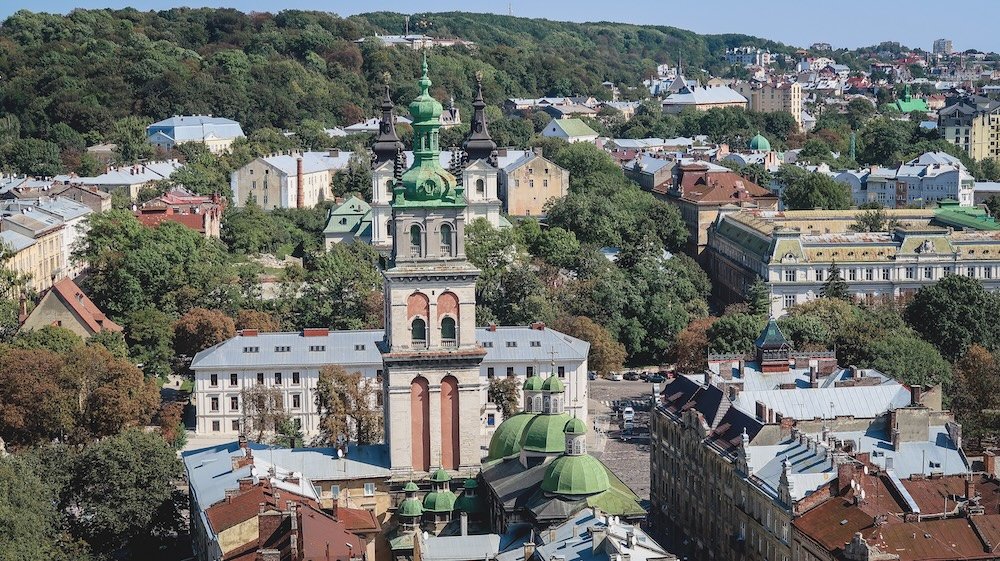
7) Bell Tower at Lviv Town Hall for Views of Lviv city
Ready for a lung-buster? The Lviv Town Hall tower requires hauling yourself up hundreds of narrow, creaky wooden steps. Expect to pay around 50 UAH at the bottom. Your thighs will burn, and the stairwell gets suffocatingly hot in the summer, with terrible ventilation. But stepping out onto the metal grating at the top gives you the best 360-degree layout of the city’s terracotta roofs. The wind whips aggressively across the viewing platform, cooling you down instantly.
- Skip it midday on a Saturday unless you like being wedged against strangers on a narrow staircase.
- Bring water. Seriously.
- Hold your phone tight; the gusts up here are no joke.
Tip: Aim for late afternoon when the shadows lengthen and the glare off the tin roofs dies down.
8) International food scene in Lviv eating Sushi at yaponaHata
You can only eat so much pork and potatoes. When you need a break, the international food scene delivers. Places like yaponaHata offer raw fish that is surprisingly fresh for a city this far inland. The sharp hit of wasabi and the salty tang of soy sauce are a great palate cleanser. The sleek, minimalist booths are a stark contrast to the heavy timber taverns outside. It’s a chain, sure, but it’s reliable when you need a fast carbohydrate reset.
- Point to the English menus if you can’t read the Cyrillic.
- Lunch combos are fast and cheap.
- Book a table on Friday nights; it gets loud and packed.
Tip: Try a dessert roll—they wrap fruit in sweet rice and it’s oddly satisfying.
9) Bernardine Church
The Bernardine Church is wrapped in heavy fortress walls. It’s dark, brooding, and smells like damp earth and cold stone. The altars are incredibly detailed, but the real appeal is sitting in the wooden pews and soaking in the absolute silence, isolated from the traffic noise outside. You can run your fingers over the deeply carved wooden confessional booths and feel the centuries of wear.
- Morning light hits the facade straight on.
- Look for the old monastery sections if a guide is available.
- Dodge the wedding photographers on weekends.
Tip: Peep behind the main altar to see the rough, unfinished stone of the original construction.
10) Latin Cathedral (Лати́нський собо́р – Katedra Łacińska)
The Latin Cathedral has survived everything. You can feel the history in the worn grooves of the stone floor where millions of boots have walked. The chapels are gated with heavy iron, and the stained glass throws sharp shards of colored light across the nave. It encourages you to slow down and rest your legs in the dark.
- Free entry, but tossing in a few hryvnia is good form.
- The side chapels have the best, eeriest tombstones.
- Rent the audio guide if you want the brutal history of the sieges.
Tip: Listen for organ recitals—the bass notes literally shake your ribcage.
11) Jesuit Church
The Jesuit Church (Saints Peter and Paul Garrison Church) is massive and currently serves the military. The smell of fresh plaster from ongoing restorations mixes with the traditional incense. The scaffolding inside tells you this is a working, breathing building, not just a static museum. You can touch the temporary wooden bracing holding up sections of the nave.
- Watch your step around the restoration zones.
- Military funerals and services happen here; be highly respectful.
- The history of the Jesuit order here is complex and bloody.
Tip: Look up at the dome to see where the old Soviet plaster has been scraped away to reveal original frescoes.
12) Souvenir Market in Lviv for shopping
Lviv’s Souvenir Markets are dense, loud, and packed with wooden carvings that smell intensely of fresh lacquer and pine. You’ll find old Soviet pins, thick wool socks, and traditional vyshyvanka shirts. The vendors are aggressive but friendly; haggling is just a sport here. The wool garments are incredibly heavy and rough to the touch, built for real winters.
- Saturdays are prime time for the widest selection.
- Don’t take the first price. Counter with 60% and work your way up.
- Feel the wool; some of it is incredibly scratchy.
Tip: Seek out local artisans sitting in the back corners actually carving the wood, rather than the resellers at the front.
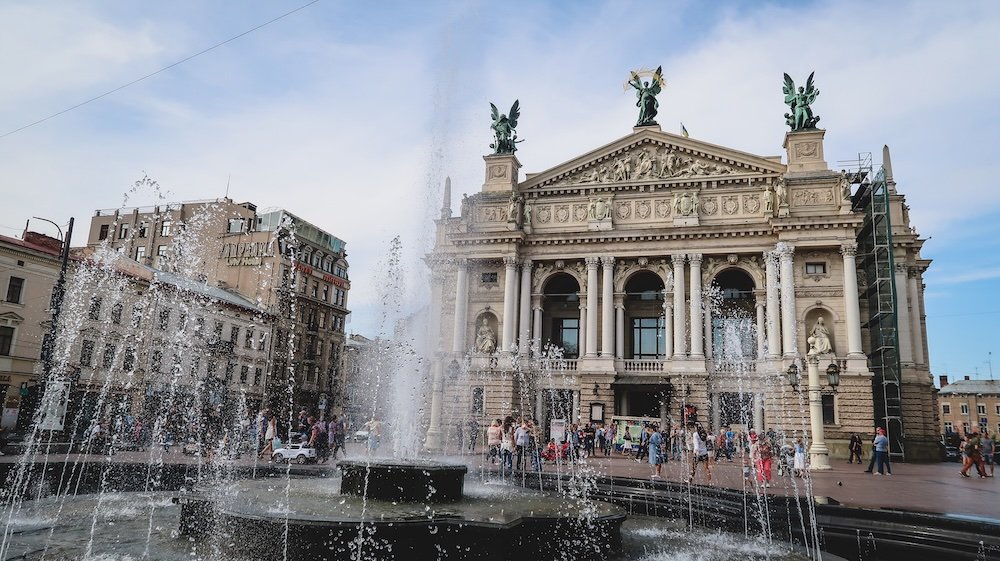
13) Lviv Theatre of Opera and Ballet (Львівська оперa – Opera Lwowska)
The Opera House is the anchor of the main avenue. Inside, it’s all plush red velvet, blinding gold leaf, and the smell of expensive perfume and old dust. The acoustics are razor-sharp. Even if you hate ballet, taking a daytime guided tour just to grip the polished marble handrails on the grand staircase is worth it. It’s luminous at night, lit up by massive floodlights.
- Box office tickets are insanely cheap compared to London or New York.
- Wear decent shoes and a collared shirt.
- The lobby cafe serves overpriced but necessary espresso at intermission.
Tip: Arrive early to claim a spot on the balconies before the crowds smash in.
14) Traditional Ukrainian Food at Seven Piggies (Сім поросят)
When you are freezing and starving, Seven Piggies is the answer. It’s a heavy, rustic tavern. The air is thick with the smell of roasting garlic, fried onions, and braised pork. The varenyky (dumplings) come swimming in butter, and the salo (cured pork fat) on dark rye bread will hit your stomach like a warm brick. The heavy wooden chairs scrape loudly against the floorboards.
- Book ahead; it gets loud and rowdy by 7 PM.
- The winter menu is specifically designed to keep you warm in sub-zero temps.
- Use the English menu, but point to be sure.
Tip: Order a small sampler to figure out if you prefer the potato, cabbage, or cherry dumplings.

15) Lviv Historical Museum
Spread across several creaky old mansions on Rynok Square, the Lviv Historical Museum is a deep dive into the region’s brutal past. The wooden floors groan heavily underfoot, and the glass display cases smell faintly of mothballs. You’re looking at centuries of shifting borders, weapons, and royal decrees. It’s a lot to process, so pace yourself.
- Figure out which era you care about; doing all the buildings is exhausting.
- Don’t touch the glass; the attendants will absolutely yell at you.
- English translations are spotty at best.
Tip: Grab a combo ticket to bounce between the buildings without paying a toll every time.
16) Weaponry Museum at Lviv Arsenal
The Lviv Arsenal is exactly what it sounds like: a heavy stone bunker packed with tools designed for medieval warfare. The air down here is damp and cold. You can practically feel the weight of the massive broadswords and rusted chainmail. A souvenir shop sells replicas, but the real stuff in the cases tells a grim story of the city’s defenses. Running your hand along the rough stone walls makes you realize how impenetrable this place was. Honestly, here is a contrarian take: unless you are a hardcore military history buff, it’s mostly just cases of old swords, and you might get more out of a walking tour above ground.
- Hire a guide if you want to know the difference between a Polish sabre and an Ottoman blade.
- Displays rotate occasionally.
- Keep your hands off the ironwork.
Tip: Peek at the building’s exterior to see the sheer thickness of the defensive masonry.
17) Lviv Cat Cafe
The Lviv Cat Cafe is exactly the bizarre break you need. It smells like roasted coffee and clean laundry, masking the felines perfectly. Cats own the space, sleeping on your coat or demanding cat-approved treats. It’s heavily sanitized, so you have to scrub your hands with sharp-smelling sanitizer before you touch anything.
- Pay the small cover charge at the door.
- Let the cats come to you; grabbing a sleeping cat is a great way to get scratched.
- No flash photography.
Tip: Wash your hands vigorously upon entry; they enforce this strictly.
18) Toy Alley at Yard of Lost Toys
The Yard of Lost Toys is weird. There’s no other word for it. It’s an apartment courtyard packed with decaying stuffed animals, plastic dolls, and weathered action figures. It smells like wet rain gear and damp synthetic fur after a storm. It started as a lost-and-found and mutated into an eerie, grassroots art installation.
- Keep your voice down; people actually live in the apartments looking over the yard.
- It’s free, but don’t touch or rearrange the toys.
- Bring a small toy to leave behind if you want to contribute to the weirdness.
Tip: Visit before dusk unless you want to feel like you’re in a horror movie set.
19) Lviv Castle Hill or Lviv High Castle (Високий замок – Замкова гора – Wysoki Zamek)
Lviv High Castle involves a steep, muddy climb up a winding dirt path. Your lungs will burn, and your boots will get filthy. But standing on the wind-whipped observation deck at the top, feeling the cold breeze tear across the city, gives you the ultimate view of the sprawl. There’s no actual castle left, just ruins, but the elevation is the point. Here is my contrarian advice, though: everyone tells you to hike High Castle for sunset, but frankly, it’s a muddy, exhausting slog to look at a ruined wall, and the platform gets jammed with tourists. You’ll get a much better, less punishing view from the Town Hall tower right in Rynok Square, or just by buying a beer on a rooftop terrace in the center.
- Wear boots with grip. The mud here is slick.
- Buy water at the bottom; there’s nothing at the top.
- Bring a windbreaker.
Tip: Aim for sunrise to beat the crowds and watch the fog roll off the terracotta roofs, if you actually decide to make the climb.
20) Tram ride around Lviv (Львівський Трамвай) for transportation
Your feet will eventually fail you. When they do, jump on a vintage tram. They are loud, the metal wheels screech aggressively around the corners, and the seats are hard plastic or worn vinyl. But it’s the best, cheapest way to get across town, typically running about 10-15 UAH per ride. You’ll sit shoulder-to-shoulder with locals hauling groceries, grabbing the freezing metal handrails. The old-school paper tickets are charming, but if you forget to validate them in the punch machine, the plainclothes ticket inspectors will show zero mercy and fine you heavily. The pro move is to skip the paper entirely: look for the QR codes plastered on the tram windows and just scan to pay using the Privat24 app or EasyPay.
- Punch your paper ticket immediately or use the QR code.
- Routes change due to track repairs; ask before boarding.
- Watch your pockets in the tight crush by the doors.
Tip: Sit by a window to watch the architectural details blur by without breaking a sweat.
What To Eat and Drink in Lviv, Ukraine
Lviv’s food scene is dense, heavy, and built to keep you moving through cold winters. Expect a lot of root vegetables, pork, and enough caffeine to induce heart palpitations. Let’s map out some actual things to do for your stomach.
Traditional Galician Cuisine
Varenyky (dumplings) are the baseline. They hit your plate steaming hot, slick with butter, and topped with caramelized onions. Borshch here is a deep, murky red, usually loaded with chunks of fatty meat and served with a heavy dollop of sour cream. The dark rye bread is dense enough to use as a doorstop, and you’ll use it to mop up every drop. Portions are brutal, so come hungry. You can taste the earthy, root-cellar freshness of the beets.
- Skip the tourist traps and find the diners packed with local workers.
- Salo (cured pork fat) is an acquired taste, but you have to try it once.
- Sour cream (smetana) goes on literally everything.
Tip: Ask about Halushky, a heavy, doughy noodle dish that will put you right to sleep.
Coffee Culture
Lviv runs on coffee. The cafés smell like scorched sugar and deeply roasted beans. You’ll sit in cramped, subterranean brick cellars where baristas pull incredibly strong, gritty espresso shots. Some spots serve it flambéed with a blowtorch right at your table. It’s theatrical, but honestly, the blowtorch gimmick scorches the beans and ruins the flavor profile. Skip the massive tourist traps like the Lviv Coffee Manufacture and find a smaller specialty roaster like Svit Kavy instead if you actually care about what’s in your cup. You’ll leave jittery with the smell of smoke clinging to your jacket either way.
- Head underground into the café basements for the best atmosphere.
- Local honey is the preferred sweetener.
- Don’t expect massive American-style lattes; this is potent, small-batch stuff.
Tip: Take time to sit. Gulping down an espresso and running is considered barbaric here.
Street Food and Markets
When you’re moving fast, street food is the play. Chebureky are massive, deep-fried pastry pockets filled with dangerously hot meat and juices that will absolutely ruin your shirt if you bite in too fast. The outdoor markets smell of grilled pork sausages and sharp, vinegary pickles scooped straight from plastic buckets. It’s an affordable way to inhale 1,000 calories while walking to the next church.
- Point and hand over cash; English won’t get you far at a sausage cart.
- Bargaining is expected if you buy in bulk at the produce markets.
- Mid-morning is the best time for fresh frying oil.
Tip: Check times—if you show up at 3 PM, the best stuff is gone.
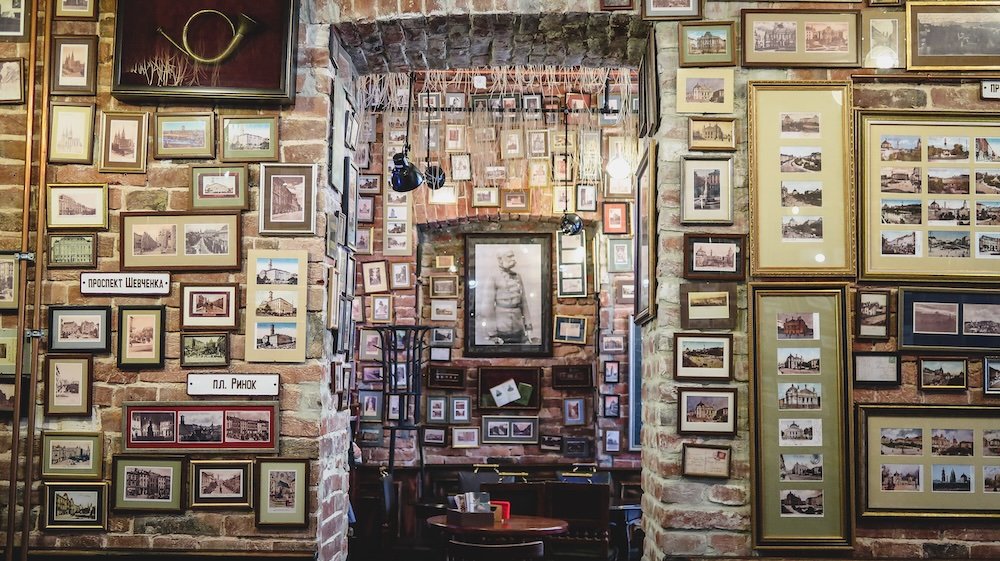
Modern Twists
The younger crowd is pushing back against the heavy traditions. You’ll find modern spots serving sharp, acidic ceviche alongside traditional cheeses. The craft beer scene is exploding; the taprooms smell intensely of hoppy IPAs and sour mashes. Finding a ramen shop in a 300-year-old basement is completely normal now. The sticky tables and loud music are a great reset after a day of somber history.
- Look for the fusion joints hiding in the courtyards off Rynok Square.
- Seasonal menus change fast based on what the local farms pull up.
- Craft breweries often have English-speaking staff who love to talk hops.
Tip: Try a tasting flight at the breweries; the stouts here are exceptionally thick.
Sweets and Desserts
The sugar rush in Lviv is serious. The chocolate shops smell like warm cocoa butter and vanilla the second you walk by. The local honey cake (medovyk) is heavy, layered, and requires a fork to cut through the dense cream. If you order the hot chocolate, be prepared for a cup of melted ganache so thick you need a spoon. You’ll leave with powdered sugar all over your jeans.
- Buy the pralines by weight.
- The kremówka pastry is a flaky, messy nightmare to eat but completely worth it.
- Most cafés sell their own baked goods right at the counter.
Tip: Bring home the solid chocolate bars; the truffles will melt in your transit bag.
From scalding hot dumplings to thick black coffee, you won’t leave Lviv hungry. The food here is practical, built for harsh weather, and deeply rooted in local agriculture.

Tours For Visitors To Lviv, Ukraine
Sometimes you just need to pay someone to show you where to walk. Guided tours cut through the logistical friction and get you straight to the hard facts. Let’s explore the main tours that actually deliver, rather than just walking you past gift shops.
1) Old Town Walking Tours
Walking tours remain a top choice for getting your bearings. Guides will drag you over the uneven cobblestones for two hours, pointing out bullet holes in the masonry and explaining the shifting borders of the last century. It’s a lot of walking, and your feet will feel it by the end. Perfect for first-time visitors trying to map the grid before striking out alone.
- Clarify if it’s a flat fee or a tip-based hustle.
- Wear your most durable boots.
- Double-check the departure point; Rynok Square is huge.
Tip: Aim for morning before the delivery trucks jam up the narrow alleys.
2) Coffee Culture Tours
If you need a caffeine spike, coffee tours take you down into the damp, brick-lined cellars where they roast the beans. You’ll smell the sharp, acrid smoke of the roasting process and taste espresso that strips the enamel off your teeth. It’s equal parts history lesson and caffeine overdose. Your hands will be shaking by the third stop.
- Pace yourself; four espresso stops in two hours is aggressive.
- Watch your head in the low-clearance cellars.
- Ask for water at every stop.
Tip: Request non-sweet variants unless you want a massive sugar crash later.
3) Street Art & Underground Lviv Tours
Street art tours bypass the cathedrals and take you to the gritty industrial edges of the city. The underground tours are even better. You’ll put on a hardhat and descend into freezing, damp tunnels that smell like wet limestone and stagnant water. You’ll see the old smuggler routes and wartime bunkers. Expect to get mud on your jeans.
- If you are claustrophobic, skip the underground tour entirely.
- Street art is highly political here; ask questions.
- Bring a jacket; the tunnels are freezing year-round.
Tip: Wear sturdy shoes—the tunnel floors are slick with mud and condensation.
4) Day Trip Tours
Getting out to the castles means sitting in a cramped minivan for an hour, but it’s worth it. You’ll hit the rough rural roads, passing fields and local wine regions. The guides handle the tickets and the driving, which saves you the massive headache of navigating the chaotic local bus terminals where signage is poor. By sundown, you’ll be stiff, tired, and back in Lviv.
- Confirm if the museum entry fees are bundled into the tour price.
- Bring your own water and jerky; rural pit stops are bleak.
- Minivans have terrible suspension; sit near the front if you get carsick.
Tip: Small group tours cost more but mean you aren’t waiting for 40 people to use one bathroom.
5) Food & Cooking Classes
Food tours and cooking classes put you to work. You’ll walk the loud, wet floors of the central market, smelling raw meat and sharp onions, before heading to a kitchen to aggressively pinch varenyky dough until your fingers cramp. You eat what you make, usually washed down with a sharp shot of local vodka.
- Expect to stand for 3-4 hours.
- Wash your hands and follow the instructor’s exact pinching technique.
- Confirm the language of instruction before paying.
Tip: Ask for recipes so you can prove you actually learned something when you get home.
Booking Tips
- Pre-book online. Showing up with cash hoping for a spot rarely works in July.
- Read reviews to avoid guides who just monotonously read off an iPad.
- Bundle tours if you only have 48 hours to blitz the city.
- Budget: Carry 100-hryvnia notes for easy tipping.
- Respect: If the tour leaves at 09:00, be there at 08:50. They will leave without you.
Lviv Accommodations Guide: Hotels, Guesthouses and Hostels (Approx. 600 Words)
Where you sleep dictates how much walking you have to do. The cobblestones are punishing, so locking down a strategic basecamp is critical. Here is the reality of Lviv’s top things to do regarding lodging.
1) Boutique & Heritage Hotels
Boutique hotels are slotted right into the old 18th-century buildings. They are full of character, which is code for “there is no elevator and the wooden floors squeak loudly.” But the heavy wooden beams and the smell of antique polish give it an atmosphere you can’t fake. You’re right in the action, meaning you can step out the front door directly into the café chaos.
- Expect steep, narrow staircases.
- The breakfasts are usually heavy, local spreads of cheese and meat.
- Book months in advance for the summer rush.
Tip: Ask about midweek deals to dodge the weekend surcharge.
2) Mid-Range Hotels & Modern Chains
Mid-range hotels offer pure predictability. You get reliable water pressure, a mattress that isn’t 20 years old, and heavily soundproofed windows to block out the relentless 3 AM tram squeals. They are usually pushed slightly outside the immediate old town, requiring a brisk 10-minute walk to Rynok Square. Your feet will feel that walk by day three.
- Collect your loyalty points if that’s your game.
- Underground parking is a massive win if you have a rental car.
- Ask for a room facing the inner courtyard for total silence.
Tip: Check if breakfast is included, otherwise just hit the bakeries outside.
3) Guesthouses & B&Bs
Guesthouses put you in the spare rooms of locals. The plumbing might be temperamental, and the radiators will either be off or blasting like a furnace. But the hosts will feed you homemade jam that smells strongly of fermented berries, and you get a raw look at how people actually live in these massive, drafty apartment blocks.
- Take off your shoes at the door; it’s a hard rule here.
- Cash is king here.
- Bring your own travel towel just in case.
Tip: Look for “breakfast included” because the homemade spreads crush hotel buffets.
4) Hostels & Budget Options
Hostels here are cheap, loud, and smell like wet boots and stale beer by the end of the day. You’ll be sleeping in a creaky metal bunk bed in a converted 19th-century living room. It’s the ultimate logistical hub for backpackers looking to trade train schedules and cheap bar recommendations.
- Bring earplugs. The wooden floors amplify every footstep at 2 AM.
- Lock your gear up; common sense applies everywhere.
- Check if there’s a curfew before you book.
Tip: Opt for smaller dorms. 12-bed rooms are a logistical nightmare for bathroom access.
5) Apartments & Extended Stays
Renting an apartment gives you a kitchen and, crucially, a washing machine. Hauling your groceries up four flights of dimly lit concrete stairs builds character. It’s ideal for families or digital nomads who need to settle into a rhythm and cook their own heavy stews to cut costs.
- Test the keys immediately; old Soviet locks require a very specific jiggle.
- Elevators are rare in the historic center.
- Hit the local markets for cheap onions, potatoes, and pork.
Tip: Seek “Free cancellation” in case your train routes get scrambled.
Making a Choice
- Proximity: Stay central unless you love riding crowded trams twice a day.
- Noise Factor: Rynok Square is loud until 4 AM. Choose wisely.
- Budget: Hostels save cash, boutiques save your back.
- Reviews: Look for complaints about hot water pressure before booking.
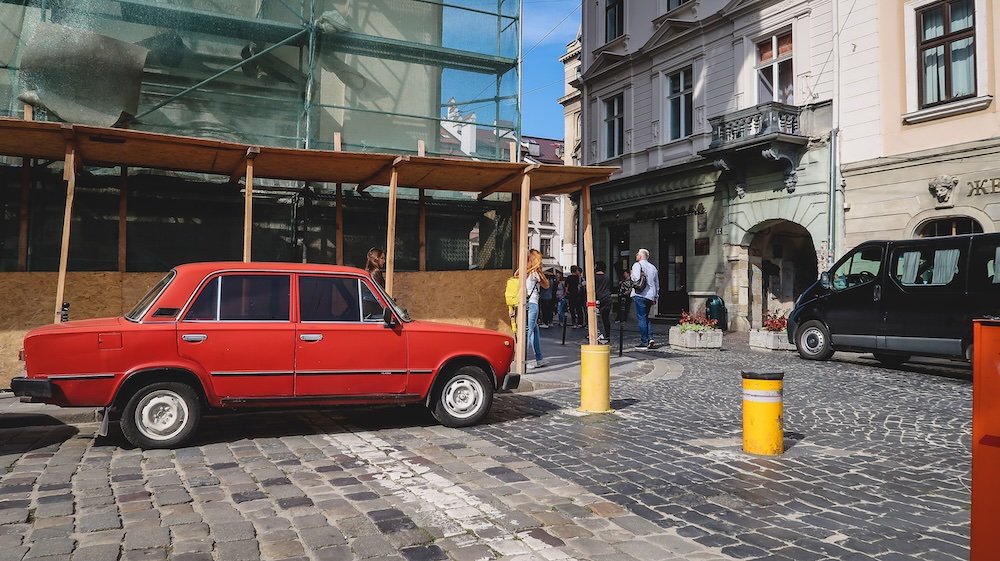
Day Trips From Lviv, Ukraine
Lviv has enough things to do, but sitting in the city for a week is a mistake. Get out into the countryside. The roads get rougher, the English disappears completely, and you start seeing the real industrial and rural backbone of the region.
1) Olesko Castle and Pidhirtsi Castle
Olesko Castle is a heavy 14th-century fortress on a hill. The wind up here is sharp, and the stone walls smell of old dust and cold earth. Pidhirtsi Castle is a decaying Baroque masterpiece. Walking the overgrown grounds, you can feel how massive and isolated these estates were. It’s a heavy dose of aristocratic history paired with rough rural terrain. Getting here is where the friction spikes; the local marshrutkas out of the AS-2 bus station are confusing, lack English signage, and don’t drop you right at the gates. You will save yourself hours of frustration by just booking a guided tour van for around 800+ UAH.
- Public transit here involves multiple sweaty minibus transfers; just book a tour.
- Pack a sandwich; food options near the gates are grim.
- Watch your footing on the uneven defensive walls.
Tip: Combine them into one grueling but efficient day trip.
2) Carpathian Mountains (Slavske or Skhidnytsia)
The Carpathians demand a long, bumpy 3-hour ride. When you step out in Slavske, the air is shockingly thin, cold, and smells of pine needles and woodsmoke. Skhidnytsia is calmer, focused on mineral spas. Whether you are hiking up muddy logging trails or soaking in a rusty mineral tub, the physical shift from the city is jarring but necessary. Your legs will hate you, but it’s worth it.
- Leave at 6 AM or you’ll lose the daylight.
- Bring a heavy fleece, even in August.
- The local mountain food is incredibly dense; pace yourself.
Tip: Consider an overnight so you don’t spend 6 hours of your day in a van.
3) Drohobych and Truskavets
Drohobych smells faintly of salt and old timber from its famous wooden churches. The heavy wooden beams are black with age and resin. Truskavets is a Soviet-era spa town. You’ll drink sulfurous mineral water from strange little porcelain cups that tastes like rotten eggs but supposedly cures everything. It’s a bizarre, fascinating contrast between ancient craft and Soviet health fads.
- The local buses between the two towns are cheap and aggressively driven.
- Take off your hat in the wooden churches.
- Hold your nose when you drink the mineral water.
Tip: Bring an empty bottle if you actually want to take the sulfur water back to your hotel.
4) Stryi: Small Town Charm
Stryi is an hour south and completely devoid of tourists. You’ll walk cracked pavements past brutalist bus stops and quiet riverbanks. The air smells of diesel exhaust and baking bread. It’s unpolished, cheap, and gives you a raw look at standard Ukrainian daily logistics minus the gloss of Lviv’s old town.
- Hit the local bakery; the bread is heavy and costs pennies.
- Don’t expect any English menus.
- Keep your head on a swivel near the chaotic train station.
Tip: Brush up on a few Ukrainian phrases or you won’t be able to buy a coffee.
5) Tustan Rock Fort
Tustan requires a real hike. You’re climbing steep wooden stairs bolted into massive, sheer sandstone cliffs. Your thighs will burn, and the wind whips hard across the exposed rock faces. The smell of damp moss and pine is everywhere. It’s a fantastic, rugged physical challenge compared to the flat city streets.
- Wear actual hiking boots; the wooden planks get incredibly slick when wet.
- Check the weather; don’t climb a rock face in a thunderstorm.
- The bus schedule out here is notoriously unreliable.
Tip: Bring a camera for the brutalist rock formations against the skyline.
Day Trip Practicalities
- Transport: Trains are reliable; marshrutkas (minibuses) are chaotic but get the job done.
- Language: Download offline translation packs. You will absolutely need them.
- Time: Always catch the early train.
- Food: Pack heavy snacks.
- Attire: Stiff boots and windbreakers.

Lviv Transportation Guide
Navigating Lviv’s transport network is a contact sport. Figuring out how to get to the things to do efficiently will save your feet and your sanity. Here is the ground truth.
1) Walking the Historic Center
Walking is your primary mode of transit, but Lviv’s cobblestones are famously brutal. By day two, the soles of your feet will ache from the uneven limestone. However, it’s the only way to navigate the tight alleys that smell of roasting coffee and damp cellar air. You’ll step around delivery trucks and dodge overflowing gutters.
- Ditch the thin-soled shoes immediately.
- Watch for massive puddles after a rainstorm; the drainage is historic.
- Look out for delivery vans backing blindly down narrow streets.
Tip: Use a city map on your phone, but keep your head up to avoid twisting an ankle.

2) Trams and Trolleybuses
The trams are loud, lumbering beasts. You can feel the electrical hum and the violent shaking through the hard plastic seats. They are incredibly cheap and slice right through the city. Buy a paper ticket, punch it in the metal jaw of the validator, and hold onto the overhead rail for dear life when the driver hits the brakes.
- They are suffocatingly packed at 5 PM.
- Drivers absolutely hate breaking large bills; bring exact change.
- Listen for the screech of the wheels on tight corners.
Tip: Sit near the window to avoid the crush of elbows in the aisle.
3) Marshrutkas (Minibuses)
Marshrutkas are yellow minibuses driven by men who view speed limits as suggestions. They smell like diesel and cheap cologne. You cram yourself in, pass your crumpled hryvnia notes forward up the chain of passengers to the driver, and yell when you want to get out. It’s chaotic but highly effective.
- Prepare to stand bent over if all the seats are taken.
- Yell “Zupynitʹ, budʹ laska” loudly or the driver will blow right past your stop.
- Don’t expect them to follow a strict timetable.
Tip: Google Maps is often wrong about these routes; ask a local waiting at the stop.
4) Taxis and Ride-Sharing
Taxis hailed off the street will ruthlessly overcharge you. Use ride-sharing apps (Uklon, Bolt). You’ll get into a slightly battered Skoda, the driver will usually be playing heavy techno or talk radio, and you’ll know exactly what you are paying before you shut the door. It removes all the friction.
- Link your credit card to the app to avoid the “no change” excuse.
- Double-check the license plate before getting in.
- Round up a few hryvnia for a tip.
Tip: Use a recognized app to completely bypass the language barrier.
5) Intercity Connections
The massive train station smells of creosote and cheap tobacco. Navigating the platforms requires sharp elbows and a decent grasp of Cyrillic. Sleeper trains are hot, cramped, and the tea is served in heavy metal cup holders that rattle aggressively all night. It’s an essential Eastern European experience that you need to book early.
- Book trains weeks in advance; they sell out fast.
- Bring your own toilet paper for the train bathrooms.
- Buses from the main terminal are faster but have zero legroom.
Tip: Check time zones if you are crossing borders; the shift will mess up your connections.

Additional Transport Tips
- Peak Times: Gridlock hits hard at 17:00.
- Language: Learn to read the Cyrillic alphabet for station signs.
- Safety: Pickpockets love a crowded tram door.
- Night Moves: Trams stop running; switch to Bolt after 22:00.
- Fares: Hoard your small coins for transit.
Lviv travel questions answered: trip planning, safety, transport & local-style tips
How many days do you really need in Lviv for a first visit?
Three full days is the minimum to absorb the logistics and the caffeine. You need time to walk the cobblestones until your legs ache, smell the roasting coffee in the cellars, and climb the Town Hall tower. Five days lets you push out to the castles or the mud-slicked paths of the Carpathians without destroying your itinerary. A single night is just a layover, not a trip.
Is Lviv safe to visit right now given the wider situation in Ukraine?
Let’s be blunt: the situation is fluid. Geographically, Lviv is west and avoids the heavy kinetic realities of the front, but air-raid sirens are a jarring, wailing reality that will wake you up at 3 AM. You’ll feel the tension. Check your government’s hard travel advisories before booking. On the street level, your biggest daily threat is a slick cobblestone or a pickpocket on the tram.
What is the best time of year to visit Lviv for weather and atmosphere?
September is the tactical sweet spot. The bitter cold hasn’t set in, the air smells crisp, and you can still sit outside a café without shivering. Winter is brutal—the wind cuts through heavy coats, and the streets turn to icy sludge—but the thick hot chocolate makes up for it. Summer is a sweaty, crowded grind that will test your patience.
Is Lviv a good base for day trips or should I stay in other towns too?
Absolutely. You can lock down a solid apartment, leave your heavy gear behind, and take a bouncing marshrutka out to the castles or the salt towns. Returning to a hot shower and a massive plate of pork in Lviv after freezing on a mountain in Slavske is the optimal play. Don’t haul your luggage out to the rural towns if you don’t have to.
How expensive is Lviv for travelers on different budgets?
Your money goes incredibly far here. A heavy plate of varenyky that will anchor your stomach for six hours costs less than a bad coffee in London. You can sleep in a squeaky hostel bed for pennies or upgrade to a boutique room with heavy wooden beams for the price of a standard chain hotel back home. It’s a highly affordable city if you stick to the local taverns.
Is Lviv walkable or do I need to rely on public transport a lot?
Yes, but your boots will take a beating. The old town is compact, so you’ll spend hours navigating the uneven stone streets, dodging pigeons and tram tracks. When the fatigue hits, jump on a rattling tram to cross the wider boulevards. You only really need ride-sharing apps if you stay well outside the center or stay out past midnight.
How do trams and marshrutkas actually work in Lviv?
Buy a flimsy paper ticket, punch it in the metal jaws of the validator, and hold on. Marshrutkas require you to cram into a yellow van smelling of diesel, pass your coins forward, and yell to get out. It’s aggressive, cheap, and gets you there. Don’t expect clean seats or air conditioning.
Is Lviv a good city to visit with kids or is it better for adults only?
Sure, if they can handle the walking. They’ll love the visceral noise of the trams and the heavy sugar rush from the chocolate factories. Just be prepared to haul strollers over some aggressively jagged pavement. The real consideration is whether you want to navigate air-raid protocols with a toddler in tow.
What should I wear and pack for a trip to Lviv?
Function over fashion. Heavy-duty boots with serious ankle support. The wind in the squares is sharp, so pack a shell jacket. If you want to enter the Orthodox churches, you need pants that cover the knees and a respectful shirt, or you will be physically blocked at the door by the staff. Pack a power bank; your phone will die mapping the chaotic streets.
Are there any customs or etiquette differences I should be aware of in Lviv?
Be direct but polite. A gruff “Dobryi den” goes a long way. Inside the dark, incense-heavy churches, shut up and stay out of the way of the locals actually praying. Tip 10% in cash; the waitstaff work hard for it. Don’t talk loudly on the trams; it marks you as a tourist instantly.
How does Lviv compare to Kyiv or other big Ukrainian cities for a first-time visitor?
Kyiv is massive, sprawling, and intimidating. Lviv is a dense, highly walkable maze of Gothic and Renaissance stone. It’s smaller, smells more of coffee than exhaust, and feels distinctly Central European rather than strictly post-Soviet. It’s a much easier logistical entry point to the country.
Can I visit Lviv as a vegetarian or vegan and still eat well?
It’s a meat-and-potato town. You can survive on heavy cheese dumplings and thick cabbage soups if you are vegetarian. Pure vegans will have to work much harder, hunting down the modern hipster cafes hidden in the courtyards to find plant-based options that aren’t just a plate of cold cucumbers and tomatoes.
Are Lviv’s famous churches and museums accessible for travelers with limited mobility?
Brutally honest? No. It’s a nightmare of steep, narrow stairs, heavy wooden doors, and jagged street stones. If you have mobility issues, you need to meticulously pre-plan your routes and rely heavily on modern taxis rather than the high-step trams. The infrastructure is old and unforgiving.
Is it worth climbing the Lviv Town Hall tower and High Castle if I’m not super fit?
Your lungs will burn and your calves will seize up. The Town Hall is a claustrophobic wooden stairwell that smells of old dust and sweat. High Castle is a steep, muddy trek. If your knees are shot, skip it and grab a beer on a rooftop terrace instead. The view isn’t worth a blown Achilles.
What are the biggest “don’t miss” experiences in Lviv if I’m short on time?
The heavy hit of espresso in a brick cellar, the bone-rattling bass of the organ in the Latin Cathedral, and a massive plate of garlic-heavy borscht. Skip the fluff and focus on the sensory weight of the old town. Just walk until you find something that smells good.
| Activity / Route | Current Cost / Time | The Reality Check | Pro-Tip |
|---|---|---|---|
| Town Hall Tower Climb | Typically ~50 UAH | Worth it. Best panoramic view in the center. | Skip midday; the narrow wooden stairs get suffocatingly hot and claustrophobic. |
| High Castle Hike | Free / 45 min slog | Skip it. Muddy, steep, and there is no actual castle left. | Save your knees. Grab a rooftop beer in Rynok Square instead. |
| Vintage Trams | ~10-15 UAH per ride | Essential. Cheap and highly atmospheric. | Don’t fumble with paper tickets. Use the Privat24 app to scan the QR code on the window. |
| Olesko / Pidhirtsi Castles | ~800+ UAH (Guided Tour) | Best for history buffs wanting to leave the city. | The local marshrutka bus is chaotic. Pay the premium for a van tour to save hours of stress. |
| Underground Coffee Mines | ~150+ UAH for flambé | Tourist trap. Skip if you actually like good coffee. | The blowtorch ruins the beans. Go to a local specialty roaster like Svit Kavy for a real shot. |
Lviv Travel Guide: Final Thoughts
Lviv doesn’t baby you. It’s a city of heavy stone, harsh winters, and deep, complex history. You’ll leave with sore feet, a caffeine dependency, and a deep respect for the resilience of the place.
Slow Down and Savor
Stop trying to sprint through a checklist. Sit on a cold stone bench, feel the vibration of the tram lines, and watch the logistics of the city unfold. Drink the thick, gritty coffee slowly. The city rewards patience, not speed.
Connect with Local Culture
The culture here isn’t put on for tourists; it’s a living, breathing mechanism. Stand in the back of an Orthodox church and let the heavy scent of beeswax and the deep bass of the chanting rattle your chest. Eat the heavy pork fat (salo) even if it scares you. It’s how the locals survive the winter.
Explore Past the Obvious
Get off Rynok Square. Walk the cracked pavements of the outer districts where the air smells of diesel and old industry. That’s where you find the unpolished, uncurated reality of Western Ukraine, away from the polished statues.
Day Trips Broaden Perspective
The city is a bubble. You need to take a bouncing minibus out to the decaying castles or the freezing, pine-scented air of the Carpathians to understand the massive scale and rough terrain of the region. It puts the tight city streets into perspective.
Keep an Eye on the Future
Lviv is actively evolving under immense pressure. You can smell the fresh paint of new tech hubs right next to 400-year-old crumbling brick walls. It’s a city pushing hard forward while dragging a massive anchor of history behind it.
Pack heavy boots, bring cash, and keep your head on a swivel. Safe travels.
This guide is also available in Spanish. [Lea la versión en castellano: Guía de viaje de Lviv: Las 20 mejores cosas para hacer en Lviv, Ucrania]