
We first visited Edinburgh in the depths of winter for Hogmanay. The city was freezing, dark before dinner and absurdly atmospheric. There were fireworks, festive lights, bagpipes, haggis and people voluntarily entering the Firth of Forth on New Year’s Day. A perfectly normal Scottish introduction.
More than three years later, Audrey and I returned in early autumn for a full week. This time we had milder weather, more daylight and enough breathing room to explore beyond the Royal Mile. We wandered through Old Town and New Town, climbed monuments despite neither of us enjoying heights, blended whisky, sampled navy-strength gin and ate enough haggis to establish that I genuinely liked it. Audrey remained considerably less convinced.
This guide pulls together both trips, eleven of our original Edinburgh video scripts and more than thirty photographs from the city. I have also updated the practical information for 2026 because Edinburgh has not politely frozen itself in time for the convenience of old travel blogs. Tours have changed. Restaurants have closed. Edinburgh Gin has moved. The Botanic Garden glasshouses are under restoration. A new visitor levy now affects qualifying accommodation stays.
The result is a big Edinburgh guide, but it is not meant to be an order to sprint through every numbered attraction while clutching a spreadsheet. Edinburgh rewards detours, long lunches, random closes and strategic retreats into warm pubs. It also has more hills, stairs and slippery cobbles than its compact little map admits.
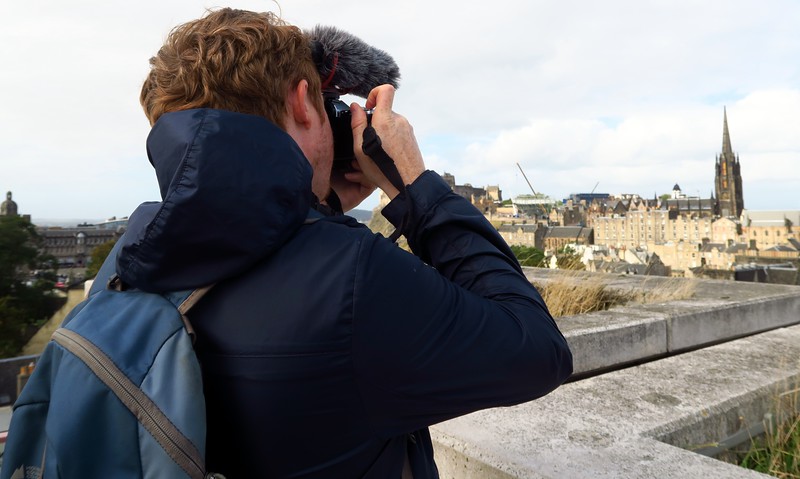
VIDEO: Our 20 things to do in Scotland travel guide
Edinburgh Trip-Planning Snapshot
| Planning question | Our practical answer |
|---|---|
| How many days? | Three days covers the essentials. Four or five gives you room for Dean Village, Stockbridge, Leith and a proper food or whisky experience. We spent a full week and never struggled to fill it. |
| Best area for a first visit? | Old Town for maximum atmosphere and immediate access to the castle; New Town for a central base with somewhat calmer streets and excellent dining. |
| Is Edinburgh walkable? | Yes, but “walkable” does not mean flat. Expect hills, stairs, cobbles and frequent changes in elevation between Old Town and New Town. |
| What should be booked first? | Accommodation, Edinburgh Castle, special restaurants, whisky or food tours, and any August festival or Hogmanay events. |
| Best free experiences? | National Museum of Scotland, Calton Hill, Dean Village, Princes Street Gardens, the National Galleries and the outdoor areas of the Royal Botanic Garden. |
| Best easy viewpoint? | Calton Hill gives the quickest panoramic payoff. The National Museum roof is the best free bad-weather backup once the sky clears. |
| Best time for fewer crowds? | Late spring and autumn usually balance walking weather with less intensity than August. Winter is atmospheric but darker and colder. |
| Important 2026 cost change? | A 5% Edinburgh visitor levy applies to qualifying paid accommodation stays from July 24, 2026, capped at the first five nights. |
Understanding Edinburgh Before You Start Walking
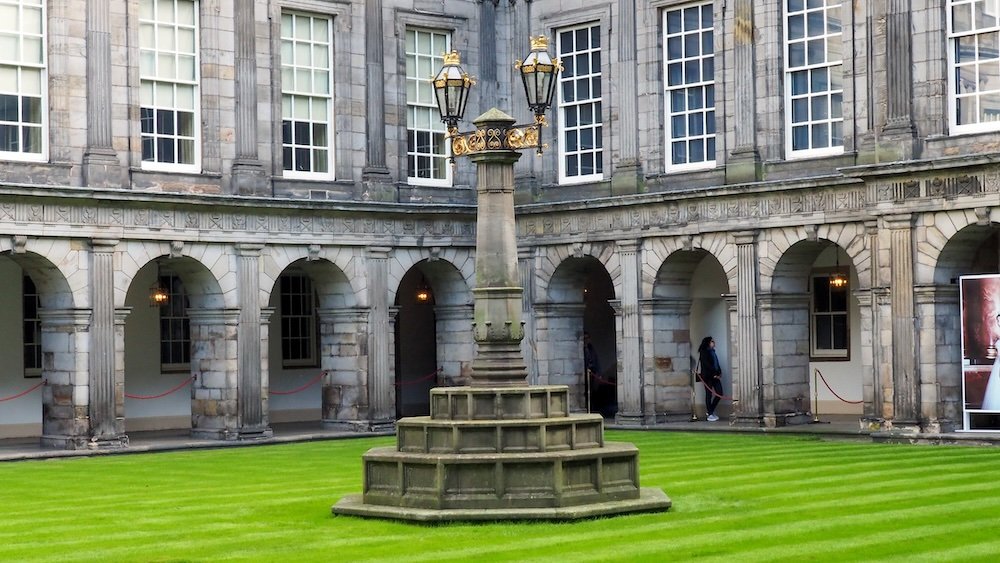
Central Edinburgh becomes much easier to understand once you stop treating Old Town and New Town as vague tourism labels. Old Town grew along the castle ridge in a tangle of steep lanes, narrow closes and buildings stacked into awkward medieval geography. New Town arrived later with Georgian planning, broad streets, squares and the sort of order that Old Town had clearly decided was overrated.
The two districts form Edinburgh’s UNESCO World Heritage Site and sit close together horizontally. Vertically is another matter. Waverley Station occupies the valley between them, and a route that looks short on Google Maps may involve bridges, ramps, stairs or a sustained uphill grind. A modest-looking day can have your legs filing formal complaints by dinner.
Group attractions geographically. Explore the castle, Castlehill and upper Royal Mile together. Save Holyrood Palace, Holyrood Park and Calton Hill for another cluster. Pair Dean Village with the Water of Leith, Stockbridge or the Botanic Garden. Treat Leith as a proper half-day or evening instead of commuting back and forth like somebody who has misunderstood the assignment.
What to Book Ahead in Edinburgh
| Experience | Booking pressure | Why it matters |
|---|---|---|
| Edinburgh Castle | High | Timed entry can sell out, particularly in summer and around major festivals. |
| Popular whisky and gin experiences | Medium to high | Session capacity is limited, and specialised tastings may run only at selected times. |
| Food tours | Medium to high | Small groups and multiple restaurant partners limit availability. |
| Special-occasion restaurants | High | Edinburgh’s strongest tasting-menu restaurants can fill well ahead of weekends and festival dates. |
| Hogmanay and August festivals | Very high | Tickets and central accommodation become scarce, while prices rise sharply. |
| Free museums and outdoor viewpoints | Low | These normally allow flexible visits, although special exhibitions may require tickets. |
Edinburgh is easy to explore independently, but tours earn their keep when they add history, unlock underground spaces, bundle transport or save you from comparing twenty listings that all claim to be “the best.” Compare current Edinburgh tours and tickets on GetYourGuide, then read the duration, language, physical demands and cancellation terms rather than choosing whichever listing owns the most dramatic thumbnail.
25 Best Things to Do in Edinburgh
1) Explore Edinburgh Castle Properly

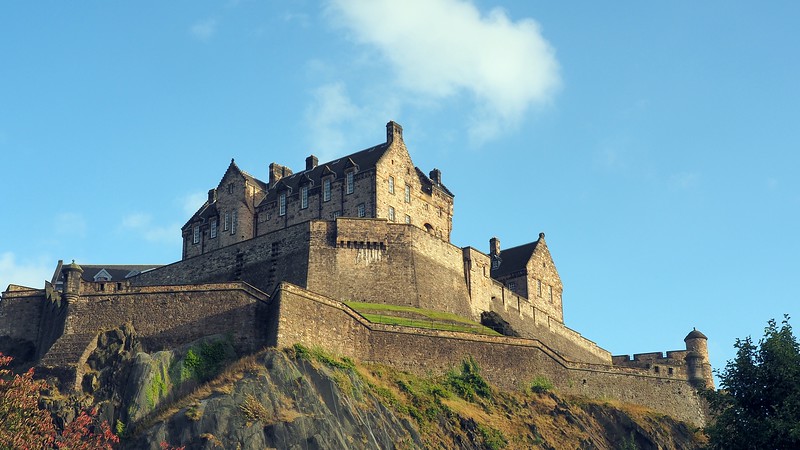
Edinburgh Castle is impossible to ignore. It sits above the city like it knows exactly how photogenic it is, appearing between buildings, over gardens and at the end of streets whenever you think you have finished taking pictures of it.
Going inside reveals what the skyline view hides: this is a sprawling complex, not one large castle building. You can enter the Royal Palace, see the Honours of Scotland, step inside St Margaret’s Chapel, visit the National War Museum and watch the One o’Clock Gun on operating days.
Do not book a castle ticket and then allow ninety frantic minutes before your next reservation. You will spend half the visit watching the clock and the other half trying to identify which uphill cobbled lane is secretly adding another ten minutes. Give it a proper block of time.
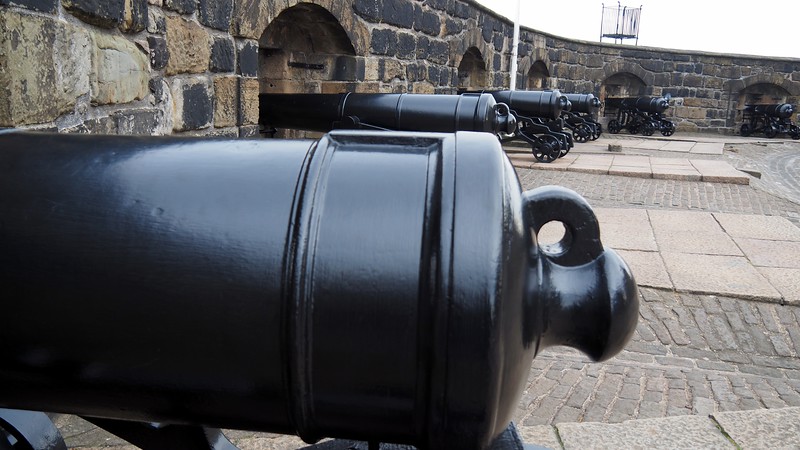
The practical reality is less romantic. The castle uses timed entry, tickets can disappear during summer and festivals, and the route climbs across cobbles on a steep curved approach. Visitors with limited mobility should read the official access information before arriving rather than discovering the terrain after paying.
My verdict: Edinburgh offers enough excellent free attractions that the castle ticket can feel painful, but this is still the paid sight I would prioritise on a first visit. Arrive early, wear shoes with grip and resist the urge to treat the Crown Jewels as the entire castle.
Check current tickets, opening arrangements and accessibility directly with Historic Environment Scotland.
2) Make Your Own Blend at the Scotch Whisky Experience
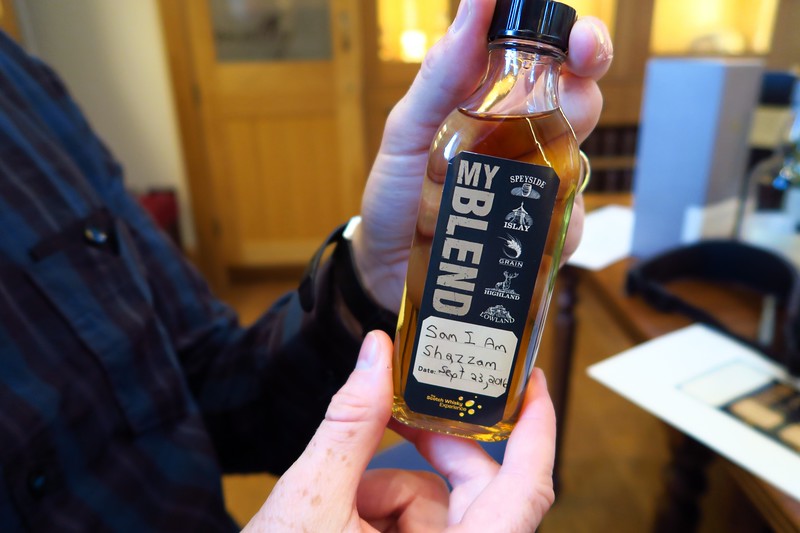
How often do you get to blend your own Scotch whisky? We visited the Scotch Whisky Experience beside the castle and joined a private blending session. I had forgotten my jacket on a chilly autumn afternoon, so whisky suddenly became cultural education, professional obligation and emergency central heating.
Before blending anything, we had to identify ten mystery aromas found naturally in whisky. My guesses included medicine, marzipan, books in an attic, Vicks VapoRub and poison. I scored two out of ten. Audrey also scored two. We had travelled the world, eaten everything placed in front of us and apparently learned almost nothing about using our noses.
Then came the part we were actually qualified for: pouring things together and giving the result an unnecessarily dramatic name. Mine became Sam ‘I’ Am Shazzam, built with 60% grain and 15% Speyside because I claimed the finished whisky would be smoky, strong and sophisticated—much like its creator. Modesty had already left the Blender’s Room.
An expert later blind-tested the group’s efforts. Some blends behaved better than others. Rob’s was still “fighting a little bit,” which is a polite whisky-professional way of saying the flavours had entered the bottle and immediately begun arguing. You cannot win them all, Roberto.

VIDEO: Drinking Scotch Whisky in Edinburgh, Scotland
During our visit, the collection room displayed 3,384 bottles. That number belongs to our trip, not necessarily the current collection. The public tour menu has also changed, while private Blend Your Own sessions remain a separate option. Choose by the experience and amount of tasting you actually want, not by automatically selecting the longest and most expensive package because holiday logic has taken over.
Best pairing: Visit the castle first, eat lunch and then schedule the whisky experience. Reversing that order before several hours of cobbled ramps and historic staircases is an unnecessarily creative itinerary choice.
See the current options on the official Scotch Whisky Experience website.
3) Walk the Royal Mile—Then Escape It

The Royal Mile is Edinburgh’s busiest, most theatrical and most tourist-saturated street. Pubs, shops, attractions, bagpipers, tour guides and enough tartan merchandise to upholster the entire city compete for attention. It is commercial. It is crowded. It is also still worth walking.
The route connects Edinburgh Castle with the Palace of Holyroodhouse and passes St Giles’ Cathedral, historic closes, museums and countless tour departure points. During our autumn visit we wandered the Royal Mile Market, browsed souvenirs and confirmed that locating a kilt would not be the logistical challenge of the trip.

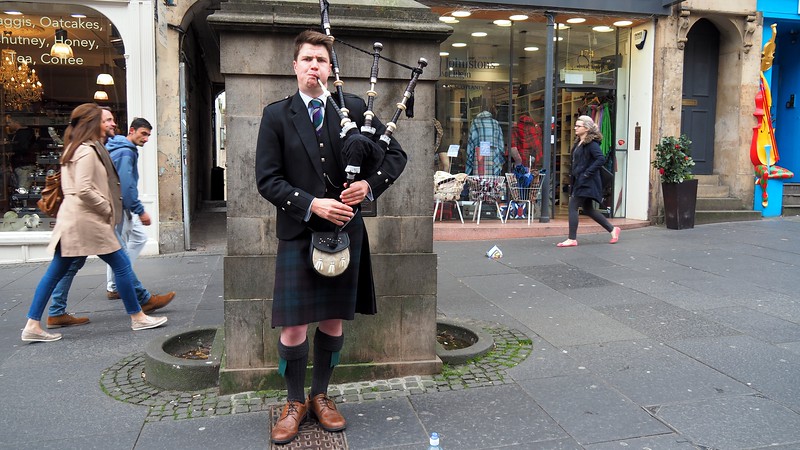
The mistake is spending your entire trip there. Walk it with purpose, enter a few closes, visit the interiors that genuinely interest you and then peel away towards Cockburn Street, Victoria Street, Grassmarket, Canongate or New Town. The Royal Mile supplies spectacle. The side streets provide oxygen.
August is another creature entirely. During the festivals, performers and crowds turn the Mile into part stage, part advertising corridor and part slow-moving human blockage. Great fun when you want that energy. Less charming when you are merely trying to reach lunch.
4) Choose an Edinburgh Walking Tour with a Point of View
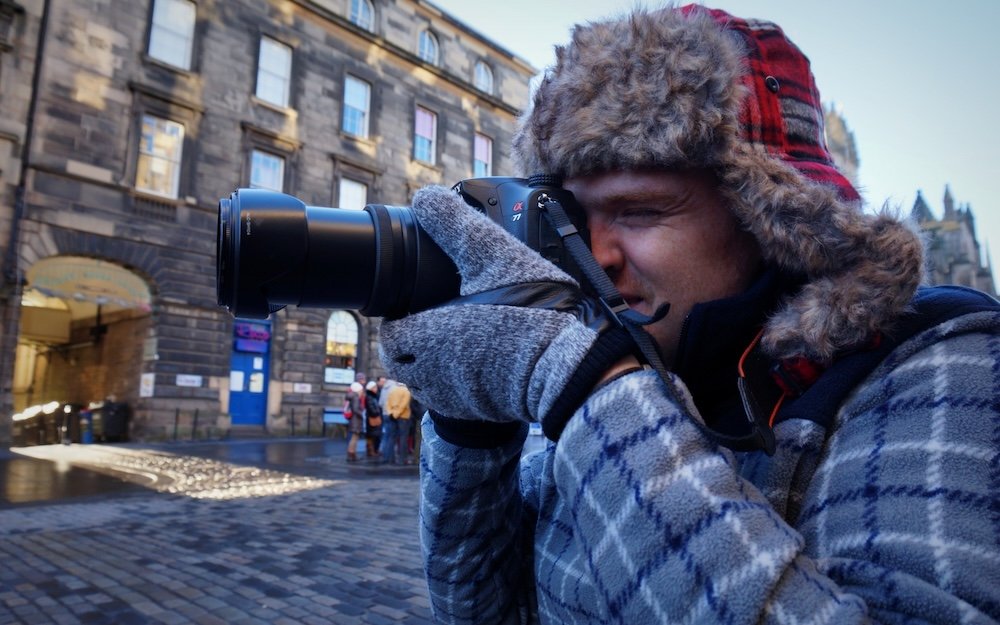
Edinburgh offers more oddly specific tours than almost anywhere we have visited. Standard city history barely scratches the surface. You can go underground, chase ghosts, follow literary connections, investigate Harry Potter inspiration, eat your way through town or apparently spend an evening hearing about grave robbers. Edinburgh has monetised its darkness rather efficiently.
A good tour should explain things you would not understand by staring at buildings alone: why parts of the Old Town rise several floors below the present street, how the closes worked, where the Nor Loch once sat and how cramped geography shaped life.
Pick one theme you actually care about. General history works well on the first morning. Ghost and underground tours suit the evening. A literary tour deserves an audience interested in books rather than someone who merely wants to photograph a Harry Potter-adjacent doorway and leave.
Food tours require a separate appetite and several hours. Do not eat a heroic lunch beforehand because you feel suspicious of the phrase “tastings included.” We made a similar mistake during our tour and spent the final stops wondering where the organisers expected us to store the remaining cheese.
Whatever you choose, expect cobbles, inclines, narrow lanes and weather that may change its mind several times. Comfortable waterproof shoes matter more than looking elegant beside a medieval wall.
5) Try Haggis, Neeps and Tatties at Least Once
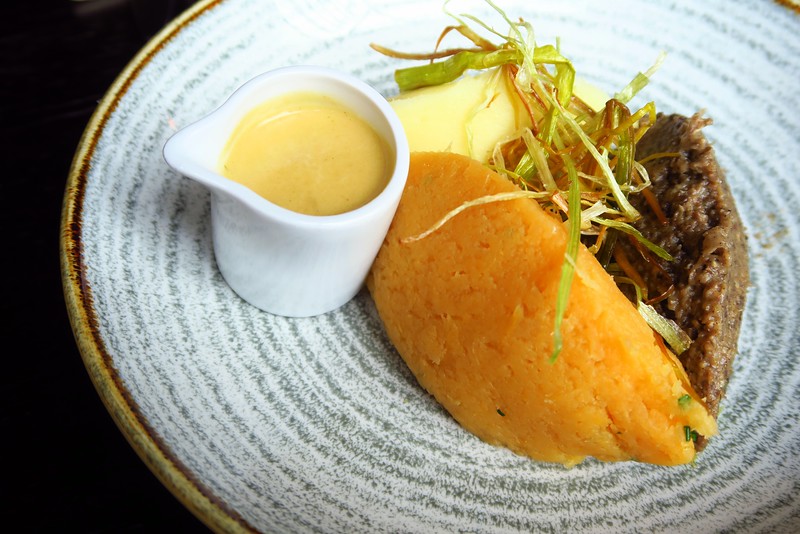
No Edinburgh trip feels complete without confronting haggis, neeps and tatties. One of our favourite places for the traditional plate was Whiski Rooms, which we visited on both trips. On the return visit we brought our friend Rob—a gregarious gent with endless travel stories and a willingness to participate in almost any questionable food decision.
Our first Scottish meal began with haggis spring rolls. We had eaten plenty of spring rolls across Thailand and Vietnam, but none packed with sheep’s offal. I liked them immediately and declared them my new favourite spring rolls while simultaneously trying not to remove the roof of my mouth with molten filling.
The main plate arrived with mashed neeps and tatties—turnips and potatoes—and a generous amount of gravy. The ingredients sound far more aggressive than the finished dish: sheep’s offal mixed with oatmeal, onions and spices. I normally find liver overpowering, but the mixture tasted rich, peppery and exactly right for a cold Edinburgh afternoon.
I liked it on the first bite. Audrey approached the situation with more caution.
Three years later, I returned with Rob and ordered haggis spring rolls, traditional haggis and vegetarian haggis. Audrey initially planned to remain safely behind the camera because she had not fallen in love with the original. The vegetarian version persuaded her back to the table.
Her review was beautifully direct: “It doesn’t taste like haggis, so I’m a happy girl.”
VIDEO: Eating Haggis, Neeps and Tatties for lunch in Edinburgh, Scotland
Traditional haggis has a consistency somewhere between porridge, stuffing and pâté. I described it as meat porridge, which Scotland will probably not be adopting as an international marketing slogan. Rob thought the flavour resembled Thanksgiving stuffing. We agreed on the important part: visitors should try it before deciding the ingredient list has already answered the question.
Whiski Rooms still serves Scottish dishes and vegetarian haggis, but menus change. Check the current Whiski Rooms menu instead of marching in with a decade-old screenshot and demanding historical pricing.
6) Investigate Edinburgh’s Deep-Fried Side
Rob and I also embarked on what we called a dirty dinner followed by an even dirtier dessert. Audrey displayed wisdom, restraint and perhaps basic survival instinct by declining the full mission.
We began with deep-fried pizza covered in salt, vinegar and brown sauce. It tasted as though pizza and fish-and-chip culture had collided inside industrial hot oil and decided not to apologise. Thick. Crispy. Greasy. Strangely compelling.
Then came the battered chocolate bars. Across two extremely scientific investigations we tried Mars, Snickers, Bounty and Twix. The chip-shop method was simple: coat the bar, fry it separately for two or three minutes, and let the batter crisp before the chocolate completely liquefies.
The Snickers won. Peanuts, caramel and melted chocolate benefited most from being imprisoned inside batter. This finding should not be interpreted as medical advice.
I said at the time that taking something unhealthy and making it even unhealthier had somehow improved the flavour. I stand by the tasting conclusion while distancing myself from the broader lifestyle strategy.
My recommendation: Try one. Share it. Have water nearby. Do not schedule a tasting menu afterwards or expect to feel especially athletic.
7) Tour the Palace of Holyroodhouse, Abbey and Gardens Together

The Palace of Holyroodhouse sits at the lower end of the Royal Mile and serves as the monarch’s official Scottish residence. We grabbed the included multimedia guide and worked through the state apartments and rooms associated with Mary, Queen of Scots at our own pace.
The palace, Holyrood Abbey and gardens belong together. Splitting them into three separate “things to do” may help inflate a numbered list, but it does not help somebody plan the visit. The roofless abbey was the part I found most atmospheric, while the gardens provided a welcome change after several ornate interiors.
Because Holyrood remains a working royal palace, opening arrangements can change. Check the Royal Collection Trust before building an inflexible morning around it. Visitors requiring accessibility support can book a free companion ticket.
Best pairing: Combine the palace with the lower Royal Mile and either Holyrood Park or Calton Hill. Adding Edinburgh Castle creates a very long day devoted to royal buildings, security lines and standing upright.
8) Climb Arthur’s Seat—Or Know Why You Are Skipping It
Arthur’s Seat is the major Edinburgh experience missing from our own two visits. We did not climb it. I am not going to retrofit a heroic summit memory because the article would look tidier if we had.
The extinct volcanic peak rises above Holyrood Park and gives a broader natural panorama than the central viewpoints. It is free and open around the clock, but it is not Calton Hill with extra branding. Paths can be uneven, exposed and slippery. Scottish weather is fully capable of changing its mind halfway up.
The Radical Road has experienced long-running closures because of rockfall risk. Check the official Holyrood Park information before choosing a route, wear proper shoes and do not invent your own shortcut across unstable ground.
Choose Arthur’s Seat when you want a proper outdoor walk and have weather, time and footwear on your side. Choose Calton Hill when you want the view without sacrificing half a day or testing your relationship with your knees.
9) Take the Short Climb up Calton Hill

Calton Hill is one of Edinburgh’s best effort-to-reward deals. Calling it a hike is flattering. The climb is short, the paths are straightforward and the summit produces views towards Edinburgh Castle, Arthur’s Seat, the Firth of Forth and the city almost immediately.
The hill also holds several of Edinburgh’s most recognisable monuments, including the Dugald Stewart Monument, Nelson Monument and the unfinished National Monument. The incomplete columns have been mocked as Edinburgh’s disgrace, but photographically they have enjoyed a much better career.
Go at sunrise, sunset or whenever the weather briefly stops behaving like weather. The top is exposed, and the wind can turn a casual ten-minute outing into a full Scottish facial treatment.
10) Make the National Museum of Scotland Your Rainy-Day Anchor
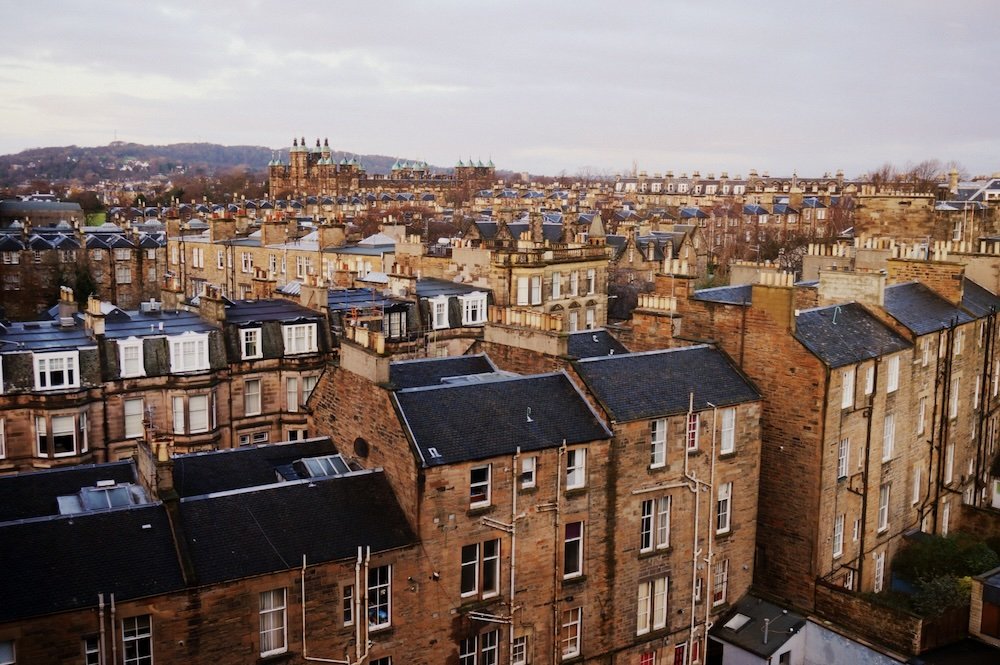
If you only visit one Edinburgh museum, make it the National Museum of Scotland. It became my favourite in the city because the collection is broad enough to occupy several hours without requiring you to possess a specialised passion for one dynasty, painter or collection of military buttons.
Dolly the sheep receives much of the attention, but the museum also covers Scottish history, archaeology, natural history, science, technology, design and world cultures. The Victorian Grand Gallery is impressive before you have examined a single object.
The tip we missed on our first trip is the Level 7 roof terrace. It offers one of Edinburgh’s most underrated free views, with the castle and Old Town roofline close enough to inspect rather than vaguely identify through haze.
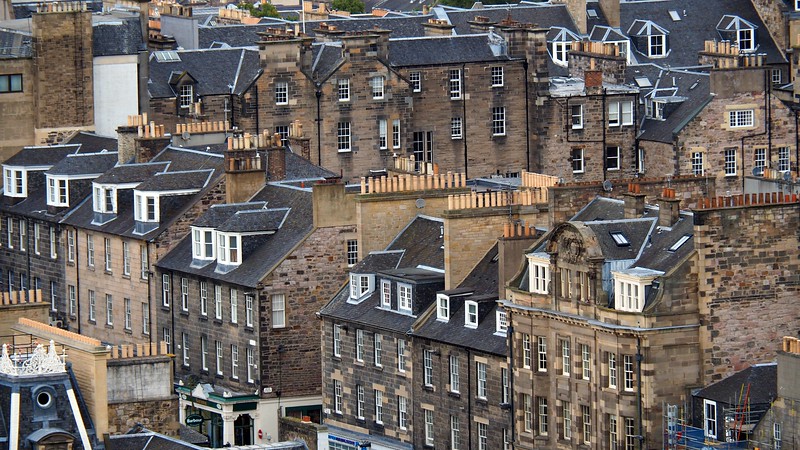
General admission is free. Special exhibitions may require tickets, and roof access can depend on conditions. Check the National Museum of Scotland visitor information.
11) Slow Down in Princes Street Gardens
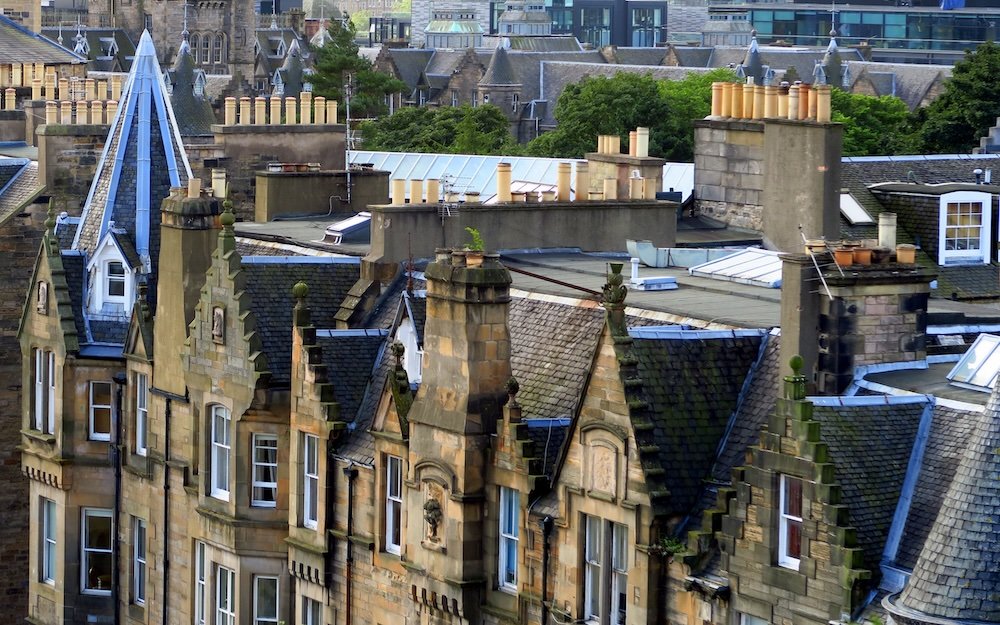
Princes Street Gardens is one of the best places to do absolutely nothing productive. Sit down. Eat something. Photograph the castle for the seventeenth time. Watch everyone else continue marching through their itinerary as though Edinburgh closes permanently at sunset.
The gardens occupy the former site of the Nor Loch, once a polluted defensive body of water. Today the green space forms the dramatic divide between the Old Town ridge and New Town.
This is not an attraction requiring a ninety-minute slot and three bullet-point objectives. It is a pause. Edinburgh itineraries improve considerably when rest stops are included deliberately instead of treated as evidence that you have failed at tourism.
Look south and the castle appears to rise almost vertically above the valley. Look north and the planned streets of New Town begin beyond Princes Street. Few free places explain Edinburgh’s geography so clearly while also allowing you to eat a sandwich.
12) Test Your Nerves inside the Scott Monument
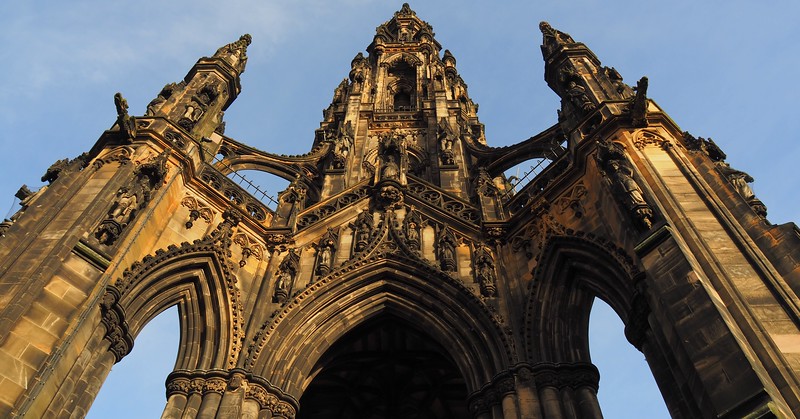
If you are afraid of heights, you may want to admire the Scott Monument safely from Princes Street Gardens. I am afraid of heights. Naturally, I climbed it anyway because travel videos have a way of turning basic self-preservation into negotiable policy.
The Gothic monument honours Scottish writer Sir Walter Scott and contains viewing platforms reached by increasingly narrow spiral stairs. The higher I climbed, the more intimate my relationship became with the stone wall.
The views over New Town, Waverley Station and central Edinburgh are excellent. So is the feeling of returning to ground level and pretending you were never worried.
This is not a universally sensible viewpoint. Claustrophobia, mobility limitations and a serious dislike of tight stairs are all valid reasons to choose Calton Hill or the museum roof instead. Check the official Scott Monument page because access to the upper levels has varied.
13) Visit Dean Village Before Everybody Else Arrives
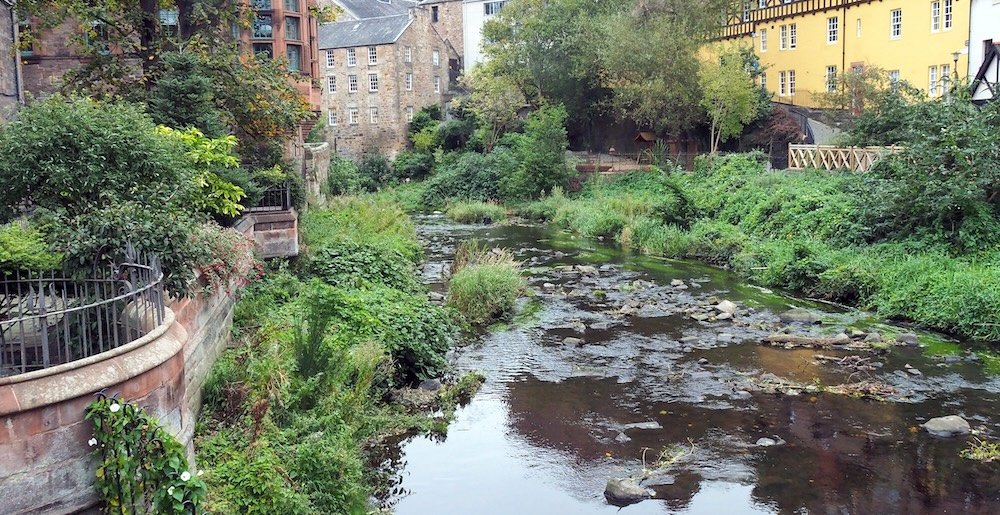
Dean Village may have been the most picturesque place we visited in Edinburgh. The Water of Leith, old mill buildings, bridges and greenery sit remarkably close to the centre, yet the area feels detached from the noise above.
We arrived early in the morning when almost nobody else was around and wandered with our cameras, snapping everything. It was calm, quiet and a welcome antidote to the Royal Mile.
The village is residential. People actually live behind those photogenic doors. Keep noise down, stay out of private courtyards and avoid blocking entrances while engineering the perfect social-media angle.
The visit improves when you continue along the Water of Leith instead of taking one photograph of Well Court and marching straight back uphill.
14) Continue along the Water of Leith to Stockbridge
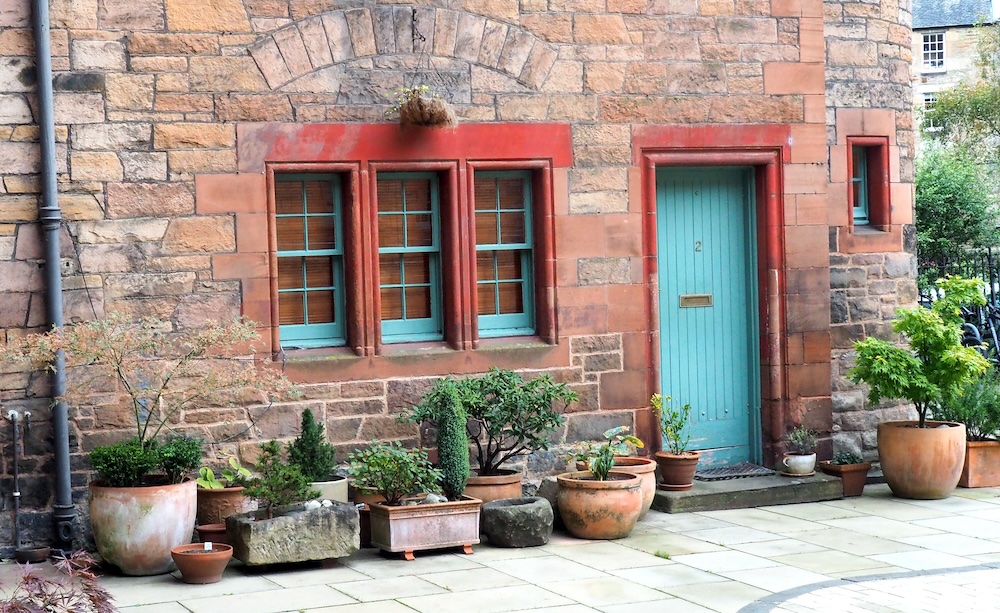
Dean Village makes more logistical sense when connected with the Water of Leith Walkway. The riverside route links neighbourhoods through a green corridor that feels far more secluded than its urban location suggests.
A relaxed half-day can begin around Dean Village, continue towards Stockbridge and end with coffee, lunch or the Sunday market when it is operating. Stockbridge adds Georgian streets, independent shops and a residential rhythm that the Royal Mile misplaced somewhere beneath the souvenir inventory.
This is a researched extension to our Dean Village experience. We did not personally test every bakery, market stall or cafe, so I am not going to tell you which croissant changed my life. The value is the route itself: scenery, food and neighbourhood atmosphere fit together without another major admission fee.
15) Wander the Royal Botanic Garden—But Check What Is Open
It began raining almost as soon as I visited the Royal Botanic Garden, which felt less like bad luck and more like Edinburgh maintaining brand consistency.
The outdoor grounds remain a worthwhile green escape within easy reach of New Town. More than seventy acres hold collections including the Rock Garden, Chinese Hillside, woodland and native Scottish plants.
The important update is that the public glasshouses, including the historic Palm Houses, remain closed during the Edinburgh Biomes restoration project at the time of this 2026 update. Older articles quoting a small glasshouse entry fee are no longer useful.
Check the Royal Botanic Garden Edinburgh for current access. Even without the glasshouses, the grounds work well as a slower outing paired with Stockbridge—assuming the rain has not escalated from atmospheric drizzle to horizontal assault.
16) Wander through the Closes of Old Town
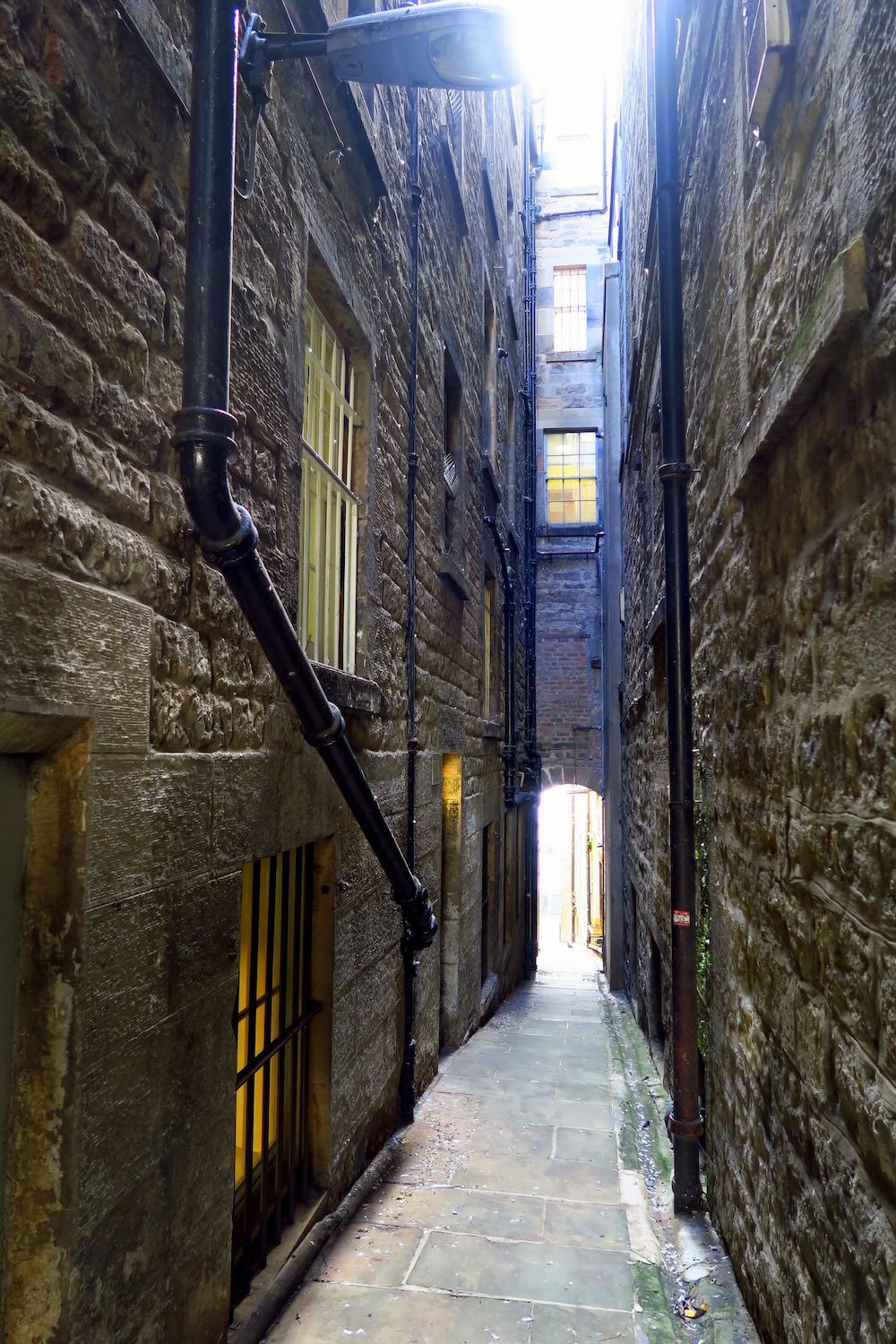
The closes are where Old Town begins revealing itself beyond the Royal Mile frontage. Narrow passages disappear between buildings and lead into courtyards, steep staircases, lower streets and occasionally somewhere that makes you wonder whether you have wandered into private property.
Many were named after residents, trades or landmarks. Anchor Close, Advocate’s Close, Carrubber’s Close and Bakehouse Close each offer a different glimpse into Edinburgh’s vertical and slightly chaotic urban history.
The Real Mary King’s Close is different. It is a ticketed guided attraction beneath the Royal Mile rather than a public lane you casually wander into while avoiding a tour group. Book ahead when the underground history matters to you.
Otherwise, leave time to investigate public closes with no larger objective. Some of the best Edinburgh moments involve walking down a passage simply because it looks interesting.
17) Step inside St Giles’ Cathedral

The crown steeple of St Giles’ Cathedral is one of the Royal Mile’s defining landmarks. Also known as the High Kirk of Edinburgh, the church has been entangled with the city’s religious and civic history for centuries.
Inside, stained glass, stone vaulting and the elaborate Thistle Chapel offer a useful break from street noise. It is still an active place of worship, not an ornate waiting room for tourists, so services and events take priority.
Admission is supported through donations, and smartphone audio tours are available. A Saturday quiet hour reduces sensory stimulation. Check the official visitor information for current hours and tours.
18) Pick a National Gallery Instead of Collecting Them All
Edinburgh has several national art venues. They are not interchangeable rainy-day warehouses, and you do not receive a medal for visiting all of them while exhausted.
- Scottish National Gallery: the easiest central choice for historic Scottish and international art beside Princes Street Gardens.
- Scottish National Portrait Gallery: best for Scottish people, identity and history inside an impressive neo-Gothic building on Queen Street.
- Modern One and Modern Two: better for modern and contemporary art, sculpture grounds and a quieter outing west of the centre.
The permanent collections are generally free, while special exhibitions may be ticketed. Choose according to what you enjoy. An hour spent looking closely is better than four hours marching past art because an itinerary told you culture was happening.
19) Eat Your Way through Edinburgh on a Food Tour
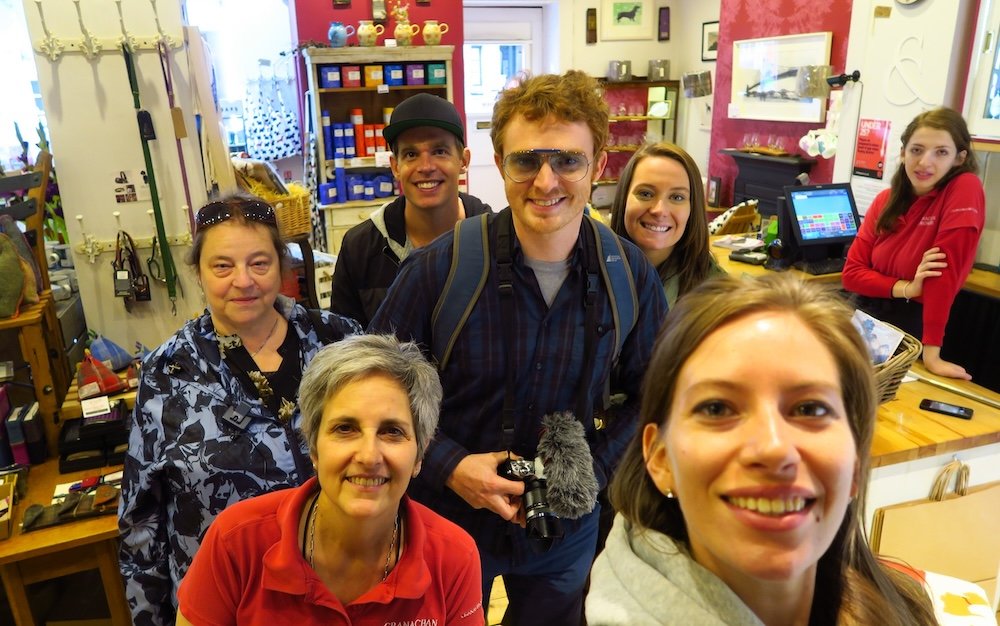
If eating is one of your primary travel skills, Edinburgh supports it rather well. We joined Eat Walk Edinburgh with Rob, moving between Old Town and New Town while learning enough history to describe the day as educational rather than continuous snacking.
The tour began with haggis for breakfast and a Virgin Mary because 10 a.m. felt early for alcohol. Our guide handed out earpieces, making us look like low-budget secret agents whose mission involved locating cheese.
Stops included venison with spicy Ooft! sauce, Orkney smoked cheddar dipped in whisky chocolate, fudge, Scottish tablet, Campbeltown whisky, Scandinavian-Scottish food, herring and beetroot salad, beer and more cheese.
The Fudge House presented my greatest challenge. I have an on-demand sweet tooth, and choosing one bar from a wall of flavours felt more consequential than several major travel decisions.
Our tactical error came when we assumed one substantial meal was the final stop and ate accordingly. It was not. More food appeared. The tour had not misled us; we had simply underestimated the logistical depth of the eating programme.
VIDEO: Scottish Food and Edinburgh city tour in Scotland
Eat Walk Edinburgh currently describes a tour of roughly three to three-and-a-half hours with four restaurant and pub stops. Venues rotate. Our video records what we ate during our visit, not a legally binding promise that the same cheese awaits you.
For the longer version of our whisky, gin and culinary adventures, read our separate Edinburgh food and drink tours guide.
20) See What Contemporary Scottish Dining Can Do at Timberyard
Edinburgh’s food scene is not limited to haggis, pies and battered objects. On our autumn return, we arrived from Inverness, dropped our bags and went almost directly to Timberyard for a four-course pairing built around local, seasonal ingredients.
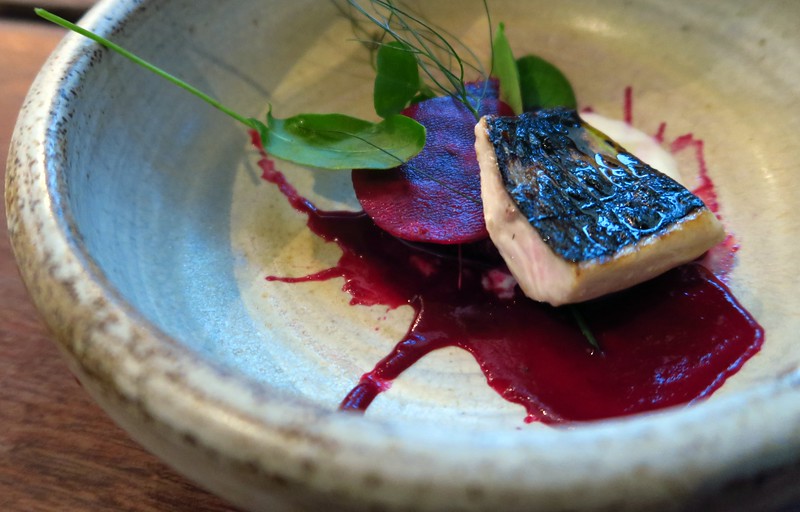
We started with beetroot and mackerel, followed by scallops. I ordered lamb while Rob chose sea trout. His fish looked excellent, but the way he stared at my lamb suggested immediate regret. I declined to share. Friendship is important, but so is lamb.
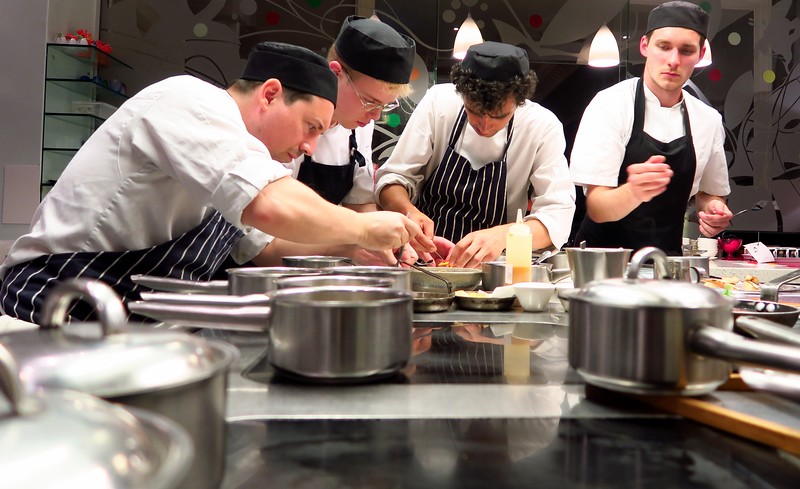
Timberyard has since earned a Michelin star and received a Michelin Green Star in 2026 for sustainability. It continues to focus on seasonal Scottish produce, wild meat, responsibly sourced seafood and vegetarian cooking. Book ahead and expect the exact menu to change.
We also ate at the late Paul Kitching’s 21212 and visited its kitchen. The restaurant closed in 2023 after his death. That meal remains part of our Edinburgh story, but readers cannot book it now and I refuse to pretend otherwise for the sake of a cleaner recommendation list.
See the current format on the Timberyard website.
21) Sample Edinburgh Gin—But Expect a Different Venue
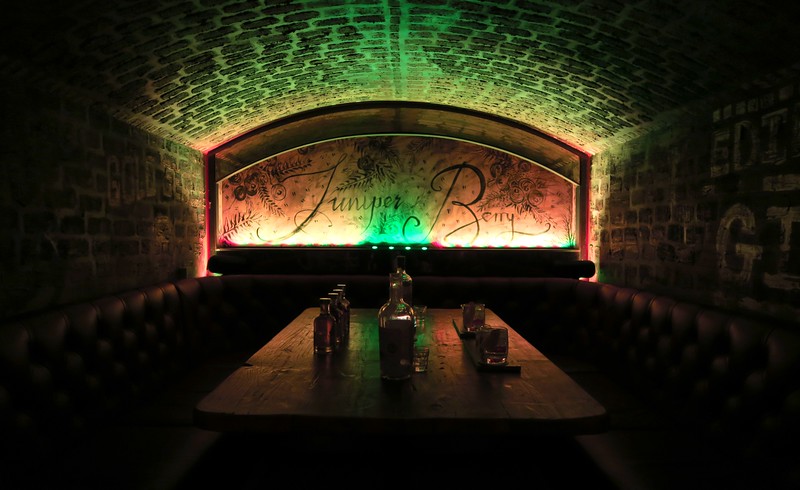
Our Edinburgh Gin experience involved a cosy, dimly lit den, an entertaining history lesson and enough sampling to alter the quality of our commentary as the afternoon progressed.
We began responsibly with gin and tonic garnished with orange peel. Then Cannonball arrived. At 57.2%, the navy-strength gin was the strongest I had tried. We described it as “military grade,” which was not technically useful but felt increasingly accurate after the first sip.

VIDEO: Visiting Edinburgh Gin Distillery Tour in Scotland
The visitor experience has moved since our trip. Edinburgh Gin now operates tours at The Arches, a newer distillery, bar and visitor centre. Our photographs and video document the former gin den rather than the venue you will see today.
Check current tours and age requirements directly through Edinburgh Gin. Eat beforehand and know how you are returning to your accommodation. Our post-tasting plan involved stumbling back to the hotel, taking a nap and somehow locating room for dinner. We were apparently capable of holding both thoughts simultaneously.
22) Enjoy Edinburgh Nightlife without Treating It as an Athletic Event
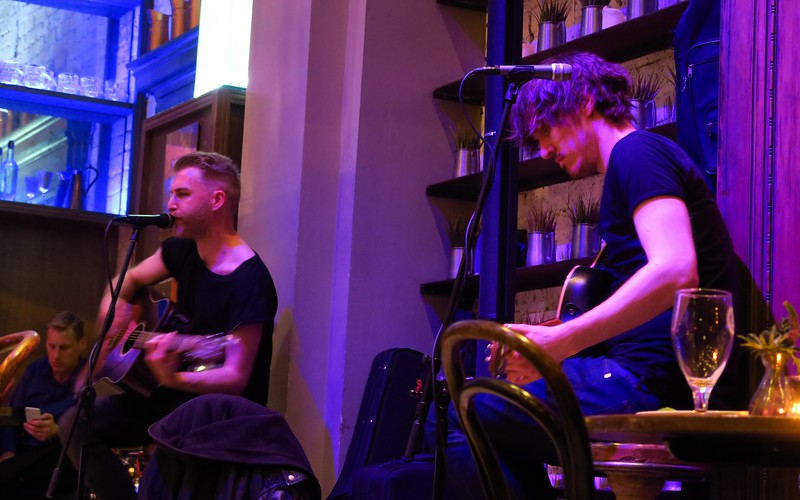
Edinburgh nightlife ranges from old pubs and traditional music to whisky bars, cocktails, student venues, live bands and ceilidhs. There is something for almost everybody, including travellers who would rather listen to music over one pint than begin a seven-hour assault on Cowgate.
The best evenings usually have a loose shape. Start somewhere quiet enough to talk. Move to a bar specialising in whisky, gin or beer. Finish with live music if the mood and your remaining energy agree.
Old Town offers density and historic atmosphere. New Town feels more polished. Leith works particularly well when dinner is the centrepiece.
Remember the hills. Walking downhill towards the first pub feels effortless and intelligent. Climbing back after midnight reveals the hidden terms of the agreement. Night buses, black cabs and rideshares are not admissions of defeat.
23) Experience Edinburgh at Christmas
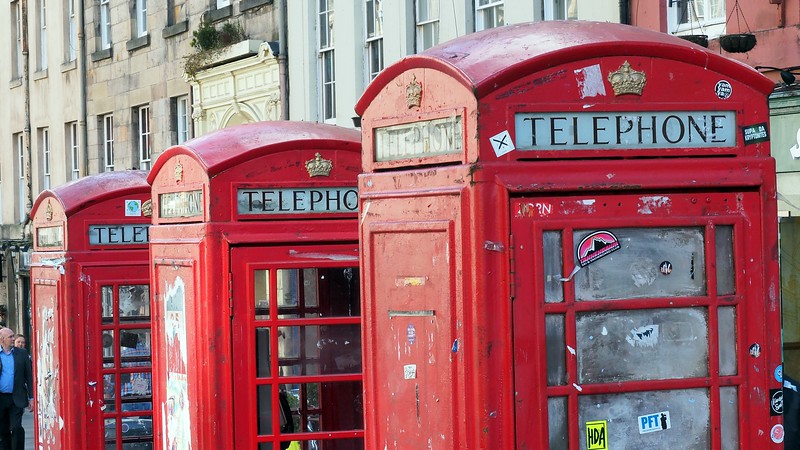
Our first Edinburgh visit came after travelling from Chiang Mai. One look at the amount of clothing we were wearing made it clear that Southeast Asia had released us back into winter.
We were still learning how to pronounce Edinburgh without announcing our Canadian origins during the first syllable. I also abandoned my normal hat for a proper Scottish winter trapper and announced that I fit in because of the city’s impressive number of ginger sightings. Cultural integration was moving quickly.
We found phenomenal castle views near Granny’s Green Steps, soaked up the festive atmosphere and rode a temporary Christmas Ferris wheel despite both of us disliking heights. Audrey admitted she was scared before we reached the top. I was also scared, but holding a camera apparently converted fear into content.
We used up most of our courage points during that ten-minute ride.
Markets, rides and festive installations change every year. Do not build a future trip around the exact Ferris wheel in our old video. What survives is the atmosphere: early darkness, illuminated streets, cold wind, warm pubs and heavy food suddenly feeling medically necessary.
24) Attend Edinburgh’s Hogmanay
We came to Edinburgh specifically for Hogmanay, and it became the largest New Year celebration I had attended. The streets filled with live music, bagpipes and costumes including Power Rangers, Teletubbies and bananas. Apparently formal wear had been abandoned by mutual agreement.
The countdown and fireworks delivered the enormous communal moment we had hoped for. Hogmanay, however, is not a normal winter city break with fireworks casually added. Central accommodation becomes expensive. Major events are ticketed. Crowd controls affect movement. Transport requires forethought.
The 2026–27 festival is scheduled from December 29, 2026 through January 1, 2027, beginning with the Torchlight Procession and continuing through New Year’s Eve and New Year’s Day programming. Future formats will change, so consult the current Edinburgh’s Hogmanay programme.
Plan for: cold weather, security queues, long periods outside, pre-booked transport and a meeting point that does not depend on everybody having a functioning phone signal inside a huge crowd.
25) Watch—or Join—the Loony Dook on New Year’s Day
On New Year’s Day we travelled to South Queensferry for the Loony Dook, a gloriously strange tradition involving costumed people entering the freezing Firth of Forth while raising money for charity.
One participant wrapped himself in bubble wrap and nearly floated away before the rescue team retrieved him. That is not a sentence I expected to write when planning a Scotland trip.
It remains one of the coolest, craziest events I have watched. I was also extremely pleased to remain dry behind the camera while participants emerged from the water looking as though they had briefly seen the afterlife.
The Loony Dook’s relationship with the official Hogmanay programme has changed since our visit, and community-led arrangements now need to be checked separately. Do not assume a Hogmanay ticket includes entry or transport. If you participate, follow the organisers’ safety instructions rather than trusting a costume made of household packaging.
Extra Edinburgh Experiences Worth Adding with More Time
Leith and The Shore
Leith gives Edinburgh a different personality: historic port architecture, waterfront walking, independent businesses and one of the city’s strongest restaurant concentrations. It makes particular sense for return visitors or anyone whose itinerary has quietly become a food holiday.
The tram normally links central Edinburgh with Leith and Newhaven, although works and disruptions can alter patterns. Give the area a half-day or evening. Treating Leith as a twenty-minute side mission before another Old Town ticket misses the point.
Royal Yacht Britannia
We did not visit the Royal Yacht Britannia, so this is a researched option rather than a suddenly recovered royal-yacht memory.
The ship is berthed at Ocean Terminal in Leith. Its five visitor decks are connected by a central lift, making it considerably more accessible than many historic Edinburgh attractions. Allow roughly two hours.
Britannia is included in the Royal Edinburgh Ticket alongside Edinburgh Castle, the Palace of Holyroodhouse and hop-on, hop-off buses. See the official Britannia visitor information.
Portobello Beach
Portobello offers a beach, promenade and a more residential version of Edinburgh. It is not where I would send somebody with only two days, but it works for longer summer stays, families or anyone who has reached saturation point with stone buildings and royal ticketing systems.
Edinburgh as a Base for Day Trips
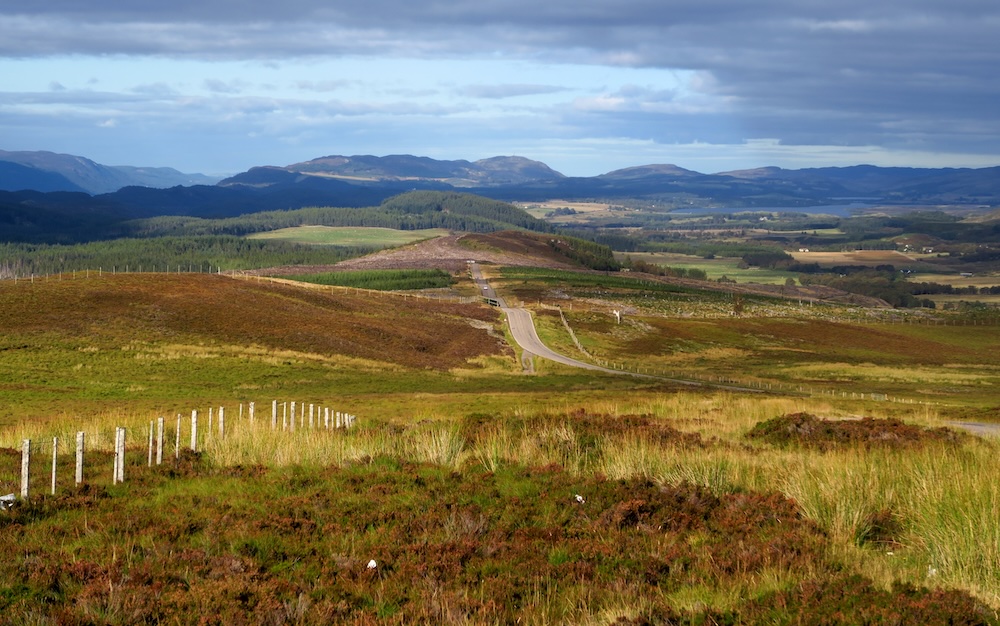
With five days or more, Edinburgh can support day trips to St Andrews, the East Neuk of Fife, Stirling or selected Highland destinations.
The main mistake is booking a fourteen-hour Highlands coach tour for the morning after arrival and leaving only two rushed days for Edinburgh. Scotland is large. Your holiday does not become more successful merely because you viewed more of it through a bus window.
Which Edinburgh Viewpoint Should You Choose?
Edinburgh has enough viewpoints that “go somewhere high” is not useful planning advice. Choose according to your knees, budget, weather and tolerance for tiny spiral staircases.
| Viewpoint | Effort | Cost | Best reason to choose it | Main limitation |
|---|---|---|---|---|
| Calton Hill | Low to moderate | Free | The fastest panoramic payoff in central Edinburgh | Exposed to wind and busy near sunset |
| National Museum roof | Low | Free | Excellent close view over Old Town and the castle | Roof access can be weather-dependent |
| Edinburgh Castle | Moderate | Paid | Views combined with the city’s defining attraction | Cobbles, crowds and a substantial ticket price |
| Scott Monument | High stair effort | Paid when upper access operates | Central bird’s-eye views over New Town | Narrow spiral stairs and poor accessibility |
| Arthur’s Seat | Highest | Free | The broadest natural panorama and a genuine outdoor walk | Uneven terrain, exposure and weather risk |
| The Vennel and Granny’s Green Steps area | Low to moderate | Free | A classic framed photograph of Edinburgh Castle | A viewpoint rather than a full attraction |
| Dean Village | Low | Free | Water, bridges and historic architecture | Not a skyline panorama |
Calton Hill is my easiest all-round recommendation. The museum roof works for travellers who dislike exposure or want a free view attached to an excellent indoor attraction. Arthur’s Seat is the choice when the walk itself matters as much as the panorama.
Best Time to Visit Edinburgh
Edinburgh changes dramatically with the calendar. A quiet autumn morning in Dean Village and an August afternoon on the Royal Mile barely feel like the same destination.
Spring: Longer Days without Festival Bedlam
Spring suits gardens, viewpoints and walking-heavy days. The weather remains unreliable because Edinburgh has standards to maintain, but daylight improves and demand is usually less punishing than August.
We did not document a spring visit, so this is researched seasonal guidance rather than personal testimony about blossoms, temperatures or life-changing April scones.
Summer: Festivals, Long Days and Very Little Spontaneity
August is Edinburgh turned up until the knob comes off. The 2026 Festival Fringe runs from August 7 to 31, while the Royal Edinburgh Military Tattoo is scheduled from August 7 to 29. Performers, temporary venues, street entertainment and visitors take over the centre.
Come in August when the festivals are the reason for the trip. Avoid it when you mainly want quiet architecture, spontaneous restaurant choices and hotel prices that do not cause involuntary laughter.
Book accommodation, castle tickets and meaningful meals early. Check the current programmes through the Edinburgh Festival Fringe and Royal Edinburgh Military Tattoo.
Autumn: The Balance We Enjoyed Most
Our return visit took place in autumn. Compared with Hogmanay, the milder weather let us spend more time outside and explore well beyond the main sights without feeling that darkness was closing the working day at 3:45.
Festival crowds had eased, walking remained comfortable and comfort food was becoming seasonally respectable. Whisky and dimly lit pubs no longer felt like indulgences. They felt like climate adaptation.
Winter: Short Days, Festive Lights and Proper Cold
Winter gave us Edinburgh at its most theatrical: festive streets, hot toddies, Hogmanay fireworks and the Loony Dook. It also gave us cold wind, limited daylight and a strong desire to alternate every outdoor activity with something edible indoors.
The 2026–27 Hogmanay programme runs from December 29 through January 1. Christmas markets and installations change annually, so verify the year instead of assuming an old Ferris wheel is waiting faithfully for your return.
| Season | Best for | Main trade-off | Our evidence |
|---|---|---|---|
| Spring | Gardens, walking and moderate demand | Variable weather | Researched |
| Summer | Fringe, Tattoo and long evenings | Crowds, prices and advance booking | Researched |
| Autumn | Food, neighbourhood walks and a calmer centre | Cooling weather and shorter days | Firsthand full-week visit |
| Winter | Christmas atmosphere and Hogmanay | Cold, darkness and holiday demand | Firsthand visit |
How Many Days Do You Need in Edinburgh?
Two days delivers the headline version. Three days is the practical minimum I would recommend. Four or five lets Edinburgh stop feeling like a competitive walking event. A full week gives you neighbourhoods, food experiences, festivals or one day trip without gutting the city portion.
Two Days in Edinburgh: The Essentials
- Day 1: Edinburgh Castle, Castlehill, the Scotch Whisky Experience or a walking tour, the Royal Mile, St Giles’ Cathedral and the closes. Finish with haggis or a pub meal.
- Day 2: National Museum of Scotland, Palace of Holyroodhouse, then choose Calton Hill or Arthur’s Seat according to weather and energy. Spend the evening in New Town or Old Town.
This is a busy itinerary. Do not tack on Dean Village, Leith, three galleries and a late whisky tasting because the map makes Edinburgh look compact. The map has not climbed the stairs.
Three Days in Edinburgh: The Best First-Visit Shape
- Day 1: Castle and upper Old Town.
- Day 2: Museum, lower Royal Mile, Holyrood and a viewpoint.
- Day 3: Dean Village, Water of Leith, Stockbridge and either the Botanic Garden or National Galleries. Reserve the evening for a food tour, whisky session or special dinner.
Three days gives the city enough room to breathe while still keeping the major attractions in play.
Five Days in Edinburgh: Add Neighbourhood Depth
With five days, add Leith and The Shore, Royal Yacht Britannia when it interests you, a dedicated gallery visit and enough unclaimed time to return somewhere instead of treating every district as cleared territory.
A full food tour and a separate whisky or gin experience now fit comfortably. Combining all of them into one day turns cultural research into digestive warfare.
Seven Days in Edinburgh: The Pace We Enjoyed
A week gives you weather flexibility. Save Arthur’s Seat for a clear morning. Move the National Museum into a wet afternoon. Give Leith an evening. Add one day trip without compressing Edinburgh into the exhausted margins.
Leave one half-day largely empty. Edinburgh is good at rewarding the point when you stop following a list and enter a close, cafe, pub or viewpoint simply because it catches your attention.
Where to Stay in Edinburgh
There is no universal best neighbourhood. Edinburgh forces trade-offs between atmosphere, quiet, restaurants, transport and the amount of uphill luggage dragging you are willing to tolerate.
| Area | Best for | Advantages | Trade-offs |
|---|---|---|---|
| Old Town | First visits and short stays | Castle, Royal Mile, tours and historic atmosphere at the door | Hills, cobbles, crowds and potential night noise |
| New Town | Couples, dining and central convenience | Restaurants, bars, transport and a more orderly street plan | Less medieval drama and some busy commercial streets |
| West End / Dean | Longer stays and quieter evenings | Leafier setting, Water of Leith and gallery access | Fewer major attractions immediately outside |
| Stockbridge | Neighbourhood atmosphere and cafes | Independent businesses, market and Botanic Garden access | Less convenient for very early Old Town tours |
| Leith / The Shore | Food-focused return visitors | Waterfront dining, Britannia and tram connections | Requires travel to the castle and upper Old Town |
| Southside / Newington | University atmosphere and value hunting | National Museum and Arthur’s Seat access | Not as immediately picturesque as the historic core |
Hotel prices swing brutally with weekends, August festivals and Hogmanay. Use the neighbourhood table first, then compare current Edinburgh accommodation on Booking.com by exact map position, recent reviews, lift access, soundproofing and cancellation terms. “Central” is not especially helpful when the final 500 metres involve luggage, stairs and rain.
The Edinburgh Visitor Levy from July 2026
For qualifying stays beginning on or after July 24, 2026, Edinburgh applies a visitor levy equal to 5% of the accommodation cost before VAT, charged on the first five nights. It covers paid stays including hotels, hostels, B&Bs, apartments and campsites.
Bookings made and at least partly paid before October 1, 2025 are exempt. The levy should appear separately rather than materialising as an unexplained surprise at checkout. Verify the rules with the City of Edinburgh Council.
I cannot identify our old accommodation confidently enough to turn it into a hotel recommendation. The neighbourhood advice above is researched planning guidance, not a disguised review of somewhere we have forgotten staying.
Getting to Edinburgh and Around the City
From Edinburgh Airport
The airport tram normally connects Edinburgh Airport with Haymarket, Princes Street, St Andrew Square, Leith and Newhaven. The Airlink bus provides another direct central option. Pick according to your accommodation rather than assuming one is always faster.
Neither option guarantees a graceful final arrival in Old Town. The last stretch may still contain hills, stairs and cobbles. Check the route from the stop to the actual front door before arriving with luggage heavy enough to require its own travel insurance.
Arriving by Train
Waverley Station sits between Old Town and New Town and works well for most central stays. The inconvenient part is that “between” also means below portions of both. Leaving towards the Royal Mile can involve a climb, while Princes Street becomes busy almost immediately.
Haymarket may be better for West End accommodation and western connections. Check the hotel location before reflexively choosing Waverley simply because it is the more famous station.
Walking
Walking is the default and usually the best way to experience central Edinburgh. It is free, flexible and exposes details that vanish from a vehicle.
It is also tiring. Wear shoes with grip, assume rain is possible and remember that the shortest route may conceal several flights of stairs. Edinburgh regards straight lines as a suggestion.
Buses and Trams
Lothian buses cover Stockbridge, the Botanic Garden, Portobello, Southside and the wider city. The tram is most useful along its airport-to-Newhaven corridor.
Contactless fare capping works best when you use the same card or device. On buses, tap when boarding. On trams, validate according to the current system before travel. Do not switch casually between a physical card and the same card stored on your phone and then wonder why the machines have interpreted you as two different people.
Fares and services change. Check Lothian Buses and Edinburgh Trams instead of trusting a fixed fare preserved in an old blog post.
Taxis and Driving
Black cabs and app-based rides are useful after late dinners, tastings, heavy rain or the moment your legs announce that the sightseeing day has ended regardless of editorial plans.
Renting a car rarely helps inside central Edinburgh. Parking is limited, streets are awkward and the medieval road network was not designed around visitors circling repeatedly while arguing with navigation software.
Edinburgh Accessibility: Compact Does Not Mean Easy
Edinburgh is compact, but that does not make it physically easy. Hills, cobbles, historic stairs, uneven park paths and old buildings create genuine barriers.
- Edinburgh Castle: steep cobbled approach, although mobility vehicles and wheelchairs are available and access staff can assist.
- Scott Monument: narrow spiral stairs make upper access unsuitable for many visitors.
- Arthur’s Seat: uneven outdoor terrain and exposure require realistic assessment.
- Museums and national galleries: generally among the easier major attractions, with lifts and accessible facilities.
- Public transport: Lothian buses have wheelchair spaces and ramps, while tram stops provide level or ramped access.
- Royal Yacht Britannia: all five visitor decks are connected by a central lift.
New Town is often easier than the steepest Old Town routes, but accessibility varies building by building. A beautiful Georgian townhouse can still hide enough stairs to qualify as a fitness programme.
Confirm step-free access directly with accommodation and attractions. “Lift available” does not always mean every room, entrance or public space can be reached without additional steps.
Are Edinburgh Attraction Passes Worth It?
A pass can save money. It can also encourage a deranged itinerary where you race between attractions solely to defeat the arithmetic.
The Royal Edinburgh Ticket combines Edinburgh Castle, the Palace of Holyroodhouse, Royal Yacht Britannia and three hop-on, hop-off bus routes. It suits first-time visitors who genuinely intend to visit all three paid attractions within the validity period.
- A pass is more likely to work when: you want several included paid attractions, appreciate sightseeing transport and have organised the days efficiently.
- A pass is less likely to work when: your itinerary centres on free museums, Dean Village, Calton Hill, long meals and one paid attraction per day.
Check the exact inclusions, reservation rules and current price through the official Edinburgh city-pass overview. Never buy a pass first and design an exhausting itinerary afterwards merely to justify it.
Common Edinburgh Planning Mistakes
Underestimating the Hills
Edinburgh looks small because the major attractions sit close together on a flat digital map. The stairs, bridges and elevation do not reveal themselves until your body becomes involved.
Alternate hard walking with museums, meals and transport. There is no prize for completing every route on foot while progressively resenting the city.
Only Eating on the Royal Mile
The Royal Mile is convenient and occasionally excellent, but it is not Edinburgh’s entire food scene. New Town, Stockbridge, Leith and quieter Old Town streets offer more variety and fewer restaurants depending entirely on passing foot traffic.
Trying to Combine the Castle and Arthur’s Seat Casually
Both require more time and energy than the map suggests. They can share one ambitious day, but most travellers will enjoy them more when separated.
Treating August like a Normal City Break
August Edinburgh requires different accommodation timing, restaurant bookings, budgets and crowd tolerance. Decide whether the festivals are the purpose before choosing those dates.
Booking Too Many Alcohol Experiences Together
Whisky, gin, pub nights and food tours all deserve their own space. Compressing them into one heroic day does not demonstrate cultural commitment. It demonstrates that your itinerary needs adult supervision.
Assuming Every Old Recommendation Still Exists
Restaurants close. Tours move. Festival programmes change. Restoration work affects access. Our 21212 meal is now history, Edinburgh Gin has moved and the Botanic Garden glasshouses remain closed during restoration.
Verify anything that would materially damage the trip if unavailable. A travel guide should help you plan, not preserve every old detail in amber and hope nobody checks.
Edinburgh Travel Guide FAQ
Is three days enough for Edinburgh?
Yes. Three days can cover the castle, Royal Mile, National Museum, Holyrood, one viewpoint and one neighbourhood or food experience without turning the visit into punishment. Four or five days gives you room for Dean Village, Stockbridge, Leith and slower meals.
Is Edinburgh Castle worth the ticket price?
For a first visit, I think so. The castle contains several buildings, museums, royal displays and viewpoints rather than one interior. Book a timed ticket and allow enough time to explore it properly. Paying the price and then sprinting through the Crown Jewels is the least satisfying version.
Is Edinburgh easy to explore without a car?
Yes. Walking, buses, trams and taxis cover almost everything a visitor needs. A car usually adds parking costs, navigation stress and the exciting possibility of repeatedly passing the same one-way street.
Should I stay in Old Town or New Town?
Choose Old Town for maximum atmosphere and immediate castle and Royal Mile access. Choose New Town for restaurants, transport, broader streets and somewhat calmer evenings. Neither is universally better; the question is whether you value medieval drama or practical balance more.
What should I book ahead?
Book accommodation, Edinburgh Castle, popular whisky and food experiences, special restaurants and all meaningful Fringe, Tattoo or Hogmanay events. Free museums, Dean Village and outdoor viewpoints can usually remain flexible.
Is Edinburgh suitable for travellers with limited mobility?
Yes, but it requires planning. Hills, cobbles and historic stairs create real obstacles. Choose accommodation with confirmed step-free access, use buses and taxis to avoid the steepest routes and build days around museums, galleries and attractions with detailed accessibility information.
Is haggis really worth trying?
Yes. The ingredients sound more alarming than the finished flavour. Well-made haggis with neeps, tatties and gravy is rich, peppery and comforting. Start with a small portion or haggis spring rolls when you remain suspicious. Vegetarian haggis is also widely available and received Audrey’s approval precisely because it did not taste like the original.
Final Thoughts on Visiting Edinburgh
Edinburgh became one of our favourite European cities because it supported two completely different trips. Winter gave us Christmas lights, our first haggis, Hogmanay fireworks and people entering freezing water in costume. Autumn gave us a full week of castles, galleries, neighbourhood walks, whisky, gin, modern Scottish dining and enough deep-fried food to restore respect for vegetables.
The famous attractions deserve their reputation, but the city works best when you move between scales: castle ramparts, tiny closes, a museum roof, a quiet riverside village, a plate of haggis and a pub evening with no ambitious conclusion.
Give Edinburgh at least three days. Group the city geographically. Book the decisions that matter. Leave room for weather, appetite and fatigue to rewrite the plan, because they will.
You will remember how Edinburgh felt more than how efficiently you completed it.
Have you visited Edinburgh? Is there a neighbourhood, viewpoint, meal or experience we missed? Leave it in the comments. At minimum, Rob and I will feel less alone in our deep-fried choices.
This trip was part of a partnership with VisitBritain and iambassador. The experiences, food reactions, whisky failures and opinions described as firsthand are our own. Current hotel and tour suggestions are research-based unless explicitly described as part of our trip. Some Booking.com and GetYourGuide links may earn us a commission at no additional cost to you.
Thank you very much for sharing this trip. It is a very useful to travel blog history for tourists.
Nice pack of useful tips. We are planning to visit Scotland on our next trip and it helped a lot. Thanks! 🙂
Edinburgh is one my bucket list, but I would never have thought that it’s such a great destination for foodies. Probably because I’m thinking more about pubs and clubs rather than enjoying some delicious dishes in a restaurant. Also, the tips for things to do in Edinburgh are also very useful.
Really informative and handy tips , thanks for sharing , i will use them on my next trip to Edinburgh
Regards
Usman
Edinburgh has always been on my bucket list and your photo essay makes it even more desireable, definitely want to visit sooner than later.
very useful information.thanks for sharing this.
Beautiful article Scotland is a place that I want to know must still be incredible. Thank you for sharing the experience.
The castle of endinburgh is very beautiful!
This is great. I am housesitting for two weeks in Dunfermline and plan on taking a lot of day trips to Edinburgh and other parts of Scotland. This has given me a few things to add to my list!
Edinburgh is possibly one of my favourite cities in Europe. Looks like you had an amazing time!
Everything looks great! Thank you so much for sharing it.
Thanks for Guide for travel
Nice Post thank you for sharing it..
Amazing post…. you explore your experience very well. So stunning pictures you shared. I like your blog post. It very interesting post. thank you so much for sharing it………..
Very good