
One of the best places for teaching English overseas is the small but spectacular island-nation of Taiwan. For those of you who don’t know, and often confuse Taiwan with Thailand or some place in China, the country is located 60 km (99 miles) from China, across the Taiwan Strait. After living in Taiwan for a little over two years, I fell in love with the beautiful island. Taiwan is so much more than a high-tech urban jungle that exports products to the U.S. And Canada; it’s a multi-faceted nation that will appeal to the most adventurous of travelers. But first—let’s talk about teaching/living here and what you can expect.
Why Teach English in Taiwan?
This is a guest post by the talented travel blogger Rhonda Mix.
How does one find a job in Taiwan?
Avoid recruiters/placement agencies if at all possible. While some of them are legit, the majority of these headhunters place teachers in shady schools with equally shady contracts. Naively, I made the mistake of signing on with one such school through a recruiting agency while I still remained in the U.S. I stayed at the school for only a couple of months before finding a much better job on my own after I discovered the school ran on unscrupulous business practices. Word of advice? Secure a 90 day tourist Visa and look for jobs to begin the ARC process asap when you arrive in the country. Visit the schools, talk to the employees, do online research on bulletin boards and forums. One of the best places to find legitimate jobs is Tealit.com. During my two years living in Taiwan I worked for two wonderful schools I found through this site.
Though the pay is not quite as high as Korea, most English teachers can expect to live comfortably and save at the same time due to the low cost of living. An average starting salary is around 60,000 NT per month (about 1,933.55 U.S. Dollars). Apartments are fairly cheap depending on where you choose to live and some schools offer subsidized living as part of the employment agreement. Some schools offer a bonus and/or flight home as a reward for completing the duration of your contract.
The hours and days you work will vary from school to school so this is important to understand when looking for a job. Some schools will offer weekends off while others require working weekends, various shifts, and even traveling to various branches of the school. Another reason why it’s critical to do your research before signing a contract.
What’s teaching in Taiwan like?
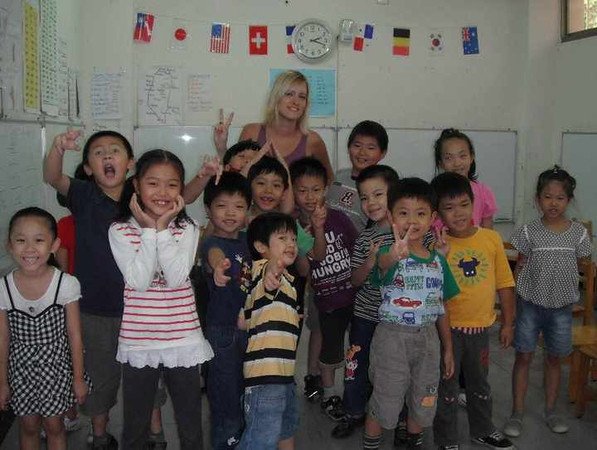
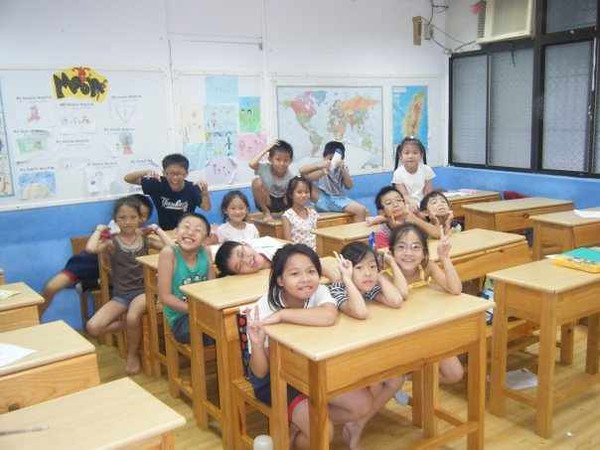
I really enjoyed teaching ESL in Taiwan. My personal favorites were the little kids—these kids came in knowing absolutely nothing and I started them on the basics, such as ABC’s. By the end of the year they were reading short books and sending me text messages on my phone. With this age group a lot of drawing, miming, acting, music, and flash cards will come in handy. I also taught grade-school and junior high aged students. These students were a little more difficult as their Chinese school schedules can become very hectic and the last thing they want to do is sit and hear their foreign teacher blab away at the buxiban at the end of the day. For these kids it’s best to have entertaining games and group activities available to keep their attention. A great place for gathering ideas is Dave’s ESL Cafe.
What’s living in Taiwan like?
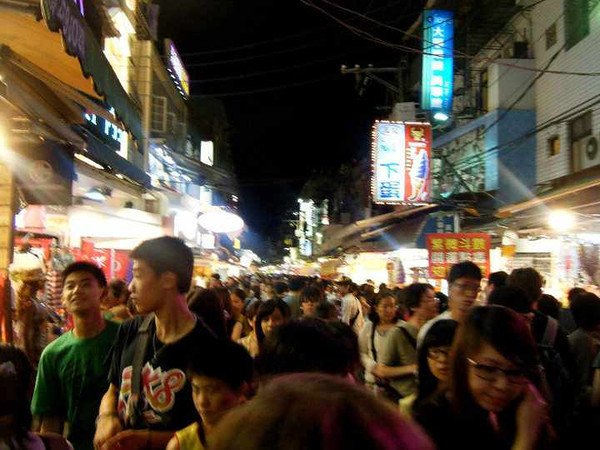
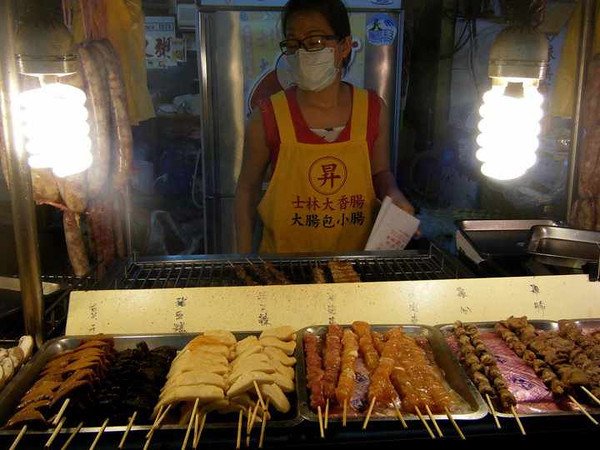
Be prepared for an assault on your senses. Taiwan is not for the faint of heart and from personal experience you’ll either love it or hate it. The cities can be chaotic—be prepared to dodge an endless parade of scooters, cars, trucks, food vendors, elderly people riding bicycles and motorized wheelchairs, pedestrians, and aggressive street dogs at any given moment. Pedestrians do not have the right-of-way and traffic lights are optional. If you’re up for the challenge, driving is quite the adventure and also extremely dangerous, so be on guard. Public transportation, such as the MRT, HSR, or bus system can be very crowded as well. Locals will be violating your personal space on all levels. People walk fast, talk fast, and frequently don’t look where they’re going. Sometimes the stench from the sewer vents rises up in the heat of the summer…competing for the stinkiest award with the stinky tofu vendors lining the streets.
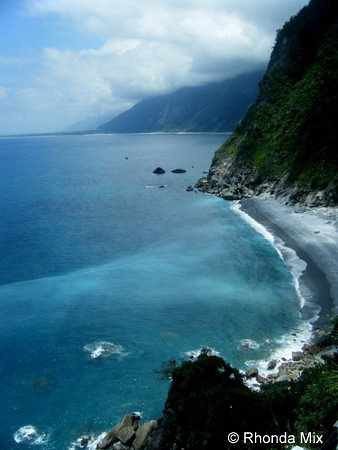
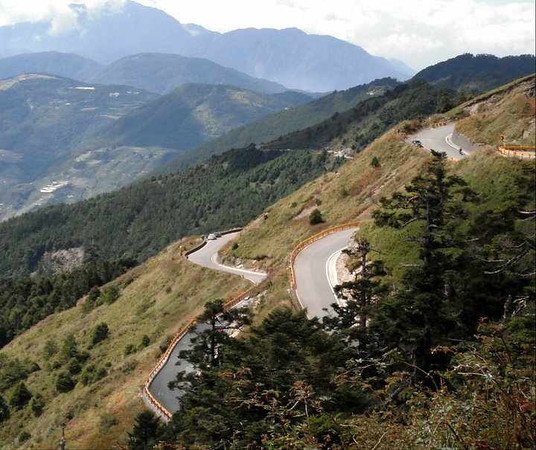
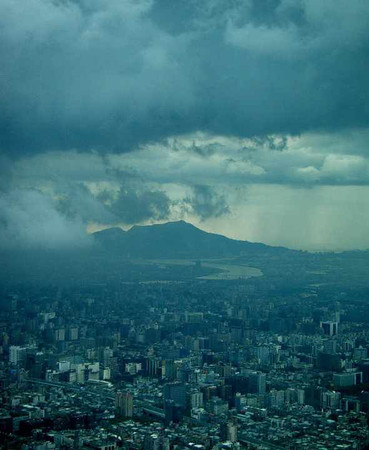
Despite these unpleasantries however, Taiwan has more positives than negatives. The cities, crowded as they are, depict a colorful blend of tradition and modernity. Temples and lively food markets spring up between shopping malls and business districts. Outside the cities, in the Taiwanese countryside, the mountains, villages, and coastline ignite a passion that seduces and enchants those looking for an escape from city living. I fell in love with the more remote regions of Taiwan. In these regions visitors will discover Taiwan as it once was, a truly majestic island full of mystery and deep cultural roots.
Best places to explore:
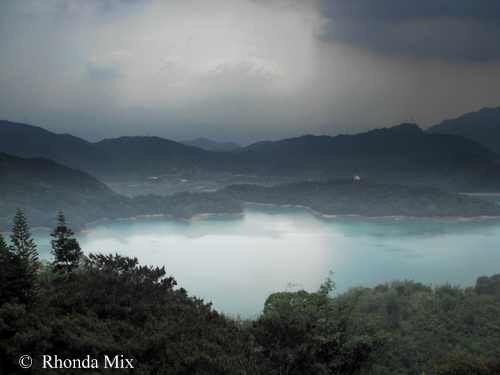
Some of my favorites include Yangmingshan Mountain and its hot springs, Shilin Night Market, Taroko Gorge and Hualien, Sun Moon Lake in Nantou, Kaohsiung, Sun Link Sea, Hehuan mountain, Chingjing Farm near Puli, Maokong Tea Fields, and Fulong beach. Other hotspots are Kenting National Park, Jade Mountain, Orchid Island, Green Island, and Penghu Island. There are many more beautiful places for nature lovers, hikers, climbers, surfers, and outdoor enthusiasts to discover as well.
If you want to live in Taiwan, you must keep an open mind and open heart. The people of Taiwan are some of the nicest you’ll meet but at the same time foreigners should not take advantage of their hospitality. Though many Taiwanese do speak English, it’s best to learn as much Mandarin as you possibly can, especially if you’ll be working in the more remote regions where English is very rarely spoken. For more information on living/working in Taiwan, please visit Tealit’s ARC, Working, and Contracts page.
______________________________________________________________________________________________________________
How To Find A Job Teaching English in Taiwan
Understanding the Market
Taiwan is a hotspot for English teachers, particularly in buxibans (cram schools), public schools, and private institutions. The demand is high, especially for native English speakers with a bachelor’s degree and a TEFL/TESOL certification. Many schools offer attractive benefits, including housing allowances, health insurance, and paid holidays. The work environment is typically respectful, with students who are eager to learn.
- Key Requirements: A bachelor’s degree (in any field) and TEFL/TESOL certification are often essential. Previous teaching experience is beneficial but not always required.
Where to Look for Jobs
There are several ways to find teaching positions in Taiwan:
- Online Job Boards: Websites like Tealit, Dave’s ESL Cafe, and ESL Employment are popular platforms where schools post job openings. These sites also provide forums where current and former teachers share their experiences.
- Recruitment Agencies: Several agencies specialize in placing foreign teachers in Taiwan. They can help streamline the application process and often have established relationships with schools.
- Direct Applications: Some teachers prefer to apply directly to schools. Many buxibans and private schools have their own websites with job postings. Public schools may also post openings on government or educational websites.
Application Process
The application process typically involves:
- Resume and Cover Letter: Highlight relevant teaching experience, certifications, and any international experience. Even if you lack formal teaching experience, emphasize transferable skills like public speaking or mentoring.
- Interview: Schools often conduct interviews via Skype if you’re not already in Taiwan. Be prepared to demonstrate your teaching abilities, either through a mock lesson or by discussing your teaching philosophy.
- Demonstration Lesson: Some schools may ask for a recorded or live demonstration lesson to assess your teaching style and interaction with students.
Getting a Work Visa
Securing a work visa is a crucial step in the process. Your employer typically sponsors the visa, but you’ll need to provide several documents, including:
- Bachelor’s Degree: A notarized copy of your degree.
- Criminal Background Check: This must be obtained from your home country and may need to be notarized and authenticated.
- Health Check: Upon arrival in Taiwan, you’ll need to complete a health check at a local hospital.
- Visa Processing: Your employer will help guide you through the visa and work permit application process, but ensure you have all necessary documents before you arrive.
Unique Aspects of Teaching in Taiwan
Teaching in Taiwan offers a unique blend of professional and cultural experiences:
- Cultural Integration: Taiwan is rich in culture, and living here allows you to immerse yourself fully. From learning Mandarin to participating in local festivals, every day offers a new cultural experience.
- Student Engagement: Taiwanese students are generally motivated and respectful, making the teaching experience rewarding. The education system values English education, so your role is considered important.
- Work-Life Balance: Many teaching positions in Taiwan offer a good work-life balance, allowing you time to explore the island’s natural beauty, from its lush mountains to its stunning beaches.
Why Teaching in Taiwan is a Unique Experience
Teaching English in Taiwan is more than just a job—it’s an opportunity to grow professionally while immersing yourself in a vibrant, welcoming culture. The demand for English teachers remains strong, offering stability and the chance to make a meaningful impact. Beyond the classroom, Taiwan’s rich history, diverse landscapes, and friendly locals make it an exciting place to live and work.
Choosing Where To Live And Work In Taiwan
If you’re serious about teaching in Taiwan, the biggest decision you’ll make after “yes, I’m going” is where you’re going to base yourself.
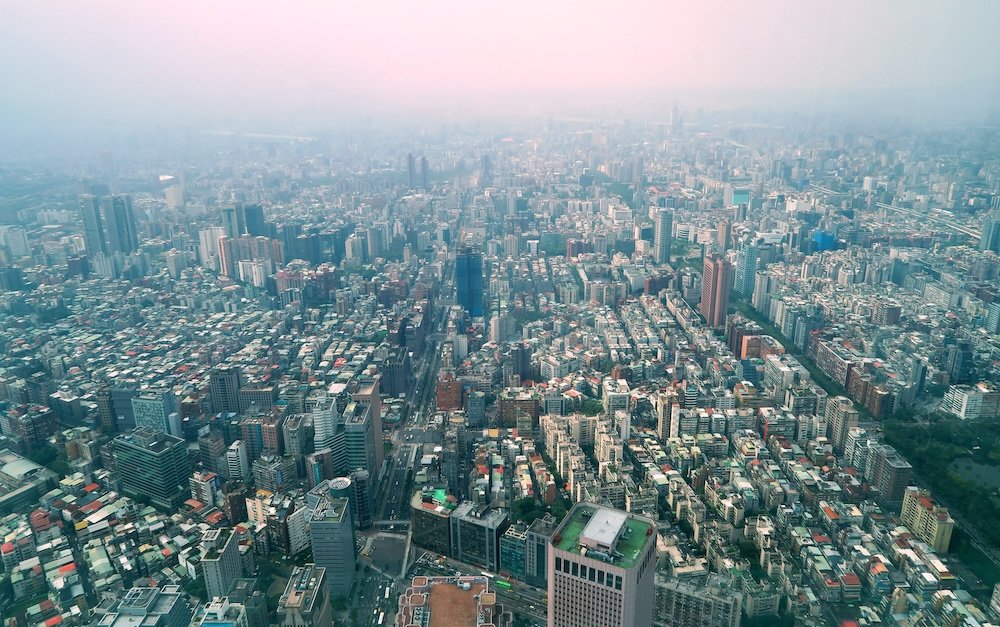
Same country, completely different experiences. Taipei MRT life and bubble tea runs after class feel very different from scooter rides through rice paddies in a county town. Both can be great; they just suit different personalities.
Big City vs Small City vs Countryside
Here’s a quick way to think about it:
| Base Type | What It Feels Like | Best If You… | What You Give Up |
|---|---|---|---|
| Taipei / New Taipei | Fast, urban, international, MRT everywhere | Want cafés, nightlife, and expat community | Bigger apartments, slower pace |
| Taichung / Kaohsiung / Tainan | “Just big enough” cities with personality | Like city life but hate overcrowding | Some niche amenities, endless events |
| County towns | Compact, scooter-friendly, very local | Want immersion, quiet nights, countryside | Foreign food, easy English everywhere |
| Mountain / coastal villages | Village vibes with ridiculous scenery | Crave nature and don’t mind isolation | Convenience, social variety, income options |
There’s no “best city.” There’s “best for how you actually live”:
- If you know you’ll go crazy without cinemas, craft coffee, and bookstores: Taipei or Taichung.
- If you dream of finishing class and being at the beach before sunset: Kaohsiung or Kenting-adjacent towns.
- If you want to really lean into Mandarin, temples, markets, and being the only foreigner in the 7-Eleven: smaller cities and county seats.
Types Of Teaching Jobs In Taiwan (And What Your Days Look Like)
Not all teaching jobs in Taiwan are created equal. The sign might say “English school”, but your daily life can look wildly different depending on where you land.
Buxiban (Cram Schools)
This is where a big chunk of foreign teachers end up.
- Typical schedule: Afternoons and evenings (think 2–9 p.m.), sometimes Saturdays
- Students: Elementary and junior high kids who’ve already done a full day of regular school
- Atmosphere: High-energy, fast-paced, sometimes a bit chaotic
A day might look like:
- Sleep in, run errands, or study Mandarin in the morning
- Head to school after lunch, lesson plan during early afternoon
- Teach back-to-back classes from late afternoon into evening
- Grab night market food on the way home and decompress
Buxibans are great if you’re a night owl and like lively classrooms. They’re less ideal if you need quiet evenings and long, uninterrupted weekends.
Public Schools
Public school jobs usually feel more “normal” in terms of hours:
- Typical schedule: Mornings and early afternoons (around 8–4)
- Students: Larger classes, but less homework pressure from your side
- Perks: More vacation time, more predictable schedule
You’re more likely to:
- Co-teach with a Taiwanese teacher
- Do more “desk warming” (being at school even when not teaching)
- Have set holidays and national breaks to plan big trips
If weekends and longer holidays are a priority, this route tends to win.
Kindergartens
Kindy work is its own little universe:
- Typical schedule: Mornings through early afternoon
- Students: Tiny humans, maximum cuteness, minimum attention span
- Teaching style: Songs, games, crafts, dancing, lots of repetition
You will be exhausted but you’ll also have days where the kids say something so unintentionally hilarious you nearly spit out your coffee.
Adult Classes & Corporate Gigs
There are also jobs teaching:
- Business English to office workers
- Conversation classes to university students
- Test prep (IELTS, TOEIC, TOEFL)
These tend to:
- Start early mornings or later evenings
- Be more discussion-based
- Require less classroom management and more real-world content
Quick Job-Type Comparison
| Job Type | Hours | Students | Time Off | Vibe |
|---|---|---|---|---|
| Buxiban | Afternoons/evenings, possible weekends | Kids/teens | Limited, varies by contract | Busy, high-energy, rotating classes |
| Public school | Weekdays, daytime | Bigger classes | Better holidays | More structured, predictable |
| Kindergarten | Weekdays, mornings–early afternoon | Young kids | Moderate, varies | Playful, physically tiring |
| Adult/corporate | Early or late | Adults | Depends on employer | More conversational, less discipline |
Knowing your energy patterns (morning person vs night owl), patience level with kids, and how much vacation you need will steer you toward the right box here.
Realistic Cost Of Living & Sample Budget
Taiwan can be as cheap or as pricey as you allow it to be. You can live off night markets and noodles or you can slowly donate your salary to hipster cafés and imported cheese.
Assuming your school helps with housing (or you split a place) and you’re not trying to live a luxury lifestyle, this is the rough feel of things:
Typical Monthly Expenses (Very Approximate Feel)
| Category | Expectation For A “Normal” Teacher Life |
|---|---|
| Rent/utilities | Reasonable if you share or avoid luxury places |
| Food (groceries) | Local markets cheap, imported products not |
| Eating out | Street food very affordable, Western meals not |
| Transport | MRT/bus very affordable, intercity travel fair |
| Phone + internet | Solid value for money |
| Entertainment | Anything local is fine, clubs/bars add up quickly |
| Travel fund | Easy to stash some for weekends/holidays |
You can absolutely:
- Keep your day-to-day spending low with local food and public transport
- Still budget for weekend trips and the occasional splurge
- Send money home or build a savings cushion over the year
The biggest silent killers of a budget are: nightly bar tabs, imported groceries, and endless cute café visits “to work on my lessons.”
Where To Live: Teacher-Friendly Neighbourhoods & City Vibes
You don’t need to memorize district names, but it helps to understand the flavor of the main cities where people teach.
Taipei & New Taipei
Taipei feels like the default landing zone, but each pocket of the city gives you something different:
- Student zones & café life – Areas near universities are packed with cheap food, second-hand bookstores, and language exchanges.
- Older neighborhoods with character – Narrow alleys, street temples, hidden dumpling joints. Great if you like wandering.
- New Taipei satellite cities – Quieter, more local feel but still within MRT or train distance of central Taipei. Popular with teachers who want cheaper rent.
If you like your days structured and your evenings full of options—language classes, gyms, cinemas, bars—this area keeps you busy.
Taichung
Taichung has a relaxed, almost “sunbelt city” feel:
- Wide roads, fewer high-rise canyons than Taipei
- Huge night markets and a ton of street food
- Easy access to Sun Moon Lake, Cingjing, and the central mountains
It’s a good choice if you want:
- City amenities without crushing density
- Easy weekend escapes into the countryside
- A big expat community without feeling like you’re in a foreigner bubble 24/7
Kaohsiung & The South
Down south, everything feels a little warmer—weather and people included.
- Kaohsiung: Port city with a growing arts scene, riverside walks, and access to small islands and beaches
- Nearby coastal areas: Great if you want beach days and seafood weekends
The south suits teachers who:
- Want more sunshine and less drizzle
- Like a slower pace but still want city infrastructure
- Are happy being a little further from the classic “capital city” experience
Smaller Cities & County Towns
In smaller places, your life shrinks in a good way:
- You get recognised quickly—at the bakery, at the bubble tea shop, at the bus stop
- You probably walk or scooter everywhere
- Your social circle might be small but tight-knit
This can be wonderful if you’re independent and enjoy quiet nights. It can feel claustrophobic if you need constant stimulation and anonymity.
Getting Around Taiwan While You Teach
One of the underrated perks of teaching in Taiwan is how insanely easy it is to turn weekends into mini trips.
Inside The City
- MRT – Clean, efficient, and intuitive. Taipei and Kaohsiung both have systems; tap in, tap out, done.
- Local buses – Cover the gaps, especially in cities without MRT. They can be confusing at first, but once you figure out your routes, they’re a lifesaver.
- YouBike and other bike shares – Fantastic for short hops and Sunday rides along riversides.
- Scooters – Practically a religion. Great for freedom; also require confidence, a helmet, and some respect for the controlled chaos of Taiwanese traffic.
If you’re nervous about driving, you can live perfectly well just using public transport and bikes.
Between Cities
You have three main options:
- High-Speed Rail (HSR) – Fast and comfortable, running down the western spine of the island. Perfect for long weekends when you don’t want to lose half a day in transit.
- Regular trains – Cheaper, slower, but more scenic, especially along the east coast line.
- Long-distance buses – Often the cheapest option, with comfortable seats and lots of routes.
For a typical teacher schedule, you can:
- Finish work Friday evening
- Catch a night bus or late train
- Wake up somewhere completely different Saturday morning
- Be back in your classroom, slightly sunburned and very happy, on Monday
Best Time To Arrive & What The Seasons Feel Like
Taiwan doesn’t really do “gentle weather”. It does “humid”, “typhoon”, “blazing”, and “mountain chill.”
Weather Basics
- Spring (roughly March–May) – Warmer temps, occasional rain, everything turning green.
- Summer (June–September) – Hot, humid, and typhoon-prone. City streets can feel like a sauna.
- Autumn (October–November) – Generally the sweet spot: clearer skies, comfortable temperatures, great for mountains and coast.
- Winter (December–February) – Damp and chilly, especially in the north. Houses often don’t have central heating, so you feel it.
When To Start A Contract
- Buxibans often hire year-round, with extra demand around summer and just before school terms.
- Public schools tend to have more fixed hiring waves, tied to semesters.
Arriving late summer or early autumn often gives you:
- A softer intro to the climate (you’ve missed the absolute worst heat)
- A full academic year ahead
- Prime hiking and exploring season straight out of the gate
Two Weekend Itineraries You Can Actually Pull Off
You don’t need a full week off to see the good stuff. With a bit of planning, you can squeeze serious adventure into your days off.
Weekend 1: City To Gorge (Capital To East Coast)
Friday:
- Finish class, grab a quick dinner, hop on an evening train to the east coast
- Check into a simple guesthouse and fall asleep to the sound of scooters and distant waves
Saturday:
- Early start for a national park day – think narrow marble gorges, tunnels carved into cliffs, suspension bridges
- Hike one or two trails rather than trying to do them all
- Dinner back in town: dumplings, noodles, maybe a beer by the waterfront
Sunday:
- Slow breakfast and a walk along the coast or a seaside bike ride
- Grab snacks for the train and head back in the afternoon
- Home in time to prep for Monday’s classes and wash the hiking dust out of your clothes
Weekend 2: Central Highlands Escape
Friday:
- Finish work, catch an intercity bus to a mountain gateway town
- Grab a hot bowl of noodles and crash early
Saturday:
- Take the first bus up into the mountains
- Spend your day wandering forest boardwalks, tea farms, and viewpoints above the clouds
- Warm up with hot tea and a simple mountain dinner; cool nights feel amazing after the city heat
Sunday:
- One more short walk or sunrise viewpoint if you’re keen
- Head back down to town, enjoy a leisurely lunch, then bus back to your base
These kinds of mini escapes are what make the long teaching weeks feel more than worth it.
Making Taiwan Feel Like Home (Without Losing Your Mind)
A teaching contract is long enough to feel like a real relocation, not just an extended trip. Little habits go a long way in keeping you grounded.
Build A Routine That Isn’t Just “Go To Work, Go Home”
- Find a local shop where you buy the same snack or coffee and get to know the staff.
- Pick one weekly ritual: a particular night market, a favorite riverside walk, a climbing gym session, or language class.
- Have at least one non-teacher activity—photography, dance, running club, anything—that reminds you you’re more than your job.
Learn Enough Mandarin To Be Dangerous
You don’t have to master tones and write poetry, but:
- Learn phonetic spelling or basic characters so you can read signs and menus
- Pick up key phrases for food, directions, and basic interactions
- Let your students teach you silly words—instant bonding
Every tiny piece of language you learn unlocks another layer of Taiwan. Ordering your favorite breakfast without pointing feels like a small private victory.
Look After Your Future Self
Teaching abroad is fun until it’s 1 a.m., you have four classes tomorrow, and you’re still cutting out flashcards.
Make life easier by:
- Keeping a folder of “go-to” games and activities that work with different levels
- Meal-prepping or at least knowing three quick dinners you can throw together
- Saying “no” occasionally to yet another late night if your body’s waving a white flag
Where To Travel In Taiwan While Teaching English
Taipei: The Capital’s Vibrant Heart
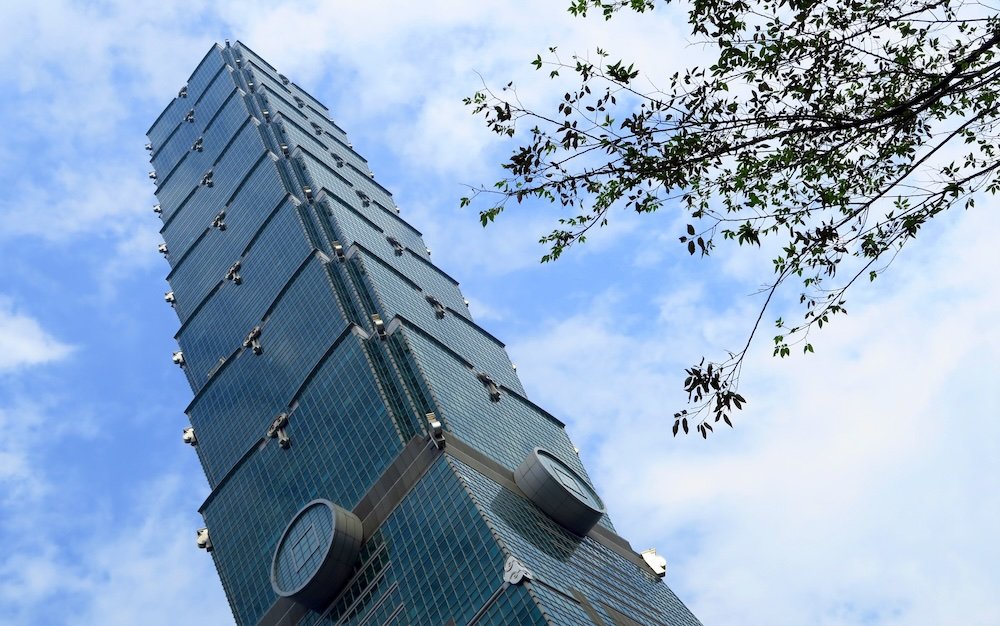
Start with Taipei, Taiwan’s bustling capital. Here, you’ll find a mix of modern skyscrapers and ancient temples. Visit Taipei 101, explore the night markets, or hike Elephant Mountain for stunning city views. The National Palace Museum offers a deep dive into Chinese art and history.
- City Life Meets Tradition: Taipei seamlessly blends contemporary living with rich cultural traditions, offering endless exploration opportunities.
Taroko Gorge: Nature’s Majesty
Located in eastern Taiwan, Taroko Gorge is a must-see. This stunning national park features marble cliffs, winding tunnels, and crystal-clear rivers. Hike the trails, visit the Eternal Spring Shrine, or take in the views from Swallow Grotto.
- Why It’s Special: Taroko Gorge’s breathtaking landscapes provide a serene escape from the city, showcasing Taiwan’s natural beauty.
Sun Moon Lake: Tranquil Waters
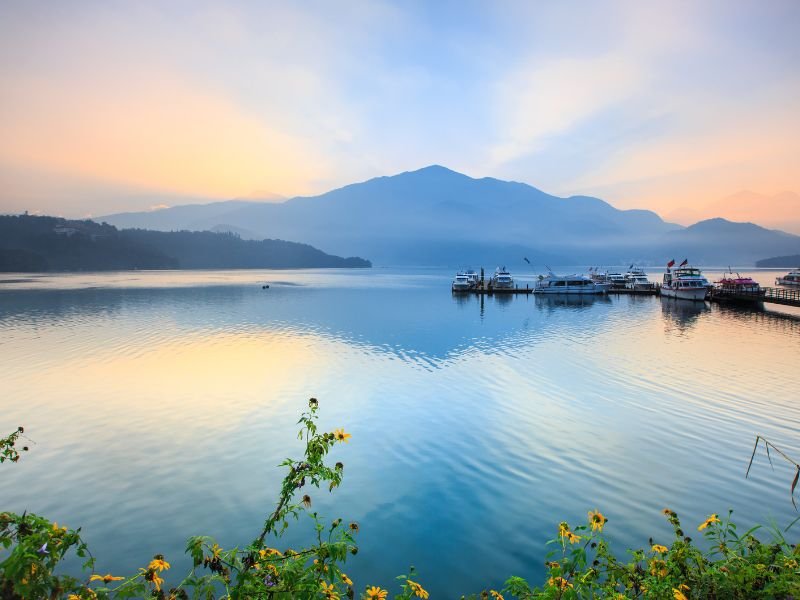
In central Taiwan, Sun Moon Lake offers a peaceful retreat. Rent a bike and ride around the lake, visit the Wenwu Temple, or take a boat ride to Lalu Island. The surrounding mountains and misty waters make it a perfect spot for relaxation.
- Perfect Getaway: The lake’s tranquil setting is ideal for a weekend retreat, offering both relaxation and cultural exploration.
Kenting National Park: Beach and Adventure
Head south to Kenting National Park, known for its beautiful beaches and vibrant nightlife. Enjoy water sports, explore the Eluanbi Lighthouse, or visit the National Museum of Marine Biology and Aquarium. The warm climate makes it a year-round destination.
- Tropical Paradise: Kenting’s beaches and outdoor activities offer a perfect blend of adventure and relaxation.
Tainan: A Historical Journey
Tainan, Taiwan’s oldest city, is a history lover’s paradise. Visit the Anping Fort, explore the Confucius Temple, or wander through the old streets lined with traditional shops and eateries. Tainan is also known for its rich culinary scene.
- Historical Charm: Tainan’s deep historical roots and well-preserved sites offer a glimpse into Taiwan’s past.
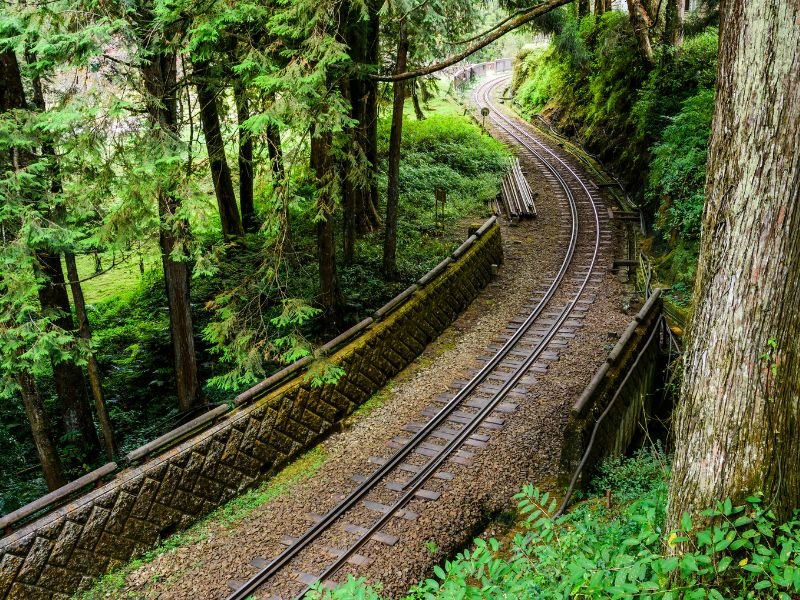
Alishan: Mountain Majesty
For those who love mountains, Alishan is a must-visit. Famous for its sunrise views, towering cypress trees, and the Alishan Forest Railway, this mountain area is perfect for hiking and nature photography. The tea plantations also offer a taste of Taiwan’s famous high mountain tea.
- Nature’s Splendor: Alishan’s misty mountains and ancient forests provide a breathtaking escape into nature.
Kaohsiung: Port City Adventure
Kaohsiung, Taiwan’s second-largest city, offers a mix of urban and coastal attractions. Visit the Lotus Pond with its striking dragon and tiger pagodas, explore the art galleries at Pier-2 Art Center, or take a ferry to Cijin Island for fresh seafood and beachside fun.
- Cultural and Coastal Blend: Kaohsiung’s combination of culture, art, and seaside attractions makes it a vibrant city to explore.
Yilan: Hot Springs and Countryside
Just outside Taipei, Yilan offers hot springs, lush landscapes, and cultural experiences. Visit the traditional markets, relax in Jiaoxi’s hot springs, or explore the Qilan Sacred Trees.
- Peaceful Escape: Yilan’s rural charm and natural hot springs provide a refreshing contrast to urban life.
Penghu Islands: Island Adventure
The Penghu Islands offer an idyllic island escape with pristine beaches, clear waters, and historical sites. Explore the basalt columns, visit traditional fishing villages, or relax on the beaches.
- Island Getaway: Penghu’s remote location and untouched beauty make it a perfect destination for a quiet retreat.
Taichung: The Heart of Taiwan’s Culture
Taichung offers a vibrant mix of cultural attractions and modern conveniences. Visit the Rainbow Village, a brightly painted military settlement, or explore the National Taiwan Museum of Fine Arts. Don’t miss the Fengjia Night Market, one of the largest and most popular in Taiwan. Taichung is also the gateway to Sun Moon Lake and the stunning landscapes of Cingjing Farm.
- Cultural and Culinary Delight: Taichung is known for its cultural spots and excellent street food, making it a must-visit for foodies and art lovers alike.
Taitung: Nature and Tranquility
Located on Taiwan’s east coast, Taitung is a haven for nature lovers. The area is known for its unspoiled landscapes, hot springs, and indigenous culture. Visit the East Rift Valley, cycle along the beautiful coastline, or explore the island of Green Island, famous for its diving spots and hot springs.
- Untouched Beauty: Taitung offers a quieter, more natural experience compared to Taiwan’s bustling cities, perfect for those looking to escape the crowds.
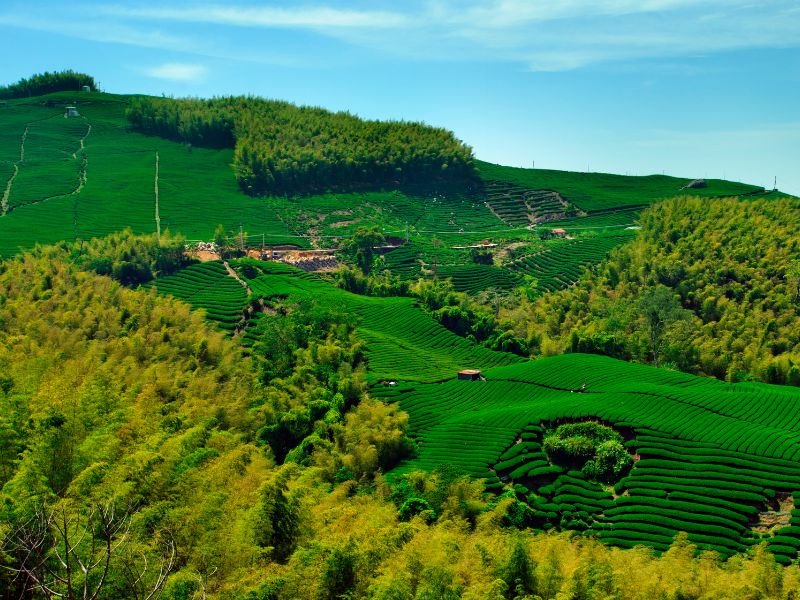
Nantou: Explore Taiwan’s Central Highlands
Nantou County is home to some of Taiwan’s most stunning natural attractions, including the famous Sun Moon Lake and the mountainous trails of Hehuanshan. The region is ideal for hiking, cycling, and exploring indigenous cultures. The area’s cooler climate and lush landscapes provide a refreshing break from the heat and humidity of Taiwan’s coastal cities.
- Scenic Adventures: Nantou’s central location and diverse landscapes make it a great destination for outdoor enthusiasts.
Chiayi: Gateway to Alishan
Chiayi is often overlooked, but it serves as the gateway to the famous Alishan Scenic Area. Explore Chiayi’s local markets, the Hinoki Village, and the Southern Branch of the National Palace Museum before heading up to Alishan. The Alishan Forest Railway is a highlight, offering scenic views as it winds through the mountains.
- Cultural Gateway: Chiayi is rich in history and culture, offering a more authentic Taiwanese experience before heading into the mountains.
Lanyu (Orchid Island): A Remote Paradise
Lanyu, also known as Orchid Island, is located off the southeastern coast of Taiwan. It is home to the indigenous Tao people and offers a glimpse into their unique culture. The island is rugged and beautiful, with volcanic landscapes, lush forests, and crystal-clear waters perfect for diving and snorkeling.
- Cultural Immersion: Lanyu offers a unique cultural experience, with opportunities to learn about the Tao people and explore a pristine natural environment.
Yilan: Gateway to the Northeast Coast
Yilan County is known for its hot springs, mountains, and beautiful coastline. The Northeast Coast National Scenic Area offers stunning views, surfing, and hiking opportunities. Yilan’s Luodong Night Market is famous for its food, and the region’s proximity to Taipei makes it an easy day trip or weekend getaway.
- Natural Beauty: Yilan’s combination of mountains, coastlines, and hot springs offers something for everyone, whether you’re looking to relax or explore.
Maolin: Indigenous Culture and Natural Wonders
Maolin, located in southern Taiwan, is known for its indigenous Rukai culture and stunning natural landscapes. The area is famous for its butterfly valley, where millions of butterflies migrate annually, and its hot springs and scenic hiking trails.
- Ecotourism Haven: Maolin is perfect for those interested in ecotourism and learning about Taiwan’s indigenous cultures while enjoying breathtaking scenery.
Lukang: A Step Back in Time
Lukang, located in Changhua County, is one of Taiwan’s oldest towns. Known for its well-preserved historical architecture, it’s a place where you can stroll through narrow alleys lined with traditional houses and temples. Visit the Mazu Temple, explore the local crafts shops, and taste the town’s famous street food.
- Historic Charm: Lukang offers a glimpse into Taiwan’s past, with its rich history and traditional culture, making it a must-visit for history buffs.
Teaching English in Taiwan FAQ: Real-World Questions, Honest Answers & Practical Tips
Is Taiwan still a good place to teach English right now?
Yes. Taiwan is still a very solid choice if you want decent pay, a good quality of life, and an easy base for exploring Asia. Wages aren’t as high as peak Korea or Japan, but most full-time teachers can cover their costs, enjoy a comfortable lifestyle, and still put some money aside if they’re not going wild on nightlife and imported groceries. On top of that, healthcare is excellent, public transport is efficient, and the island packs in mountains, hot springs, beaches, and buzzing cities all in one place.
What qualifications do I really need to teach English in Taiwan?
Mostly, it’s straightforward. For legal full-time work as an English teacher, schools and immigration typically expect a bachelor’s degree (in any subject), a clean criminal record check from your home country, and a passport from a country where English is an official language (think USA, Canada, UK, Ireland, Australia, New Zealand, South Africa). A 120-hour TEFL or TESOL certificate is increasingly common and may be required for public school programs or better-paying jobs, while an actual teaching license can bump you up the pay scale. Even if a school doesn’t ask for TEFL on paper, having one makes you more competitive and, honestly, makes your first few months in the classroom less overwhelming.
Do I have to be a native English speaker to get hired in Taiwan?
It depends. Officially, the easiest route is having a passport from a government-recognized English-speaking country, because that lines up with the work-permit rules schools are used to dealing with. If you’re a non-native speaker with near-native fluency, a strong accent, and a degree taught in English, some employers may still consider you, but you’ll need to be more proactive and expect extra questions about your background. In any case, you want everything to be above board: proper work permit, legal ARC, and a contract that aligns with immigration rules, not a “grey area” situation where you’re technically on the wrong type of visa.
Should I find a teaching job before I arrive in Taiwan or job-hunt on a visitor visa?
Honestly, both routes work. Landing a contract before you fly gives you security and a softer landing—airport pickup, a school already lined up, sometimes help with housing. The downside is that you can’t really “vibe check” the school in person before signing. Arriving on a visa-exempt or visitor visa and job-hunting on the ground lets you walk into schools, see classes, talk to current teachers, and trust your gut. The key is making sure your visa status allows you to stay long enough to find work and then convert to a legal work permit and ARC; you absolutely should not start working for cash on the side while still on a visitor stamp.
How much can I realistically earn and save each month teaching English in Taiwan?
Roughly speaking, full-time English teachers can often expect local cram schools to offer salaries somewhere in the middle of the pack for East Asia, while public school programs tend to pay more and come with better benefits. Once tax, rent, food, and daily life are covered, many teachers find they can still save a few hundred US dollars a month if they share accommodation, stick mostly to local food, and keep nightlife and imported treats in check. If you eat out constantly at Western restaurants, buy lots of imported groceries, and travel every weekend, you’ll still live well—you’ll just save less.
What’s the real difference between teaching at a buxiban and a public school?
Very different. Buxibans (cram schools) are usually afternoon and evening jobs with smaller classes, a more high-energy atmosphere, frequent parent expectations, and less predictable holidays. Public schools feel more like a “normal” job: weekdays, daytime hours, bigger classes, more official paperwork, and longer but more structured vacation periods. Buxibans can be great if you’re a night owl and like a faster pace; public schools tend to suit people who value weekends free, national holidays, and a clearer yearly schedule. One isn’t automatically better—the real question is what kind of daily rhythm you want for your life in Taiwan.
How does the work visa and ARC process work for English teachers in Taiwan?
Luckily, your school does most of the heavy lifting. After you accept a job, the school applies for your work permit using your passport details, degree, criminal record check, and sometimes TEFL and health check results. Once the work permit is approved, you either convert your status in Taiwan or apply for a resident visa through a Taipei representative office abroad, depending on your situation. With the resident visa and work permit in hand, you apply for an ARC (Alien Resident Certificate), which becomes your ID card in Taiwan and lets you stay, work, and travel in and out of the country during your contract. The whole process can take several weeks, so it’s smart to have a financial cushion and not cut your timelines too close.
Where is the best place in Taiwan for a first-time English teacher to live?
There’s no single best city. Taipei gives you the most international lifestyle—MRT, cafés, nightlife, expat meetups—but you’ll pay more for rent and be surrounded by temptation to spend. Taichung offers a sunnier, more relaxed big-city feel with huge night markets and easy weekend escapes to places like Sun Moon Lake. Kaohsiung and Tainan are great if you want warmer weather, port-city or old-town character, and easy access to beaches and islands. Smaller cities and county towns are perfect if you want immersion, cheaper living, and a “local celebrity at the 7-Eleven” kind of life, but you trade away variety and anonymity. Think about your personality first—then pick the city that matches it.
Is Taiwan safe for foreign teachers, including solo women?
Yes. Taiwan consistently ranks as one of the safest places in Asia in terms of violent crime, and many solo women live, teach, and travel there without major issues. The bigger risks tend to be more practical: chaotic scooter traffic, slippery sidewalks in the rain, occasional earthquakes, and serious typhoons that can shut down schools and transport for a day or two. Recent storms have led to evacuations and school closures in some parts of the island, so you do need to pay attention to local weather warnings and take them seriously.
What does a typical teaching week in Taiwan actually look like?
Busy, but manageable. In a buxiban you might have slow, easy mornings—sleep in, run errands, prep lessons—then head to school early afternoon, teach back-to-back classes from about 3 p.m. to 9 p.m., grab night-market food, and decompress before bed. In a public school you’re more likely to start around 8 a.m., teach a few periods spread through the day, attend staff meetings, do planning or grading at your desk, and finish mid-afternoon with evenings mostly free. Expect something like 20–25 actual teaching hours per week, plus a similar chunk of time for prep, grading, and admin. The first month feels intense; after that, you build a toolkit of games and activities and it becomes much smoother.
When is the best time of year to move to Taiwan and start teaching?
If you can choose, I’d aim for late summer into early autumn. Weather-wise, summer is hot, humid, and can be typhoon-heavy, while autumn tends to bring clearer skies and more comfortable temperatures, especially for exploring on weekends. Job-wise, buxibans hire pretty much year-round with spikes before new school terms and summer programs, while public schools and official programs often recruit for February and August starts. Arriving around August or early September can give you a good shot at openings, time to settle into housing, and a few months of prime hiking and coastal days before winter’s damp chill rolls in.
Can I bring my partner or children with me while I teach English in Taiwan?
Absolutely. Many teachers come with a spouse or partner, and some arrive with kids and do full family life in Taiwan. Once you have your own work permit and ARC, eligible family members can usually apply for dependent ARC status, which allows them to live (but not automatically work) in the country. The main things to think about are budget—larger apartments and school fees if you’re considering international or bilingual schools—and what your partner will do day-to-day if they don’t have a job lined up. The upside is that Taiwan can be a very family-friendly place with parks, kid-oriented activities, and generally welcoming locals.
What cultural mistakes do new English teachers in Taiwan often make?
Not really. Nobody expects you to understand everything on day one, but there are a few patterns. Complaining loudly about scooters, smells, or “weird” food in front of Taiwanese coworkers can come across as rude even if they smile politely. Speaking bluntly in the staff room and calling someone out in front of others can cause people to “lose face” and damage relationships. Staying in an expat bubble, never learning basic Mandarin, or refusing local food invitations can also make your year feel more surface-level. If you’re willing to be flexible, say thank you often, bring small gifts back from trips, and laugh off minor misunderstandings, you’ll fit in much faster.
What should I pack for a year of teaching and traveling around Taiwan?
Think layers and comfort, not just cute travel outfits. Summers are hot and humid, so breathable tops, quick-dry clothing, and comfortable sandals or sneakers are your best friends, while winters in the north can feel surprisingly chilly indoors because many homes don’t have central heating, so a couple of warm layers and a light jacket help a lot. Bring at least one or two sets of “teacher clothes” that look neat and conservative—no beach tank tops and flip-flops in class—even if your school is fairly relaxed. A good umbrella, compact rain jacket, small first-aid kit, and any medications you rely on will make life easier, and it’s worth carrying original copies of your degree, transcripts, background check, and a few passport photos in a safe folder for visa and ARC paperwork.
Teaching In Taiwan Final Thoughts
There will be weeks when you’re tired, kids are wild, and scooter horns feel like a personal attack. There will also be weeks when everything clicks and you walk home along lantern-lit streets thinking, “I can’t believe I get paid to live here.”
Those two realities coexist.
Teaching English in Taiwan sits right at the intersection of work, travel, and slow-burn adventure. Your days are full of whiteboards, phonics, and classroom games. Your nights and weekends are filled with temples, tea fields, scooters, mountain roads, and the kind of small everyday moments that quietly stick with you years later.
Get the job details right, choose a base that matches who you are, and leave just enough room in your life for the island to surprise you.
This is a guest post from Rhonda Mix – a freelance photographer & writer with extensive experience living overseas, traveling abroad and teaching English in Taiwan. Connect with Rhonda on her popular travel blogs Bamboo Butterfly & Midwestern Adventures and be sure to follow her on twitter and facebook as well.
This is such a joyful way to learn English in Taiwan. I’ve been doing a research paper about Learning English in Taiwan and it came up that it’s not that easy to find resources to it. I will just let you know that I will save this as one of my references to my review and hope this will be a nice choice.
I would like to apologize for the foul reputation that some of the recruiters have branded themselves with. Most of the “horrible recruiters” are probably independent recruiters working for themselves, thus scamming teachers and schools for a higher profit.
But please do not categorize all recruiters to be dishonest and a scam.
My name is Roy, I am a recruiter from Dewey International, a multinational company, and the largest and most professional of our kind in Taiwan.
We offer transparency and safety to all the teachers who wish to teach in Taiwan.
We provide choices of public schools, private schools and cram schools for those who are interested.
Accommodation and Air fees (single or with spouse), airport pickup, insurance, work permits and ARC’s are provided.
We will personally assist you in any problems you will encounter while living in Taiwan, like finding a suitable apartment near your school, driving you to interviews, getting a scooter/bike/car, showing you the best places to visit or shop, and even occasionally checking on you in school to see how you are doing(with you permission of course).
Of course we are still “recruiter”, we all have to make a living, BUT we do not charge anything from the teachers. WE CHARGE ONLY THE SCHOOLS FOR OUR SERVICES. Rest assured you will not have to pay a single dollar to us.
We also filter, select and match-make the most suitable teachers and schools to ensure the best quality for schools and Teachers alike.
We are strictly professional and would like to overturn the awful reputations of recruiters.
If you could give me a chance to prove it to you, I would be ever-grateful!
Please contact me if you have any questions or are interested in what I have to offer!
Email: [email protected]
Facebook fan page: https://www.facebook.com/esldewey/?fref=ts
Official Website: http://www.esldewey.com.tw/
I totally agree that finding a job through a recruiter in Taiwan is a horrible idea. In my case, the job was horrible but I couldn’t find something else, so I wasted a lot of money on tickets and an apartment deposit. The market in Taiwan is pretty awful for newbies right now.
I would like to apologize for the foul reputation that some of the recruiters have branded themselves with. Most of the “horrible recruiters” are probably independent recruiters working for themselves, thus scamming teachers and schools for a higher profit.
But please do not categorize all recruiters to be dishonest and a scam.
My name is Roy, I am a recruiter from Dewey International, a multinational company, and the largest and most professional of our kind in Taiwan.
We offer transparency and safety to all the teachers who wish to teach in Taiwan.
We provide choices of public schools, private schools and cram schools for those who are interested.
Accommodation and Air fees (single or with spouse), airport pickup, insurance, work permits and ARC’s are provided.
We will personally assist you in any problems you will encounter while living in Taiwan, like finding a suitable apartment near your school, driving you to interviews, getting a scooter/bike/car, showing you the best places to visit or shop, and even occasionally checking on you in school to see how you are doing(with you permission of course).
Of course we are still “recruiter”, we all have to make a living, BUT we do not charge anything from the teachers. WE CHARGE ONLY THE SCHOOLS FOR OUR SERVICES. Rest assured you will not have to pay a single dollar to us.
We also filter, select and match-make the most suitable teachers and schools to ensure the best quality for schools and Teachers alike.
We are strictly professional and would like to overturn the awful reputations of recruiters.
If you could give me a chance to prove it to you, I would be ever-grateful!
Please contact me if you have any questions or are interested in what I have to offer!
Email: [email protected]
Facebook fan page: https://www.facebook.com/esldewey/?fref=ts
Official Website: http://www.esldewey.com.tw/
Hello!
How much are you able to save in taiwan, roughly? I have student loans with payments of around $750 a month and I’d really like to teach in Taiwan but I’m not sure if I’d be able to make those payments. I currently teach in Korea and have a masters in education (but not a teaching license). What do you think?
Great article! I’ve been living here for over 2 years teaching English and exploring all the best spots around the island. I am starting to write articles about my adventures and discoveries around Taiwan, you should check out my most recent post about the mango farmers in Tainan that saved me during CNY:
http://mytefl.net/blog/teaching-in-taiwan-farmers-saved-us/
I will be posting more about some amazing hidden locations in Taiwan soon! 🙂
Sorry — you lost me at “60 km (99 miles)”.
This was a really good overview on what it’s like to teach English in Taiwan. I’ve been here for 8 years and have traveled quite a bit around Asia. While there are certainly better places to go on vacation, I think Taiwan is one of the best places to live and teach English for a few reasons.
1. You can make a decent salary that should easily cover the cost of living and then some.
2. The cost of living is cheaper than the West by about 50%. It’s not as cheap as South East Asia, but you can live a comfortable life on under $2000 USD a month.
3. The food is cheap and good.
4. One of the safest countries you’ll ever visit. You can be in almost any area at any time and never worry about personal safety.
5. If you like to be outdoors then there is so much you can do as Taipei as it is surrounded by mountains.
Hi, great post. Me and my girlfriend are travelling from hanoi to Taiwan and thinking of staying somewhere for a few weeks but ideally would like to get a 20-30 hour job but possibly out of the hustle and bustle of the city. We leave in 3 days as we have been recommended Taiwan so gunna give it a go. Dans got a tefl and I have nvqs and gnvqs and both got certificates and other stuff with us. U got any friends we can contact or any ideas at all ? Thanks Mat and Dan
You should contact Carrie of My Several Worlds. She’s involved in hiring English Teachers in Taiwan.
Hi Rhonda! Thanks for your great post! I’m thinking of going to Taiwan to teach ESL next year but I’m just wondering what are the visa options? Do we have to apply for a work visa to do that and how long can we stay?
You’re welcome! If you are from the U.S. you should apply for an extended 90 day visa before you leave the country. Once in Taiwan, start looking for a job right away, otherwise, you may have to fly out again for a visa run. Once you secure a job in Taiwan, your school will apply for an ARC card for you, which has to be renewed every year. For information, visit
http://www.tealit.com/article_categories.php?section=arcs.
The photos look beautiful, though the driving conditions sound insane. It sounds like you had quite the adventure living and teaching in Taiwan.
It was quite the adventure, an amazing adventure. Driving was insane but I got used to it quickly. 🙂
Thanks for this great resource. I’ll admit that I haven’t really considered teaching in Taiwan specifically, you find more and more information on countries like Japan, China and Korea. I made sure to bookmark the suggested TEALIT website into my ever growing job resource guide for when I make it to Asia.
Thanks for sharing!
You’re welcome! Yes, definitely check out TEALIT. And in my opinion, Taiwan is probably the best Asian country in which to teach (aside from Korea). Thailand would be nice too but the pay isn’t so great. It depends on what you’re looking for but Taiwan has it all.:) Beautiful scenery, good money, and wonderful people (most of the time!).
Love the pictures and your story of turning a not great situation in a wonderful experience
Impressive 😉
Thank you!
What a great resource- I’ve thought about traveling and teaching english before, just haven’t figured out where I would want to do it.
Hey Jade, it’s a tough decision to make – especially with so many options to consider.
Love this post! Honest, upfront, listing pros and yes… cons too of both the work and the country. Kudos
Thanks Maria, I think Rhonda did do an excellent job of highlighting both the pros and cons – teaching overseas is definitely full of both.
Thanks Sam.:)
I think its really hard for a teacher to teach English Language to his student if he/she didn’t know a little bit in there 1st language. Right? But the good thing is if you are teaching kids. They learned it in the easy way. In the crucial stage of development kids are have good mind to develop lots of language. There brains are the same with a memocard that if you put an input they can store it directly. Not like the adults trying to learned another language. They struggle for learning it.
It’s a little difficult at first but as we’ve all heard, young kids are like sponges so they pick everything up so quickly. From personal experience, it’s best not to use the native language in the classroom that much though knowing some Mandarin of course did come in handy at times. My little kids were much more interested in learning English when we established certain “English only” rules. To be honest, at the end of the year their English was better than other classes who had also started out at the school around the same age but their previous teacher(s) had used Chinese frequently in the classroom to explain English.
“Pedestrians do not have the right-of-way and traffic lights are optional.” hahaha I love it. This is a great article with some good advice. I often wondered what would be the best route towards getting a job teaching ESL. I had considered using a placement agency but after reading this I think I’ll veer towards your recommendations of visiting forums and talking to locals. One questions though: How did you manage to get from place to place? Was it through the purchase of a car or is the public transit system just that great around there?
Thanks Ronald! Glad you liked it.
My first 6 months in Taiwan I got around using public transportation until I finally worked up the courage to buy a scooter (most scooters are passed around from foreign teacher to foreign teacher!). After my first year I felt much more comfortable driving, and my second year I moved to central Taiwan where I lived near the mountains and the pace of life was a little slower. I bought a new scooter, fell in love with the TW countryside, and the rest is history. Every weekend I took my little red Yamaha cruising and became an expert.:) I strongly advise against driving a scooter in Taipei though (which is where most foreign teachers first end up). The traffic is insane and really dangerous. Best to make use of public transportation there.
Thanks for the advice!
For someone who has never had an experience like this but still have a love for travel, it is interesting to read stories from those who have.
Steph, it’s certainly an option to consider if you plan to extend your travels. My trip overseas has extended beyond 6 years and teaching ESL has been one of the main reasons I’ve been able to do it for so long 🙂
Wow the photos are really gorgeous and the children are unbelieveably cute.
I agree!
Thanks Ayngelina! I miss the kids a lot, and Taiwan’s loveliness too.
Great post Rhonda! Very informative and you are definitely right about the shady schools lol. One other thing that I think is worth mentioning is the fact that teaching kindergarten in Taiwan is technically illegal. It’s rare but people do get deported. When the officers came to my school they went so far as to put a bed in one of the offices to make it look like we lived there. I don’t know who they thought they were fooling (1 bed for 3 teachers???) but at least we got the day off from teaching. That said, Taiwan is a great place to live or visit and I’m missing the weather there in particular right now because Korea is only getting colder and colder. 🙁
Yes, the first shady school focused on teaching Kindergarten (that wasn’t the main unscrupulous practice), though at the other two schools my youngest kids were around 6 and technically in first grade. So those schools weren’t doing anything illegal. The majority of foreign teachers do teach Kindergarten however and very rarely get deported, though I’ve heard numerous stories such as yours about teachers having to hide when the officers arrive! Hilarious about the bed incident. 🙂
I never realized that about teaching Kindergarten in Taiwan. In Korea, there are probably more Kindy jobs than anything else!
It’s actually illegal in Korea as well. It’s one of those “turn the other cheek” type of things – same as Taiwan.
Yeah, they’d have an awful mess to clean up if they seriously enforced it.
Yeah the way foreigners are sometimes portrayed here it would probabaly be a national incident! LOL
LOL, that’s definitely the truth.
Glad you liked it! Happy to share information about Taiwan, I had a fantastic time there. It’s full of wonderful surprises. It’s not quite as easy as “showing up” but if you have a legitimate degree in any field (you don’t have to have TEFL certification) you shouldn’t have trouble securing a job. Forgot to mention that in the post! 🙂
Rhonda, thanks for a great post! I think Taiwan is definitely one of best destinations in Asia for teaching and traveling.
You’re welcome Sam! Hopefully I catch up with you sometime in Korea! 🙂
That would be great 🙂
I’ve been in the beginning planning stages of long term travel (again) and just signed up to take an online course to get my TEFL certification. This post was really informative and interesting … while I don’t plan on teaching in Taiwan, the general thoughts and suggestions are really helpful!And, you never know … I say “don’t plan on teaching in Taiwan …” which means I very well could!
HAHA, that’s a good point. Sometimes where you least expect to end up you eventually find yourself there. Any ideas where you do want to try teaching first?
Well, was thinking Thailand … but my new plan could really lead me anywhere in the world. Likely Europe first, then Asia.
Thailand would be awesome! I’ve thought of teaching there as well 🙂
Great info. I will remember this post if I ever decide to teach in Taiwan.
Ted, I’d love to see you teaching in Asia someday – whether it is Taiwan, Korea or elsewhere.
I would love to teach in Taiwan. I have not yet been there but I really really want to!
James, I’ve only traveled in Taiwan but I can definitely see why others have stayed to teach and explore.
Very comprehensive! I’ve previously taught in Prague and often toy with the idea of going to Taiwan or Korea to teach. Interesting to hear that it’s easy to just turn up and find a job. Apparently it’s the same for China.
Roy, I’d be very interested to hear about your experience in Prague. I know one other person who has done that and they absolutely loved it!
I plan to write a blog post about it at some stage. There’s not much money in it but the life-experience is priceless.
I can imagine. I’ve taught in Korea exclusively for the money but I’m hoping to try somewhere else soon for the experience.
Sounds like teaching in Taiwan would be quite an adventure. Great post!
Claire, I agree! I might give it shot sometime myself 🙂
Great info. Do you need to have a degree/TEFL to teach in Taiwan?
Hey Dean, from my knowledge Korea, Taiwan and Vietnam require degrees but one can find work in China and Japan without one.
In Japan, really?!
I’ve always thought it’d be really hard to teach English if you didn’t know your students first language, but lots of people seem to do it and really enjoy it.
Hey Sam, it’s a bit intimidating going overseas to teach for the first time but I find you can pick up the language and understand the culture more and more over time.
Do you have a contact email that I can use? I’m interested in teaching in Taiwan. I am currently living in Taiwan.