
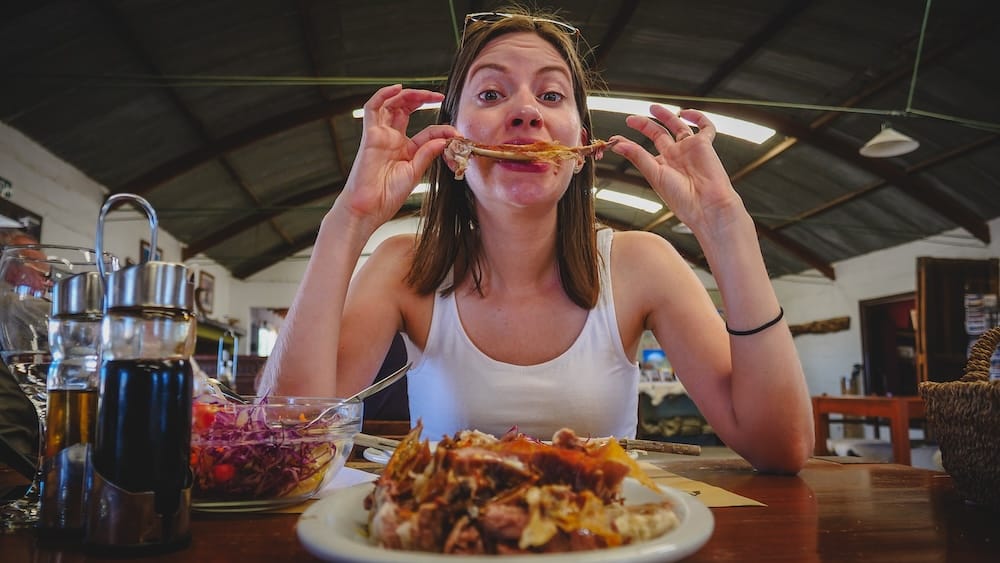
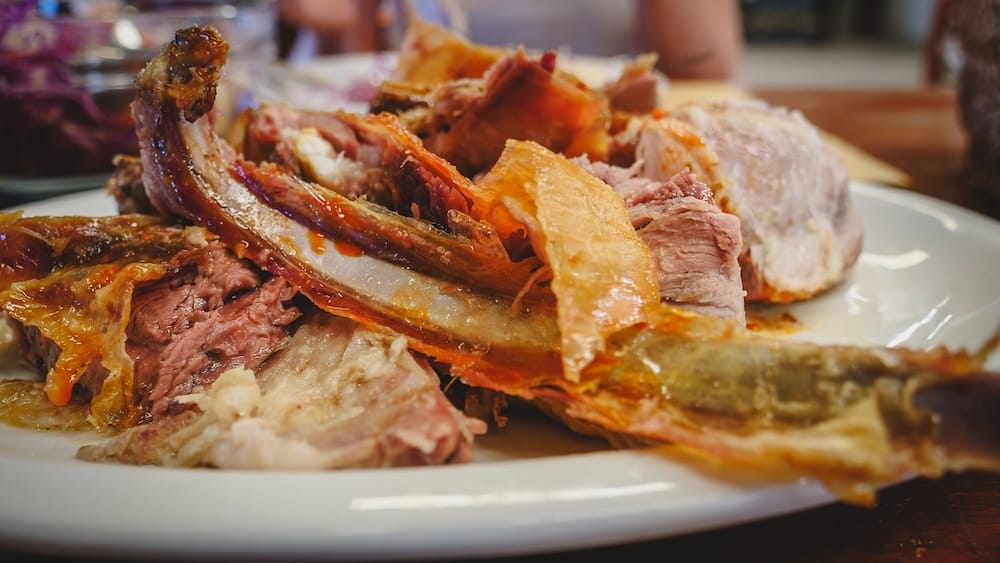
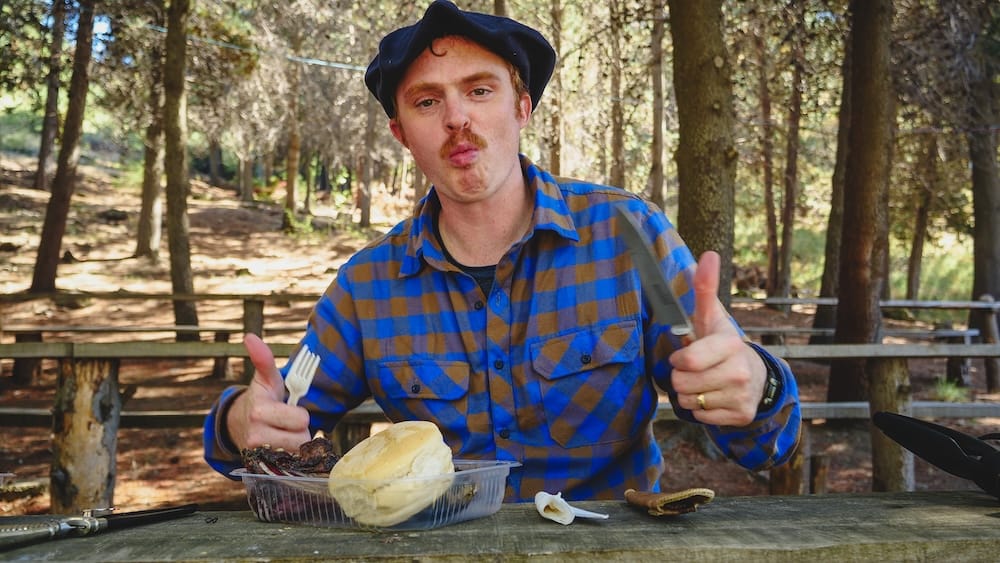
When a waiter walks up to your table and sets down a miniature wooden ladder draped in freshly roasted lamb ribs, you don’t ask for a fork. You roll up your sleeves, abandon whatever table manners you brought with you to Argentina, and you just get in there.
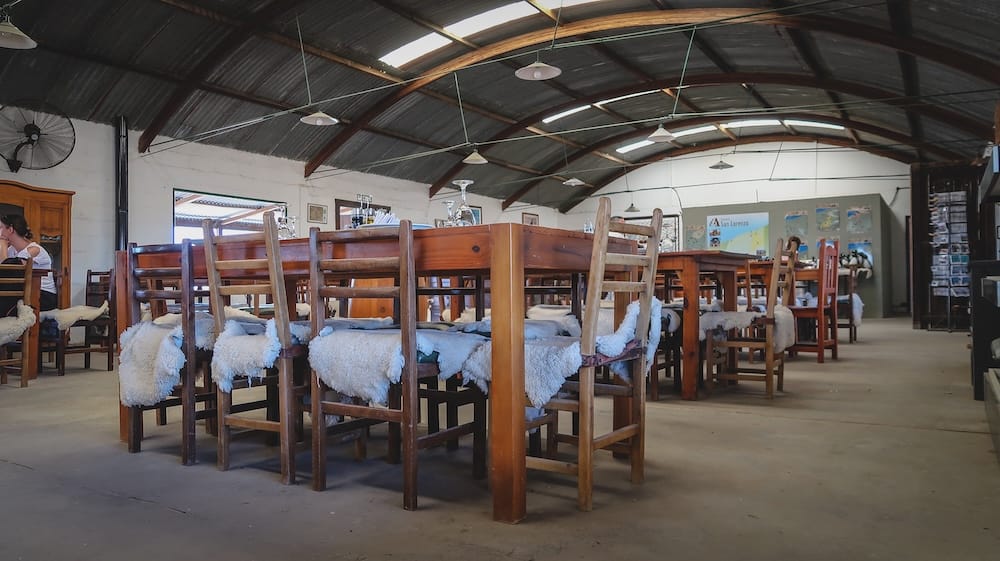
That was my exact physical reality at Estancia San Lorenzo, tucked away on the windswept Peninsula Valdes. We had arrived absolutely famished, dust-covered, and ready to experience the culinary holy grail of southern Argentina. As I pulled a rib from the wooden rungs, the meat practically melted off the bone, leaving my fingers coated in rich, perfectly rendered fat. It was primal. It was joyous. And it fundamentally rewired my understanding of what lamb is supposed to taste like.
If you’ve watched our YouTube channel for any length of time, you know we travel for food. But Patagonian lamb—cordero patagónico—is not just another meal to tick off a generic itinerary. It is a geographically protected, scientifically distinct, and highly ritualized culinary ecosystem. The generic travel brochures will tell you to simply “order the lamb on a cross.” What they won’t tell you is how to navigate the massive bone-to-meat ratios, the hidden table fees, the punishing Patagonian winds required to reach the best parrillas, or the unwritten rules of paying with physical cash to avoid a massive markup.
This isn’t just a love letter to my favorite meat on earth. This is your encyclopedic, boots-on-the-ground, survival guide to eating Patagonian lamb.
Patagonian Cordero: The Definitive 360-Degree Reality Matrix
| Category | The “Brochure” Version | The Nomadic Samuel Reality | Micro-Logistics & Data |
| The Flavor Profile | “It tastes like lamb.” | Lean, subtly sweet, and radically less “gamey” than North American or UK sheep. | The Terroir: Driven by the 42nd Parallel Law. A diet of dry coirón grass and saline coastal air (Peninsula Valdes). |
| The Presentation | Served on a standard plate. | Often arrives on a Miniature Wooden Ladder or a massive iron cross (asador). | Samuel’s Pro-Tip: Ditch the fork. The ribs (costillas) are designed to be eaten by hand. Respect the bone. |
| Ordering Strategy | “Order a portion for two.” | The 50% Rule: Patagonian lambs are lean. Expect half the plate to be bone/fat (desperdicio). | The Fix: Order la pierna (leg) for maximum meat; order las costillas (ribs) for maximum rendered flavor. |
| Typical Cost | ~10,000 ARS (Outdated) | ~35,000 – 45,000 ARS ($25-$35 USD) for a full sit-down meal. | The “Moat”: Prices in El Calafate/Ushuaia are 30% higher than the “Value Mecca” of the Cholila Festival. |
| The Beverage | Mendoza Malbec. | Pinot Noir (Río Negro) or IPA (Bariloche). | Why: High-tannin reds crush the delicate lamb flavor. You need cool-climate acidity to cut the fat. |
| Hidden Fees | None mentioned. | The Cubierto Trap. | Data: Expect a mandatory 1,500–3,000 ARS per person “table fee.” Meat is served “naked” (sides are à la carte). |
| Seasonality | Available year-round. | November is for tenderness; April is for muscle and depth. | The Clock: Nov–Jan yields the youngest meat; Mar–Apr edges toward the tougher capón profile. |
| Payment Reality | “Cards are fine.” | The Efectivo Illusion. | Strategy: Use cards for the MEP rate, but always ask: “¿Hay descuento por pago en efectivo?” for a 10-20% cash discount. |
| Physical Effort | “Walk to a restaurant.” | The Ushuaia Incline and Calafate Wind Tunnel. | Transit Reality: No Uber/Cabify in the south. Use a Remis if the wind is over 40mph or the hill is over a 15% grade. |
The 42nd Latitude Law & The Salt-Cured Steppe
The first time you take a bite of true cordero patagónico, your brain experiences a moment of cognitive dissonance. If you grew up eating North American, British, or New Zealand lamb, you are braced for a heavy, grassy, intensely “gamey” flavor profile. Patagonian lamb doesn’t have that. It is subtly sweet, noticeably leaner in the muscle, and boasts a crystalline, clean fat cap.
Before the meat even arrived on our miniature ladder at Estancia San Lorenzo, our local guide laid out the biological reality of why the flavor is so radically different down here. It all comes down to the harsh, unforgiving terroir.
These sheep (primarily Corriedale and Merino breeds introduced by early British explorers) do not graze on lush, wet, clover-dense pastures. They survive on the arid Patagonian steppe. Their diet consists almost entirely of coirón (a hard, dry, native bunchgrass), wild mountain herbs, and natural spring water. But on the coast—specifically where we were on the Valdes Peninsula—the guide explained that the raging ocean winds physically permeate the coastal vegetation with sea salt. The sheep consume this naturally briny diet, essentially pre-seasoning the meat from the inside out and giving it a distinct marine salinity.
[Samuel’s Legal Reality Check]
You cannot just slap the word “Patagonian” on a menu and call it a day. Since 2014, true Patagonian lamb holds a strict Indicación Geográfica Protegida (IGP) status. To legally be sold as Cordero Patagónico, the animal must be born, raised entirely free-range, and processed south of the Río Colorado (the 42nd parallel).
This 42nd parallel isn’t just a line on a map; it is an internationally recognized agricultural border. The entire region south of this line is officially recognized as free of foot-and-mouth disease without vaccination. Because the air is pristine and the land is utterly devoid of industrial pollutants, the animals grow naturally without a single drop of antibiotics or artificial growth hormones.
Furthermore, true IGP cordero must be under 300 days old, weighing strictly between 5.5 and 30 kilograms. If you are eating in a tourist trap during peak season and the meat tastes incredibly tough or overwhelmingly gamey, you have likely fallen victim to the capón bait-and-switch. Some lower-tier empanada stands and casual eateries will substitute true lamb for capón (a castrated male over 20 months old) or oveja (an older female sheep) to save on costs.
The Flavor Profile Matrix: Patagonian vs. Standard Lamb
| Metric | IGP Patagonian Lamb | Standard International Lamb | The “Why” Behind the Data |
| Primary Diet | Dry coirón grass, wild herbs, saline brush | Lush wet pasture, grain feedlots | The arid diet prevents the buildup of the heavy compounds that cause “gamey” flavors. |
| Fat Distribution | Concentrated exterior cap, very lean muscle | Heavy marbling throughout | The harsh climate and vast grazing distances require the animal to stay lean and muscular. |
| Chemical Additives | Zero (Legally mandated) | Routine antibiotics, grain hormones | The 42nd Parallel FMD-free zone allows for entirely natural, wild-roaming lifecycles. |
| Age at Harvest | Strictly under 300 days | Varies wildly (often up to 14 months) | IGP laws require harvesting before the meat develops the tough texture of mutton or capón. |
The Anatomy of the Iron Cross (And The Cholila Value Shock)
Forget the polished, overpriced steakhouses of El Calafate for a moment. If you want to understand the soul of this culinary tradition, you have to look at how the locals celebrate it.
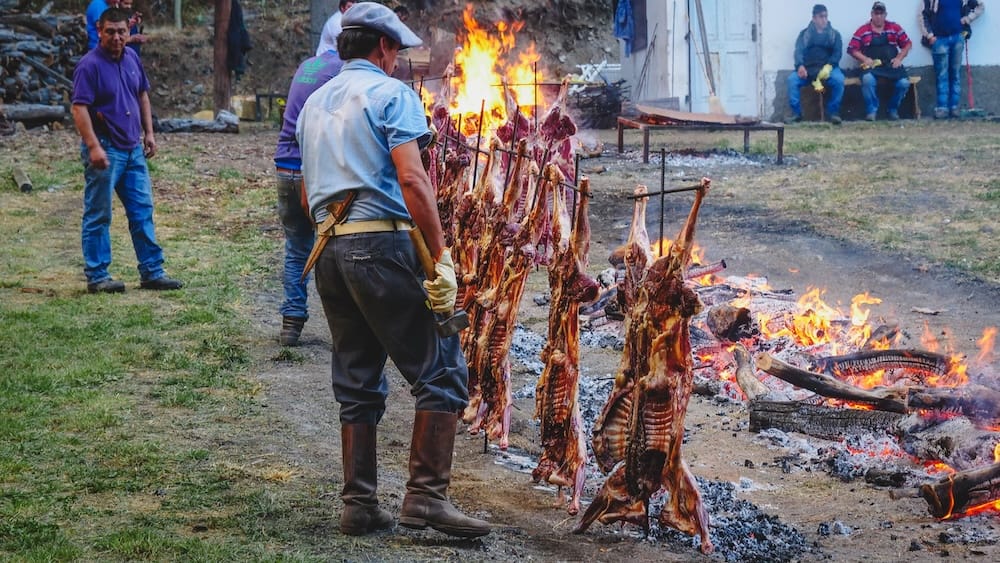
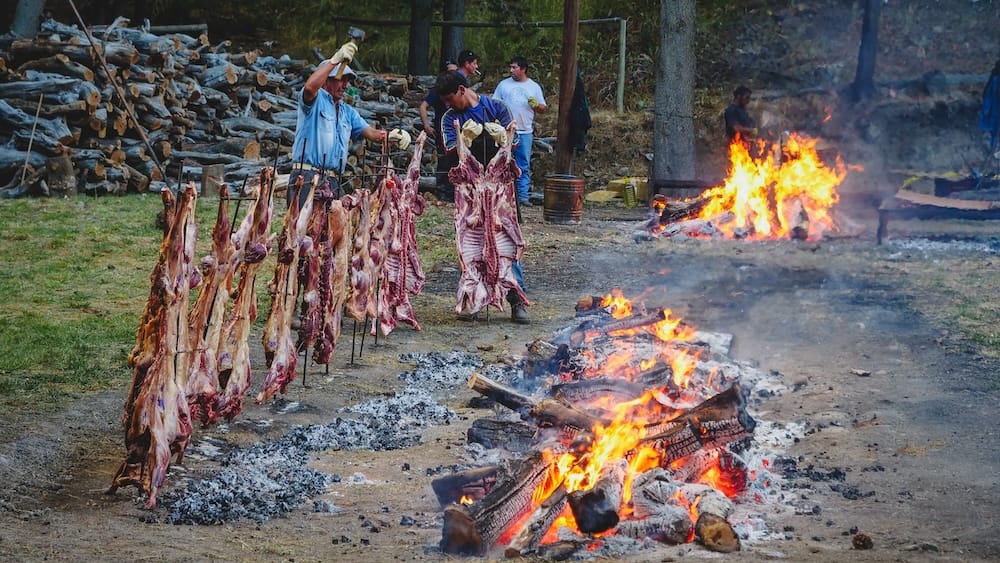
During our journey, whilst staying in El Bolsón, Audrey and I (thanks to our friend Valentin) managed to time our route perfectly with the Fiesta Nacional del Asado (The National Roast Festival) in the small town of Cholila, Chubut. Walking into that field was a sensory overload of biblical proportions. Instead of a single lamb in a restaurant window, we were staring down a staggering array of hundreds of lambs cooking simultaneously.
Rows upon rows of iron crosses (asadores) were staked directly into the earth over massive trenches of open wood fire. The smoke was thick, the gauchos were actively tending the flames, and I was desperately trying to take off his trusty 15-year-old glasses so the camera wouldn’t catch the glare. It was an incredibly goofy, behind-the-scenes moment for our YouTube channel, but it underscored the sheer scale of the event.
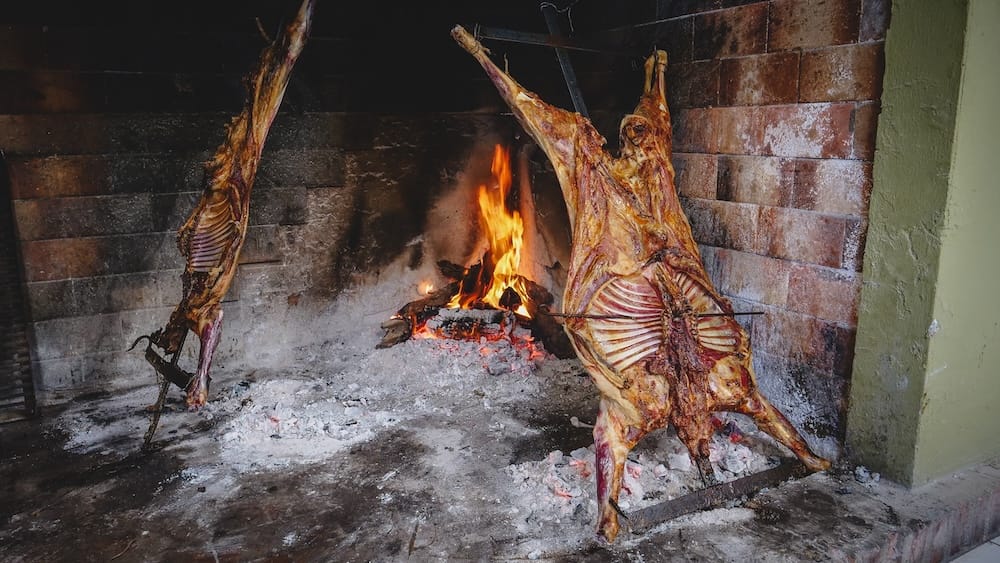
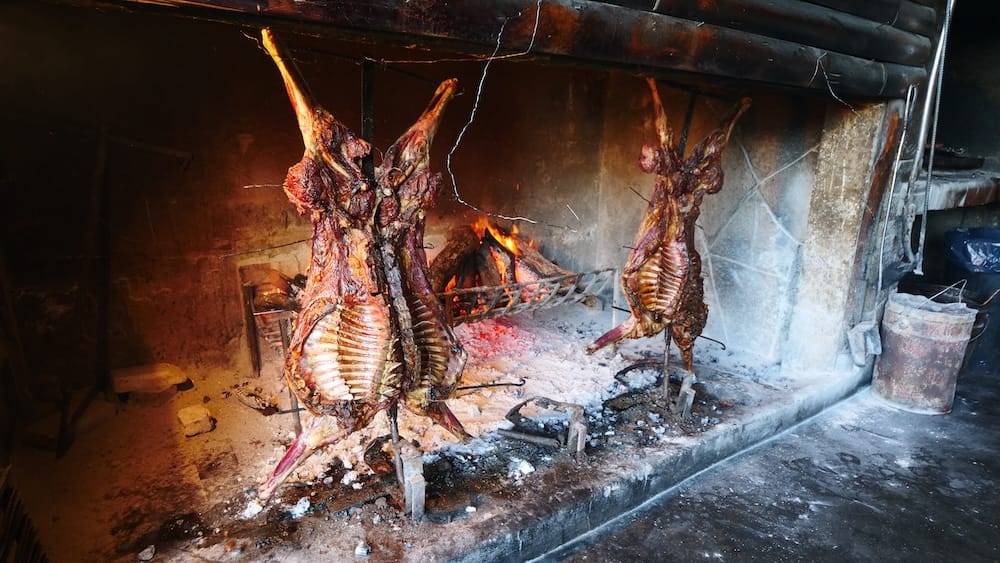
This is where you see the true mechanics of Cordero al Asador (or A la Cruz). It is an agonizingly slow process. The lamb is split completely down the middle and splayed open on the iron cross with its hindquarters pointing up. The gauchos always start with the bone-side facing the fire (typically fueled by native lenga or ñire wood) for a grueling three hours.
They do not use heavy BBQ rubs. They do not use sticky glazes. Every twenty minutes, the asador will baste the meat with a salmuera—a warm brine consisting only of coarse salt, smashed garlic, sprigs of rosemary, and bay leaves. Only in the final hour is the cross rotated to face the meat-side to the flames, blistering the skin into a crispy, golden shell while rendering the final layers of fat.
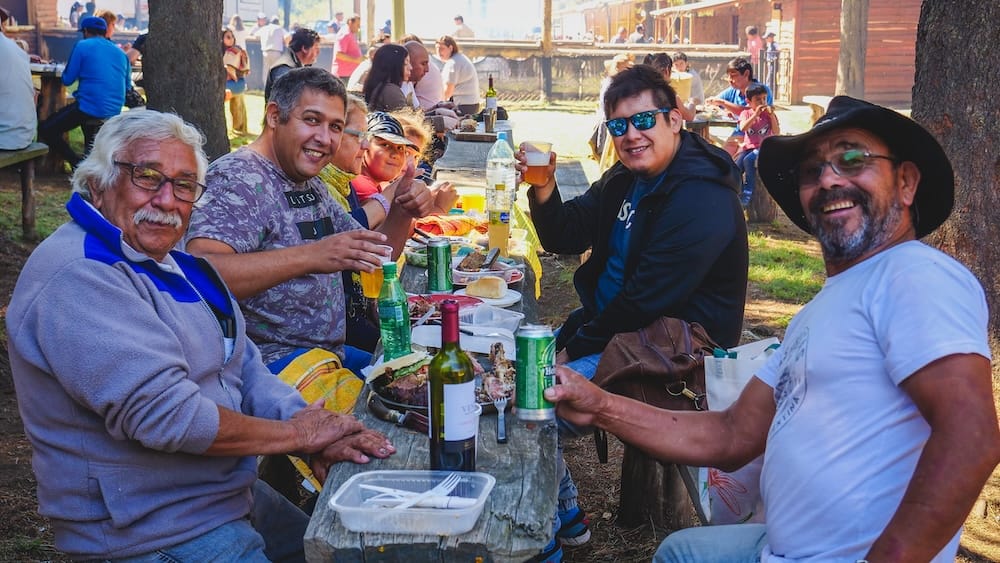
The logistical reality of this festival absolutely shattered our baseline for Patagonian pricing. We sat down at a picnic table, completely overwhelmed by the value. For just under $30 USD total (roughly $15 per person), we were handed a massive platter of freshly carved lamb, an overflowing bread basket, a crisp local salad, and—I am not making this up—an entire bottle of red wine. It was the ultimate, unfiltered Patagonian experience.
The Bone-Yield Trap: Ordering Like a Local
You will likely not have a Cholila festival to rely on, which means you will be navigating standard restaurant menus. Here is where the brochure-reality shatters and the logistical friction begins.
When a budget-conscious traveler sits down at a highly-rated parrilla and sees “Cordero para 2” (Lamb for two) listed for roughly 78,000 ARS, they expect a massive, American-style, boneless steak yield. When the plate arrives, the heartbreak sets in.
[Samuel’s Menu Triage Warning]
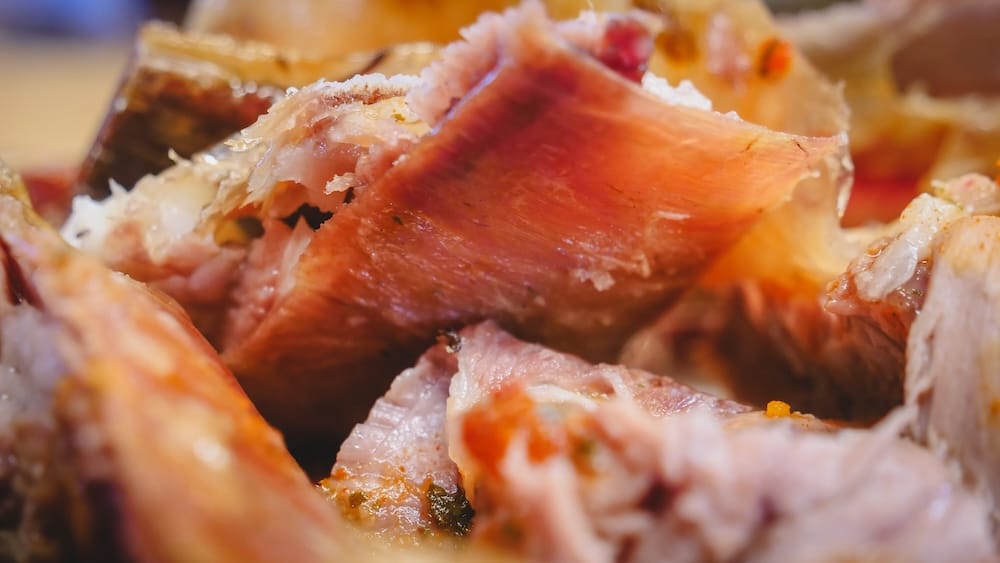
Do not be shocked by the Desperdicio (the waste). Because Patagonian lambs are small, lean, and cooked whole on the bone, a standard serving is about 50% bone and unrendered fat. If you just spent eight hours hiking the Fitz Roy trails, a “portion for two” will leave two starving hikers fighting over scraps.
If you want to maximize your yield, you must know how to communicate with your waiter. Do not just say “I want the lamb.”
- For maximum dense meat: Ask for la pierna (the leg). This is the meatiest, leanest cut available.
- For maximum flavor and crispy skin: Ask for las costillas (the ribs). You will get less meat, but the fat-rendered flavor is unparalleled.
And if you want to eat like a true Patagonian, you have to look past the pristine cuts entirely. While filming a food tour in El Bolsón, I found myself standing in front of a sizzling grill staring down the chinchulín . These are the lamb intestines. I looked at the camera, admitted it was “pretty adventurous for some people,” and took a bite. It is chewy, intensely earthy, and absolutely essential to understanding the local nose-to-tail ethos. Show some respect for the whole animal.
Navigating El Calafate: Wind Tunnels, Cubiertos, and Premium Cuts
El Calafate is the undisputed tourist capital of Argentine Patagonia, serving as the gateway to the Perito Moreno Glacier. Because of this, the lamb here is spectacular, but the logistics of acquiring it are fraught with hidden fees and physical hurdles.
The undisputed heavyweight champion of the town is La Tablita. If you Google “best lamb in El Calafate,” this is where every algorithm points you. And the algorithms aren’t wrong—their Cordero al Asador is legendary, featuring perfectly rendered fat and an incredibly crisp exterior.
But you cannot just walk into La Tablita at 8:00 PM and expect a table. Walk-ins are routinely laughed out of the lobby. You must secure a reservation via WhatsApp days in advance, especially during the high season (November to March).
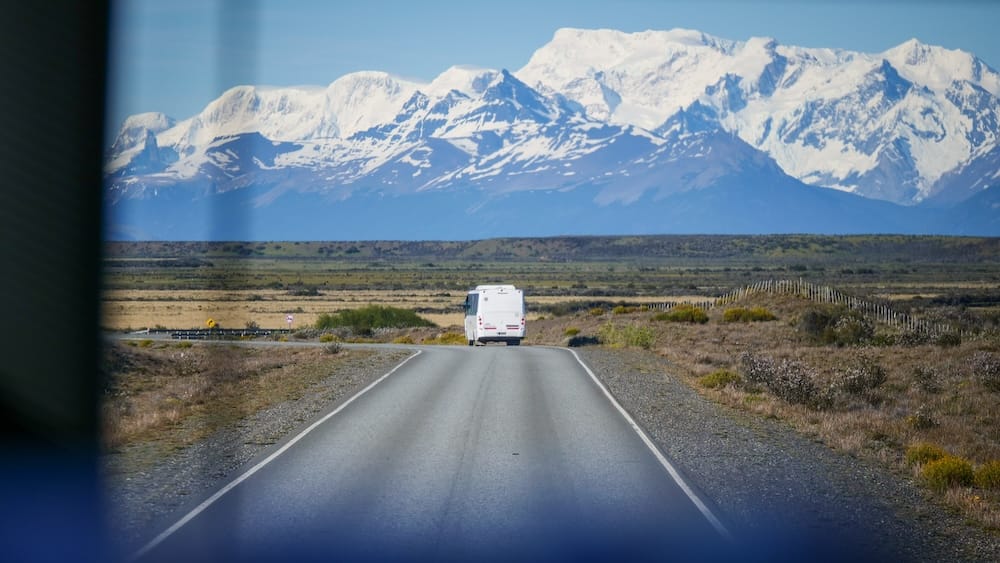
Once you secure the reservation, you have to physically get there. Google Maps will tell you it is a “pleasant 15-minute walk” down the main drag, Avenida del Libertador. Google Maps does not account for the Patagonian Wind Tunnel. Gusts in El Calafate routinely hit 40 to 60 mph. Walking to dinner means arriving with windburn, freezing cold, and covered in a fine layer of steppe dust.
If you are staying outside the immediate downtown core, do not expect to pull out your phone and call an Uber. Rideshare apps are virtually non-existent or completely unreliable down here. You must have your hotel front desk call a Remis (a pre-booked private radio taxi), or you need to physically locate a parada de taxis (taxi stand). Do not leave yourself stranded in the freezing wind after a heavy meal.
When the bill arrives, brace yourself for the naked meat reality. The lamb itself at La Tablita will run you roughly 18,000 to 22,000 ARS (about $18-$22 USD at the current MEP rate). But that price is for the meat and the meat only.
In Argentina, steakhouses charge a mandatory cubierto—a sit-down/bread fee of roughly 1,500 to 3,000 ARS per person just for occupying the chair. Furthermore, guarniciones (side dishes like papas fritas or salads) are strictly à la carte. By the time you add the cubierto, a side of potatoes, a glass of Malbec, and the tip, your $20 lamb is now a $35+ full meal.
Ushuaia’s Vertical Climb & The Fueguino Terroir
If you travel all the way to the End of the World, the rules change again. Down in Ushuaia (Tierra del Fuego), locals fiercely defend the distinction between Cordero Patagónico and Cordero Fueguino. Because this island sits at the extreme southern tip of the continent, the sheep graze almost exclusively in coastal areas, ingesting highly saline flora whipped up by the Antarctic winds. The resulting meat has a distinct, marine-adjacent terroir that tastes almost pre-brined compared to the arid steppe lambs of Calafate.
But getting to this meat requires physical stamina. Ushuaia is built into the side of a steep, unforgiving mountain. The main tourist drag, Avenida San Martín, is perfectly flat and walkable. This is where you will find heavily marketed spots like Parrilla La Estancia. They offer a Tenedor Libre (all-you-can-eat) lamb setup for roughly 30,000 to 40,000 ARS. However, recent logistical data and traveler forums warn that during peak cruise ship hours, the service here is highly rushed, and the meat can sit under heat lamps drying out.
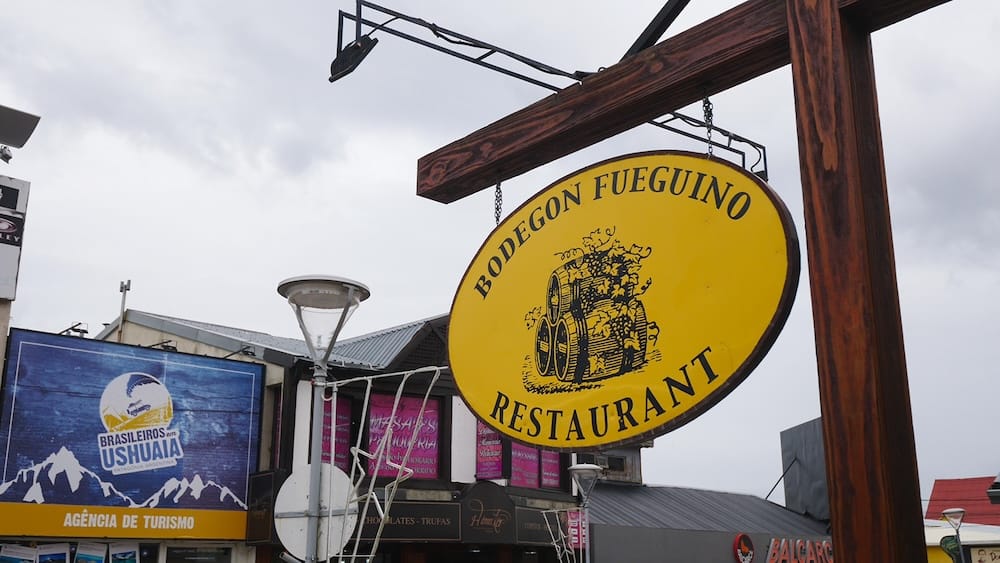
If you want the true local experience, you have to go to Bodegón Fueguino, also located conveniently on San Martín. But if you decide to explore the more premium, panoramic restaurants located just one or two blocks north (streets like Deloqui or Martial), you are in for a brutal surprise.
[Samuel’s Terrain Warning]
Do not let the “two block walk” on Google Maps fool you. The moment you step off San Martín, you are facing severe, calf-burning vertical inclines. In the shoulder seasons, these steep sidewalks are slick with ice, sleet, or broken concrete. If you are wearing nice dinner shoes or your legs are shot from hiking Tierra del Fuego National Park, call a taxi.
The Ushuaia Culinary Friction Ledger
| Venue / Strategy | Recent Price Estimate | The Culinary Reality | Logistics & Friction Points |
| Bodegón Fueguino (San Martín 859) | Full Meal: ~20k–28k ARS ($20-$28 USD) | Cordero al Champiñón (Stewed/sauced lamb). Flat, walkable location. | 12:00–15:00 & 19:00–23:30. Friction: Insanely popular. Arriving after 20:30 guarantees a 45+ minute wait in the cold. |
| Parrilla La Estancia (Gdor. Godoy 155) | Full Meal: ~30k–40k ARS ($30-$40 USD) | Tenedor Libre (All-You-Can-Eat). Massive volume. | 12:00–15:00 & 19:00–00:00. Friction: The cruise-ship trap. Sneaky tip inclusions on the bill. |
Beyond the Cross: The “Monsterpiece” Lasagna & Other Anomalies
We need to shatter the myth that Patagonian lamb is only ever served impaled on a metal cross. The sheer versatility of this meat is staggering, and some of the best meals of our trip happened when chefs strayed from the traditional asado.
Take the absolute behemoth I encountered at Don Chiquino in the town of Esquel. I am a sucker for Italian food, and the Italian immigration influence in Argentina is massive. I ordered their signature dish, completely unprepared for what was about to arrive. It was a “Monsterpiece” of a lasagna, roughly the size of a brick, utterly stuffed with creamy, slow-ground Patagonian lamb and drowning in a rich, garlicky Napolitana sauce. It was so impossibly tender it practically dissolved on contact. You barely had to chew.
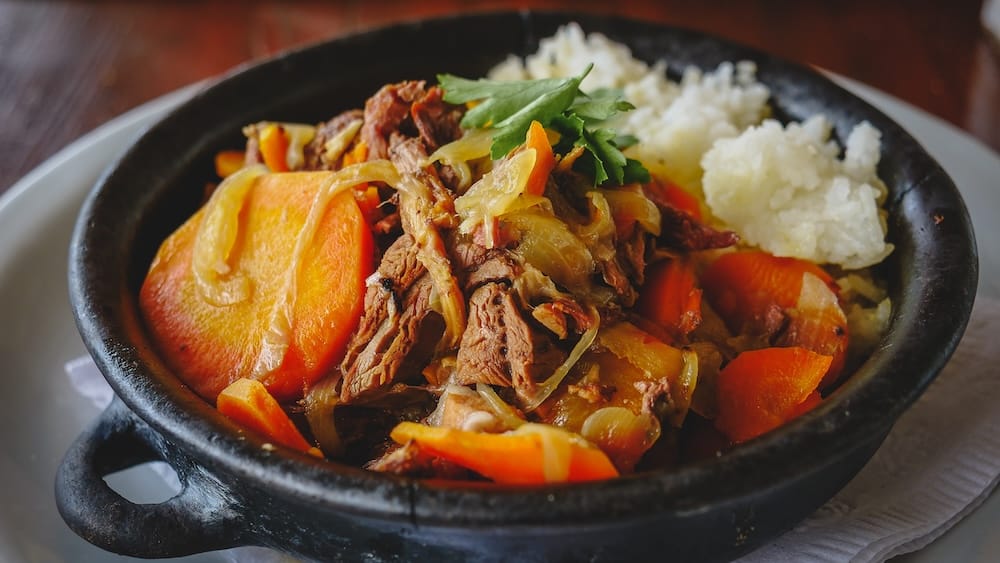
Then there was the sheer comfort of arriving at Faro Punta Delgada on the Valdes Peninsula. Audrey and I had spent the entire day battered by the wind, looking for elephant seals, and arrived at the restaurant physically hollowed out. “We are starving,” I told the camera. The cure wasn’t a fancy steak; it was a humble, steaming bowl of Patagonian lamb stew. Carrots, onions, tender chunks of lamb, and rice. It looked incredibly simple, but the restorative power of that rich broth after a day in the elements was undeniable.
Sometimes, the culinary creativity gets a little too ambitious for a travel creator to capture properly. In a modern, contemporary restaurant in Trelew, I ordered a dish of beef paired with ground lamb and peanuts. The waiter brought it out under a glass cloche. He lifted the lid, and a massive, dramatic cloud of charcoal smoke rolled across the table. It was incredible.
The only problem? I forgot to hit record on the camera. Panicking, I asked the incredibly patient waiter to put the lid back on and do it again. The second attempt yielded a pathetic, wispy little tragedy of a smoke cloud. It was a hilarious, self-deprecating reminder that the experience is always better than the content.
And if you just want a quick, heavy lunch before hitting the trails, look no further than La Cucaracha in Puerto Pirámides. I ordered the “Patagonia Burger,” and lifting the bun revealed a massive, thick patty made entirely of ground lamb, buried under a molten layer of baked cheese, greens, and sun-dried tomatoes. It proves you don’t need a four-hour fire to experience the flavor of the steppe.
It is a bizarre emotional tightrope to travel through this region. In Puerto Madryn, at a spot called Parador Yoaquina, I was served what I confidently declared to the camera was “the best lamb I’ve ever had in my entire life”—an insanely tender cut wrapped entirely in crispy bacon, served with a sweet plum puree. But as I took that euphoric bite, my heart sank. Just off the patio, a pair of the sweetest, most desperate local street dogs were being aggressively shooed away by the staff. It’s the raw reality of traveling in South America: moments of extreme culinary luxury sitting right next door to gritty street realities.
The Alternative Lamb Preparations Matrix
| Venue / Location | Signature Dish | Why It Matters | Price / Vibe |
| Don Chiquino (Esquel) | The “Monsterpiece” Lamb Lasagna | Showcases the heavy Italian/Argentine fusion. Creamy, ground lamb texture. | Mid-range. Absolute gut-buster. Perfect post-hike triage. |
| La Cucaracha (Puerto Pirámides) | The Giant Patagonia Lamb Burger | Quick, massive yield. Proves lamb works flawlessly in casual, fast-casual formats. | Budget-friendly. Sun-dried tomatoes cut the richness perfectly. |
| Parador Yoaquina (Puerto Madryn) | Bacon-Wrapped Lamb w/ Plum Puree | The sweet/salty contrast of the plum against the bacon fat is Michelin-level flavor. | Upscale beach-town dining. Watch out for the stray pups. |
| Faro Punta Delgada (Valdes) | Traditional Patagonian Lamb Stew | Utilitarian comfort food. Melts in your mouth. Fixes extreme wind-fatigue. | Remote outpost pricing. Essential survival calories. |
The Liquid Terroir: Why You Need to Put Down the Mendoza Malbec
When the waiter finally approaches the table to take your drink order, your instinct is going to kick in. You are in Argentina, you are ordering a massive pile of roasted meat, and therefore, you must order the heaviest, jammiest Mendoza Malbec on the menu.
Resist this urge immediately.
Pairing a high-tannin, altitude-heavy Mendoza red with Patagonian lamb is a rookie culinary mistake. Because this meat is so distinctively lean and subtly sweet—lacking the aggressive, irony punch of a massive beef ribeye—a heavy Malbec will completely crush the delicate, wind-swept terroir we just talked about. You won’t taste the steppe; you will only taste the oak and the grapes.
If you are eating Patagonian meat, you need to be drinking Patagonian liquids. The deep south of Argentina has a thriving, highly specific beverage ecosystem built to cut right through rendered lamb fat.
Instead of looking at Mendoza on the wine list, scan the menu for bottles produced in the Río Negro or Neuquén provinces. Because of the extreme southern latitude and the brutal temperature swings between day and night, these regions produce some of the best cool-climate wines on the planet.
You are looking specifically for a Patagonian Pinot Noir. The bright, sharp acidity of a southern Pinot acts as a natural palate cleanser, slicing straight through the rich salmuera brine and the fatty rib cuts without overpowering the meat itself. It is a Michelin-level pairing hiding in plain sight at almost every parrilla.
If you aren’t a wine person, the region has a backup plan. The Andean towns of Bariloche and El Bolsón are the undisputed capitals of Argentine cerveza artesanal (craft beer). A brutally cold, hop-heavy Patagonian IPA works wonders against the woodsmoke and the fat of the lamb, offering a much more casual, highly carbonated reset between bites.
The Patagonian Beverage Triage
- The Go-To Wine: Pinot Noir from Río Negro or Neuquén. (Look for bodegas like Humberto Canale or Familia Schroeder).
- The White Wine Backup: A Patagonian Sauvignon Blanc. The sharp, crisp minerality pairs beautifully with leaner cuts like the leg (la pierna).
- The Beer Route: An IPA or an Amber Ale (Roja) from Bariloche or El Bolsón microbreweries.
- The Hard Rule: Save the massive Mendoza Malbecs for the bife de chorizo (sirloin steak) you eat when you fly back to Buenos Aires.
The Condiment Contradiction: Step Away From the Chimichurri
There is a visceral, almost Pavlovian reflex that happens to tourists when they sit down at an Argentine restaurant. A small ceramic bowl of oil, vinegar, red pepper flakes, and raw garlic is placed on the table, and the tourist immediately prepares to drown their entire meal in it.
Step away from the chimichurri.
I understand the impulse. Chimichurri is the undisputed king of Argentine condiments, but it belongs to the Pampas—the central plains where beef reigns supreme. Slathering a spoonful of heavy vinegar and aggressive raw garlic over a piece of true Cordero Patagónico is a massive cultural faux pas, and more importantly, it absolutely ruins the meal.
[Samuel’s Condiment Reality Check] True Patagonian lamb is already seasoned. For three to four hours, the asador has been painstakingly basting the meat with salmuera—a hot, steeped brine of coarse sea salt, garlic cloves, and rosemary. The meat has already absorbed exactly what it needs to shine.
When you dump chimichurri over the lamb, you are obliterating the delicate, 300-day-old steppe terroir and the naturally salty coastal notes. You are effectively paying 35,000 ARS to eat a bowl of garlic and vinegar.
If the waiter brings a condiment caddy to the table, use it strategically. Save the chimichurri for the choripán (sausage) you order as a starter. If you absolutely must have a sauce for the lamb, look for a mild salsa criolla (finely diced bell peppers, onions, and tomatoes with a splash of oil). But honestly? The highest compliment you can pay the gaucho working the fire pit is to eat the lamb completely naked, exactly as it comes off the iron cross.
The Agricultural Clock: Why Your Travel Month Dictates Your Meal
When most people book a flight down to the southern tip of Argentina, they are obsessively checking the weather forecast. You time your trip to avoid the blistering winter snow or to guarantee clear skies for that grueling hike up to the Fitz Roy base camp. But if you are coming here with the intention of eating your weight in cordero, you need to stop looking at the weather app and start looking at the agricultural calendar.
Lamb is not a manufactured product that rolls off an assembly line tasting exactly the same 365 days a year. It is a hyper-seasonal, lived-in agricultural reality. A cut of meat eaten at a parrilla in early November is a biologically different meal than one eaten in late April.
To understand the seasonal shift, you have to look back at the strict 300-day lifecycle limit dictated by the regional IGP laws. The Patagonian lambing season typically peaks in the late winter and early spring. This means that if you arrive at the very beginning of the Patagonian tourism season—roughly November through January—you are catching the meat at its absolute peak of tenderness. The animals are young, their diet of spring coirón grass is relatively fresh, and the resulting meat is incredibly delicate, practically dissolving the moment you pull it off the iron cross.
[Samuel’s Shoulder-Season Reality Check] As the tourism season drags on, so does the lifecycle of the flock. By the time the brilliant autumn colors hit the lenga trees in March and April, the remaining lambs are older, significantly larger, and have spent months building dense muscle to survive the impending winter. The meat you eat in the late shoulder season is going to be visibly chewier and carry a much deeper, almost gamier flavor profile.
This late-season shift is where many tourists get caught completely off guard. If you visit in late April, sit down at a budget parrilla, and order a cheap cut, you are pushing right up against the edge of the capón territory we talked about earlier. The older the animal gets, the further it moves away from the sweet, subtle notes of true spring lamb and into the robust, heavy territory of mutton. It isn’t necessarily a bad flavor, but if you are expecting that melt-in-your-mouth tenderness you saw on a YouTube vlog filmed in December, your jaw is in for a serious workout.
If you are a true culinary traveler, you need to manage your expectations and order accordingly based on the exact month you land.
The Patagonian Lamb Seasonal Matrix
- Spring / Early Summer (November – January): The Premium Cut. This is the peak window for absolute tenderness and that subtle, sweet, non-gamey flavor. The trade-off? The animals are smaller, meaning your bone-to-meat ratio (desperdicio) will be at its absolute highest. Order the ribs (costillas) to maximize the delicate rendered fat.
- Mid-Summer (February): The Sweet Spot. The animals have grown slightly, offering a bit more meat yield on the bone while still retaining the tender characteristics of a young sheep.
- Autumn / Late Season (March – April): The Heavyweight. Maximum meat yield, but denser muscle tissue and a deeper, earthier flavor profile that begins to approach the gaminess of capón. This is the time of year to ditch the open-fire cross and order your lamb slow-braised in a stew or a rich pasta sauce, where the cooking liquid can break down the tougher muscle fibers.
- Winter (May – October): The Off-Season. The brutal Patagonian winter sets in. Many of the top tourist parrillas close entirely or operate on skeleton hours. If you are eating lamb now, you are almost certainly eating frozen reserves or older stock in hearty stews.
The Financial Triage: Cash, Cards, and Cabs
You cannot eat well in Patagonia if you do not understand how to pay for it. The economic landscape in Argentina shifts constantly, and navigating the bill at a steakhouse is a logistical hurdle all its own.
If you are traveling now, the great news is that foreign Visa and Mastercards finally trigger the “MEP” exchange rate automatically. This means your plastic gets you nearly the same incredible purchasing power as the legendary “Blue Dollar” black market rate.
But here is the illusion: just because your card works doesn’t mean you should use it.
What the high-end parrillas in El Calafate and Ushuaia do not advertise online is the Efectivo (Cash) discount. If you pay with physical ARS banknotes, many restaurants will entirely waive the 21% VAT or offer a quiet, unwritten 10% to 20% discount on the total bill.
[Samuel’s Cash-in-Hand Warning]
Do not blindly hand over your Visa card. Go to a Western Union or a local cueva, pull out physical pesos, and always ask the waiter, “¿Hay descuento por pago en efectivo?” (Is there a discount for paying in cash?) before asking for the check.
Furthermore, you are walking into a tipping trap. In Argentina, you generally cannot add a propina (tip) to a credit card receipt. The machine simply won’t allow it. You must have small ARS bills on hand to leave the standard 10% on the table. However, review your physical receipt like a hawk. Some high-traffic tourist traps have been flagged for sneakily adding the tip directly to the final bill under the guise of Servicio, knowing exhausted foreigners won’t catch it. Do not double-tip.
The Patagonian Lamb Decision Matrix: Pick the Right Experience for Your Trip
Not every Patagonian lamb meal is trying to do the same thing. Some are about spectacle. Some are about comfort. Some are about getting maximum meat after a brutal hike. And some are pure culinary flex. If you know what kind of traveler you are on a given day, it becomes much easier to choose the right lamb experience instead of blindly chasing the most famous name on Google.
| Traveler Type | Best Lamb Experience | Why It Works | Trade-Off |
|---|---|---|---|
| First-time Patagonia visitor | Cordero al asador at a classic parrilla | Gives you the iconic iron-cross experience and the visual drama people imagine when they think of Patagonian lamb | Can be expensive, bony, and tourist-heavy |
| Budget-conscious foodie | Cholila-style festival meal or rustic local parrilla | Best value, huge portions, and the most authentic gaucho energy | Timing is everything; festival-style experiences are not always available |
| Extremely hungry hiker | La pierna or a lamb stew | Higher meat yield and more practical calories after a long day outdoors | Less theatrical than ribs on a cross |
| Flavor purist | Las costillas with minimal sauce | Best rendered fat, crispy edges, and the deepest expression of salmuera and smoke | Lower meat yield and more bone |
| Comfort-food seeker | Lamb stew, lamb pasta, or lamb lasagna | Great way to experience the flavor profile without committing to a giant bone-in platter | Less visually iconic |
| Casual lunch traveler | Lamb burger or lamb empanada-style preparations | Faster, easier, and more affordable than a full sit-down parrilla session | Less ritual, less drama |
| Luxury traveler | Fine-dining lamb preparation with a refined sauce or fruit puree | Lets you see how local lamb performs in a more chef-driven setting | Can drift away from the traditional Patagonian soul |
| Shoulder-season traveler | Braised or stewed lamb | Better match for older, denser late-season meat | Less of that classic open-fire payoff |
The Cut Strategy Matrix: What To Order Based on Hunger, Yield, and Flavor
The biggest rookie mistake in Patagonia is assuming all lamb portions are created equal. They are not. The difference between ordering the right cut and the wrong one is the difference between feeling gloriously full and quietly furious while staring at a plate of bones.
| Cut / Preparation | Best For | Meat Yield | Flavor Intensity | Texture | Order This When |
|---|---|---|---|---|---|
| La pierna | Hungry travelers, hikers, value seekers | High | Medium | Lean, dense, satisfying | You want the most edible meat for your money |
| Las costillas | Flavor hunters, first-timers, crispy-skin lovers | Low to medium | Very high | Rich, fatty, crisp-edged | You care more about the experience and rendered flavor than pure volume |
| Cordero a la cruz | Traditionalists and spectacle seekers | Medium | High | Mixed textures across the animal | You want the iconic Patagonian ritual |
| Lamb stew | Cold, tired, wind-blasted travelers | Medium to high | Medium-high | Soft, restorative, brothy | You need comfort and warmth more than theatrics |
| Ground lamb dishes | Casual eaters or quick lunch stops | High | Medium | Uniform, hearty | You want lamb flavor without wrestling bones |
| Lamb lasagna / pasta sauce | Foodies chasing variation | High | Medium-high | Tender, rich, saucy | You want a creative twist with strong comfort factor |
| Chinchulín | Adventurous eaters | Very low | Intense | Chewy, earthy | You want the full nose-to-tail experience |
The Final Bite
Traveling through Patagonia to eat lamb is not a passive experience. It requires you to battle the freezing winds of El Calafate, march up the calf-burning inclines of Ushuaia, navigate confusing cash discounts, and accept that half your plate might be bone and fat.
But when you finally sit down—whether it’s in front of a massive iron cross at a festival in Cholila, or tearing meat off a miniature wooden ladder on the Valdes Peninsula—the friction dissolves. You are tasting a hyper-specific, legally protected, geographically isolated piece of culinary history.
Just remember to ask for la pierna if you’re hungry, tip in cash, and for the love of God, don’t forget to hit record when the waiter lifts the smoke cloche.
If you want to see the sheer scale of the Cholila festival, the miniature meat ladder, or my embarrassing camera failures in real-time, be sure to check out the full Patagonia culinary series on our YouTube channel, and stay tuned for our upcoming hyper-specific city guides to El Calafate and Ushuaia.
FAQ: Patagonian Cordero (AKA Patagonian Lamb)
Is Patagonian lamb very “gamey” compared to what I eat at home?
Nope. If you’re used to that intense, funky “sheep” flavor from older mutton or grain-fed lamb, you’re in for a shock. Because these animals graze on the arid, wild herbs of the Patagonian steppe and are harvested young, the meat is famously clean, lean, and subtly sweet. It’s a completely different biological profile that even “lamb-haters” usually end up loving.
Can I find good Patagonian lamb options if I’m a vegetarian?
Surprisingly, yes. While a parrilla is a temple of meat, you aren’t stuck eating a sad side salad. Almost every traditional steakhouse in Argentina has a deep-rooted Italian influence, meaning you can usually find high-quality handmade pastas or a provoleta (a thick slab of grilled, melty cheese) that will change your life. Just be prepared for the fact that the primary “spectacle” in the room will still be the iron cross.
Is it okay to put chimichurri on my lamb?
Don’t do it. While chimichurri is the law for beef in Buenos Aires, slathering it over Patagonian lamb is considered a bit of a rookie move. The meat is already slow-basted for hours with a salmuera (garlic and rosemary brine) that is designed to let the natural flavor of the steppe shine. Taste it naked first—the gauchos worked for four hours to get that seasoning perfect.
Should I tip the “Asador” (grill master) directly?
Usually not. While you’ll see the asador working the fires with incredible skill, your 10% tip is generally left on the table for the waitstaff. However, if you’re at a smaller family estancia or a local festival like Cholila and the service was legendary, a small cash tip handed directly to the man at the fire is a massive sign of respect. Just make sure you have small ARS bills, as adding a tip to a credit card machine is tricky.
Do I need to worry about food safety with meat cooked over an open fire?
Zero. The traditional asador method involves a grueling, four-hour slow cook where the meat is exposed to constant, high-heat wood smoke. This isn’t a “flash-in-the-pan” operation; the heat penetrates the bone and renders the fat completely. Plus, the IGP laws ensure the meat is antibiotic-free and processed under strict regional health standards.
Is Patagonian lamb available all year round?
Technically, yes, but there’s a catch. While you can find it on menus in July, you’re hitting the peak of the brutal Patagonian winter. Many of the most authentic, open-air parrillas close during the off-season, and you’ll likely be eating “thawed” stock or older animals in stews rather than the fresh, tender spring lamb found from November to January.
What is the best cut of lamb to order if I’m really hungry?
La Pierna. If you’ve just finished an eight-hour trek and you’re “hollowed out,” avoid the ribs (costillas). While the ribs have the best crispy skin and flavor, they are about 50% bone and fat. Ask for the leg (la pierna) to get the highest yield of dense, lean protein for your pesos.
Can I pay for my meal with USD or Euros?
Sometimes, but don’t. While some tourist-heavy spots in El Calafate might accept physical foreign cash, you will almost always get a terrible “convenience” exchange rate. Your best strategy is to use your credit card to get the automated MEP rate, or better yet, pay in physical ARS pesos to hunt for that unwritten 10-20% efectivo discount.
Project 23 Argentina: This guide is also available in Spanish. [Lea la versión en castellano: El cordero patagónico es un plato imperdible — Por qué sabe distinto acá]