
My first visit to Germany was all about cities. For a month Audrey and I rented an apartment in Berlin, where we stayed a mere stone’s throw from Mauerpark. We used the capital as our base and added side trips to places such as Leipzig and Frankfurt. It was a solid introduction to Germany, but it was also a distinctly urban one.
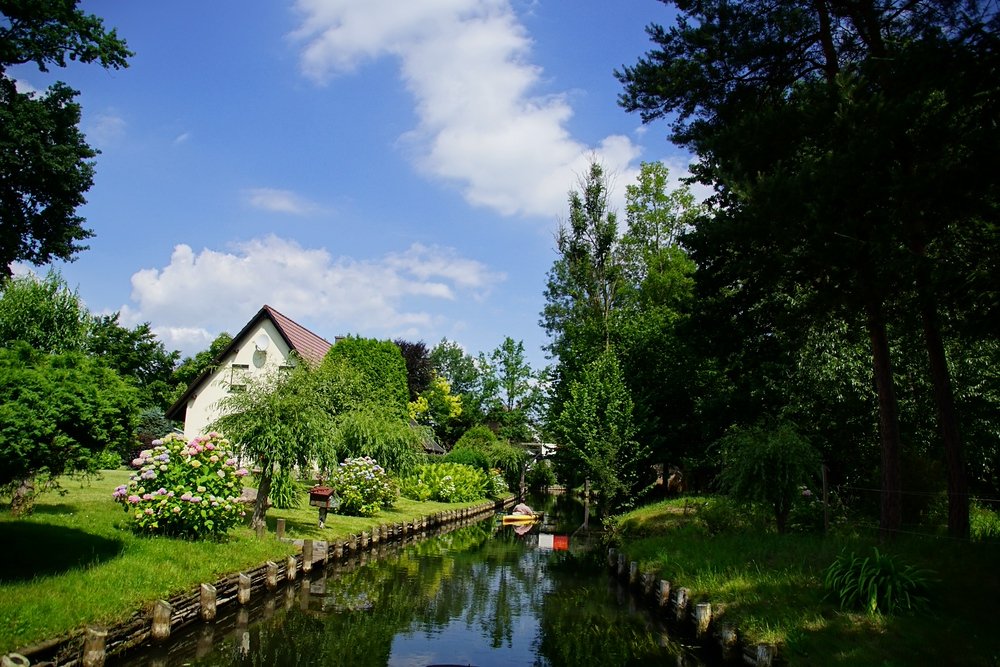
When we returned, we wanted to see a quieter side of the country: smaller communities, rural traditions and landscapes where the attraction was not another monument but the rhythm of the place itself. That brought us to Spreewald, a wetland region in Brandenburg threaded by canals, forest, meadows and villages.
Audrey and I spent two nights here. We had landed in Germany that same morning, picked up a rental car at the airport and driven straight to Spreewald while feeling jet-lagged, disoriented and only loosely attached to the correct time zone. It was not the elegant arrival of seasoned travel professionals. It was more a case of pointing the car toward the Spree forest and hoping cucumbers, canals and fresh air would revive us.
The campaign handled the logistics, which is why I no longer remember the name of our accommodation. What I do remember is the setting: deer outside our window, traditional houses tucked beside the waterways, a museum devoted to pickles, excellent regional meals, an artist-designed room inside Lübbenau railway station, an afternoon at Spreewelten and a boatman quietly doing the difficult work while I sat back with my camera.
This guide combines those firsthand experiences with updated planning information for travellers visiting independently. Spreewald can be visited as a day trip from Berlin, but two nights gave us enough time to stop treating the region like an attraction and start appreciating why it works so well for slow travel.
Spreewald Slow-Travel Guide at a Glance
| Planning Question | My Practical Take |
|---|---|
| What is Spreewald? | A UNESCO biosphere reserve and inland delta around the River Spree, roughly 100 kilometres southeast of Berlin |
| Best first base | Lübbenau for easy rail access, boat departures, Lehde and the classic first-time experience |
| How long to stay | One day works; one night improves it; two nights is the compact slow-travel sweet spot |
| Signature experience | A traditional Spreewaldkahn boat trip, known locally as a Kahnfahrt |
| Best cultural stop | Freilandmuseum Lehde for historic farmsteads and everyday life in old Spreewald |
| Food obsession | Spreewälder Gurken: regional pickles in sweet, sour, dill, mustard and other preparations |
| How did we travel? | We used a rental car on the campaign, but Lübbenau and Lübben are practical by regional train |
| Do you need a car? | No for a compact Lübbenau visit; a bicycle, e-bike or car is more useful in dispersed Burg |
| Unexpected extras | Artist-designed rooms at Lübbenau station and pools, sauna and penguins at Spreewelten |
| Best broad season | Late spring through early autumn for the fullest choice of boats, museums, rentals and restaurants |
What Is Spreewald—and Why Does It Feel So Different?
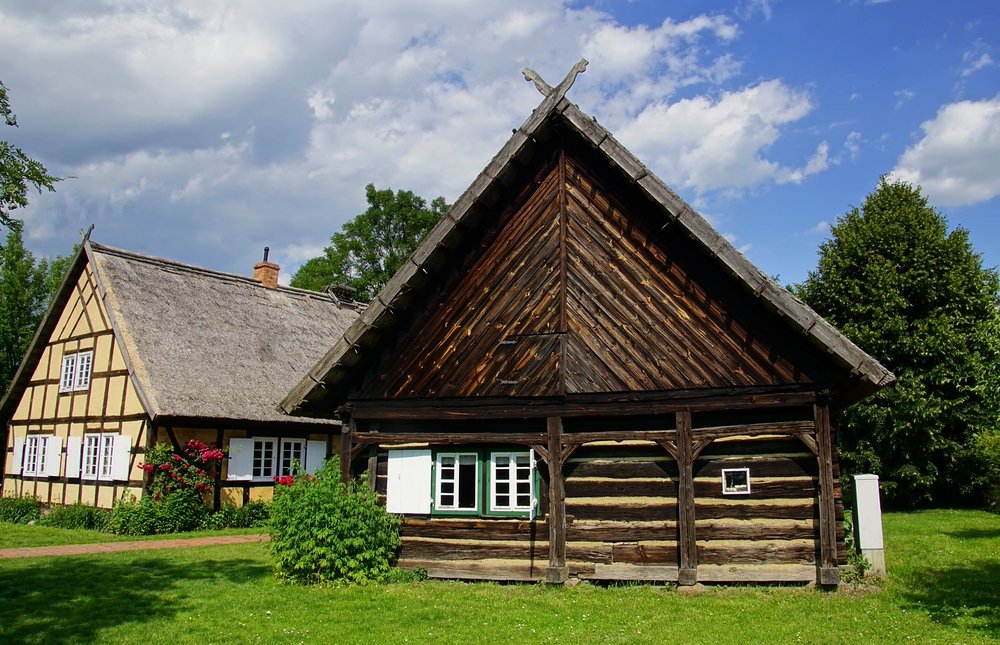
Spreewald is not a single quaint town, even though it is often described that way in shorthand. It is a larger cultural and natural landscape in the state of Brandenburg. The River Spree divides into an inland delta of channels surrounded by wet meadows, fens and forest. UNESCO describes more than 276 kilometres of navigable channels within the biosphere reserve, which received international recognition in 1991.
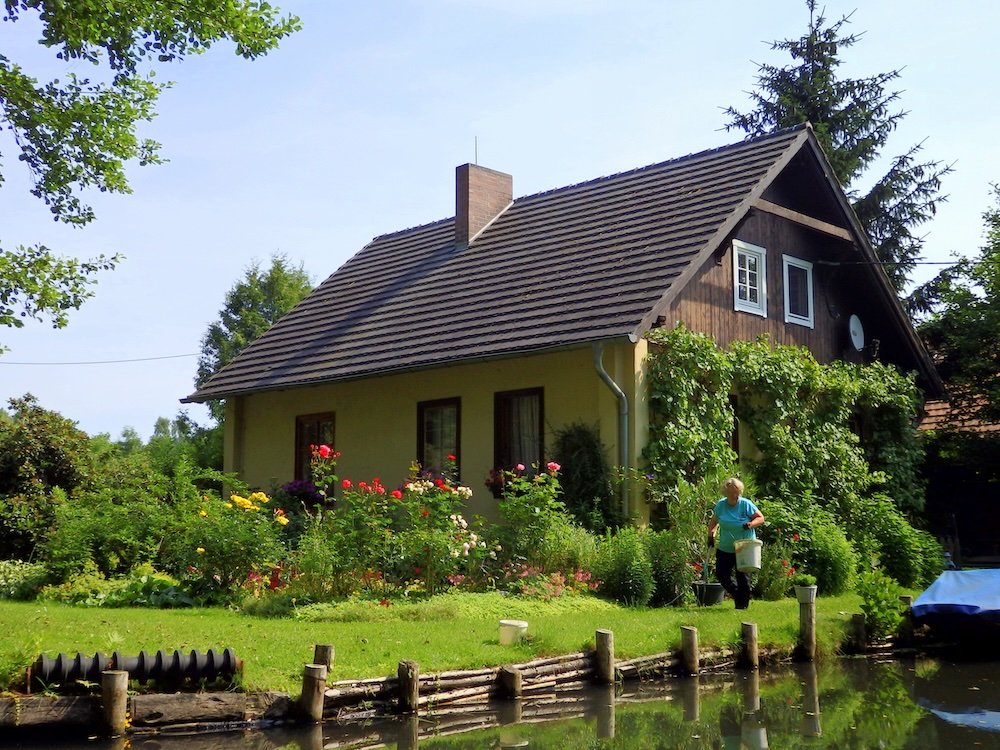
The waterways are not decorative additions to the villages. They shaped how people moved, worked and connected with one another. Our guide explained that the traditional flat-bottomed boats once transported animals and agricultural goods. He also told us that mail was delivered by boat to homes that were difficult to reach by road. That immediately changed how I looked at the canals. What appears wonderfully leisurely to a visitor began as practical infrastructure.
The first thing I noticed upon our arrival was the slower pace of life. We had driven down from the airport that morning, so highways gradually gave way to country roads while both of us fought the woolly-headed feeling of an overnight flight. Outside our window we later spotted more deer and insects than people. It was exactly the reset we needed, although our first response to “slow travel” was to begin sightseeing almost immediately.
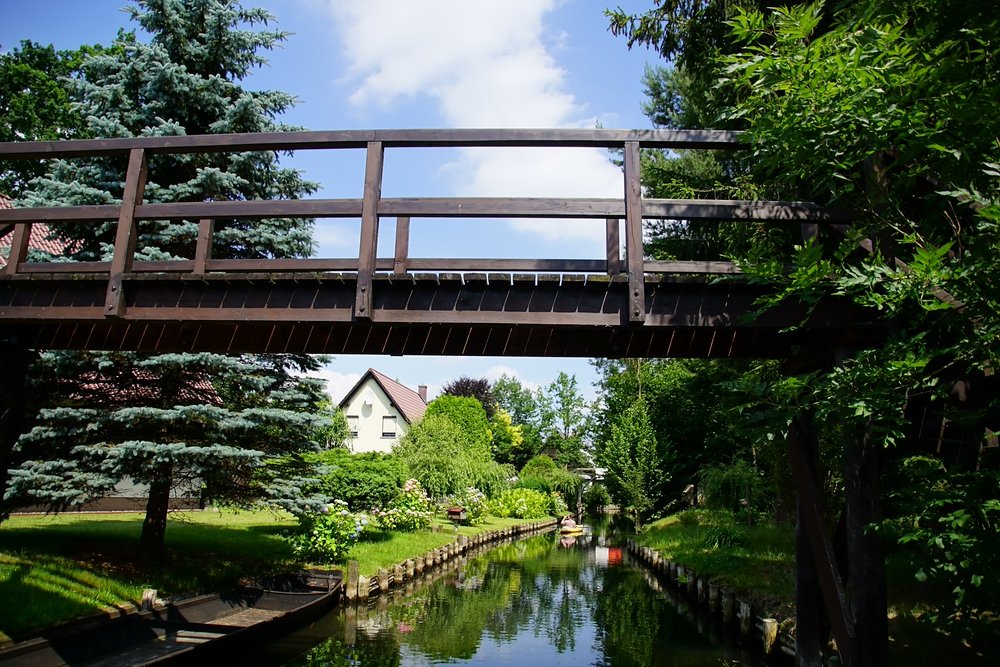
Is Spreewald Better as a Day Trip or an Overnight Escape?
Spreewald is close enough to Berlin that a day trip is entirely reasonable. Regional trains commonly connect Berlin with Lübben or Lübbenau in roughly an hour, although the exact route and departure station can change during rail construction. A visitor can arrive in the morning, take a traditional boat trip, taste a few pickles, wander around Lübbenau or Lehde and return to Berlin that evening.
That is enough to see Spreewald. I am less convinced it is enough to feel it.
The strongest case for staying overnight is not that the region contains an impossible number of attractions. It is almost the opposite. The value comes from leaving space around what you do: an unhurried boat journey, a long meal, a museum visit without watching the return-train clock, and an early morning or evening after the busiest excursion traffic has eased.
| Length of Stay | What Fits Comfortably | My Verdict |
|---|---|---|
| One day | Traditional boat trip, Lübbenau harbour, brief Lehde stop and pickle tasting | A worthwhile sampler from Berlin |
| One night | Boat trip plus evening atmosphere and a museum or morning walk | Noticeably more relaxed |
| Two nights | Boat trip, Freilandmuseum Lehde, food, cycling or paddling and real downtime | The best compact visit for most travellers |
| Three to four nights | Longer cycling or canoe routes, spa time, multiple villages and weather flexibility | Best for a proper rural retreat |
| Five or more nights | Specialist paddling, a work retreat, deeper exploration or a full wellness stay | Appealing, but not necessary for a first trip |
We had two nights, and in hindsight that was an excellent amount of time. Our schedule was fuller than my memory initially suggested: Freilandmuseum Lehde, the Gurkenmuseum, two substantial regional meals, a morning Kahnfahrt, a themed guesthouse inside Lübbenau station and a relaxed afternoon at Spreewelten. We still did not cover the region comprehensively, but two nights gave us enough time to experience several sides of Spreewald without turning the visit into a blur of clocks and car parks.
Organized day-trip option: Travellers who prefer not to handle the railway and boat logistics can book the current GetYourGuide day trip from Berlin to the Spreewald. The itinerary normally combines Lübbenau, a traditional two-hour boat ride and a stop in Lehde. Check how much free time is actually provided if Freilandmuseum Lehde is a priority, since museum admission is not necessarily included.
Where to Stay: Lübbenau, Burg or Lübben?
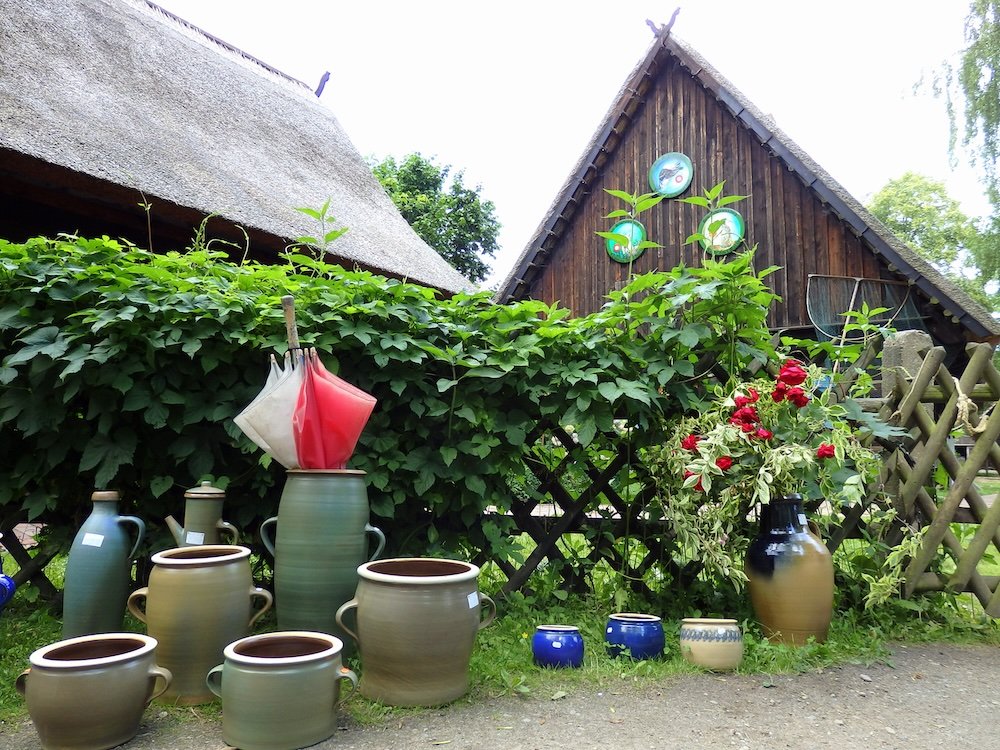
Choosing a base matters because Spreewald is a region rather than one compact destination. Lübbenau, Burg and Lübben can all work, but they produce different trips.
| Base | Best For | Main Strength | Main Trade-Off | Car-Free? |
|---|---|---|---|---|
| Lübbenau | First-time visitors and short stays | Rail access, major harbour, Lehde and broad activity choice | Busier and more tourism-oriented | Yes |
| Burg (Spreewald) | Wellness, cycling and longer rural stays | Space, countryside hotels, spas and quieter waterways | Spread out rather than compact | Possible; bike helps |
| Lübben | Families, town services and onward travel | Railway convenience, Castle Island and practical infrastructure | Less immediately postcard-like | Yes |
| Lehde | Traditional atmosphere and museum access | Historic canal village setting | Small, seasonal and less practical for late arrivals | Best paired with Lübbenau |
Lübbenau: The Easiest First Spreewald Base
Lübbenau is the most straightforward recommendation for a first visit. Regional trains connect it with Berlin, the large harbour offers a wide choice of Kahnfahrt departures, and the old town provides restaurants, accommodation and the visitor-facing “Gherkin Mile.” Lehde can be reached on foot, by bicycle, by canoe or as part of a traditional boat route.
This is the base I would choose for a compact car-free trip. It minimizes logistical friction without removing the character that brought you to Spreewald in the first place. The trade-off is popularity: summer weekends around the harbour can feel much less secluded than the narrow canals shown in tourism photographs.
Burg: Better for Wellness and a Deeper Exhale
Burg is more dispersed, with accommodation spread among fields, waterways and several settlement areas rather than concentrated around one tightly defined centre. That is inconvenient if you arrive expecting to walk everywhere, but excellent if your ideal trip involves a spa hotel, a bicycle, long meals and quiet evenings.
A bike or e-bike makes Burg considerably easier. Travellers with a car have more freedom when choosing rural properties, while car-free visitors should inspect the exact hotel location and transport options rather than assuming that every address labelled “Burg” is equally practical.
Lübben: Practical, Connected and Family-Friendly
Lübben feels more like an ordinary small town than an immersive museum village, and that can be a strength. It combines railway access, everyday services and the green Castle Island surrounded by the Spree.
Lübben is the base for someone who wants nature within reach but does not need every view outside the hotel to resemble a postcard.
Traditional Spreewald Boat Trip: The Experience I Would Not Skip
On our second day, we awoke to spot a deer outside our lodge window. In many ways, it was an auspicious precursor to a morning dedicated to exploring the canals by traditional boat.
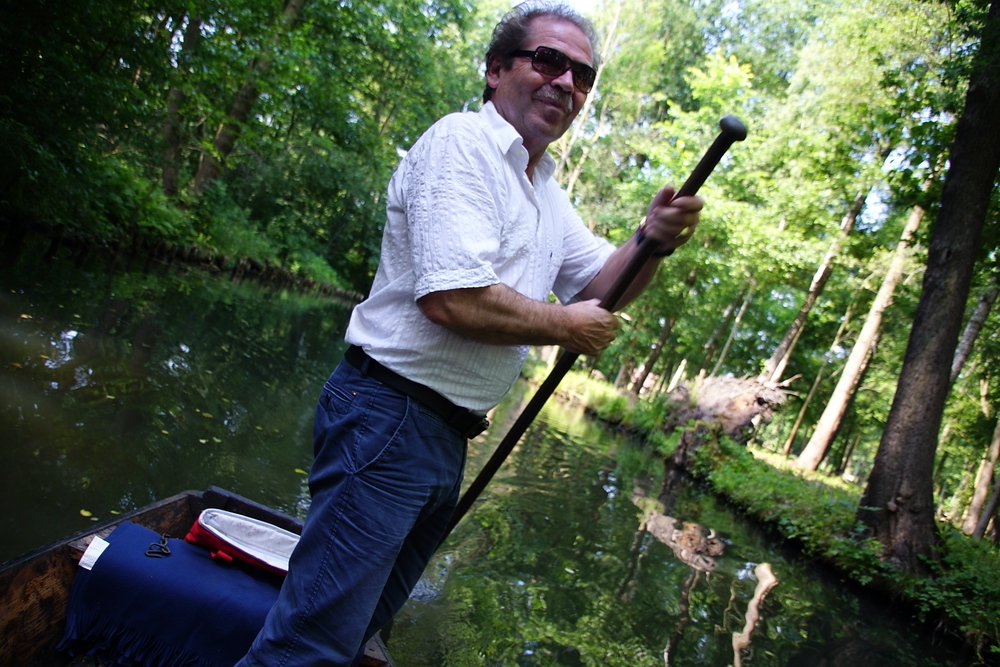
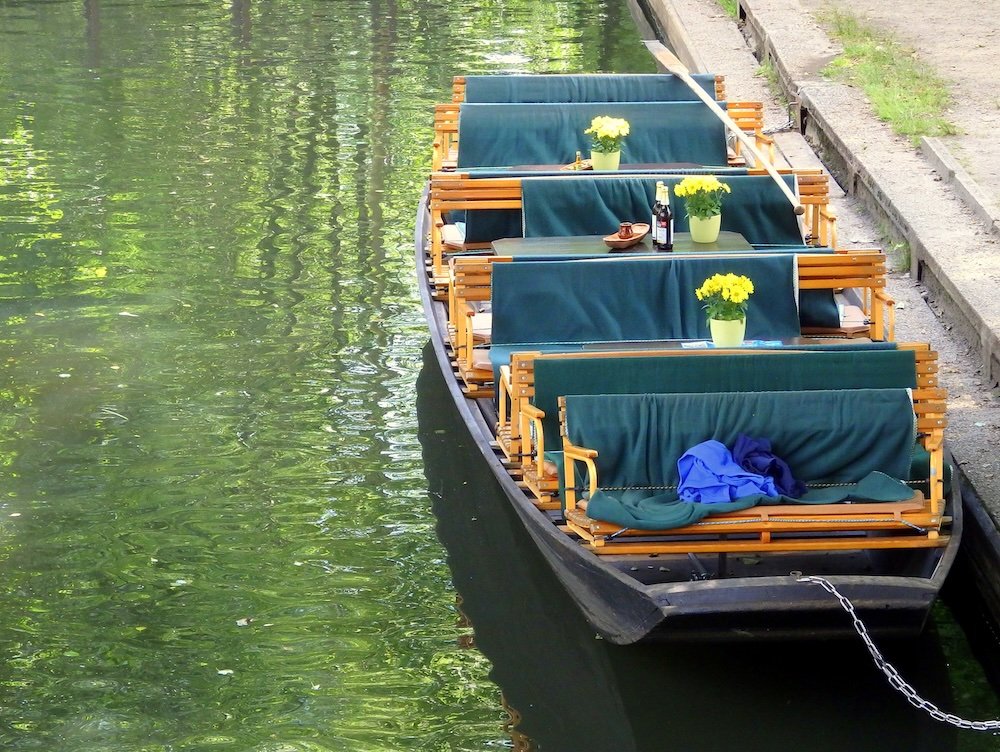
I originally called the activity “punting,” which gives English-speaking readers a rough idea of the technique. The more useful local terms are Kahnfahrt for the journey and Spreewaldkahn for the traditional shallow boat. The guide stands at the back and moves the boat with a long pole, pushing against the canal bed while steering through narrow waterways and under low bridges.
As we sat down and relaxed, taking in the wildlife, forest and isolated traditionally built homes, I could not help but marvel at our guide’s technique and stamina. With graceful skill he pushed the boat along the shallow water. Our excursion was private because it formed part of the campaign, but most independent visitors choose between a shared scheduled departure and a private booking.
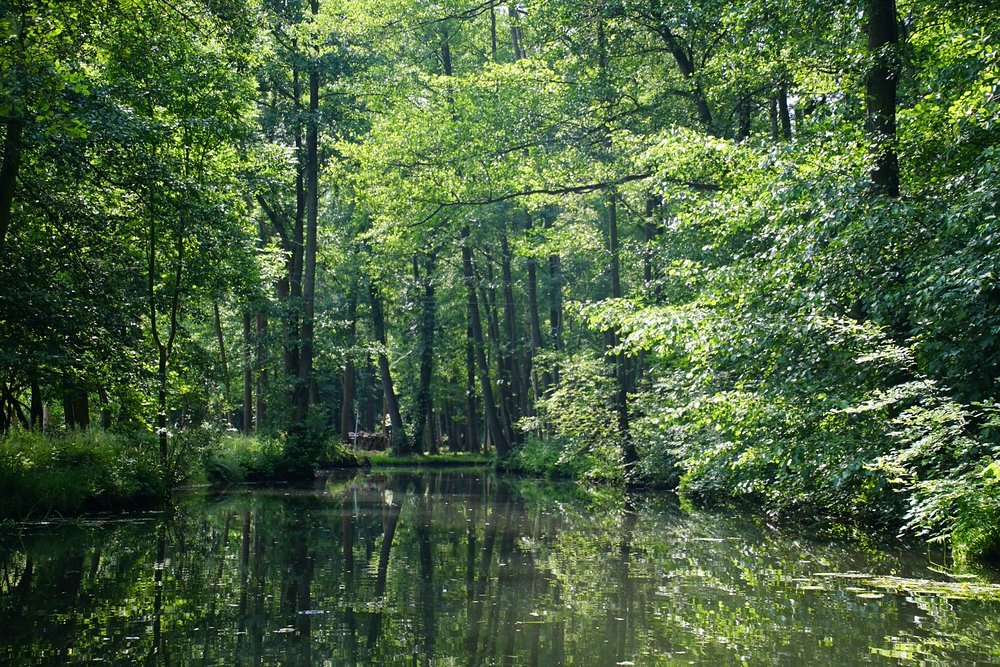
Our guide told us that these boats had historically been used to move animals and supplies. He also explained that mail was delivered by boat to homes on small islands and along stretches where the waterways remained the natural access route. I cannot verify whether every detail still operates exactly as it did then, but hearing it from someone working on the canals made the landscape feel less like scenery and more like a lived transportation system.
I was almost tempted to give the pole a try. Previous experiences with stand-up paddleboarding in Finland made me think twice, given my lack of coordination on the water. I gladly captured as many photographs and video clips as possible while leaving propulsion to the professional.
Shared Boat, Private Boat or Independent Canoe?
| Option | Best For | Advantages | Trade-Offs |
|---|---|---|---|
| Shared Kahnfahrt | First visits, solo travellers and couples | Affordable, easy and guided | Fixed route, group atmosphere and less flexibility |
| Private Kahnfahrt | Families, photography and special occasions | Quieter, flexible and easier to tailor | Higher cost and advance booking recommended |
| Canoe or kayak | Active and independent travellers | Freedom, exercise and intimate waterways | Navigation, weather exposure and physical effort |
Official tourism information describes many standard round trips as lasting about two to three hours, although shorter and much longer options exist. Special departures may include food, evening light, winter blankets or stops in villages such as Lehde and Leipe. In the main season, walk-up shared trips may be available from large harbours, but I would reserve ahead for a private boat, a specific language, a smaller group or a route you care about.
My recommendation: First-time visitors should take at least one guided Kahnfahrt before paddling independently. The boatman’s explanations supplied context we would not have gained by simply renting a canoe and guessing what we were looking at.
Travellers staying in Burg can also pre-book the GetYourGuide Spreewald summer cruise from Spreehafen Burg. It is a shorter local option than the full Berlin day trip and suits visitors who already have accommodation in the region. The current listing uses a German-speaking guide, so check the language and route before booking.
Freilandmuseum Lehde: Old Spreewald at Human Scale
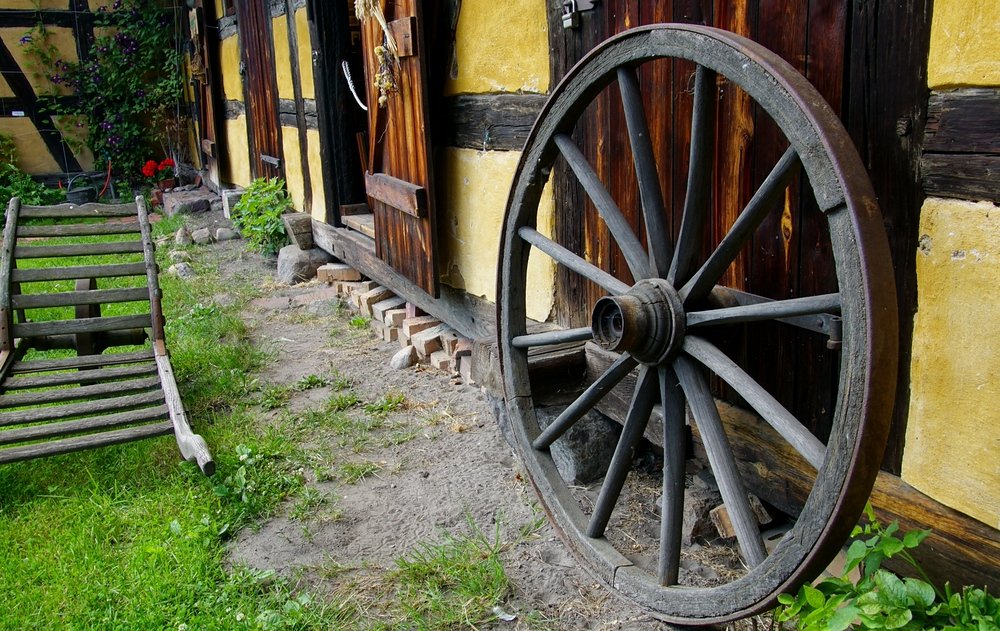
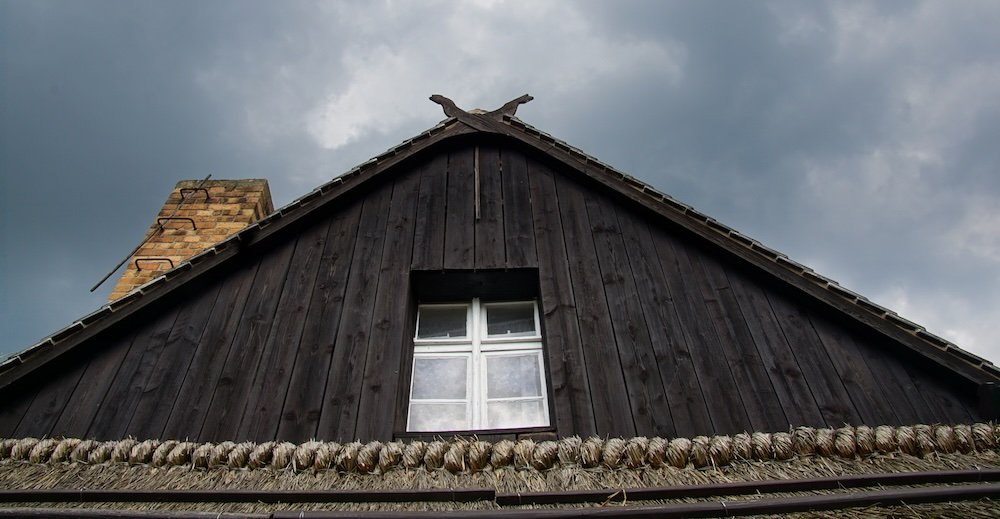
Our first major cultural stop was Freilandmuseum Lehde, an open-air museum built around historic Spreewald farmsteads dating largely from the nineteenth century. It felt as though we were stepping back in time, but the power of the museum came from ordinary domestic details rather than grand history.
The homes varied in size and character, but all of them made daily life feel physical. The low ceilings helped preserve heat, and I found myself ducking to avoid banging my head. Families lived in close quarters, with generations rubbing elbows together. Bedrooms, kitchens and living areas were not always separated into the specialized rooms we now take for granted. Functionality and practicality came first.
I left feeling thankful for conveniences I rarely stop to consider. Historic museums sometimes keep the past at a polite distance behind glass. Here, the size of the rooms, the household tools and the physical act of lowering my head made the difference immediately comprehensible.
Potato Sacks, Balance Games and Predictable Humiliation
The museum also let us try nineteenth-century children’s games. Audrey began with a balance activity whose main objective, in her words, was “trying not to fall.” That sounded simple until we attempted it. The equipment had the inconvenient habit of exposing the gap between how coordinated we imagined ourselves to be and how coordinated we actually were.
I found safer ground with a potato-sack race because I had done that as a child. Even as a cumbersome thirty-something, I enjoyed hopping around like a kid again. Stilts were less forgiving. Getting both feet onto the rests was harder than expected, and after nearly twisting my ankle I accepted that historical authenticity did not require a modern medical incident.
Laundry by Hand and a Wedding Dress That Wasn’t White
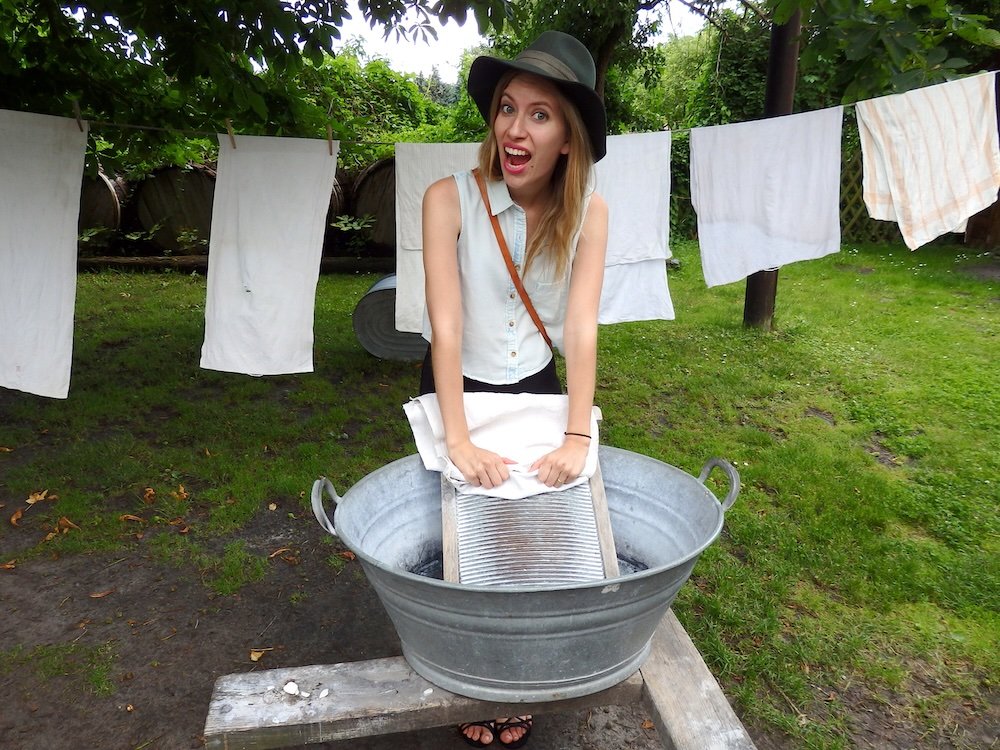
Audrey then volunteered to wash clothes by hand using a washboard. She started by calling it the traditional Sorbian method before our guide gently clarified that it was more broadly the traditional nineteenth-century method: get the fabric wet, scrub it up and down, attack the stubborn spots and apply considerably more elbow grease than a washing-machine button requires.
Watching her work for a few minutes was enough to appreciate how much of a day routine laundry could consume. Audrey concluded that people must have spent the entire day washing. It may have been an exaggeration, but not by enough to make me volunteer for a second load.
Inside another house, a wedding display introduced a detail neither of us expected. The museum interpretation explained that a local bride in the represented tradition would have worn black and green rather than white, because white was associated with mourning. It was a small exhibit, but it did exactly what a good regional museum should do: disrupt the assumption that familiar customs are universal.
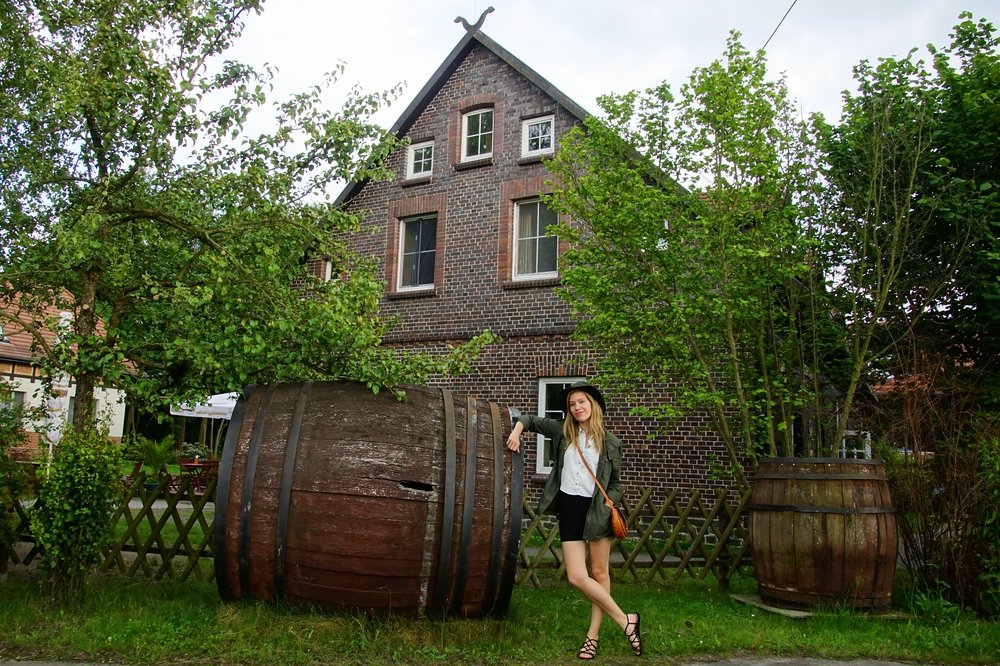
Allow at least an hour, and longer if demonstrations or special programming are taking place. The museum operates seasonally rather than as a year-round urban attraction, so check the current calendar before planning a winter or shoulder-season visit. It fits especially well into a Lübbenau or Lehde day because visitors can reach the village on foot, by bicycle, by canoe or as part of a boat excursion.
Overall, the museum gave us an immersive look at a way of life that had changed rapidly. I could not help wondering when relics of my own childhood might appear in an open-air museum. Given the pace of technological change, that question now feels less dramatic and more like advance notice.
Gurkenmuseum Lehde and the Serious Business of Pickles
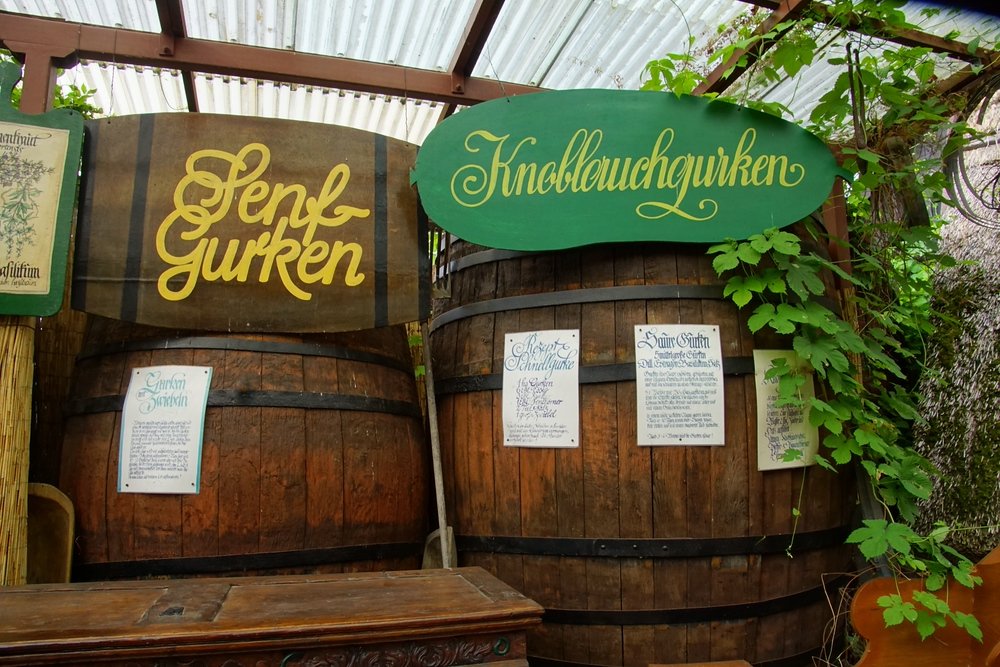
A museum devoted to pickles sounds like the sort of attraction invented to fill an awkward hour on a press itinerary. The Gurkenmuseum Lehde was anything but boring.
I had visited several food museums over the years, but nothing quite like a museum dedicated to the cultivation, preservation and local mythology of cucumbers. On the walls were photographs of women crowned Cucumber Queen in years past. Our explanation at the museum was that contestants presented pickle recipes, the best-tasting preparation earned the crown and the winning recipe became available around the region.
Then came the tasting, which my old written account had muddled slightly. Audrey tried the salty, mustardy pickle. She described it as a little bitter and vaguely reminiscent of sauerkraut. Her face folded in on itself, but she immediately insisted that she was enjoying the flavour. The expression suggested a hostage statement; the transcript confirms she meant it.
I tried the winning Cucumber Queen recipe. Mine was noticeably sweeter, and I really liked it. So the honest division was not me heroically embracing the aggressive mustard pickle while Audrey rejected it. Audrey took the challenging one, and I happily selected the friendly sweet version. History has corrected the record.
Spreewälder Gurken are more than souvenir-shop novelty. The name has protected geographical indication status in the European Union, connecting the product’s reputation and production to the region. Visitors encounter multiple preparations rather than one official flavour: sweet-and-sour, dill, mustard, spicy and producer-specific recipes. Lübbenau’s harbour area and “Gherkin Mile” make tasting easy, but the museum adds the agricultural and cultural context.
The museum is small and seasonal. Treat it as an entertaining addition to Lehde rather than the single reason to cross Brandenburg. For us, the combination of local history, competitive recipes and involuntary pickle faces made it one of the trip’s most memorable stops.
Sorbian and Wendish Culture in Spreewald
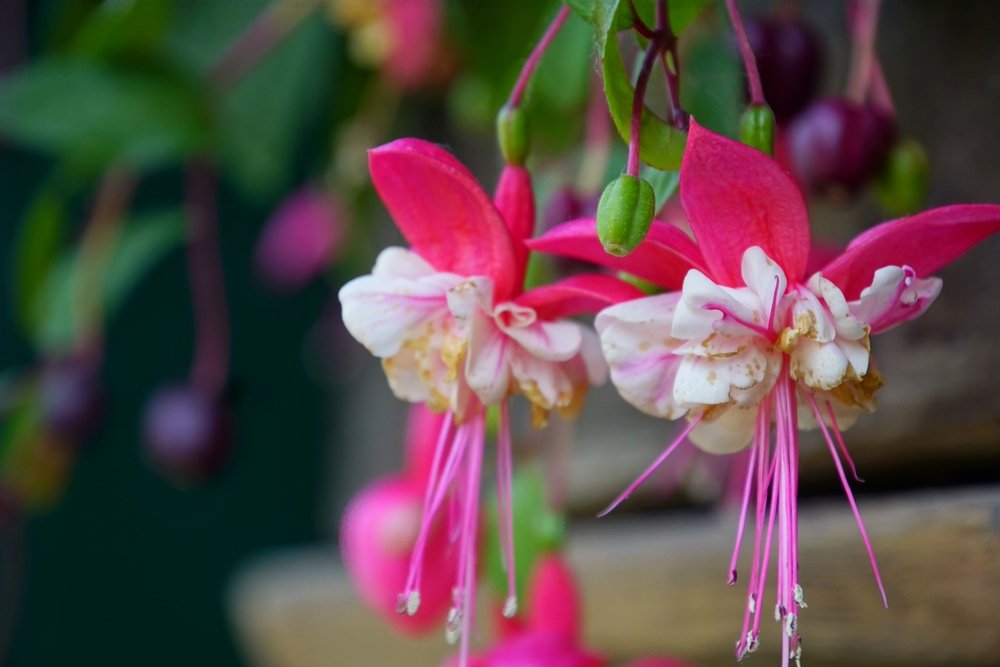
Spreewald lies within Lusatia, the homeland of the Sorbs and Wends, a West Slavic minority with distinct Upper and Lower Sorbian languages. In Brandenburg and the Lower Lusatian part of Spreewald, visitors may also encounter the term Wendish and see bilingual place names.
This heritage should not be treated as a costume display added for tourists. It remains part of a living region, even as language preservation and cultural continuity face modern pressures. Visitors are most likely to encounter Sorbian and Wendish history through museums, bilingual signage, festivals, traditional clothing, decorated Easter eggs, crafts, food and explanations from local guides.
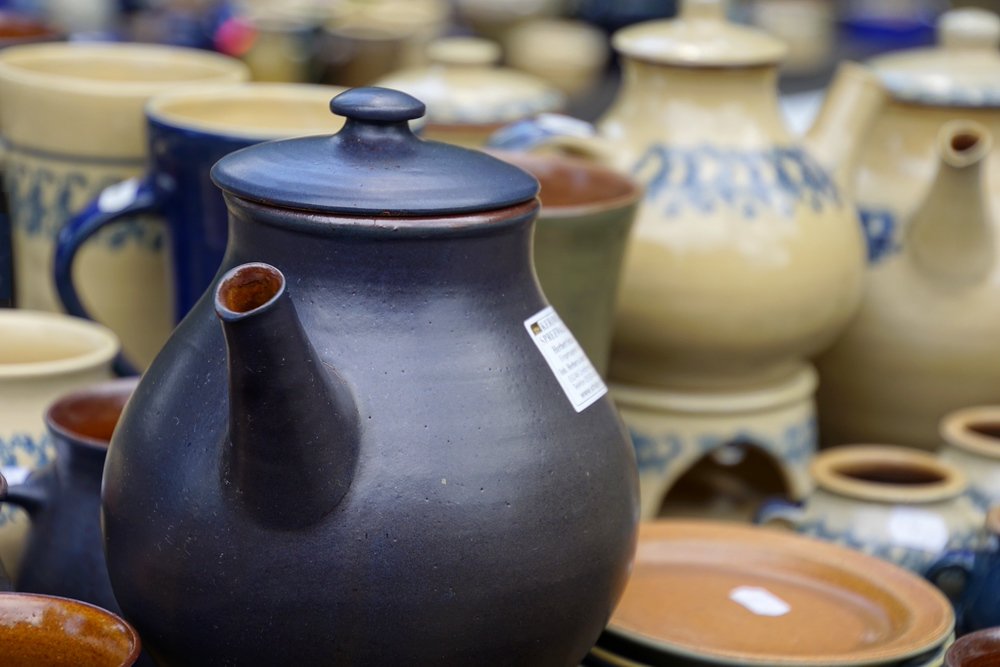
Freilandmuseum Lehde is the most natural place in this itinerary to begin understanding how culture, work and the wetland landscape fit together. A Kahnfahrt guide can then connect that historical context to the waterways outside the museum. That combination is much more meaningful than vaguely promising “cultural immersion” through random interactions with locals.
Cycling, Walking and Paddling Independently
Our campaign focused on the traditional boat journey and museums, so I cannot pretend we personally tested the current cycling or paddling routes. They are nevertheless central to planning a slower independent trip.
Canoe or Kayak
A canoe or kayak trades commentary and comfort for independence. You can choose smaller waterways, stop at designated rest areas and turn the day into exercise rather than passive sightseeing. The trade-offs are navigation, weather exposure and the need to respect route restrictions and protected areas.
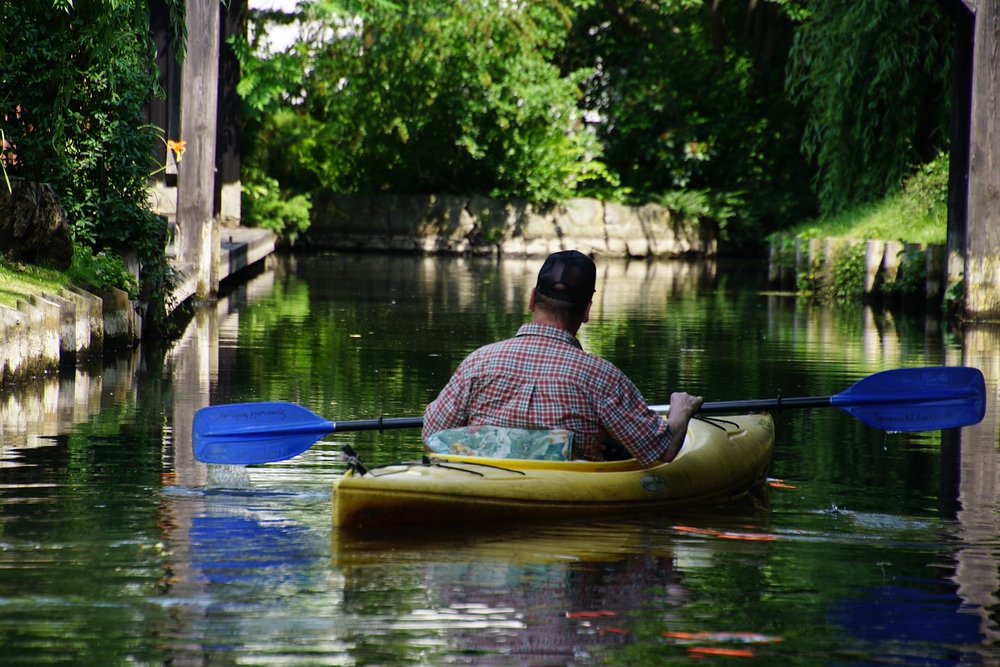
Official routes range from short local circuits to longer journeys linking Lübbenau, Lehde, Leipe and high-forest sections. Do not select a route only by distance. Locks, junctions, wind, current, rest stops and your group’s experience all influence how relaxed the day actually feels.
GetYourGuide currently offers several active alternatives. The Spreewald kayak day trip with train travel from Berlin is the most convenient full-day option for visitors without equipment. The Spreewald sunset canoe tour from Berlin is a longer small-group experience for travellers willing to paddle into the evening, while the short guided paddle adventure in Spreewald better suits visitors already staying locally.
Cycling
The relatively flat landscape makes cycling one of the best ways to connect villages without a car. A bicycle is useful around Lübbenau and transformative in Burg, where accommodation and attractions can be spread across the countryside. An e-bike may be worthwhile if the purpose is to enjoy the scenery rather than prove something to your thighs.
Check rental closing times, ask about path surfaces and confirm whether your accommodation provides secure storage. Travellers bringing a bicycle on regional trains generally need a separate bicycle ticket even when their own passenger fare is already covered.
Walking
Walking works well between Lübbenau and Lehde, around the harbour and old town, and on shorter paths beside the canals. It is less effective as a universal regional transport plan. The map may show two points as close while waterways, bridges and private land make the actual route less direct.
What We Actually Ate in Spreewald
Pickles deserve their fame, but our meals proved that Spreewald food does not begin and end with a jar. We ate fish twice, game twice, potatoes in several forms, sauerkraut, dill, cucumber salad, cranberries, horseradish and enough food overall to undermine any claim that this was a restrained wellness retreat.
Pike Perch and Wild Boar Schnitzel
After the open-air museum and Gurkenmuseum, Audrey ordered pike perch served over sautéed vegetables with a baked potato and dill sauce. She announced that the plate looked so good she might not share it with me. Once she tasted the fish, conversation became increasingly difficult because she was more interested in eating than providing commentary.
Her verdict was enthusiastic: crispy, buttery skin with juicy fish inside. This came after she had already eaten roughly four times that day, a fact I noted with the sensitivity of a supportive spouse by calling her a bottomless pit.
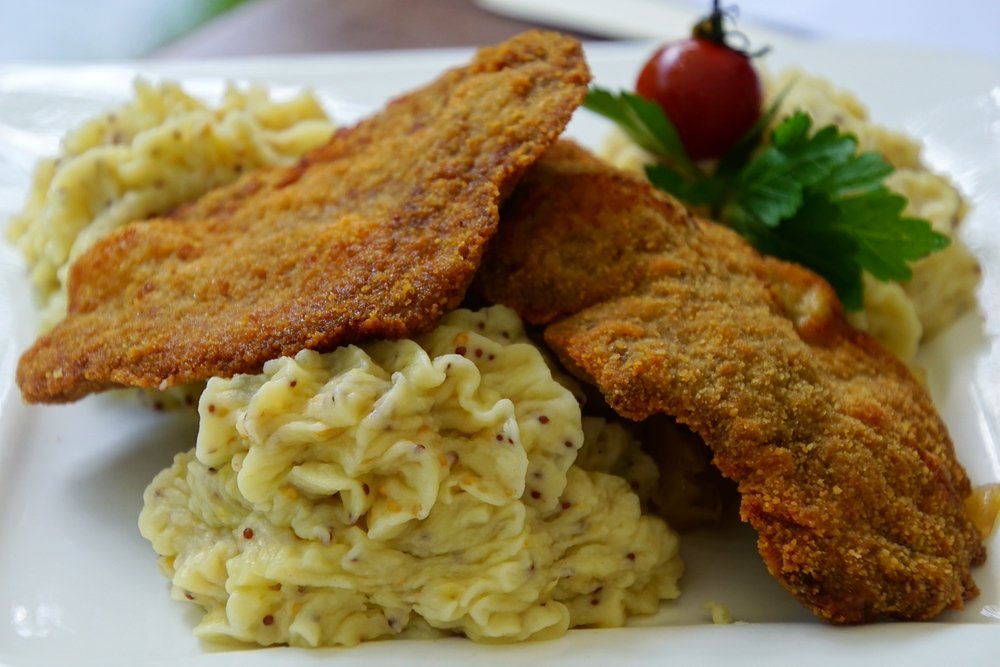
I ordered wild boar schnitzel with sauerkraut, mashed potatoes and horseradish. The meat had a richer, slightly gamey flavour, but the crisp coating was what won me over. It was the sort of hearty plate that made immediate sense after a long first day, especially when jet lag was beginning to drag both of us toward bed.
A Fish Platter and Game Goulash After the Boat
The following day, we finished our Kahnfahrt and went straight to lunch. We may have overcorrected for the physical exertion of sitting in a boat while someone else pushed it.
Audrey ordered an enormous platter with several local fish, parsley potatoes and cucumber salad with dill. The steamed fish was light and juicy. She pointed out that we had eaten breakfast only about ninety minutes earlier, then continued eating because consistency is important.
I ordered game goulash with cranberries and mashed potatoes. The meat was tender, but the rich gravy was the best part. When Audrey asked whether I planned to share, I said probably not. She called me selfish. This was accurate, although only because the goulash was excellent.
Regional Foods Worth Looking For
- Spreewälder Gurken: Taste several preparations before deciding whether you prefer sweet, sour, dill, mustard or spicy versions.
- Freshwater fish: Our meals included pike perch and a mixed local fish platter, and fish remains one of the most natural menu choices in a region shaped by water.
- Game: Wild boar schnitzel and game goulash both gave our meals a stronger regional character than a generic schnitzel order would have.
- Potatoes, linseed oil and quark: One of the best-known combinations in Spreewald cuisine.
- Dill, cucumber and horseradish: These flavours appeared repeatedly across our plates rather than only inside pickle jars.
This is one area where staying overnight helps. A day-tripper can taste pickles and grab lunch, but two nights gave us time for several proper meals rather than treating regional food as something to sample between transport connections.
Two Unexpected Lübbenau Stops: Art Rooms and Penguins
Pension Spreewelten Inside Lübbenau Station
After lunch, we stood outside Lübbenau railway station without any intention of catching a train. Local artists had transformed rooms inside the station into a wonderfully eccentric guesthouse, now known as Pension Spreewelten.
We toured a room called “Spreewald à la carte.” The design treated the region like a menu, using fish, animals, branches, old wood and other earthy ingredients as part of the room’s visual language. It was strange, highly specific and far more memorable than another beige hotel room trying not to offend anyone.
We did not stay there. The rooms were booked, which is why our campaign used another property whose name I can no longer remember. That distinction matters: we visited the station guesthouse and thought it looked like a very cool place to sleep, but this is not a retrospective hotel review pretending otherwise.
For travellers arriving by rail who want something unusual, check current rooms at Pension Spreewelten on Booking.com. The station location is genuinely convenient, and the artistic rooms are a destination feature rather than decorative marketing fluff.
Pools, Sauna and Penguins at Spreewelten
We finished the day at Spreewelten, a pool and sauna complex in Lübbenau best known for its penguin habitat. After museums, boating, two ambitious meals and a station-hotel tour, a relaxed afternoon in the water was not difficult to accept.
We used the pools, looked forward to the sauna and treated the stop as a chance to be pampered for a few hours. Audrey was particularly excited about a penguin-feeding encounter later in the programme. Current visitors should check the official schedule rather than assuming they can feed the animals independently: today the facility advertises keeper-led feeding times and prohibits unsupervised visitor feeding.
The unusual design lets swimmers view the penguins through a separating glass wall, so the experience is closer to swimming alongside them than sharing one uncontrolled pool. It is playful, undeniably tourist-friendly and a useful rainy-day or family option. It also gives the nearby Spreewelten Hotel a clearer reason to exist in this guide: we did not stay at the hotel, but we genuinely visited and enjoyed the associated complex.
Getting to Spreewald From Berlin
We arrived by rental car because the campaign collected us through a driving itinerary after our airport arrival. That gave us flexibility, but it is not the only sensible way to visit. Regional trains make Lübbenau and Lübben practical from Berlin, and the journey to Lübbenau is often around an hour depending on your departure point and the active timetable. Construction periodically changes departure stations and routing.
Use the live VBB journey planner or Deutsche Bahn rather than relying on an old blog’s exact platform and departure time. That advice applies especially during major rail works.
Ticket and Bicycle Notes
- The Deutschlandticket normally covers qualifying local and regional services, not long-distance ICE, IC or EC trains.
- Groups should compare individual tickets with regional day or group products rather than assuming one fare is always cheapest.
- Bicycles usually require their own ticket within the VBB network.
- Check whether your train allows easy bicycle boarding at the time you plan to travel.
Do You Need a Car?
You do not need a car for a compact Lübbenau trip built around the harbour, Lehde, a boat journey and a bicycle rental. Lübben can also work well by rail and on foot. Burg is more dependent on the exact accommodation location; a bicycle, e-bike or car can prevent a peaceful rural stay from turning into repeated walks along the same connecting road.
Best Time to Visit Spreewald
| Season | Why Go | What to Watch |
|---|---|---|
| Late spring to June | Fresh greenery, long days and broad seasonal openings | Changeable weather and cool shade on the canals |
| July and August | Maximum choice of boats, rentals, restaurants and events | Peak crowds, heat and wetland insects |
| September to early October | Autumn colour, active tourism season and quieter weekdays | Shorter days and gradually reduced schedules |
| Late autumn and winter | Solitude, moody landscapes and selected seasonal boat trips | Museum closures, limited rentals and fewer dining options |
Our early-summer visit gave us green canals, flowers and comfortable time outdoors. For most first-time visitors, late spring through early autumn offers the best balance, especially on weekdays outside peak summer.
Pack a light waterproof layer, comfortable walking shoes, insect repellent and something warm for the boat. The shade over the waterways can feel cooler than the forecast suggests, especially when you are sitting still.
Where to Stay in Spreewald
I cannot confidently identify our old campaign accommodation, so I will not retrofit a hotel name onto a fading memory. The properties below combine current research with two clearer firsthand boundaries: we toured Pension Spreewelten but could not stay because it was booked, and we visited the Spreewelten pool and sauna complex without staying at the associated hotel.
Best for a classic first visit: Schloss Lübbenau. The property sits in a park close to Lübbenau’s large harbour, making it an appealing higher-end choice for travellers arriving by train and prioritizing boat trips and Lehde.
Best quirky car-free stay: Pension Spreewelten. We toured its artist-designed “Spreewald à la carte” room inside Lübbenau station and would have stayed if it had not been booked. The location is hard to beat for rail travellers, and the rooms have considerably more personality than the average station-adjacent pension.
Best for families and indoor facilities: Spreewelten Hotel. We personally enjoyed the associated pools and sauna complex, including its unusual penguin habitat. The hotel and the station-based Pension Spreewelten are different properties, so check the map and name carefully before booking.
Best for immersive Lehde atmosphere: Hotelanlage Starick. This canal-side property is associated with the Gurkenmuseum and places visitors in the small village environment rather than in central Lübbenau. It is the most thematically matched option, though not necessarily the easiest for every arrival.
Best wellness retreat: Landhotel Burg im Spreewald – Resort & Spa. This is the option for travellers who want pools, saunas, treatments, restaurants and time at the property to form part of the destination.
Best romantic luxury in Lübben: Hotel Strandhaus Boutique Resort & Spa. Its direct waterside setting and boutique-spa positioning suit couples who want a polished stay with practical access to Lübben.
Best practical Lübben option: Spreewaldhotel Stephanshof. This provides a balanced alternative for travellers who value town access and useful facilities without making the hotel itself the entire holiday.
For a wider inventory beyond these curated options, compare current Spreewald accommodation on Booking.com by map position, recent reviews and live cancellation terms.
Spreewald Tours Worth Considering
The region is easy enough to visit independently, but tours solve different problems. A Berlin departure removes the railway and harbour planning. A local guided Kahnfahrt adds cultural interpretation. A canoe excursion provides equipment and route support for travellers who want a more active day.
| Tour Type | Best For | Main Advantage | Check Before Booking |
|---|---|---|---|
| Berlin day trip with Kahnfahrt | First-time visitors with one free day | Transport and core itinerary handled | Time allowed in Lehde and museum admission |
| Local traditional boat trip | Independent overnight visitors | More departure and route choice | Language, duration, shared or private format |
| Guided canoe or kayak day | Active travellers | Equipment and route support | Fitness, weather policy and train logistics |
GetYourGuide currently covers the three most useful booking formats: a full-day excursion from Berlin with a traditional Kahnfahrt, a shorter local cruise for travellers based in Burg, and guided canoe or kayak experiences for visitors who prefer to be active. Browse the current Spreewald tour inventory on GetYourGuide and compare the precise route, language, duration, physical demands and included transportation rather than choosing on price alone.
Travellers staying overnight should also compare direct local operators. A marketplace tour is not automatically better simply because it pays commission. Large harbours in Lübbenau offer more variety than any single affiliate platform, including public departures, private boats, food trips and evening journeys.
For a cleaner comparison, GetYourGuide also separates its current inventory into Spreewald canal cruises and Spreewald canoe and kayak tours. Those category pages are useful when a specific product is unavailable on your dates, but direct local operators may still offer more departure times and private-route flexibility.
Our Real Two-Night Spreewald Itinerary—and How I’d Plan It Now
The recovered chronology from our two videos is more useful than the tidy itinerary I had reconstructed from memory. It shows what we genuinely did, where the days became crowded and which experiences still stand out.
Arrival Day: Museum, Pickles and an Ambitious Dinner
- Arrive in Germany in the morning, collect a rental car and drive directly to Spreewald while jet-lagged.
- Visit Freilandmuseum Lehde and explore nineteenth-century homes.
- Try balance games, a potato-sack race and hand-washing clothes with a washboard.
- See the wedding display explaining black-and-green bridal clothing in the represented local tradition.
- Visit the Gurkenmuseum and taste both a mustardy pickle and the sweeter winning Cucumber Queen recipe.
- Eat pike perch with vegetables and dill sauce, plus wild boar schnitzel with sauerkraut, potatoes and horseradish.
- Admit defeat to jet lag and call it a day.
This was a full arrival day. I would not recommend copying it exactly after an overnight flight unless your campaign schedule is making the decisions. The museum, pickle tasting and dinner fit naturally together; the airport arrival belongs in a separate category of self-inflicted difficulty.
Full Day: Kahnfahrt, Another Feast, Art Rooms and Spreewelten
- Wake to a deer outside the accommodation and take a morning Kahnfahrt.
- Pass island homes, forested channels and wildlife while learning how boats functioned as local transport.
- Eat a large fish platter with parsley potatoes and cucumber-dill salad, plus game goulash with cranberries and mashed potatoes.
- Tour the artist-designed “Spreewald à la carte” room inside Pension Spreewelten at Lübbenau station.
- Spend the afternoon in the pools and sauna at Spreewelten and see the penguin facilities.
- Return to the accommodation thoroughly fed and ready to collapse.
How I Would Adapt This for an Independent Trip
- Arrive by regional train in Lübbenau and leave the airport-to-museum sprint to our younger selves.
- Use the first afternoon for Lehde, Freilandmuseum and the Gurkenmuseum.
- Reserve the next morning for a two- to three-hour Kahnfahrt.
- Choose one substantial lunch, not an unofficial endurance-eating competition.
- Add Spreewelten in poor weather, with children or when a sauna sounds better than another outdoor activity.
- Keep one evening and the departure morning deliberately light.
With a third full day, I would add Burg for spa time or commit to a longer cycling or paddling route. The point is not to multiply activities until the itinerary resembles Berlin with more mosquitoes.
Practical Friction That Can Affect a Relaxed Trip
- Seasonal opening hours: Museums, rentals, restaurants and small attractions may reduce hours or close outside the main season.
- Wetland insects: Bring repellent, especially for still evenings and warm summer weather.
- Cool canal shade: A light layer is useful even when the afternoon forecast looks warm.
- Dispersed geography: Burg and rural properties can be farther apart than a destination label suggests.
- Rail construction: Verify the live Berlin connection instead of trusting an old timetable.
- Boat access: Travellers with limited mobility should ask the operator about steps, gaps, seating and assistance before booking.
- Cash and closing times: Do not assume every small stall, rental desk or rural restaurant operates like central Berlin.
- Overplanning: One main activity and one secondary activity per day is usually enough here.
Who Will Love Spreewald—and Who Might Not?
Spreewald is an excellent fit for travellers who enjoy quiet landscapes, boats, cycling, regional food, small museums and destinations where atmosphere matters more than famous monuments. It works especially well as a contrast after several intense days in Berlin.
It may be less satisfying for someone seeking nightlife, major architectural landmarks, luxury shopping or a dense checklist of headline attractions. Rain can also narrow the appeal if you have no interest in museums, spa time or sitting still with a book.
As Audrey and I have matured, we have come to value this kind of travel even more. The bustle of cities can still be enticing, but peace, quiet, nature and a trip with room to breathe call to us more often now.
Frequently Asked Questions
Is Spreewald an easy day trip from Berlin?
Yes. Regional trains commonly make Lübbenau or Lübben reachable from Berlin in roughly an hour, depending on the active timetable and your departure station. A day trip is enough for a traditional boat ride and a brief look around, but one or two nights create a much more relaxed experience.
How many days do you need in Spreewald?
One day provides a worthwhile sampler, while one night adds the quieter evening and morning atmosphere. For most slow-travel visitors, two nights is the best compact stay because it allows time for a Kahnfahrt, Freilandmuseum Lehde, regional food and either cycling or independent paddling.
Where should first-time visitors stay in Spreewald?
Lübbenau is the easiest first base for rail travellers because it combines a major boat harbour, restaurants and access to Lehde. Burg is better suited to spa stays and cycling, while Lübben offers practical town services, railway access and a less tourism-focused atmosphere.
Do you need a car to explore Spreewald?
Not for a compact Lübbenau trip built around the harbour, Lehde, walking, boats and bicycle rental. Lübben can also work without a car. Burg is more dispersed, so travellers should check their hotel location carefully and consider a bicycle, e-bike or car.
Should you take a traditional Kahnfahrt or rent a kayak?
A guided Kahnfahrt is the best introduction because the boatman provides cultural and historical context while handling the navigation. A canoe or kayak is better for active travellers who want independence, exercise and more control over the route.
When is the best time to visit Spreewald?
Late spring through early autumn offers the broadest choice of boat departures, museums, rentals and restaurants. July and August bring the most activity but also more visitors and insects, while late spring and September often provide a calmer balance.
Final Thoughts on Slow Travel in Spreewald
When it came time to leave, I felt the urge to stay longer. That reaction did not come from missing a famous attraction or failing to complete an itinerary. It came from having adjusted to the quieter rhythm.
Spreewald showed us a Germany that our earlier city-focused trip had barely touched: traditional homes, working waterways, Sorbian and Wendish heritage, old domestic realities, freshwater fish, game, competitive pickle recipes, artist-designed station rooms, penguins and a guide whose balance looked increasingly impressive the longer I watched him work.
A day trip from Berlin is worthwhile. A night is better. Two nights gave us a compact version of what the region does best, and that remains my recommendation for travellers who want more than a quick boat ride and a jar of pickles.
If big cities are the adrenaline rush of travel, Spreewald is the deep breath you did not realize you needed. It is also proof that slow travel does not require an epic expedition. Sometimes it begins an hour from a capital city, on a shallow boat, while someone far more coordinated does the hard work.
Audrey and I visited Spreewald on a private campaign organized by the German National Tourism Board. The campaign covered our travel, accommodation, meals and activities. The experiences and opinions in this guide are our own; current hotel and tour recommendations are research-based unless explicitly described as part of our trip. Some accommodation and activity links may earn us a commission at no additional cost to you.
Slow travel? No guides ?! The paradise exists!
Espero que um dia poder visitar este lugar perfeito… parabéns pelo post
Spreewald looks so cute. I love the traditional style of the houses. The only place I’ve been in Germany is Berlin and although I love the city it’s nice to see some historic things. It must have been great to rent a place and spend the whole month in Berlin too – slow travel is definitely the best way to really get to know a place and I like to spend at least a month in a new place nowadays.
Thanks Anna! Berlin is a cool city but it really feels great to explore the countryside of Germany as well.
Beautiful pics and nice trips. Thank you for sharing
Amazing !!
Wonderful pictures , beautiful places to travel and rest.
Leave the big city stress.
I loved the photos, very beautiful. I hope to visit this place as magnificent.
Really, Wonderful Images, I am crazy about to traveling beautiful places..Thanks for share!
Enjoy this lifestyle, the photos are also amazing!
German is always superb. But the photography is very nice
Just have to say amazing photos, very sharp & in focused. you have a good photography hand.
Wow! This is simply amazing! I absolutely love such old-world, charming, dainty stuff. It doesn’t even look a like museum! I really wnat to visit this particular part of Germany.
Thanks! I agree with you. They’ve done a fantastic job of making it an immersive experience as opposed to one that feels artificial.
i love your idea to make the time to getting to know the culture of the country!! GERMANY is beautiful
Thanks! Indeed, it is a beautiful and diverse country 🙂
I found your website by accident. I loved the photos, very beautiful. I hope someday to visit this place as magnificent.
Thank you very much!
Wow! Superb Images, 19th century homes look awesome!! Wish I could visit there someday.
Thank you! We had a lot of fun trying to capture it with photos and video 🙂
Beautiful images Samuel!
Slow travel is the way to go; better yet if you visit a slow pace of living spot, like this little town in Germany. We dig some convenience but love off the beaten path, slow-moving places. Good for the soul.
Thanks much, and enjoy your travels 🙂
Ryan
Thanks Ryan! We sure enjoyed the slower pace of life and it is a reminder we need to do this more with our independent travels on a regular basis.
Wow, I accidentally found your blog. I visited Berlin 3 years ago, it seems I should go to villages of Germany too.
By the way, your photos seem very clear and beautiful..
Good luck,
Thank you! Indeed, exploring the rural areas of Germany is an entirely different travel experience and one we highly recommend.
Looks great!I myself live in Berlin and have not yet visited the Spreewald. I will definitely consider that for a next weekend-trip, thanks for the nice post! If you want to discover another beautiful nature area with lots of lakes you should check out the Mecklenburgische Seenplatte up North of Berlin – for sure worth a trip!
Thanks Julian! I hope you get a chance to visit soon and I really appreciate the recommendation as well.
What a life! Looks really laidback and relaxing. Were your trip to Spreewald sponsored?
Thank you! We did partner with the German Tourism board but our schedule was quite flexible.
Wow, this has definitely made me want to explore more of Germany! What camera/lens do you use by the way? Your photos are beautifully crisp 🙂
Thanks Kiara! It is a really cool part of Germany. Quite underrated I’d say. These days I’m using a Sony A77II with a Tamron 16-300mm lens.