
Walking the busy streets of South Korea, you can’t help but feel the energy. The city hums with life, blending urban vibes with rich cultural history. And nothing captures this mix better than Korean street food. It’s not just about grabbing a snack—it’s a huge part of what makes South Korea unique. Each bite takes you on a flavor-packed journey through the country’s traditions, history, and soul.
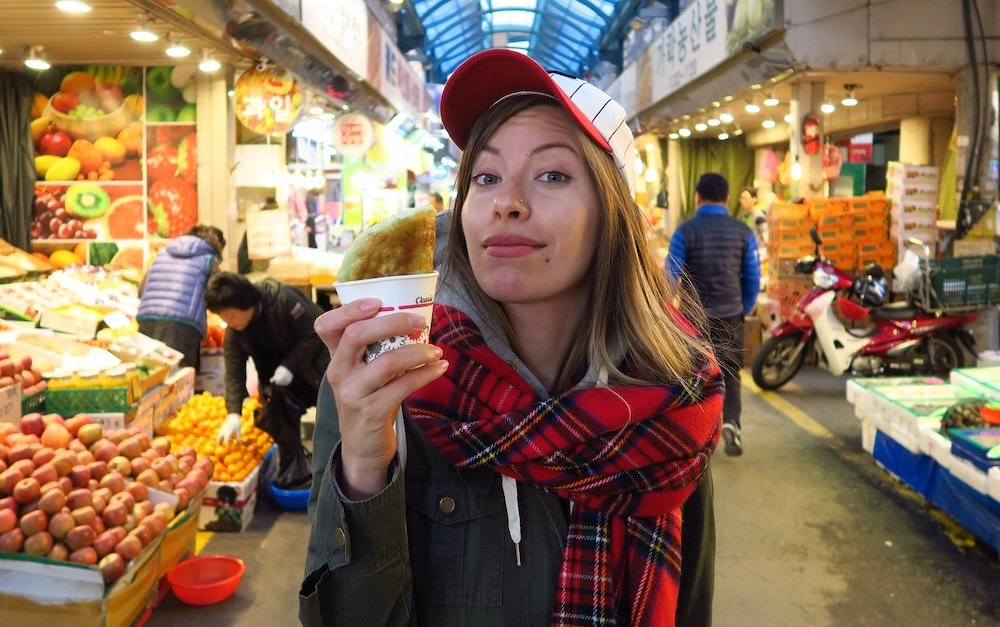
A Culinary Performance on the Streets
Korean street food is all about more than just tasty eats. It’s a mix of shared heritage, community vibes, and creative flair. Every food stall is like a little stage, where cooks whip up amazing dishes from simple ingredients. Eating here isn’t just about filling up; it’s about experiencing something special and memorable.

Beyond the Hustle: A Deeper Dive
We’re not just listing tasty dishes here. We’re inviting you to dive deep into South Korean culture. Beyond the hustle of the city streets, there’s a whole story to uncover in the food. From the spicy kick of Tteokbokki to the unique taste of Sundae, and from lively markets to the traditions behind each dish, we’re exploring it all.
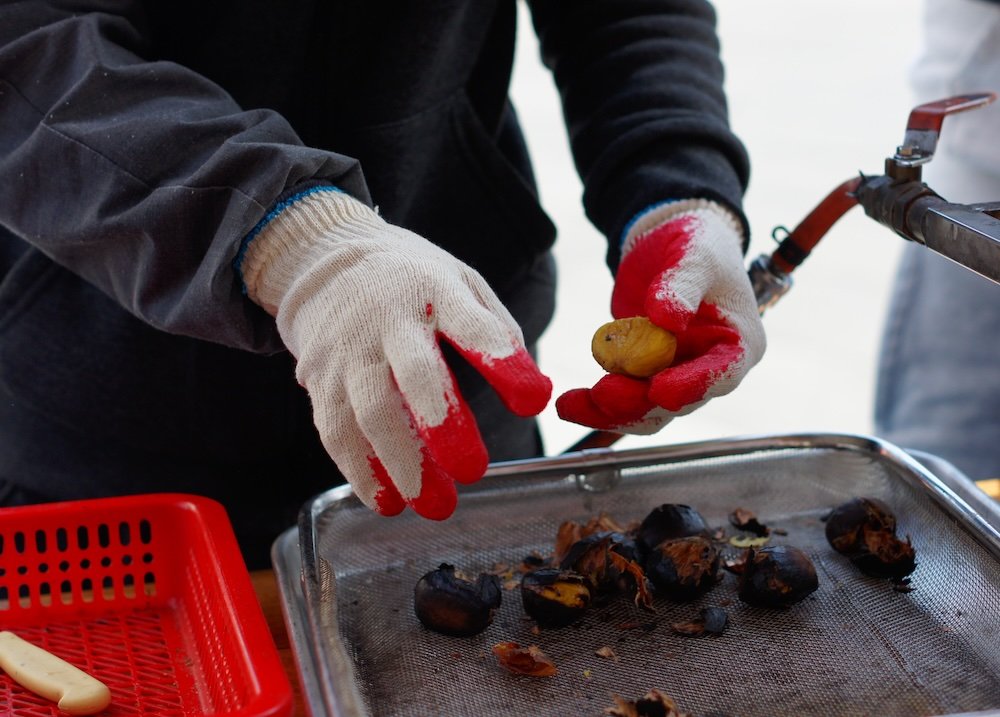
An Art Form and a Celebration
Street food in South Korea is more than a quick bite—it’s art, celebration, and a story of creativity and resilience. Join us on this foodie adventure. Taste the flavors, explore the markets, and get to know the rich culture behind every dish.
Historical Background: Emergence of Street Food Culture in South Korea
The roots of South Korea’s street food culture dig deep into the aftermath of the Korean War in the 1950s. In a country scarred by conflict, the resilient spirit of its people sparked a culinary revolution. Street food started out of necessity, a way for many to make ends meet. But it quickly evolved, becoming a vibrant part of the urban landscape.
From Necessity to Cultural Staple
Initially, these humble food carts were simple means of survival. Over time, they transformed into bustling community hubs, symbols of resilience and innovation. Street food in South Korea isn’t just about eating; it’s a testament to the nation’s ability to turn hardship into opportunity, creating a culinary tradition that cuts across social and economic lines.
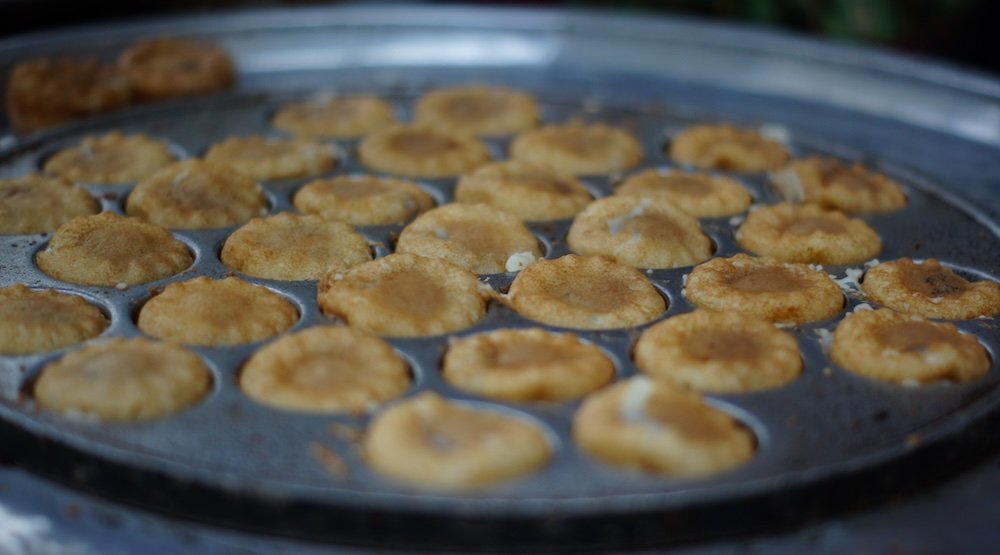
Historical and Socio-economic Factors Shaping Korean Street Food
Korean street food has been shaped by the country’s rich history and socio-economic changes. The Korean Peninsula has seen its share of dynasties, invasions, colonization, war, and rapid economic development, all leaving their mark on the food culture.
- Joseon Era: This period, marked by agrarian society and Confucian values, introduced simplicity and modesty to the food.
- Japanese Occupation: Brought new cooking techniques and ingredients.
- Post-Korean War: Scarcity led to inventive, frugal dishes.
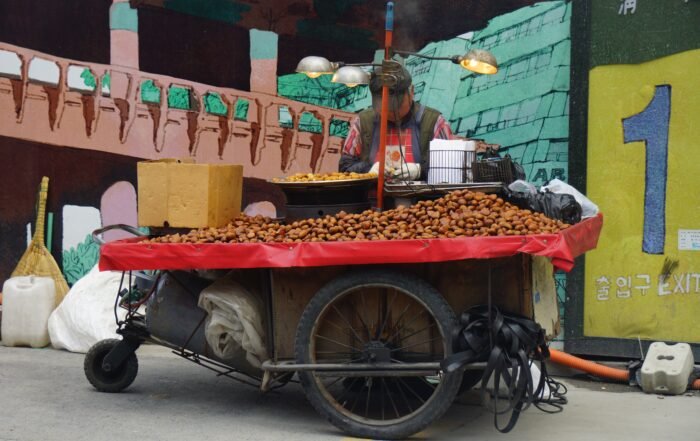
The Modern Evolution
The late 20th century brought the “Miracle on the Han River,” a period of rapid economic growth. Traditional street food began to mix with Western influences, adding complexity and global flair to the local cuisine. This era symbolizes South Korea’s adaptability and openness to new trends.
Contemporary Trends
Today, there’s a strong focus on healthy living and sustainability. This shift has introduced more vegetarian options, organic ingredients, and eco-friendly practices. Modern street food in South Korea mirrors the country’s evolving socio-economic landscape, balancing tradition with change.
source: Samuel and Audrey on YouTube
Korean Street Food Essentials
Korean street food captivates both locals and tourists. Imagine a symphony of aromas, a vibrant palette of colors, and a harmonious blend of flavors, all coming together on the bustling streets. Each street food stall, whether it’s a cozy cart or a simple booth, represents the lively culinary culture of South Korea.
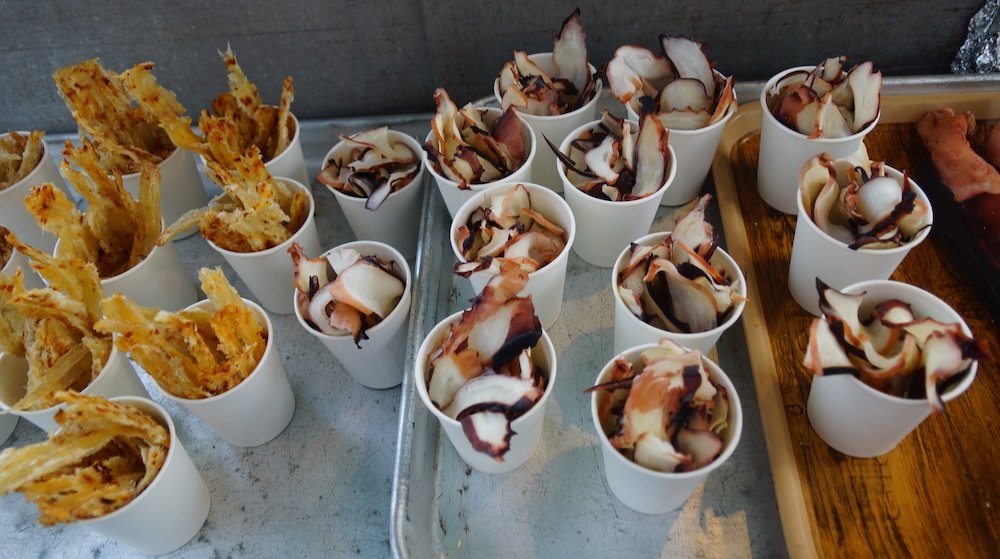
The Vibrant Korean Street Food Scene
As the sun sets, cities like Seoul and Busan come alive. The streets buzz with hawkers and the chatter of excited customers. The air fills with an irresistible mix of scents—from the fiery spices of Tteokbokki to the mouthwatering aroma of grilling meat. Brightly lit stalls line the pavements, each offering a variety of delicacies made with skill and precision.
But it’s not just the food. The interaction between vendors and customers adds a special touch. Picture a cheerful hawker expertly preparing your order, a friendly vendor sharing the history behind a dish, or groups of people chatting and laughing around a food stall. This human connection brings warmth and soul to the South Korean street food experience.
Must-Try Korean Street Food
Some dishes have become icons in the world of Korean street food. They tell unique stories of tradition, taste, and texture. Let’s take a closer look at a few favorites:
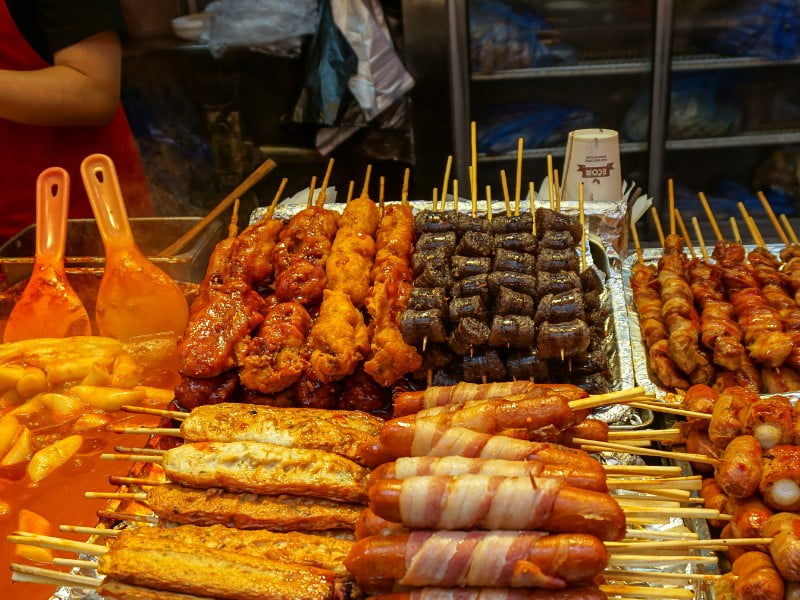
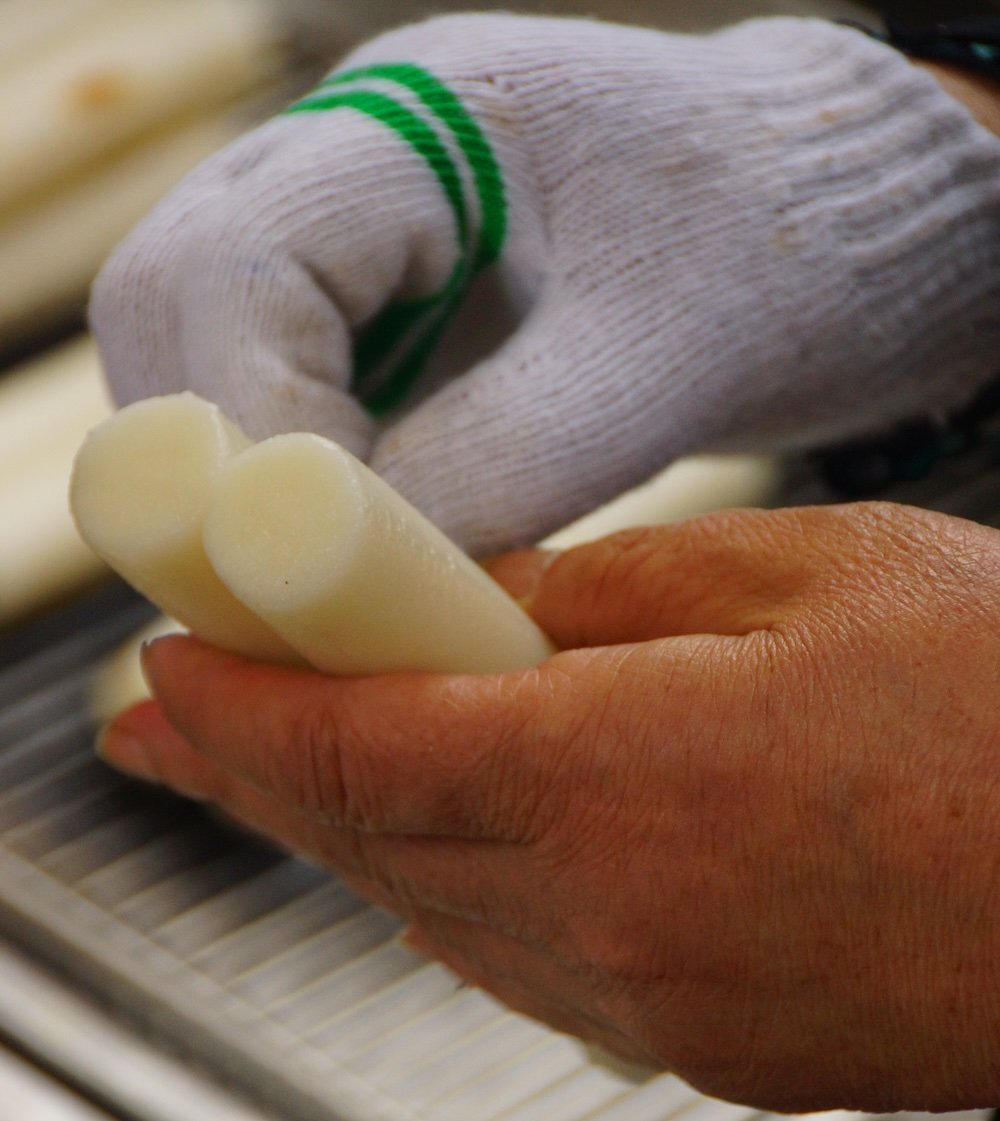
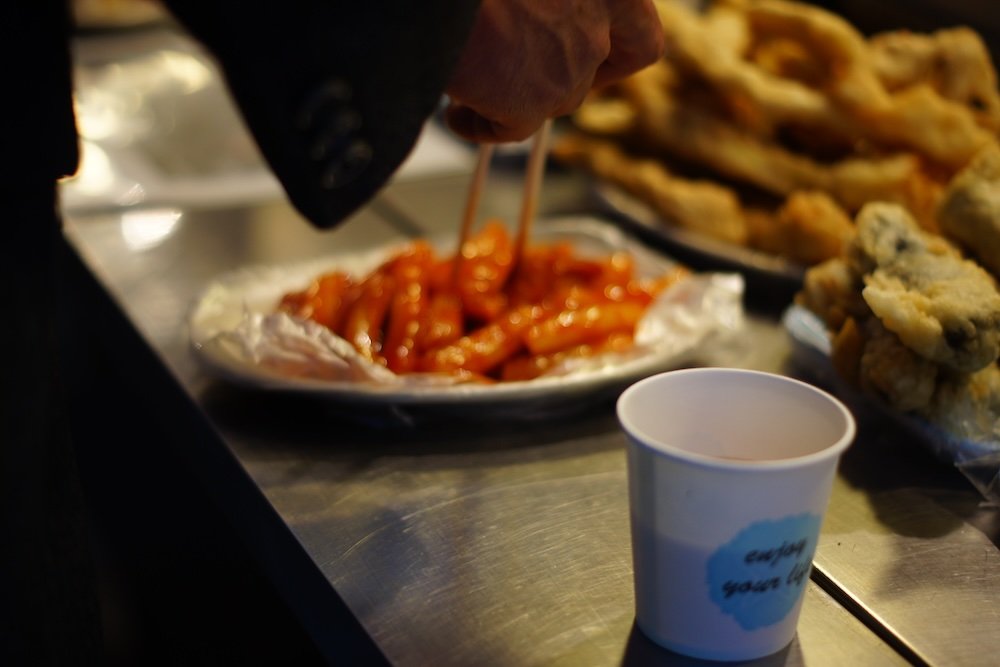
- Tteokbokki: This dish features chewy rice cakes drenched in a spicy gochujang (red chili paste) sauce. Its vibrant red color and bold flavors perfectly capture Korea’s dynamic spirit. The heat is balanced by a subtle sweetness, making every bite a delightful experience.
- Sundae: Also known as Korean blood sausage, Sundae is made from pig’s blood, cellophane noodles, and barley. It might seem unusual at first, but its delicate flavors and unique texture are a pleasant surprise for adventurous eaters. This dish highlights Korea’s resourcefulness and tradition of using every part of the animal.
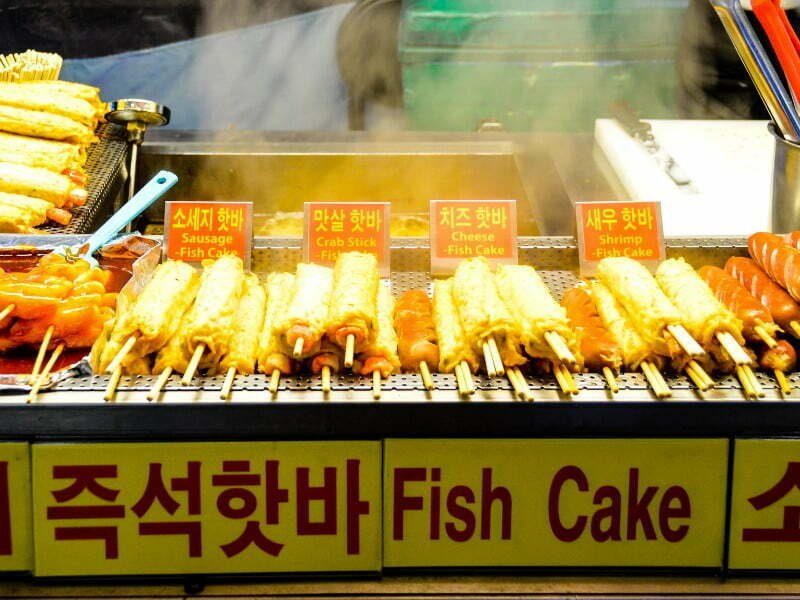
- Odeng: These fishcakes, often served on skewers in a warm broth, are the epitome of comfort food. Odeng has a delicate flavor and a satisfying texture, made from ground white fish and flour. It’s a humble yet ingenious dish that showcases Korean culinary tradition.
Each of these dishes embodies the essence of Korean street food—a perfect blend of tradition and innovation, simplicity and complexity, comfort and adventure. Together, they create a rich tapestry of flavors that offer a glimpse into the heart and soul of Korean culture.
source: Samuel and Audrey on YouTube
Exploring Specific Street Foods
Tteokbokki: A Gastronomic Symbol of Korea’s Heritage
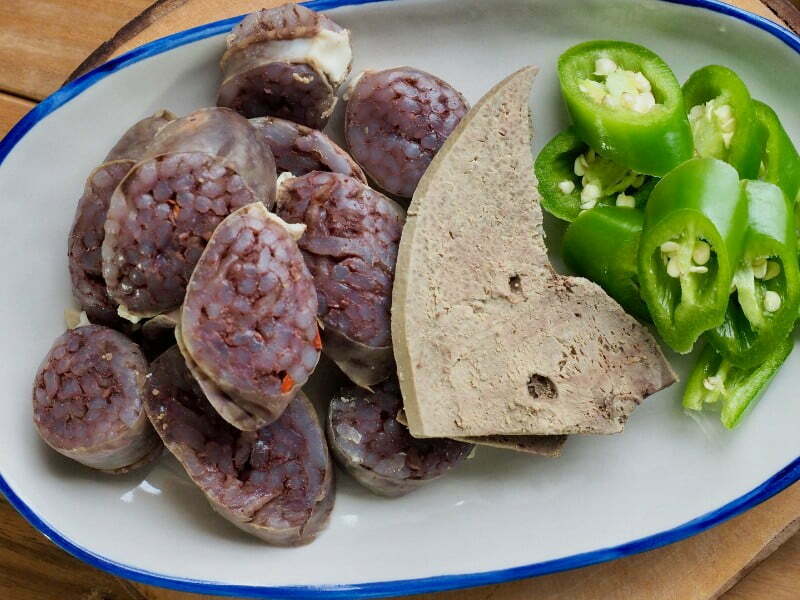
Sundae: An Ode to Korean Culinary Tradition and Regional Diversity
Korean cuisine is showcased in the humble yet fascinating dish known as Sundae. Often referred to as “blood sausage,” Sundae combines unique ingredients that reflect Korea’s resourcefulness and deep respect for life. Exploring Sundae is not just about tasting a dish; it’s about diving into the heart of Korean gastronomy.
The Making of Sundae
Sundae epitomizes the Korean philosophy of ‘nose-to-tail’ eating. It’s about making the most of every part of an animal. At its core, Sundae is a sausage made from pig’s blood, cellophane noodles, glutinous rice, and various vegetables, all encased in pig intestines.
The preparation is meticulous. Vegetables and noodles are finely chopped and mixed with glutinous rice, giving the dish a variety of textures. This mix is then blended with pig’s blood, creating a rich, dark filling. The final step involves stuffing this mixture into cleaned intestines and boiling the sausages until fully cooked. This complex process demands precision, patience, and skill, highlighting the intricate art of Korean cooking.
Regional Variations: A Reflection of Korea’s Culinary Diversity
While the basic recipe for Sundae is consistent, regional variations add exciting diversity, reflecting Korea’s vibrant local food cultures. Each region puts its unique spin on Sundae, resulting in a wide range of flavors and textures.
- Gyeonggi Region: Sundae here often includes barley, adding a distinct, slightly nutty flavor.
- Incheon: Known for “Samsan Sundae,” which features a generous amount of perilla seeds, giving it a unique aroma and texture.
- Gangwon Province: Famous for “Abai Sundae,” with a complex filling of tofu, kimchi, vegetables, and mung bean sprouts, creating a melody of flavors and textures.
These variations highlight the rich diversity of Korean cuisine and the pride each region takes in its culinary traditions.
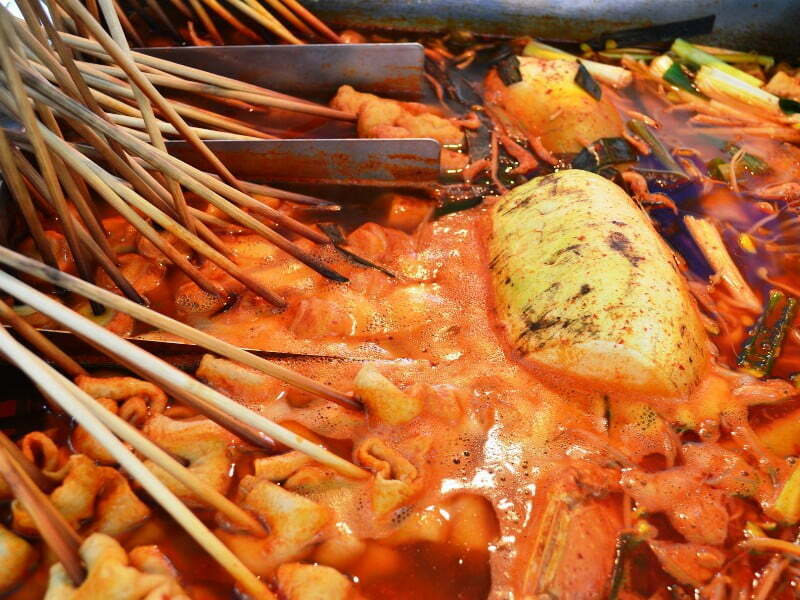
Odeng: An Emblem of Simplicity and Comfort in Korean Street Food Culture
Odeng, or Korean fishcake, embodies simplicity, comfort, and traditional culinary ingenuity. Despite its humble appearance, Odeng boasts rich flavors and cultural significance that go beyond ordinary street food. Understanding Odeng is a delightful exploration into the essence of Korean street food culture.
The Craft Behind Odeng
Odeng showcases the resourcefulness and creativity of Korean cuisine. Made from a blend of white fish, flour, and seasonings, the mixture is ground into a smooth paste, molded into various shapes and sizes, and then cooked—usually by boiling or grilling.
Creating Odeng is all about balance. The choice of fish, the proportions of ingredients, and the cooking method all contribute to its soft, chewy texture and subtle, savory flavor. This balance reflects the Korean culinary principle of harmony in food, showing a deep respect for each ingredient’s unique qualities.
Often served skewered in a warm, umami broth, Odeng is the perfect comfort food for chilly Korean winters. The broth, typically made from dried anchovies, kelp, and soy sauce, adds extra flavor, making Odeng a beloved street food item.
Odeng’s Role in Korean Street Food Culture
In the bustling world of Korean street food, Odeng holds a special place. It’s more than just a popular dish; it’s a cultural fixture resonating with Koreans from all walks of life. Its widespread appeal comes from its affordability, versatility, and comforting nature.
- Accessibility: Odeng’s affordability makes it accessible to everyone—from students needing a cheap snack to busy workers seeking a quick, comforting meal. It symbolizes the democratization of food in Korean culture.
- Versatility: Odeng is incredibly versatile. You can find it skewered at street carts or as a key ingredient in hearty soups and stews at traditional Korean restaurants. This adaptability reflects the Korean ethos of innovation within tradition, transforming simple ingredients through various preparation methods.
- Comfort: Odeng resonates with the concept of ‘comfort food.’ The warm broth and savory fishcakes evoke a sense of nostalgia and homeliness, offering a culinary retreat amidst the city’s hustle and bustle.
source: Samuel and Audrey on YouTube
Pajeon: The Quintessential Korean Pancake Reflecting Unity and Diversity
Pajeon, the savory Korean pancake, is a delightful blend of flavors and textures that showcases the essence of Korean culinary traditions. Combining various ingredients into one delicious dish, Pajeon represents the unity and diversity that define Korean society. Exploring Pajeon not only reveals the richness of Korean cuisine but also offers a glimpse into the cultural and societal significance this dish holds.
The Art of Crafting Pajeon
Pajeon, named from “pa” meaning scallion and “jeon” meaning pan-fried battered food, is a culinary gem. Creating Pajeon is an exercise in balance and harmony. The base batter, made from wheat flour, water, and often eggs, encases a mix of ingredients in a tender, golden pancake.
- Ingredients: The star ingredient, scallions, imparts a unique sharpness. But Pajeon invites creativity, with variations including seafood, kimchi, and other vegetables.
- Texture and Flavor: The result? A perfect blend of textures and flavors. The crispy exterior gives way to a soft, savory inside, bursting with the freshness of scallions and any added ingredients. Each bite of Pajeon is a culinary revelation, showcasing how Korean cuisine elevates simple ingredients.
Pajeon Variations: A Celebration of Korean Culinary Diversity
Like Korea’s diverse culinary landscape, Pajeon boasts many variations. Here are some popular types:
- Haemul Pajeon: This seafood pancake is loaded with shrimp, squid, and clams, enhancing the flavor profile and reflecting Korea’s rich seafood tradition.
- Kimchi Pajeon: Offers a tangy twist with fermented cabbage. The spicy, sour kimchi adds complexity, creating a flavor harmony that’s truly spectacular.
Pajeon and Korean Society: A Delicious Bond
Pajeon’s significance goes beyond taste. It’s intertwined with Korean traditions and practices.
- Cultural Occasions: During “Jeongwol Daeboreum,” the Korean Lunar New Year, Pajeon is a traditional dish.
- Rainy Day Ritual: Rainy days often call for Pajeon, paired with Makgeolli, a traditional rice wine. The sizzling sound of Pajeon is likened to rain, turning a dreary day into a cozy culinary ritual.
- Community and Togetherness: Cooking and eating Pajeon is a communal activity, reflecting Korea’s emphasis on togetherness. Sharing Pajeon straight from the pan fosters unity, enhancing the social aspect of dining.
source: Samuel and Audrey on YouTube
Hotteok: The Sweet Harmony of Winter in South Korea
Hotteok, a quintessential winter treat in South Korea, is a mouthwatering pancake that perfectly blends culinary sophistication with comforting simplicity. This sweet delight warms the soul and the body, making it a favorite among locals and tourists. Delving into Hotteok provides a delightful glimpse into South Korea’s seasonal food culture and its ingenious dessert-making artistry.

The Delicate Art of Creating Hotteok
Hotteok is a culinary masterpiece crafted from simple, humble ingredients. Though the process seems straightforward, it showcases the Korean tradition of transforming basic elements into gastronomic wonders.
- The Dough: It all starts with a yeast-based dough made from wheat flour, water, and a touch of sugar. This dough is left to ferment, giving Hotteok its signature chewy texture and slight tang, setting it apart from other pancakes.
- The Filling: The dough becomes the canvas for a rich, sweet filling. A mix of brown sugar, honey, chopped peanuts, and a dash of cinnamon creates a flavor symphony that defines Hotteok. This mixture is carefully sealed inside the dough and flattened into a pancake.
The Cooking Process
The magic happens when these filled dough balls are pan-fried to golden perfection. The result is a culinary marvel: a crispy, golden exterior that reveals a molten core of sweet, nutty goodness. Each bite of Hotteok is an adventure, offering a delightful play of textures and flavors that’s both comforting and exciting.
The Essence of Hotteok
Hotteok isn’t just a treat; it’s a winter ritual. The enticing aroma wafts through the chilly streets, drawing people to food stalls. The warm, sweet taste of Hotteok offers a moment of comfort in the cold, making it a beloved winter staple.
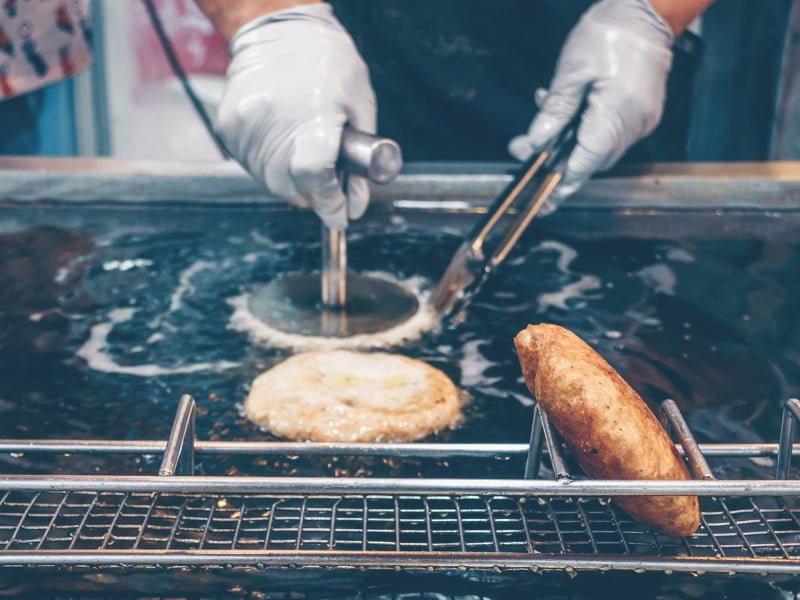
source: Samuel and Audrey on YouTube
Bungeoppang: Korean Heritage Cast in a Crispy, Fish-Shaped Pastry
Bungeoppang, the adorable fish-shaped pastry of South Korea, is a sweet nod to Korean street food. Filled with sweet red bean paste, this charming treat links the past and present, blending tradition with innovation. Exploring Bungeoppang’s story helps you navigate Korean food culture, where every bite reveals tales of resilience, creativity, and shared memories.
The Craftsmanship Behind Bungeoppang
Bungeoppang, named after the bungeo or crucian carp it resembles, is a masterpiece of simplicity and elegance. The creation process of Bungeoppang is mesmerizing, showcasing the culinary ingenuity of Korean cuisine.
- The Batter: It all starts with a smooth batter made of wheat flour, baking powder, eggs, and milk.
- The Mold: This batter is poured into a specialized mold that gives the pastry its distinctive fish shape.
- The Filling: Each mold half is filled, and a generous spoonful of sweet red bean paste, made from azuki beans, is placed in the center.
- The Cooking: The two halves are then closed, and the pastry is cooked until it achieves a beautiful, golden brown color.
The result is a whimsical treat with a light, crispy crust and a sweet, creamy filling. The contrast between the crunch of the crust and the softness of the red bean paste makes Bungeoppang a sensory delight, offering a harmonious interplay of textures and flavors.
Bungeoppang: A Pastry with Cultural and Symbolic Weight
Bungeoppang holds a special place in Korean food culture, and its significance goes beyond its delicious taste. This humble fish-shaped pastry is rich with tales of Korean history, symbolism, and shared cultural memory.
- Symbolism: The fish shape of Bungeoppang is more than aesthetic. In East Asian culture, fish symbolize abundance and success, so Bungeoppang imparts good luck and prosperity to its eaters.
- Historical Roots: Using sweet red bean paste as a filling has historical roots. Back when sugar was scarce, this naturally sweet paste was a creative substitute, symbolizing Korean resilience and resourcefulness.
- Winter Treat: Like Hotteok, Bungeoppang is often enjoyed during the cold winter months. Its warm, sweet filling provides a comforting break from the winter chill, turning an ordinary day into a memorable experience.
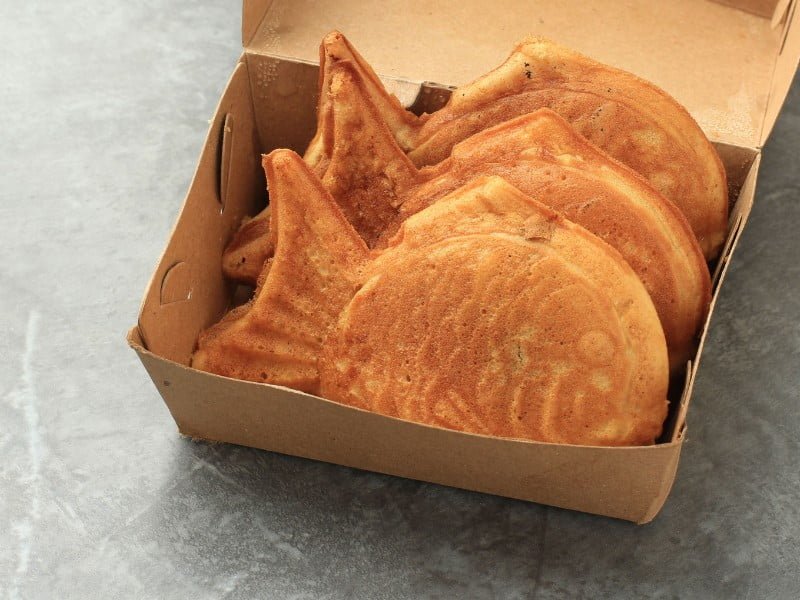
source: Samuel and Audrey on YouTube
Street Food Markets: The Heartbeat of Korean Street Food Culture
South Korean street food markets are a living, breathing tableau of the country’s culinary landscape. Amidst the lively chatter and the clatter of cooking utensils, the essence of Korean cuisine unfolds through an astonishing array of delectable offerings.
- Variety of Treats: These markets offer a vast variety of treats, from the hearty Tteokbokki and savory Sundae to the ubiquitous Odeng and the sweet allure of Hotteok and Bungeoppang. Each stall presents a unique gastronomic adventure. Chefs and vendors, like conductors of a grand orchestra, skillfully blend ingredients, techniques, and presentation to create edible masterpieces.
- Culinary Spectacle: The preparation of street food is a spectacle in itself. Watch as vendors deftly shape Bungeoppang, stir a Tteokbokki pot, craft Sundae, and sizzle Pajeon on the griddle. This open-theater culinary performance not only entices the palate but also feeds the soul, connecting people to the rich culinary heritage of the country.
Famous Street Food Markets: A Culinary Tour
There are several iconic street food markets across South Korea, each offering a unique gastronomic experience.
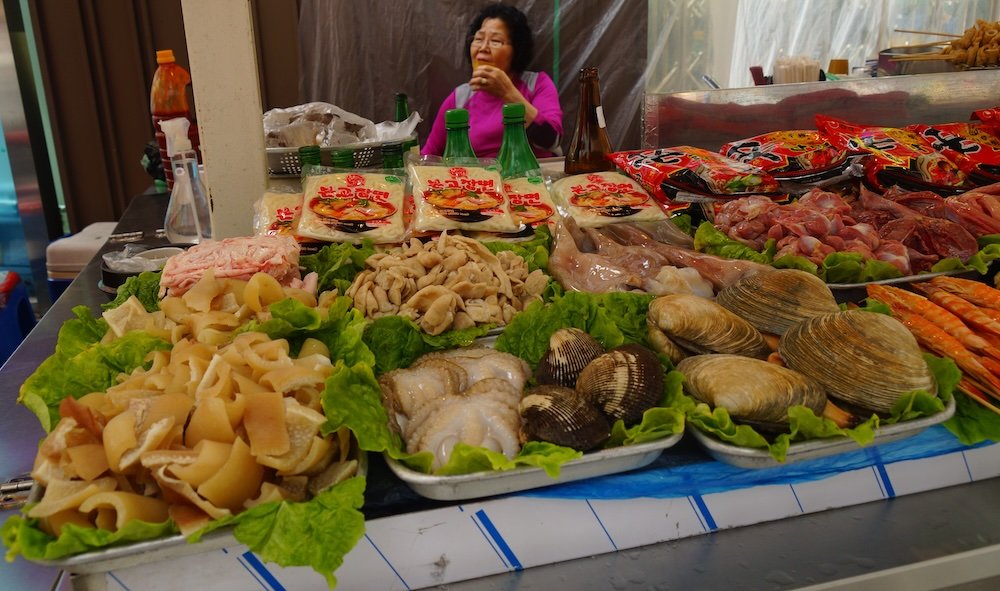
- Myeongdong Street Market (Seoul): At the heart of Seoul, this bustling market is a gastronome’s paradise. Known for its wide variety of food offerings, it’s a mecca for both classics like Tteokbokki and Odeng, as well as innovative delights such as cheese-topped seafood and grilled lobster.
- Gwangjang Market (Seoul): Another culinary gem in Seoul, Gwangjang Market offers an authentic taste of Korean heritage with its vintage ambiance and traditional fare. The market is particularly famous for its Bindaetteok (mung bean pancakes) and Mayak Kimbap (addictive seaweed rice rolls).
- BIFF Square Street Food Market (Busan): This market in Busan presents a delicious blend of local specialties and traditional Korean street food. Here, the Ssiat Hotteok, a variation of the classic Hotteok filled with seeds and nuts, is a must-try delicacy.
Myeongdong Street Food Market: A Historic Culinary Hub With an Irresistible Charm
In the heart of Seoul, where sleek skyscrapers meet traditional charm, lies the Myeongdong Street Food Market—a bustling gastronomic paradise that epitomizes Korean street food culture. Known for its intoxicating blend of sights, sounds, and scents, Myeongdong is a symbol of South Korea’s thriving food scene. Exploring Myeongdong is more than a culinary adventure; it’s a journey through history, rich with a kaleidoscope of tastes and shared moments of joy.
Myeongdong Street Food Market: A Chronicle of Flavorful Heritage
Myeongdong market boasts a rich history intertwined with Seoul’s urban narrative. Its roots stretch back to the Joseon Dynasty when it served as a residential area for the nobility. Over the centuries, Myeongdong transformed into a vibrant commercial hub, with its food market emerging as a beacon of Korean culinary culture.
As Seoul grew into a bustling metropolis, Myeongdong evolved with it. Today, it’s a harmonious blend of old and new—traditional Korean fare alongside innovative culinary creations. This historic transformation makes Myeongdong more than just a food market; it’s a living testament to Seoul’s cultural evolution.
The Allure of Myeongdong: A Foodie’s Playground
Myeongdong’s popularity is undeniable. As day turns to evening, the area comes alive, transforming into a vibrant, neon-lit spectacle teeming with locals and tourists. The market’s allure lies in its diversity and exhilarating energy. Each visit offers a new flavor to discover, a new scent to chase, a new sight to marvel at.
The stalls of Myeongdong offer a mesmerizing array of Korean street food. From traditional staples like Tteokbokki, Sundae, and Pajeon to innovative delights like cheese lobster and strawberry mochi, the market is a thrilling culinary journey. Chefs and vendors, with their remarkable skills and infectious enthusiasm, create a dynamic gastronomic theater that fascinates and entices.
Must-Try Foods at Myeongdong Street Food Market
There are a few standout dishes that every food enthusiast should try at Myeongdong:
- Tteokbokki: The quintessential Korean street food, Tteokbokki is a comforting bowl of spicy, chewy rice cakes that is a must-try.
- Sundae: This unique Korean sausage made with glass noodles and pork blood is equally irresistible.
- Grilled Cheese Lobster: Among the more adventurous offerings, this dish is a crowd-pleaser. A whole lobster smothered with melted cheese creates a luxurious, decadent treat that contrasts wonderfully with more traditional street food.
- Strawberry Mochi: No visit to Myeongdong is complete without sampling the sweet treats. This soft rice cake filled with fresh strawberries and sweet red bean paste is a delightful dessert that perfectly captures the balance of flavors celebrated in Korean cuisine.

Gwangjang Market: A Timeless Culinary Treasure Trove
Gwangjang Market, a cornerstone of Seoul’s culinary scene, is a living testament to the city’s rich food heritage. This century-old market, bustling with life and filled with the enticing aromas of delectable delicacies, embodies the enduring charm of traditional Korean cuisine. Exploring Gwangjang Market is like stepping back in time, where you can savor Korean gastronomy in its most authentic form.
Gwangjang Market: A Symbol of Traditional Korean Life
Established in 1905, Gwangjang Market holds the distinguished title of Seoul’s oldest continually functioning market. Initially a silk trading center during the Joseon Dynasty, it evolved over the years into a culinary haven, maintaining its traditional atmosphere amid the city’s rapid modernization.
- Vintage Allure: The market’s charm lies in its vintage allure—narrow, winding lanes, old wooden stalls, and the soulful hum of local life paint a vivid picture of Seoul’s past. It’s a bustling microcosm of traditional Korean life, where timeless culinary traditions are preserved, and a strong sense of community thrives.
Gwangjang Market: An Ode to Traditional Korean Cuisine
Renowned for its gastronomic offerings, Gwangjang Market houses hundreds of stalls serving an astonishing variety of dishes. It’s a paradise for food enthusiasts, offering a true taste of Korean heritage.
- Bindaetteok: Among the market’s culinary gems, Bindaetteok, a savory mung bean pancake, stands out. The rhythmic sizzle on the griddle, its golden, crispy exterior, and the warm, hearty filling showcase Korea’s culinary prowess.
- Mayak Kimbap: Another crowd favorite is Mayak Kimbap, petite seaweed rice rolls often called ‘addictive’ for their irresistible flavor. Drizzled with sesame oil and served with a dipping sauce, this simple dish epitomizes Korean comfort food.
- Sundae and Tteokbokki: Don’t miss Sundae, a Korean sausage made with glass noodles and pork blood, or Tteokbokki, spicy rice cakes that are staples in Korean cuisine. These dishes, with their depth of flavor and texture, exemplify the mastery of traditional Korean cooking techniques.
Gwangjang Market: The Lifeline of a Community
Gwangjang Market’s significance extends beyond its culinary delights. It’s a lifeline for the local community, where relationships are nurtured over shared meals and common memories.
- Vendors and Legacy: Many vendors have been part of the market for decades, carrying forward the legacy of Korean food culture, with each dish telling a story of tradition and nostalgia.
- Economic Hub: The market is also a hub of economic activity, providing livelihoods to hundreds of locals. It’s a place where the rhythm of life is dictated by the preparation, sharing, and appreciation of food—the universal language of togetherness.

BIFF Square Street Food Market: An Ode to Busan’s Cinematic and Culinary Charm
Busan, a vibrant port city on South Korea’s southeastern coast, is renowned for its illustrious cinematic heritage and flourishing food culture. At the crossroads of these two realms lies the BIFF Square Street Food Market. This unique gastronomic hub pays homage to both Busan’s love for cinema and its delectable culinary offerings. Named after the Busan International Film Festival (BIFF), this lively food market marries the excitement of cinema with the pleasure of street food, creating an irresistible, culturally rich experience.
BIFF Square: A Cinematic Culinary Stage
Initially established to honor the Busan International Film Festival, BIFF Square quickly transformed into a bustling food market. Cinema enthusiasts from around the world flock here, drawn by the lively mix of movie theaters, memorabilia shops, and bustling food stalls. The square forms a unique cultural landscape where the love for cinema and food intertwine.
Walking through BIFF Square feels like navigating a dynamic film set. The infectious energy of cinema resonates through the vibrant food scene. This cinematic connection adds charm to the market, enhancing the cultural significance of the gastronomic offerings and creating a truly unique ambiance.
A Cornucopia of Culinary Delights
BIFF Square Street Food Market is a testament to Busan’s eclectic food culture. The market boasts a plethora of food stalls serving an astonishing variety of local and traditional Korean street food. It’s a gastronomic symphony, where every stall plays a unique note, contributing to a harmonious composition of flavors, aromas, and textures.
- Ssiat Hotteok: One of the market’s standout offerings is Ssiat Hotteok, a variant of the traditional Korean sweet pancake, Hotteok. This Busan special is generously filled with a variety of seeds and nuts, creating a crunchy sweetness that locals and tourists adore.
- Eomuk Soup: Another delicacy drawing food enthusiasts to BIFF Square is Eomuk soup, a comforting local fishcake soup with a savory flavor. Paired with Tteokbokki, spicy rice cakes, these dishes present a delightful balance of flavors epitomizing Korean street food.
source: Samuel and Audrey on YouTube
Street Food and Korean Festivals: Celebration of Culture and Cuisine
In South Korea, street food is more than just a daily staple; it’s an essential part of the country’s vibrant festivals. These celebrations, steeped in history and tradition, are as much about culinary delights as they are cultural spectacles. Each festival offers a variety of mouthwatering street food options, each symbolizing different aspects of Korean heritage. In these festive settings, street food becomes a unifying force, creating shared experiences and painting a rich tapestry of Korean identity.
Street Food: The Flavorful Backbone of Korean Festivals
Korean festivals are known for their colorful pageantry, spirit of togetherness, deep cultural symbolism, and delicious food. During these celebrations, streets transform into bustling food bazaars, filled with the enticing aromas of various delicacies. The stalls, packed with traditional treats, become social hotspots where stories are shared, memories are made, and community bonds are strengthened.
In these gatherings, food is more than just sustenance. It’s a conduit of cultural transmission, an edible language expressing the unique narrative of the Korean people. Each festival features certain dishes, making their consumption a participation in centuries-old traditions.
Specific Foods: Taste Buds of Tradition and Festivity
- Lunar New Year (Seollal): During Seollal, Tteokguk is a must-have delicacy. This warm and comforting soup with thinly sliced rice cakes symbolizes the start of a new year and is believed to grant good luck and prosperity. Its presence in street food stalls during Seollal offers a delightful culinary experience infused with cultural significance.
- Chuseok: The harvest festival of Chuseok is incomplete without Songpyeon. These half-moon-shaped rice cakes, traditionally stuffed with sweet fillings like sesame seeds, honey, red bean, or chestnut paste, represent gratitude for nature’s abundance. Street food stalls during Chuseok abound with various versions of Songpyeon, each bite narrating a tale of agricultural tradition and communal gratitude.
- Boryeong Mud Festival: Famous for its therapeutic mud baths and lively atmosphere, this festival’s gastronomic star is the Mud Flat Snail Sausage. Made from mud flat snails, vegetables, and spices, this unique sausage encapsulates the festival’s essence, offering an adventurous culinary symbol of this quirky celebration.
source: Samuel and Audrey on YouTube
Influence of Korean Street Food on Global Cuisine
The globalization of Korean street food is a fascinating phenomenon. Food, as an integral part of cultural identity, travels and evolves while maintaining its core essence. Korean street food’s fiery flavors, diverse textures, and the shared joy of communal eating have translated remarkably well into different cultural contexts, leaving a profound impact on global gastronomy.
- From Streets to Worldwide Kitchens: These gastronomic wonders, once confined to the bustling streets of South Korea, have found new homes in food stalls, high-end restaurants, and home kitchens worldwide. International chefs have embraced Korean street food, infusing it with local ingredients to create innovative fusion dishes. This global culinary exchange has propelled Korean street food to global sensation status, with dishes like Tteokbokki, Sundae, and Bungeoppang becoming household names far beyond Korea’s shores.
Korean Street Food: Flourishing in the International Landscape
Cities like Los Angeles, New York, London, and Sydney are testament to the worldwide popularity of Korean street food.
- Los Angeles: Renowned for its diverse food scene, LA has seen the fusion of Korean street food with Mexican cuisine, resulting in the now-iconic Korean taco. This innovative combination showcases the adaptability of Korean flavors, creating a harmonious dialogue between different cultures.
- New York: A culinary melting pot, New York has a rise in food trucks and stalls offering Korean street food. The city’s bustling night markets often resemble the vibrant food streets of Seoul, with stalls serving everything from Tteokbokki to Hotteok, catering to the adventurous food enthusiasts.
- London: With its rich history of embracing international cuisine, London has welcomed Korean street food with open arms. Food markets like Borough Market and Street Feast feature Korean food stalls where traditional dishes are served alongside creative fusion offerings.
- Sydney: With its significant Korean diaspora, Korean street food has become a staple in local food markets. Popular Korean-Australian fusion dishes, such as Bulgogi burgers, highlight the integration of Korean street food into Australian gastronomy.
source: Samuel and Audrey on YouTube
Making Korean Street Food at Home: An Intimate Culinary Journey
In a world increasingly drawn to personal culinary adventures, the charm of recreating vibrant Korean street food at home has never been greater. There’s something magical about whipping up these enticing dishes yourself. It’s not just about food—it’s a journey into the heart of Korean culture.
Emulating the Street Food Experience: A Feasible Endeavor
Recreating Korean street food at home is easier than you might think. Thanks to globalization, ingredients once considered exotic are now readily available in local supermarkets or online. With the right ingredients, tools, and a bit of adventurous spirit, you can bring the flavors of Korean street food right to your stovetop.
Online resources, cookbooks, and cooking shows have made authentic Korean street food recipes accessible to everyone. This means you can dive into Korean culture, using your kitchen as a canvas to express your culinary creativity.
Bringing the Streets of Korea to Your Kitchen: Simple Recipes
- Tteokbokki: This popular street food dish balances spicy and sweet flavors perfectly. Stir-fried rice cakes are bathed in a flavorful gochujang-based sauce. Combine rice cakes, fish cakes, and boiled eggs with a robust sauce made from gochujang (Korean red chili paste), soy sauce, sugar, and garlic. Simple yet delicious.
- Sundae: Making this Korean blood sausage at home is an adventurous culinary undertaking. Traditionally, it involves stuffing a mixture of glass noodles, glutinous rice, and various seasonings into pig intestines. For a simpler version, use readily available sausage casings and omit the blood component.
- Hotteok: These sweet Korean pancakes, filled with brown sugar, honey, chopped nuts, and cinnamon, are a winter favorite. Mix a simple yeast dough with the sweet filling, then pan-fry the stuffed pancakes until golden brown. Easy and delightful.
Street Food Etiquette in South Korea: Navigating the Culture of Public Gastronomy
Navigating the vibrant labyrinth of street food stalls requires a grasp of certain customary practices. These traditions, rooted in respect for the food, the vendors, and fellow diners, weave a complex tapestry of etiquette that harmonizes the shared public dining experience.
- Ordering and Payment: Street food stalls are often bustling with activity, with vendors skillfully juggling multiple tasks. Patrons typically wait patiently for their turn, respecting the vendor’s space and time. Payment is usually made upfront and in cash. Coins and small notes are preferred as they ease the transaction for vendors.
- Sharing Tables: Space is at a premium in crowded street food markets. Sharing tables with strangers is common and fosters a sense of community. Respect the shared space, avoid taking more than necessary, and leave promptly once you finish eating to make room for others.
- Eating Mannerisms: In Korea, it’s more typical to eat your food standing near the stall or sitting at provided tables rather than walking while eating. Proper disposal of waste, especially with skewered foods, is important, as is general mindfulness to avoid creating unnecessary mess.
- Appreciation and Respect: A simple ‘Gamsahamnida’ (Thank you) or a nod of appreciation towards the vendor goes a long way. These small gestures of respect contribute to the warm, community-oriented atmosphere of Korean street food culture.

Street Food and South Korean Television: A Culinary Drama on Screen
Street food in South Korean dramas and reality shows offers a rich look at the culture and lifestyle of ordinary Koreans. These on-screen culinary adventures not only introduce viewers to traditional dishes but also showcase the communal ethos and vibrant food culture of Korea.
- Dramas: In Korean dramas, bustling street food stalls often set the stage for significant plot developments. Think confessions of love over spicy Tteokbokki or deep conversations over a shared plate of Sundae. Street food symbolizes comfort, evokes nostalgia, and aids character development.
- Reality Shows: Shows like “Running Man” and “Three Meals a Day” often feature street food challenges or segments, offering glimpses into Korea’s rich gastronomic heritage. These shows entertain and educate, highlighting the variety and depth of Korean cuisine.
Influence of Television on Street Food Trends
South Korean TV significantly impacts street food trends. The visibility of certain dishes on-screen often translates into real-world demand. When specific street foods are showcased, they often experience a surge in popularity, with eager fans flocking to taste the foods featured on their favorite shows.
- Real-World Impact: If a popular K-drama character enjoys Bungeoppang at a particular stall, that stall might see a flood of customers wanting to experience the same culinary moment. This phenomenon, known as “Hallyu gastronomy,” demonstrates the powerful influence of South Korean pop culture, both domestically and globally.
source: Samuel and Audrey on YouTube
Vegetarian and Vegan Options in Korean Street Food
While sizzling meats and seafood often steal the spotlight, a quieter yet equally delicious selection of plant-based options thrives. From succulent mushroom skewers to sweet red bean-filled pastries, vegetarian and vegan street food in Korea paints a rich, diverse culinary picture.
With the rising trend of vegetarianism and veganism, South Korea’s food landscape is transforming. This green wave is slowly but surely making its way into the street food culture, creating more inclusive and sustainable culinary experiences.
Green Delicacies Amidst the Street Food Hustle
For vegetarians and vegans, South Korean street food markets are a treasure trove of plant-based delights. Take ‘Tteokbokki,’ for example. Traditionally made with fish sauce, it can now be found in vegan versions using soy sauce and vegetable broths. These chewy rice cakes, bathed in a savory, spicy sauce, offer a satisfying plant-based treat.
- Hotteok: This sweet Korean pancake, stuffed with brown sugar, nuts, and cinnamon, is a vegan-friendly delight. The sizzling, syrup-filled pancake is the perfect sweet ending to your street food journey.
- Pajeon: The ‘Yachae Pajeon,’ a savory Korean pancake filled with colorful vegetables, provides a wholesome and hearty snack.
- Bungeoppang: These fish-shaped pastries, often filled with sweet red bean paste, are a popular winter street food that vegans can enjoy. Their subtly sweet filling and crisp, golden exterior evoke a sense of warmth and nostalgia.
The Green Shift in Korean Street Food Culture
The growing trend of vegetarianism and veganism in South Korea hasn’t gone unnoticed by street food vendors. More stalls are accommodating plant-based dietary preferences, with some even specializing in vegan versions of popular street foods. This gradual shift is a promising stride toward greater inclusivity in the food culture.
This trend is driven by local demand and the increasing number of vegetarian and vegan tourists. The green wave sweeping over South Korean food culture responds to the global call for sustainable and compassionate food choices.
source: Samuel and Audrey on YouTube
Korean Street Drinks: A Liquid Odyssey through South Korean Culture
As vibrant and diverse as the Korean street food scene is, the beverages that accompany these delectable treats are equally intriguing. From traditional sweet concoctions that provide solace from the heat to robust drinks that add a spirited flavor to the festivities, Korean street drinks offer a deliciously immersive cultural experience. Their flavors, as diverse as the country’s landscapes, narrate stories of South Korea’s history, traditions, and resilience.
Exploring popular traditional Korean street beverages like sikhye, sujeonggwa, street coffee, and the ever-popular soju uncovers another flavorful facet of Korea’s rich gastronomy.
Quenching Thirst: The Traditional Korean Way
Sikhye
First on our journey is sikhye, a traditional sweet rice beverage. This fermented concoction, made from rice and malt water, has a subtly sweet taste and a unique aroma that’s both refreshing and comforting. With its origins in royal cuisine, sikhye represents a piece of Korean history that has beautifully transitioned into everyday street food culture.
Sujeonggwa
Next up is sujeonggwa, a delightful cinnamon punch often served chilled. Its rich, dark color, owing to the dried persimmons and cinnamon, is as appealing as its sweet-spicy flavor. Served with pine nuts floating on top, sujeonggwa is a graceful symphony of tastes and textures that embodies the subtle sophistication of Korean culinary art.
The Coffee Craze: Street Coffee
South Korea’s thriving coffee culture extends to its streets with the beloved street coffee. Whether served from quaint mobile coffee vans or traditional stalls, street coffee offers a quick caffeine fix for busy locals and tourists alike. It complements the vibrant hustle of Korean street food markets perfectly.
The Spirit of Korea: Soju
No discussion of Korean street drinks is complete without mentioning soju. This iconic Korean spirit, often enjoyed with savory street food, adds a spirited touch to any gathering. Its versatility and smooth flavor have made it a staple in Korean drinking culture, bridging the gap between traditional and contemporary tastes.

source: Samuel and Audrey on YouTube
The Future of Korean Street Food: An Evolving Gastronomic Tapestry
Looking ahead, the future of Korean street food isn’t just about culinary trends. It’s about understanding how socio-economic changes, technological advancements, and globalization will shape this dynamic food culture.
Forecasting the Flavors: The Future of Korean Street Food
The magic of Korean street food lies in its ability to evolve while staying true to its roots. Current trends reveal a growing focus on health and wellness, sustainability, and inclusivity, reflecting global shifts in food consumption patterns.
- Health and Wellness: There’s a rising demand for vegetarian and vegan options. This has led to green variations of traditional dishes like vegan ‘tteokbokki’ or ‘gimbap.’ Vendors are also offering dishes with reduced sodium, less oil, and more organic ingredients to cater to health-conscious consumers.
- Fusion Cuisine: Fusion street food is on the rise, blending Korean flavors with international cuisines. The infusion of Western, Southeast Asian, and other diverse culinary influences into traditional Korean street dishes reflects the country’s increasing global integration.
Navigating Modernity and Globalization: The Evolution of Street Food Culture
Modernization and globalization have a significant impact on South Korea’s street food culture. With the advent of food delivery apps, street food vendors are reaching wider audiences. Now, you can savor ‘sundae’ or ‘hotteok’ from the comfort of your home. This convenience is changing the dynamics of street food culture.
- Digital Platforms: The shift towards online food delivery raises questions. Will the popularity of delivery eclipse traditional street food markets, or will it help them thrive by reaching more consumers? Can the convenience of technology preserve the authenticity of street food, or will it dilute the cultural essence found in communal eating experiences?
These questions highlight the challenges of balancing tradition with modernity and local customs with global influences.
Planning Your Own Korean Street Food Adventure
This is the part where you land in Seoul (or Busan), drop your bags, and know exactly where to go, what to order, how much cash to carry, and how not to accidentally blow your whole food budget on your first night.
Hungry? Good.
Where To Find The Best Korean Street Food
Seoul: Classic First-Timer Stops
You could spend an entire trip just eating your way around Seoul’s markets and still feel like you barely made a dent. If it’s your first time, these are the easiest, most rewarding places to start.
Myeongdong – “Grab-and-Graze” Central
Myeongdong is chaos in the best possible way. Neon signs, cosmetic shops, K-pop blasting, and a long strip of food stalls.
Typical finds:
- Giant skewers (galbi skewers, spicy chicken, grilled shrimp)
- Cheese-laden everything (cheese-topped tteokbokki, cheese lobster, cheese corn)
- Dessert-on-a-stick (tornado potatoes, long soft-serve, stuffed pancakes)
Best for:
- First night in Korea when you’re jet-lagged but excited
- Travelers who like “grazing” on lots of small bites
- People-watching and photos
Rough budget:
- 4–6 snacks + 1 drink = 15,000–25,000 KRW per person
Gwangjang Market – Old-School, No-Nonsense Eats
This is where you sit shoulder-to-shoulder on tiny stools and the ajummas (aunties) have zero time for your indecision. It’s fantastic.
Signature bites:
- Bindaetteok (mung bean pancake) fried on huge griddles
- Mayak gimbap (“addictive” mini seaweed rolls)
- Knife-cut noodle soups, blood sausage, pork hocks
Best for:
- Hearty, sit-down street food meals
- Rainy days when you want hot soup and something crispy
- Travelers curious about more “traditional” flavors
Rough budget:
- 1 pancake + mini gimbap + soup = 10,000–18,000 KRW per person
Hongdae & Sinchon – Youthful, Late-Night Snacks
Around the university zones, you get a fun mix of classic Korean street food and playful, Instagram-ready snacks.
Expect:
- Deep-fried everything (squid, chicken, dumplings)
- Korean corn dogs (with potatoes, cheese, sugar dusting)
- Cups of bite-size tteokbokki, odeng, and skewered meats
Best for:
- Evenings when you want food plus nightlife
- Trying trendy snacks K-drama characters would eat
- Budget-friendly bites between bar-hopping
Busan: Street Food With a Sea Breeze
Busan takes everything you’ve seen in Seoul and sprinkles it with sea salt.
BIFF Square – Film Festival Meets Food Crawl
Food carts line the streets around the cinema area, serving Busan twists on familiar classics.
Don’t miss:
- Ssiat Hotteok (seed-stuffed sweet pancakes dripping with syrup)
- Eomuk (fishcakes) on skewers with steaming broth
- Tempura-style seafood and deep-fried snacks
Jagalchi & Nearby Streets
Around Jagalchi Fish Market you’ll find:
- Fresh seafood skewers
- Grilled shellfish
- Raw fish and sashimi for when you’re feeling bold
Quick Comparison: Where To Start If You’re Short On Time
| Place | City | Vibe | Best For | Time Of Day |
|---|---|---|---|---|
| Myeongdong | Seoul | Neon, crowded, touristy | First-timers, “greatest hits” | Late afternoon–night |
| Gwangjang | Seoul | Old-school, indoor market | Hearty meals, rainy days | Lunch–early evening |
| Hongdae | Seoul | Youthful, energetic | Night snacks, trendy bites | Evening–late night |
| BIFF Square | Busan | Film district, lively streets | Hotteok, fishcakes, atmosphere | Afternoon–evening |
What Things Actually Cost (So You Don’t Overpay)
Street food in Korea is generally good value, but it’s still easy to overspend when everything looks amazing.
Typical Street Food Prices (Approx.)
| Item | Typical Price Range (KRW) |
|---|---|
| Tteokbokki (cup/plate) | 3,000–6,000 |
| Odeng skewer + broth | 1,000–2,000 per skewer |
| Hotteok | 2,000–4,000 |
| Bungeoppang (fish pastry) | 1,000–2,000 (often 2–3 pcs) |
| Pajeon (sit-down portion) | 8,000–15,000 |
| Korean corn dog | 3,000–5,000 |
| Simple coffee (street) | 2,000–4,000 |
| Bottle of soju (shop/restaurant) | 4,000–6,000 |
Realistic daily food budget if you’re leaning into street food:
- Budget traveler:
- Breakfast from convenience store + 2–3 street snacks + 1 cheap restaurant meal
- Around 20,000–30,000 KRW per day
- Mid-range foodie:
- 5–7 street snacks + 1 sit-down meal at a market or local restaurant
- Around 30,000–45,000 KRW per day
Bring small bills and coins. Vendors are happy to take 1,000 and 5,000 notes. Nobody loves a 50,000 note for a 2,000 KRW Hotteok.
When To Go: Seasons, Weather, And Food Mood
Korean street food hits differently depending on the season.
Spring & Autumn – Comfortable Food-Crawl Weather
- Temperatures are mild. You can wander for hours without melting or freezing.
- Markets feel lively but not suffocating.
- Great time for everything: spicy stews, pancakes, ice cream, hot snacks.
Summer – Hot, Humid, But Fun
- Expect sweat. Lots of it.
- You’ll crave:
- Cold drinks (iced coffee, fruit juices, shaved ice desserts nearby)
- Lighter snacks vs heavy pancake-on-pancake situations
- Markets can feel crowded and sticky, so aim for evenings.
Winter – Peak Comfort-Food Season
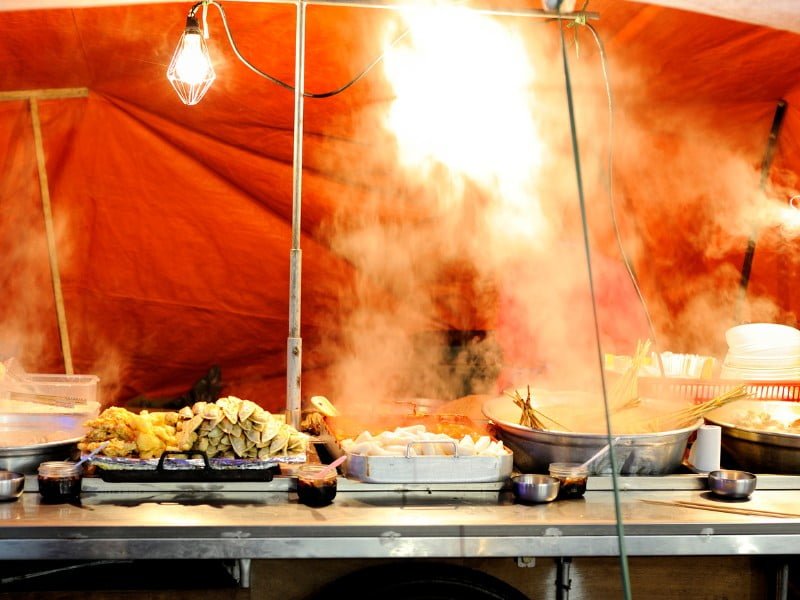
This is when Korean street food is downright magical. Breath in the cold air, exhale steam from your odeng broth.
Perfect winter street foods:
- Tteokbokki, odeng, fishcake soup
- Hotteok and Bungeoppang
- Roasted chestnuts and sweet potatoes
If you’re a comfort-food person, winter street food in Korea is your happy place.
How To Structure A Street Food Day
1-Day Seoul Street Food Game Plan
Morning
- Light breakfast at your accommodation or convenience store (triangle gimbap, yogurt, coffee).
- Explore a palace or neighborhood (Gyeongbokgung, Bukchon, Insadong) to earn your snacks.
Lunch – Gwangjang Market
- Grab a stool at a Bindaetteok stall.
- Order:
- Mung bean pancake
- Mini gimbap
- Maybe a simple soup
- Wander the market afterwards, snack on a few extras if you see something that calls your name.
Afternoon
- Walk it off along Cheonggyecheon Stream or the nearby neighborhoods.
- Coffee break in a cafe.
Evening – Myeongdong or Hongdae
- Turn it into a proper food crawl:
- Start with something savory (tteokbokki, odeng)
- Move to skewers or corn dogs
- Finish with Hotteok, giant ice cream, or Bungeoppang
- Mix in a beer or soju if you feel like it.
By the end of the day, you’ll have tried 8–10 different things without ever sitting down to a formal, long restaurant meal.
How Not To Get Completely Overwhelmed
Street food streets can be sensory overload. Lights, shouting, sizzling, smells of both heavenly and slightly mysterious origin.
Simple Strategy: The 3-Stop Rule
When you’re overwhelmed by choice, use a simple rule:
- One classic – Tteokbokki, odeng, or Pajeon.
- One “weird” or new-to-you item – Sundae, blood sausage, unusual seafood skewer, or something you’ve never heard of.
- One dessert – Hotteok, Bungeoppang, or soft serve.
You’ll cover the bases: comfort, adventure, and sweet.
Street Food Safety & Stomach-Saving Tips
Korean street food is generally very clean and well-handled, especially around popular markets, but a few common-sense rules help.
What To Look For
- High turnover: A busy stall is your friend. Food doesn’t sit around.
- Hot and fresh: Go for items coming straight off the grill, griddle, or fryer.
- Visible prep area: Many stalls cook right in front of you. If it looks tidy, you’re good.
What To Avoid (Or Think Twice About)
- Lukewarm foods that should be hot.
- Items that look like they’ve been sitting too long in the open air in summer.
- Raw seafood from super-quiet stalls if your stomach isn’t used to it.
Small Survival Kit
Throw this into your day bag:
- Travel-sized hand sanitizer or wet wipes
- Tissues (some markets don’t have napkins)
- Reusable chopsticks if you’re particular about plastic use
Your future self in a busy market will thank you.
How To Order Without Speaking Korean
You absolutely don’t need to be fluent to eat well in Korean street markets. But a few words help, and so does a relaxed attitude.
Handy Phrases
- “Igeo hana juseyo” (이거 하나 주세요) – “One of these, please.”
- “Ma-eul an maeo-wo-yo?” (매울 안 매워요?) – “Is it not spicy?” (If you’re unsure)
- “Jogeum maewgeo juseyo” (조금 맵게 주세요) – “Please make it a little spicy.”
- “Gamsahamnida” (감사합니다) – Thank you.
Pointing is completely normal. Smile, gesture, point at the skewers or pancake you want. Vendors are used to this.
Vegetarian & Picky-Eater Survival Guide (On The Actual Street)
The article already touched on vegetarian and vegan options, but it’s worth translating that into practical, “what do I actually look for at a stall?” guidance.
Easier Vegetarian-Friendly Snacks
- Yachae (vegetable) Pajeon – Pancakes loaded with veggies.
- Hotteok – Usually just dough + sugar + nuts.
- Bungeoppang – Fish-shaped pastry with red bean filling.
- Corn on the cob – Sometimes grilled and brushed with sauce.
- Tteok skewers – Grilled rice cake skewers (double-check sauces).
If you’re vegan, watch out for hidden egg or fish-based broth. Many broths use anchovy base.
Simple Approach
- Say “Gogi eops-eoyo?” (고기 없어요?) – “Is there no meat?”
- If the vendor says yes confidently, you’re good.
- When in doubt, stick to obviously plant-based sweets and snacks.
Quick Decision Matrix: Which Market Fits Your Travel Style?
Sometimes the hardest part is picking where to go first. Here’s a simple “who should go where” snapshot.
| Traveler Type | Best Market/Area | Why It Works |
|---|---|---|
| First-time Korea visitor | Myeongdong | Easy access, lots of variety, familiar + adventurous |
| Food-obsessed, loves “old Korea” | Gwangjang Market | Traditional dishes, indoor stalls, local atmosphere |
| Nightlife + snacks person | Hongdae/Sinchon | Bars, cafes, late-night street food |
| Sea & food lover | BIFF Square (Busan) | Hotteok, fishcakes, cinema vibes, coastal city feel |
| Shy eater, worried about language | Myeongdong / Hongdae | Lots of pictures, English menus common |
| Winter comfort-food hunter | Any market + odeng | Hot broths, pancakes, roasted chestnuts, Hotteok |
Common Mistakes To Avoid (Learn From Other Tourists’ Regrets)
A few easy-to-make mistakes can dull your experience. They’re all fixable.
1. Overloading On Day One
You arrive, you’re excited, you buy everything in sight. By stall three, you’re full and slightly regretful.
Better:
- Share items if you’re traveling with someone.
- Buy one snack, walk a bit, then another. Stretch it out.
2. Sticking Only To “Safe” Foods
It’s tempting to just do corn dogs and fried chicken. Tasty, yes. But you’ll miss a lot.
Try at least one of the following:
- Sundae (if you eat meat)
- Odeng in broth
- Bindaetteok at a loud, local stall
- Something you’ve never seen before
3. Forgetting Cash
Some stalls take cards these days, especially in touristy areas, but plenty still don’t.
Carry:
- At least 20,000–30,000 KRW in small notes each evening.
4. Treating Street Food As Just “A Snack”
Honestly? Street food can be the meal. The most fun nights are when you commit to making a full dinner out of 5–7 small bites instead of eating a big restaurant meal and “just saving room for a little something later”.
Turning Your Trip Into Your Own Korean Street Food Story
The beauty of Korean street food isn’t only the dishes themselves. It’s everything wrapped around them.
You’re standing under a bright sign in Myeongdong, trying not to drip sauce on your shoes. You’re perched on a plastic stool at Gwangjang, listening to metal spatulas hitting hot griddles. You’re in Busan, biting into a Ssiat Hotteok while the sea air sneaks down the alleyway.
These small, messy, delicious moments are what stick.
So when you do land in Korea, don’t just check “street food” off a list.
Slow down.
Watch the vendors.
Chat a bit.
Order the thing you’re not totally sure about.
By the time you leave, you won’t just remember what you ate.
You’ll remember how it felt to be there—chopsticks in hand, steam rising, city buzzing all around you.


Korean Street Food Questions Answered: Practical Tips, Local Advice & First-Timer FAQs
How many days should I spend in Seoul if I’m mainly interested in Korean street food?
Three. That’s the minimum sweet spot if you want to actually enjoy things instead of just speed-eating your way through the city. With three full days you can do a Gwangjang lunch, a Myeongdong night crawl, and a Hongdae or Sinchon evening without feeling rushed.
If you’ve got the time, four to five nights in Seoul gives you room to repeat your favourites, dip into a neighbourhood market, and still do some non-food sightseeing like palaces or hikes so you’re actually hungry again by evening. Busan, with BIFF Square and the fish markets, is a great add-on if you can stretch the trip to a week.
What is the best time of year to visit South Korea for street food and markets?
Honestly, spring and autumn are prime. Late March to early June and late September to early November are usually the most comfortable months for wandering outside with a cup of tteokbokki in your hand—cool evenings, clear air, and markets that feel busy but not brutal.
Summer can still be fun, but it’s hot and humid, so think more iced drinks, lighter snacks, and going out after sunset. Winter is magical if you’re a comfort-food person: steaming odeng broth, roasted chestnuts, hotteok, and bungeoppang feel made for frosty nights, just be ready for freezing temps and icy sidewalks.
Is Korean street food safe to eat, or is there a big risk of getting sick?
Mostly, it’s very safe. Korea has high hygiene standards, and in the big markets food is constantly being cooked, turned, fried, and boiled in front of you, which helps a lot. I get more “too full” regrets than “bad stomach” regrets after a Korean street food crawl.
That said, basic common sense still applies: pick busy stalls with high turnover, go for piping-hot items rather than lukewarm, and be a little cautious with raw seafood if your stomach isn’t used to it. If you’ve just landed after a long flight, maybe don’t test your limits with three super-spicy dishes plus soju on night one.
How much should I budget per day if I’m leaning heavily on street food instead of restaurants?
Good news: you can eat really well on street food without wrecking your wallet. If you’re a budget-minded traveler, around 20,000–30,000 KRW per day can cover a convenience-store breakfast, a couple of snacks, and one hearty market meal.
If you’re a mid-range foodie who wants to graze all day and maybe add a sit-down meal in a market or local restaurant, 30,000–45,000 KRW per day is a realistic range. That usually means five to seven different street snacks plus one proper meal. The hidden budget killer isn’t the price per item—it’s buying everything that looks fun in the first fifteen minutes, so pace yourself.
If it’s my first time in Korea, which street food areas should I prioritize?
Absolutely. Start with a greatest-hits lineup. In Seoul, Myeongdong is the “grab-and-graze” strip with neon, photos, and lots of easy, snacky food for your first jet-lagged night. Gwangjang Market is where you squeeze onto a stool and go deeper into traditional dishes like bindaetteok and mayak gimbap.
For a younger, late-night vibe, Hongdae and Sinchon are perfect—K-pop, bars, and all the playful snacks like corn dogs and deep-fried everything. In Busan, BIFF Square plus the streets around Jagalchi Fish Market give you that coastal twist with ssiat hotteok, fishcakes in broth, and fresh seafood on skewers. If you hit those four areas between Seoul and Busan, you’ve covered a really solid cross-section of Korean street food culture.
Can I enjoy Korean street food if I’m vegetarian or vegan?
Yes. It takes a bit more scanning and asking questions, but there’s good stuff out there. Hotteok, bungeoppang with red bean, yachae (vegetable) pajeon, grilled corn, and plain rice-cake skewers are often solid vegetarian options, and some stalls now do tteokbokki with vegetable broth instead of fish stock.
If you’re vegan, you’ll want to be extra cautious about hidden egg, fish sauce, anchovy broth, or mayo-based sauces. When in doubt, stick to obviously plant-based sweets and snacks, or ask “gogi eops-eoyo?” (no meat?) and watch the vendor’s reaction. Bigger, trendier neighbourhoods tend to be more flexible and used to plant-based visitors.
Is Korean street food always very spicy, and what can I order if I don’t handle heat well?
Nope. Korea has plenty of spicy dishes, but the streets aren’t one big tongue-numbing challenge. Classic tteokbokki can be quite fiery, but you’ll often find milder versions, rose tteokbokki (with a creamy sauce), or stalls that will tone down the spice if you ask.
If you’re spice-shy, lean into odeng in broth, pajeon, fried dumplings, bungeoppang, hotteok, corn dogs, corn on the cob, and most of the sweet snacks. You can also ask “maewoyo?” (is it spicy?) or “jogeum maepge juseyo” (please make it only a little spicy) and most vendors will get what you mean.
How do I order and pay at Korean street food stalls if I don’t speak Korean?
Simple. Pointing is absolutely normal. Point at what you want, hold up fingers for quantity, and say “igeo hana juseyo” (one of these, please). Most vendors in popular areas are used to travelers, so a mix of gestures, smiles, and basic phrases gets you surprisingly far.
Payment-wise, cash is still the most reliable at small stalls. In touristy spots, some vendors now accept cards or mobile payments, but you don’t want to rely on it. Keep a stash of 1,000 and 5,000 KRW notes and a few coins in your pocket. Transit cards like T-money are mainly for buses and subways, not for paying at food stalls, so think of them as your transport tool rather than your snack wallet.
Is it okay to drink soju or beer with my street food out in public?
Mostly, yes. South Korea doesn’t have a blanket open-container ban like some countries, so you’ll see people drinking beer or soju with food in parks, at outdoor tables, or near stalls, especially in the evening.
However, Seoul and some districts have started designating alcohol-free zones—certain parks, plazas, and playgrounds now have “no drinking” signs. If you see a clear sign banning alcohol, respect it and stick to soft drinks there. As always, keep things low-key and tidy; nobody loves loud, messy tourists, even in a country that’s fairly relaxed about public drinking.
Are Korean street food markets family-friendly if I’m traveling with kids?
Absolutely. Kids usually have a blast—there’s so much colour, movement, and quick bites they can try without committing to a giant plate of something unfamiliar. Simple wins for little ones include corn dogs, hotteok (once it cools a bit), bungeoppang, skewered meats, and non-spicy tteokbokki.
The main things to watch are crowds, hot oil, and bedtime. Go earlier in the evening before it gets too packed, keep small kids close in busy alleys, and be careful around low fryers and griddles. If your child has food allergies, learn the key words in Korean and keep a little card with ingredients they need to avoid.
What should I wear and pack for a night of street food crawling in different seasons?
Layers. Korea’s weather swings a lot with the seasons, and you’ll be outside, standing, eating, and walking. In spring and autumn, a light jacket or hoodie, comfy shoes, and maybe a scarf are perfect for those cooler evenings. Summer calls for breathable clothes, a small hand fan, and something to wipe sweat and sauce off your face.
In winter, think serious warmth: insulated jacket, hat, gloves, and good shoes with grip if it’s icy. I also like carrying a small tote or cross-body bag with tissues, wet wipes, hand sanitizer, and a reusable water bottle. Your future self wedged between stalls and plastic stools will be very grateful.
How accessible are Korean street food markets for travelers with limited mobility?
It depends. Big indoor markets like Gwangjang have solid floors and some ramps, but the aisles can be narrow, crowded, and cluttered with stools. Outdoor street-stall areas often mean uneven pavements, curbs, and the occasional surprise step.
If you use a wheelchair or have limited mobility, I’d aim for less-crowded times (daytime or early evening on weekdays) and focus on one or two key markets rather than trying to hop between several in one night. Taxis are often the easiest way to get dropped close to the action, and in Seoul and Busan many subway stations have elevators, but not all exits are equally accessible, so checking station maps in advance really helps.
Can I realistically use street food as my main meals for a whole trip?
Yes. If your stomach is reasonably flexible, you absolutely can. Street food can easily stand in for lunch and dinner: a couple of savoury dishes, some soup or noodles in a market, and a sweet snack to finish is basically a full meal.
I like mixing it up—maybe one proper restaurant meal a day (for BBQ, jjigae, or something more sit-down) and then using street food for the other meal plus snacks. If you’re in Korea for more than a week, your body will probably thank you for occasionally throwing in something lighter like kimbap, salads, or simple home-style dishes between the deep-fried and spicy nights.
What are a few more simple Korean phrases that help when you’re eating street food?
Here are a few beyond the basics that actually come up a lot:
“Manhi an maewoyo?” (많이 안 매워요?) – “It’s not very spicy, right?”
“Jogeum deo juseyo.” (조금 더 주세요.) – “Please give me a little more.”
“Gogi isseoyo?” (고기 있어요?) – “Does this have meat in it?”
Even if your pronunciation isn’t perfect, vendors really appreciate the effort. Combine those phrases with pointing, smiling, and a very sincere “gamsahamnida” (thank you), and you’ll be eating well all night.