
El Chaltén has a reputation problem.
Not because it’s overrated. It’s because the town convinces folks to do giant day hikes and then act shocked when their legs are toast the following day.

We know because we did just that. Audrey and I rolled in with big dreams, a camera, and the athletic confidence of two people who enjoy food a little too much. Our whole routine became: early breakfast, commit to a trail, come back dusty and happy, then eat like we hoisted a trophy. We also learned fast that “good forecast” days are gold—so we built our week around weather windows, not bravery.
Over six days I learned this core truth:
El Chaltén difficulty isn’t just distance + elevation. It’s wind, exposure, pacing, and what your body feels like tomorrow.
So this guide is our attempt to save you from classic El Chaltén outcomes:
- Doing a “hard” hike on Day 2, then moving like a Zombie for the next 48 hours.
- Underestimating an “easy” hike because it’s short… and then learning the word “steep” with your lungs.
We’re going to break down El Chaltén trails by Easy vs Moderate vs Hard, but in a way that actually helps you plan your trip:
- A simple difficulty framework you can apply to any trail.
- Trail-by-trail profiles with honest “what makes it hard” notes.
- Matrices and decision tables (because we love a good spreadsheet moment).
- Personal experience, quirks, and a few “Greetings from Patagonicus pizza” side quests.
Quick orientation: how hiking works in El Chaltén
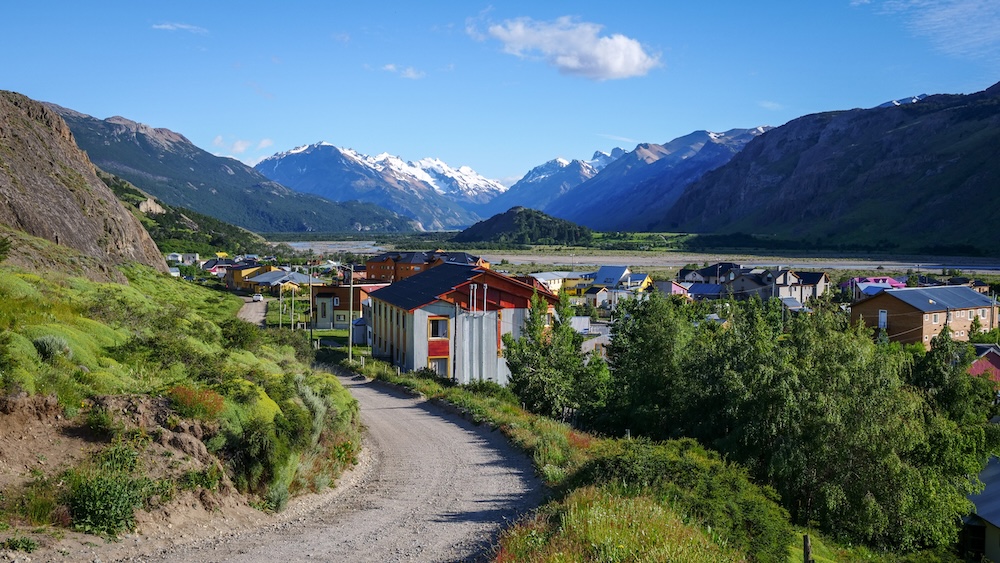
El Chaltén is the trail town you wish existed everywhere. Most hikes start from town (or very close to it), many are well-marked, and the whole place is engineered around the idea that you’ll spend your day walking toward something absurdly beautiful.
I felt that immediately after arriving by bus from El Calafate: three-ish hours of sitting, stiff legs, and that slightly feral urge to “do something epic” the exact moment you check in. That’s exactly why the easy sunset viewpoints are so perfect—you get a win without turning Day 1 into a recovery saga.
For context: Audrey and I stayed at Vertical Lodge (easy walk from the bus terminal) and loved having a simple “hiking base” with breakfast. Ours was about $54 USD/night with breakfast included when we visited (prices change), and that small routine detail genuinely made mornings smoother.

A few practical notes that matter for difficulty:
- Trails are often out-and-back. You’ll hike in, then turn around and hike out. That second half hits different.
- Weather is a co-author on every hike. Wind can turn a moderate day into a “why are my thoughts sideways” day.
- Kilometre markers are your secret weapon. Many popular trails have distance markers that make pacing and morale easier.
- Food logistics are a real thing. El Chaltén has a civilized “early breakfast + packed lunch” culture.
I leaned hard into the El Chaltén lunchbox culture: on big-hike days, we ordered a lunchbox the night before and grabbed it in the morning so we weren’t improvising meals at 7 a.m. It sounds small, but it’s the difference between “calm start” and “why are we beyond ravenous at kilometre 6?”
🧾 Quick Booking: Your El Chaltén Travel Essentials 🥾✨
🎒 Your Travel Toolkit (Book These 4 Things)
| ✅ What to book | 💡 Why it’s worth it | 🔗 Quick link |
|---|---|---|
| 🥾 Tours & experiences | Easy way to lock in a glacier day, a Lago del Desierto adventure, or a guided option when weather turns moody | Browse El Chaltén tours on Viator |
| 🏨 Hotels & stays | El Chaltén sells out fast in peak season — booking early = better locations + fewer “only the priciest rooms left” moments | Find El Chaltén hotels on Booking.com |
| 🚗 Car rentals (optional) | Best for freedom days: Ruta 40 viewpoints, flexible timing, photo stops, and a smoother Lago del Desierto run | Compare car rentals in El Calafate (gateway to El Chaltén) on DiscoverCars |
| 🚌 Bus tickets | The classic El Calafate ↔ El Chaltén route is simple — but popular departure times fill up | Book El Calafate → El Chaltén buses on Busbud |
👉 One-click backup (reverse direction): Book El Chaltén → El Calafate buses on Busbud
The Nomadic Samuel difficulty framework
Difficulty ratings online are chaos. One person’s “moderate” is another person’s “I freakin’ hallucinated at kilometre 9.”
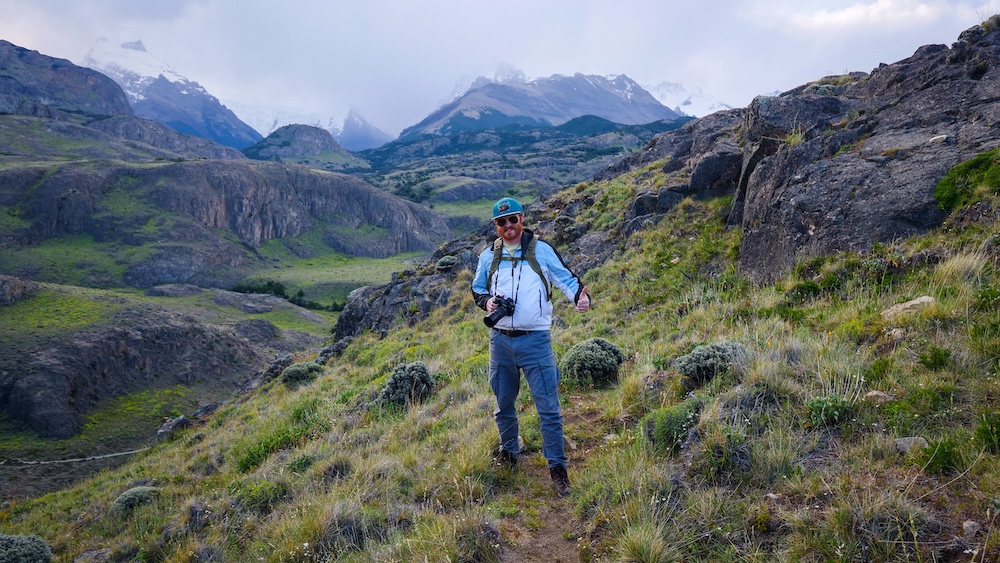
Even our “easy” sunset hike to Mirador de los Cóndores proved the point: on paper it’s short, but up top the wind can make it feel like Patagonia is personally reviewing your life choices. That’s when I stopped thinking “distance only” and started thinking “conditions matter as much as legs.”
So here’s our framework. Every trail gets two scores:
- Physical Difficulty (your legs + lungs)
- Conditions Difficulty (wind + surface + exposure + navigation + season)
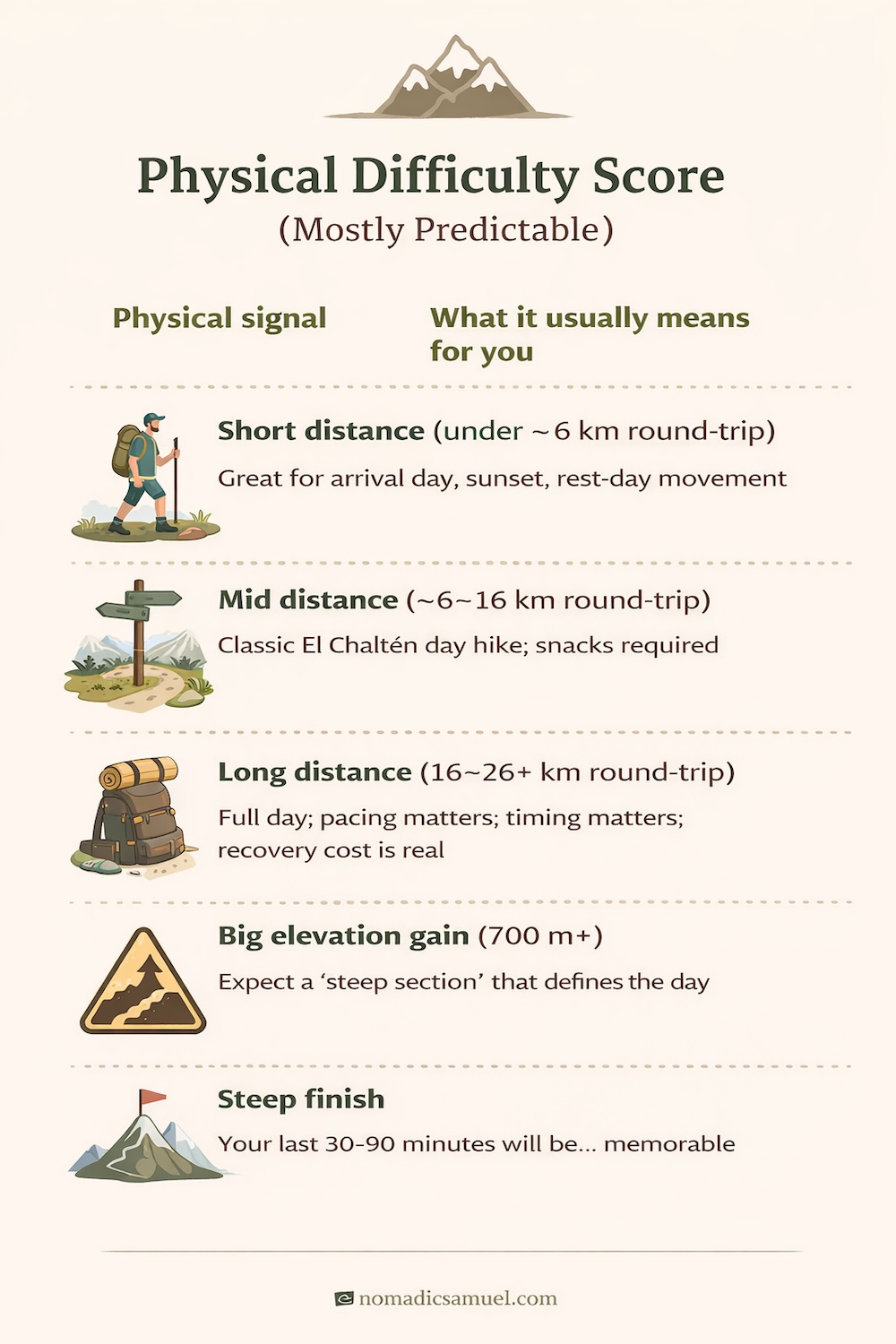
Physical difficulty score (mostly predictable)
| Physical signal | What it usually means for you |
|---|---|
| Short distance (under ~6 km round-trip) | Great for arrival day, sunset, rest-day movement |
| Mid distance (~6–16 km round-trip) | Classic El Chaltén day hike; snacks required |
| Long distance (16–26+ km round-trip) | Full day; pacing matters; timing matters; recovery cost is real |
| Big elevation gain (700 m+) | Expect a “steep section” that defines the day |
| Steep finish | Your last 30–90 minutes will be… memorable |
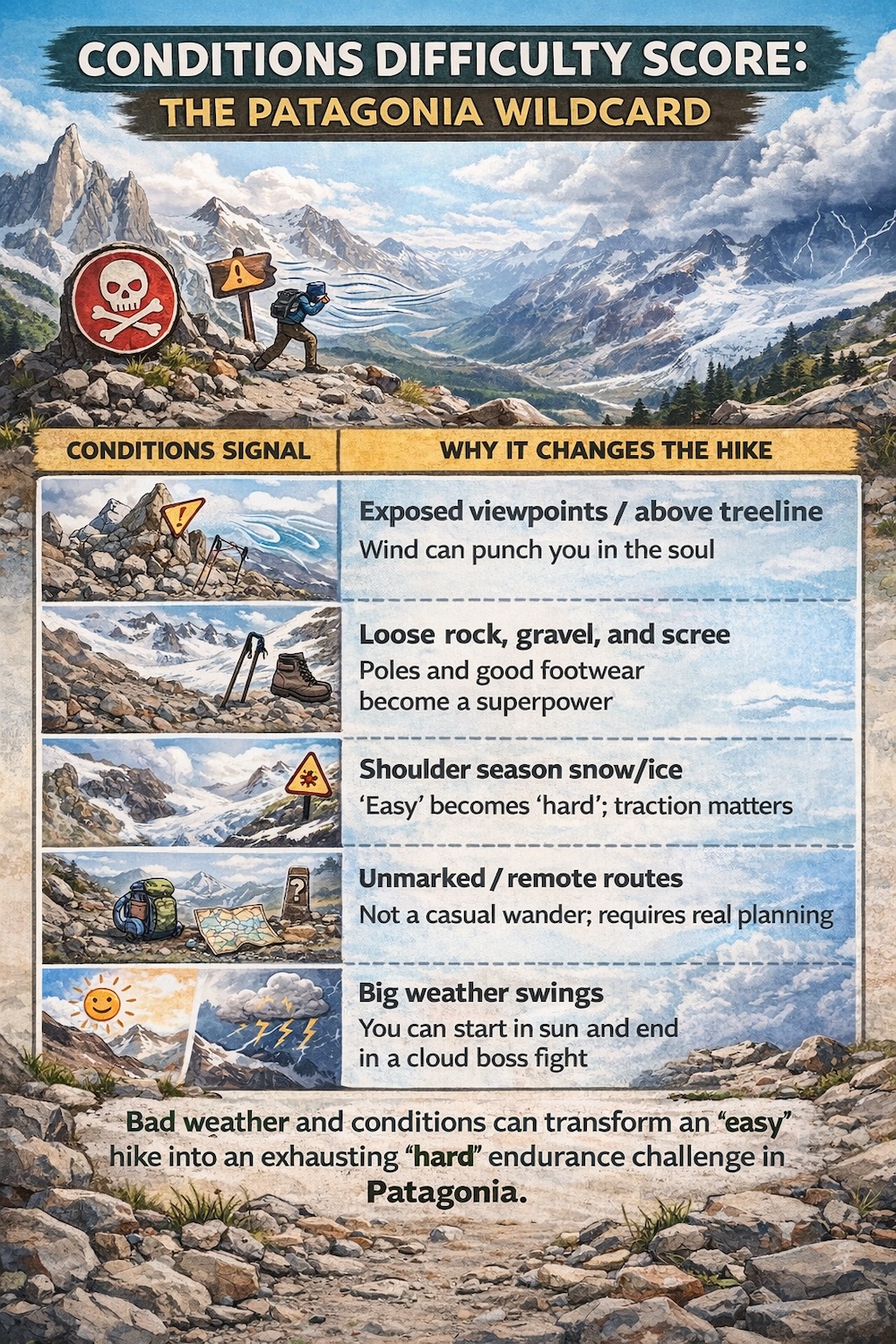
Conditions difficulty score (the Patagonia wildcard)
| Conditions signal | Why it changes the hike |
|---|---|
| Exposed viewpoints / above treeline | Wind can punch you in the soul |
| Loose rock, gravel, scree | Poles and good footwear become a superpower |
| Shoulder season snow/ice | “Easy” becomes “hard”; traction matters |
| Unmarked / remote routes | Not a casual wander; requires real planning |
| Big weather swings | You can start in sun and end in a cloud boss fight |

The “next-day tax” (our favourite underrated metric)
A hike is hard if it ruins your ability to enjoy the next day.
That’s not weakness. That’s reality. We did a big hike early in our trip and then spent the following day moving our skeletons around like they were rented props.
For us, that “big hike early” was Laguna de los Tres. The photos were outrageous… but the next day we were basically decorative—slow coffee, gentle walking, and an absolutely heroic recovery waffle before we felt human again.
So in this guide, “Hard” isn’t just what happens on the trail. It’s what happens in your hotel room the next morning.
Decision matrix: pick your vibe today
Use this when you wake up, look outside, and ask, “Are we hiking… or are we drinkin’ coffee?”
| Your vibe today | Weather reality | Choose this difficulty tier | Trail picks |
|---|---|---|---|
| “We just arrived. Let’s get a win.” | Anything | Easy | Cóndores / Águilas |
| “Rest day but we need fresh air.” | Windy, meh | Easy–Moderate-lite | Chorrillo del Salto / Mirador del Torre |
| “We want a classic El Chaltén day.” | Decent | Moderate | Laguna Torre / Laguna Capri |
| “We want the famous payoff.” | Best forecast day | Hard | Laguna de los Tres |
| “We want views without crowds.” | Best forecast + wind-tolerant | Hard | Pliegue Tumbado |
| “We are competent and prepared.” | Stable + long daylight | Expert-ish | Laguna Toro (remote) |
We used this exact logic mid-week: one day the wind was so intense we could barely stand outside without laughing (or cursing like a sailor), so we called an audible and did a café day. Then on a “decent but not perfect” forecast, we chose Laguna Torre—because a lot of that trail is sheltered and still delivers a proper Patagonia payoff.
Trail-by-trail at a glance (the quick comparison table)
Times and distances vary by pace, stops, wind, and which exact endpoint you choose. Think of this as planning ranges.
Also: we’re photo-stoppers and snack-enjoyers, not trail-running high-performance gazelles. Our times usually landed toward the relaxed end of the range, especially when the wind turned “quick break” into “hide behind a rock and reconsider everything.”
| Trail | Our tier | Typical total time | Round-trip distance (approx) | What makes it feel hard |
|---|---|---|---|---|
| Mirador de los Cóndores | Easy | 45–90 min | 2 km | Short but steep; wind exposure |
| Mirador de las Águilas | Easy | 1–2 hrs | 4 km | Adds distance; still a quick win |
| Chorrillo del Salto | Easy | 1.5–3 hrs | 6–7 km | Easy, but wind can be spicy |
| Mirador del Torre | Moderate-lite | 2.5–4 hrs | 7–8 km | Steady climb early; exposed viewpoint |
| Laguna Capri | Moderate-lite | 3–5 hrs | 8–10 km | Sustained uphill; temptation to keep going |
| Laguna Torre | Moderate | 6–8 hrs | 18–20 km | Long day; wind at the lagoon |
| Piedras Blancas viewpoint | Moderate | 4–6 hrs | 16–20 km | Distance + rolling terrain |
| Piedra del Fraile | Moderate | 3–5 hrs | 10–14 km | Logistics + steady climb |
| Laguna de los Tres | Hard | 8–10+ hrs | 20–26 km | Steep final climb; long day; next-day tax |
| Loma del Pliegue Tumbado | Hard | 7–10 hrs | 20–24 km | Big elevation + full exposure |
| Laguna Toro | Hard+ / Remote | 10–14 hrs | 30+ km | Remote, long, more serious planning |
Now let’s go trail by trail.
Easy hikes in El Chaltén (low commitment, high reward)
Easy in El Chaltén doesn’t mean “no effort.” It means short, simple, and low consequence. These are the hikes that make you feel like a superhero.
Mirador de los Cóndores (sunset classic)
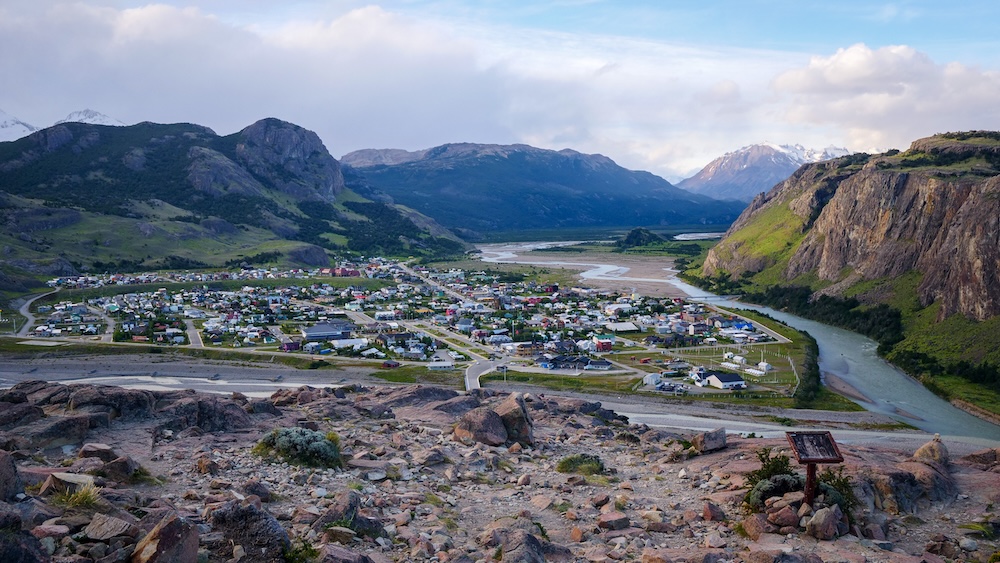
Audrey and I did this on our first day like civilized people: arrive, get settled, then go collect a viewpoint at sunset. It’s the perfect El Chaltén handshake.
We took it at an easy pace and were up in roughly 45 minutes—just enough effort to feel earned, not enough to wreck the next day. The wind up top was doing its usual Patagonia thing, but the sunset light over town made it feel like the entire trip had officially started.
Difficulty verdict: Easy, but steep enough to remind you you’re alive.
Why it’s worth it
- Fast payoff: you’re up there quickly.
- Excellent “first hike” or “last hike.”
- Great for sunset when the light starts doing dramatic Patagonia theatre.
What makes it feel hard
- It’s short (about a kilometre up), but it climbs fast.
- The viewpoint is exposed. If the wind is in a mood, you’ll know.
Our pacing tip
If you’re new to El Chaltén or you’ve been sitting on buses, start slow. The trail is short, but it’s a calf tax collector.
Who it’s best for
- Arrival day energy
- Families with older kids
- Anyone who wants a big view without committing to a big day
Mirador de las Águilas (the “why not?” extension)
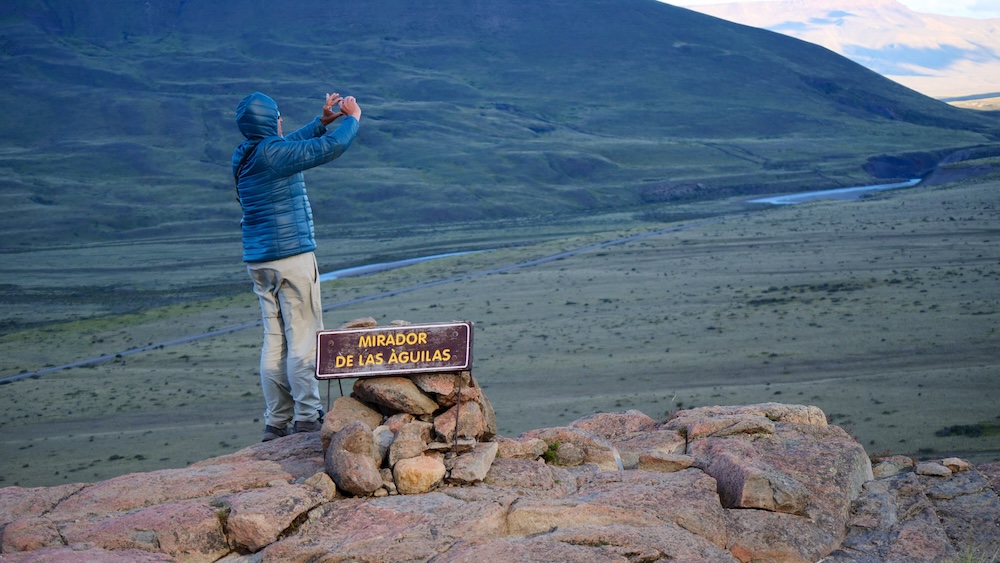
Águilas is basically the bonus level. You’re already out, you’re already feeling smug, and your legs are like, “Sure, we can do another 30–60 minutes.”
I saved Águilas as an “extra credit” moment near the end of my stay—when my legs finally stopped feeling like jell-o. It’s the perfect extension when you want more views without turning the day into another full commitment.
Difficulty verdict: Easy extension, still a win.
Why it’s worth it
- Another viewpoint, different angle.
- Often fewer people than Cóndores.
- Great for that “we did two viewpoints today” feeling.
What makes it feel hard
- Only hard in the way that extra walking is hard.
- Wind is still the co-star.
Our tip
Do Cóndores first. Decide if your lungs/legs are up for a sequel.
Chorrillo del Salto (the easiest “real trail” day)
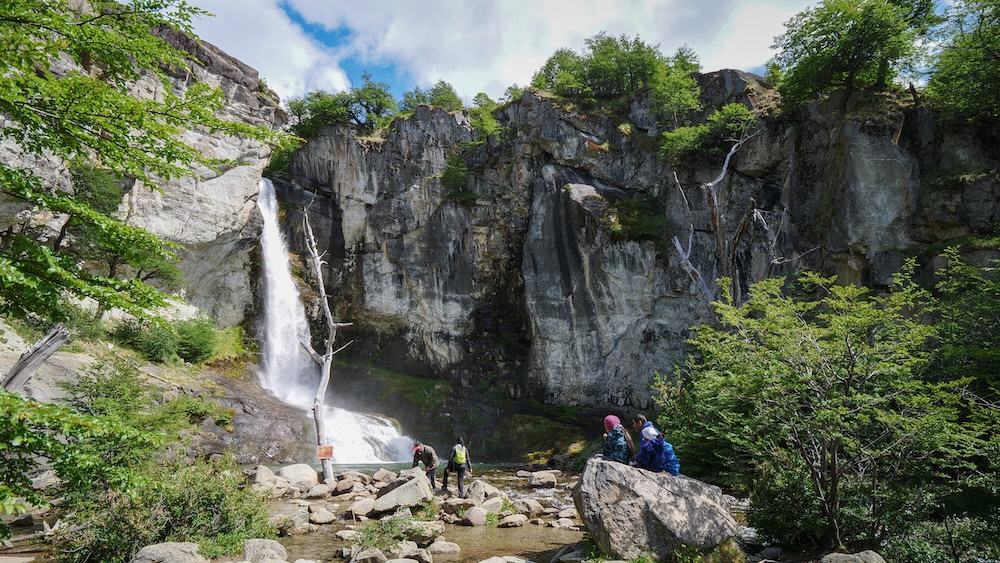
This is the hike we recommend to literally everyone who asks, “What can we do if the weather is questionable and/or our legs are questionable?”
It’s an easy waterfall walk that feels like you did something. Yet it doesn’t demand your soul.
This ended up being our classic low-drama day: we did it late in the trip as a “victory lap” when we still wanted a real payoff, but didn’t want to gamble with soreness. Waterfall, fresh air, happy legs—Patagonia, but make it civilized.
Difficulty verdict: Easy, friendly, forgiving.
Why it’s worth it
- A legit payoff waterfall without a huge commitment.
- Perfect on rest days.
- Great “Plan B” hike when Patagonia is throwing wind tantrums.
What makes it feel hard
Mostly: it doesn’t. The main challenge is resisting the urge to turn it into a bigger day by adding more miles.
Our tip
Pair it with a café crawl, a slow town wander, or a second easy viewpoint. This is a day for enjoying El Chaltén as a place, not just a launchpad.
Moderate hikes in El Chaltén (the sweet spot)
This is the zone where most people should target for most of their trip. Moderate hikes in El Chaltén are long enough to feel epic, but not so brutal that you need to schedule a recovery nap like it’s a business meeting.
Mirador del Torre (short version, big payoff)
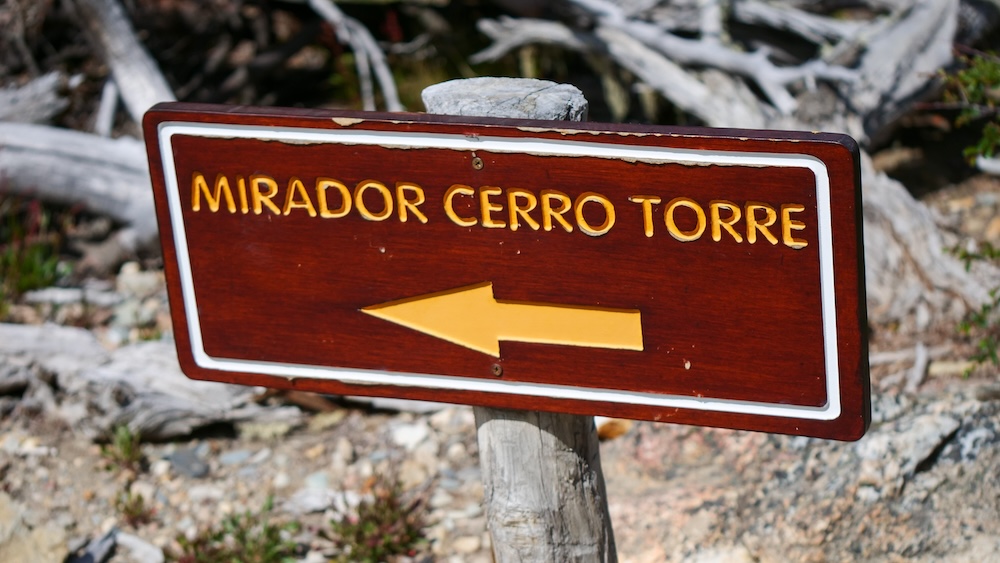
If you want a taste of the Torre side without committing to the full Laguna Torre day, this is your move.
Difficulty verdict: Moderate-lite.
Why it’s worth it
- Big valley and mountain views for a smaller time investment.
- Great when you want scenery but not a full-day slog.
- Nice warm-up hike for your first couple days.
What makes it feel hard
- The climb is more noticeable than the distance suggests.
- Viewpoint exposure can amplify wind.
Who it’s best for
- People short on time
- People testing the weather
- People building confidence before bigger hikes
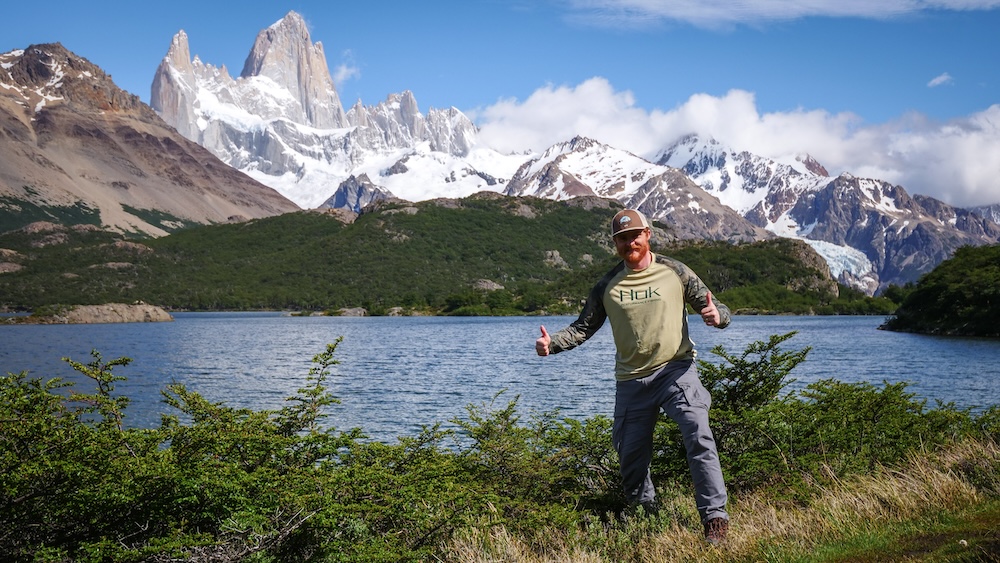
Laguna Capri (the confidence builder)
Laguna Capri is a classic. It’s that hike where you still feel like you “hiked,” but you also feel like you could do it again tomorrow without limpin’ around in your hotel room.
We love it as a first “real” hike because it teaches you El Chaltén pacing without a huge penalty.
Capri was one of the first hikes where we felt our rhythm click: steady uphill, no ego sprinting, and then a long sit by the lagoon soaking up Fitz Roy vibes. It’s also the hike that teaches you how tempting it is to keep going farther than planned—so it’s great practice for later.
Difficulty verdict: Moderate-lite (easy for fit hikers, moderate for the rest of us).
Why it’s worth it
- Beautiful lagoon payoff with Fitz Roy energy.
- Great for half-day plans.
- Can be a standalone day, or a warm-up for Los Tres later.
What makes it feel hard
- The climb is steady. It’s not technical, but it’s consistent.
- Wind can hit the lagoon area, depending on the day.
Our tip
If you’re thinking about Laguna de los Tres later, Capri is your test. If Capri feels spicy, Los Tres will be a full-on saga.
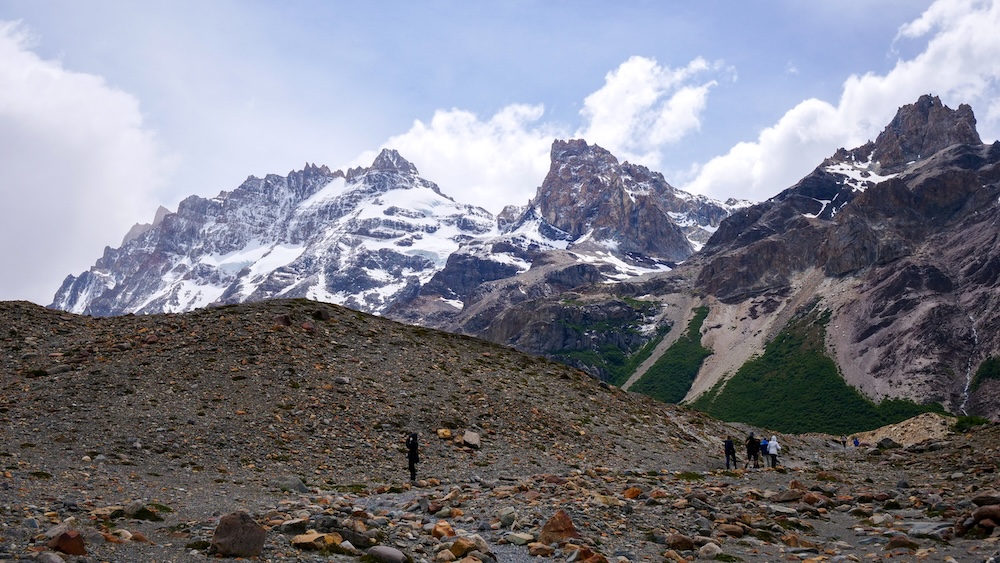
Laguna Torre (our “medium difficulty” benchmark)
This is the hike that felt the most “comfortable” to us as a full-day classic. It’s long, yes, but it’s not steep in the way Los Tres is steep.
We did Laguna Torre on a day with “decent but not great” weather and still had a fantastic time. It helped that the trail gives you little morale boosts along the way.
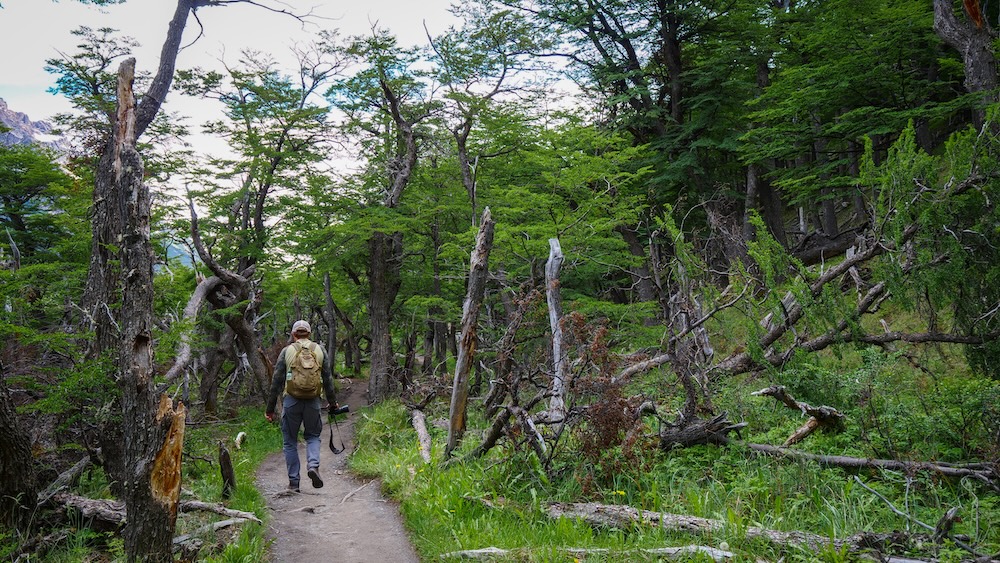
One reason it still worked: huge stretches are tucked into forest, which felt like a gift on a windy week. Audrey and I treated it like a snack-and-viewpoint hike—little breaks, steady pace—then turned the lagoon into a picnic spot even with moody clouds and little ice chunks floating around.
Difficulty verdict: Moderate.
Why it’s worth it
- Epic scenery without the brutal final climb.
- Lots of interesting landmarks and viewpoints.
- It feels like a proper day in Patagonia.
What makes it feel hard
- It’s long. Distance alone wears people down.
- The lagoon area is exposed, which can mean wind and chilly moments even in summer.
The trail pacing trick we used
The early climb is the hardest part. After a few kilometres, the trail relaxes and you can cruise. That shift matters psychologically. You stop feeling like you’re “climbing” and start feeling like you’re “hiking.”
Trail landmarks that help pacing
- Waterfall and viewpoint moments early on
- Junctions that reassure you you’re on track
- The sense of approaching something real, not just a random forest walk
Who it’s best for
- People who want one classic big day but are not chasing the steepest suffer-fest
- People who want an iconic Patagonia hike without the Los Tres finale
Piedras Blancas viewpoint (the “glacier side quest”)
This is often treated as a quieter-ish alternative day, or a bonus add-on when you want glacier views and you’re okay with distance.
Difficulty verdict: Moderate.
Why it’s worth it
- Glacier viewpoint payoff
- A different kind of scenery than the main lagoon endpoints
- Often less “iconic crowd density” than Los Tres
What makes it feel hard
- Distance and time-on-feet
- Rolling terrain that slowly drains your legs
Tip
If your legs are tired but you still want a full day out, choose this over a big elevation monster. Distance is manageable if you pace and snack.
Piedra del Fraile (great day, extra logistics)
This hike sits in the Río Eléctrico valley and usually involves transport (hitch, shuttle, arranged ride). That logistics bump is part of the difficulty story.
Difficulty verdict: Moderate (with a logistics asterisk).
Why it’s worth it
- Different valley vibes
- A sense of going beyond the “town trail bubble”
- Great for people who like variety
What makes it feel hard
- Planning: getting to the trailhead and back
- Steady climbing that adds up over time
Who it’s best for
- People staying longer
- People who want one “off the main loop” day
- People who are comfortable coordinating transport
Hard hikes in El Chaltén (big days, big payoffs, big respect)
Hard hikes are why El Chaltén has a special place in the global hiking scene. They’re not technical mountaineering (usually), but they demand endurance, timing, and a willingness to suffer a lil’ bit for views that look fake (in a good way).
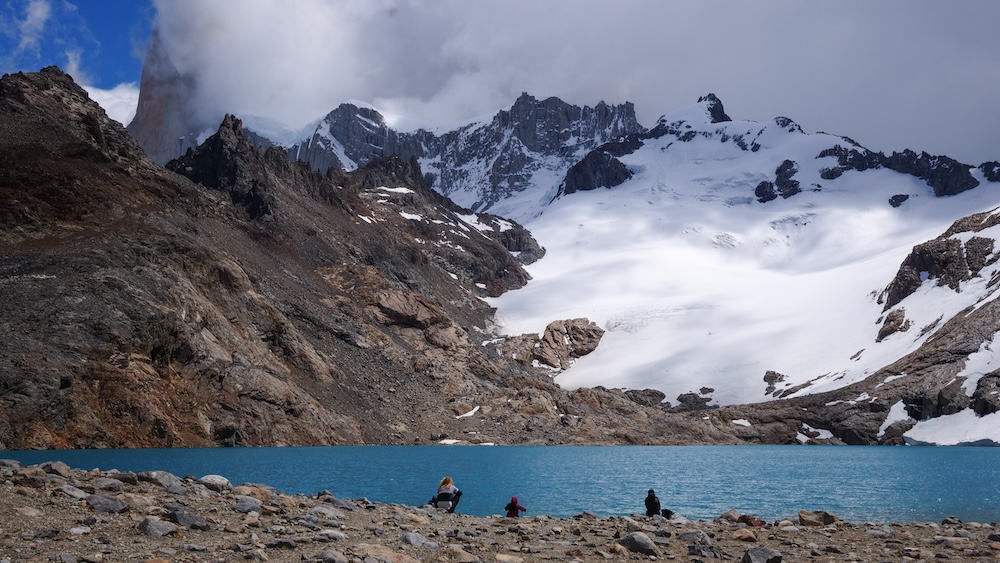
Laguna de los Tres (the Fitz Roy money shot)
We need to be honest: this hike humbled us.
We also treated it like a serious day from the start: early breakfast, lunchbox ordered the night before, and zero “we’ll figure food out later” optimism. Los Tres is not the hike where you want to be under-fuelled and improvising.
It’s the iconic one. It’s the “you came all the way to El Chaltén, so you should probably do it” hike. And it’s also the hike that made us realize we were, in fact, foodies cosplaying as trekkers.
Difficulty verdict: Hard (physically), and the last section is the boss fight.
Why it’s worth it
- The payoff is outrageous.
- Fitz Roy looks like a myth.
- You feel like you earned it, because you did.
What makes it feel hard
This hike has two personalities:
- The long approach
It’s a big day even before the steep part. You’re walking for hours, managing energy, and trying not to blow your legs too early. - The final steep climb
The last stretch is where people stop smiling and start bargaining. The trail gets steep, rocky, and gravely, and you have to pay attention to footing.
For us, the “bottleneck” feeling hit hard near the end: crowds funneling upward, loose surface, steep angle, and the realization that the only way out is… up.
We felt our energy dip around kilometre eight, and that last stretch became pure mental math: “just get to the next bend, then breathe.” When the wind kicked up near the top, we literally ducked behind rocks to snack and regroup before pushing the final bit.
Our “what we’d do differently” note
Trekking poles. We kept thinking, “Poles would make this so much more stable.” On loose rock, poles can turn panic steps into confident steps.
The next-day tax
This is the big one. We finished, ate like we were refuelling a spaceship, and then the next day we were basically decorative. We slept like forever. We moved slowly. We questioned our life choices. Then we looked at photos and decided it was worth it.
Who it’s best for
- People who have one best weather day and want the ultimate payoff
- People who can start early and manage a full day
- People with decent fitness and decent patience
Who should rethink it
- Anyone with knee issues who struggles with steep descents
- Anyone who can’t handle long days on their feet
- Anyone attempting it in bad weather without traction/experience
Loma del Pliegue Tumbado (the windy underrated legend)
Pliegue Tumbado is the hike people do when they’ve already done the big icons and still want more. It’s also the hike that can feel like a wind tunnel with scenery.
Difficulty verdict: Hard (big elevation + exposure).
Why it’s worth it
- Massive panoramic views
- A different angle on the landscape
- Feels wild and expansive, not just “trail to a famous lagoon”
What makes it feel hard
- Big climb. You will notice.
- Exposure. If the wind is alive, it’s a serious factor.
- The “nothing is shielding you” feeling can add mental fatigue.
Only do this on a genuinely good forecast day. This is not the hike you choose when you’re already negotiating with the weather.
Laguna Toro (remote, serious, not a casual day hike)
Laguna Toro is the hike that sits on the edge of what most visitors should attempt without a guide. It’s longer, more remote, and often described as less clearly marked compared to the main town classics.
Difficulty verdict: Hard+ (because conditions and remoteness matter).
Why it’s worth it
- Solitude potential
- Big wilderness energy
- A sense of doing something beyond the “popular hits”
What makes it feel hard
- Distance. This is a massive day.
- Remoteness. If something goes sideways, help is not instant.
- Navigation and conditions can be more complex than the classic trails.
Be honest about your skills and preparation. This is a hike for people who are already comfortable being self-sufficient and conservative with safety decisions.
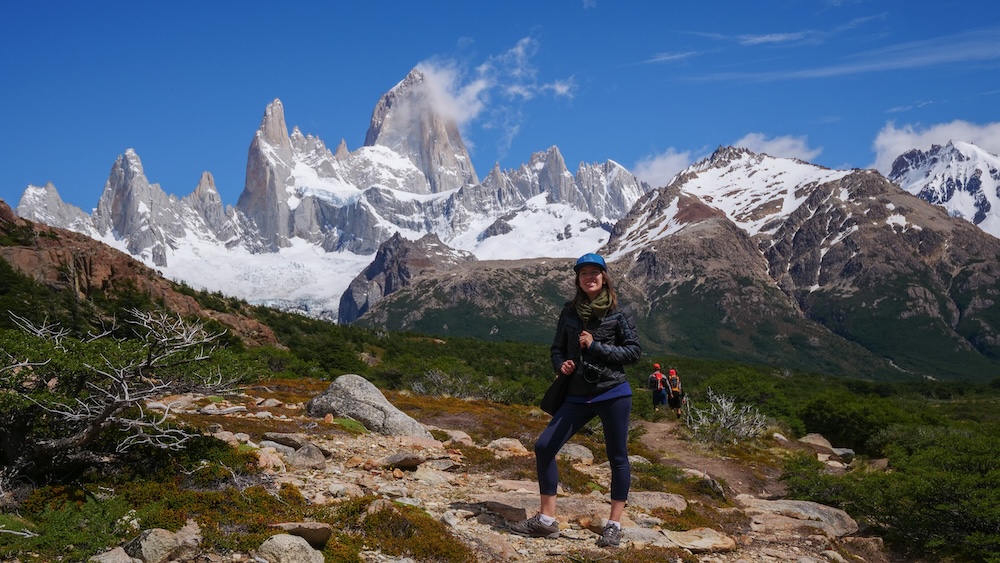
The “trail ladder”: how to build up from easy to hard
If you want a sane progression that doesn’t destroy you, use this ladder. It’s how we would plan an El Chaltén trip if we could time travel and coach our own earlier selves.
| If you can do this comfortably… | …then you’re likely ready for | Why this progression works |
|---|---|---|
| Cóndores + Águilas | Capri | Short steep → longer steady climb |
| Capri (half day) | Torre | Similar vibe, more distance |
| Torre (full day) | Piedras Blancas | More distance, similar effort |
| Torre + no suffering hangover | Los Tres | You’ve proven you can handle a big day |
| Los Tres (with dignity) | Pliegue Tumbado | Endurance + exposure skills |
| Pliegue (good conditions) | Remote hikes like Toro | Longer + more serious planning |
Planning your week in El Chaltén (the “we did this and survived” template)
Here’s a realistic approach if you’re staying 4–7 days and you want both iconic payoffs and functioning knees.
4-day plan (tight but doable)
- Day 1: Easy viewpoint (Cóndores / Águilas)
- Day 2: One big hike (Torre or Los Tres depending on fitness and forecast)
- Day 3: Rest day + Chorrillo del Salto
- Day 4: Second big hike (whichever you didn’t do)
6-day plan (our style: buffer for weather and soreness)
- Day 1: Arrival + Cóndores at sunset
- Day 2: Big hike on best forecast (we chose Los Tres)
- Day 3: Recovery day (sleep, eat, shuffle)
- Day 4: Weather-dependent day (café day if needed)
- Day 5: Second big hike (we chose Torre)
- Day 6: Chorrillo del Salto + Águilas bonus
The point is not to “crush” every single trail. The point is to experience Patagonia without turning your trip into a limping contest.
This is basically our actual week in a nutshell: Los Tres on the best forecast day, a shameless recovery day right after, a flexible “Patagonia is being dramatic” buffer, then Laguna Torre once we felt human again. That rhythm kept the trip fun instead of turning it into a six-day limp festival.
Timing, pacing, and the art of not bonking
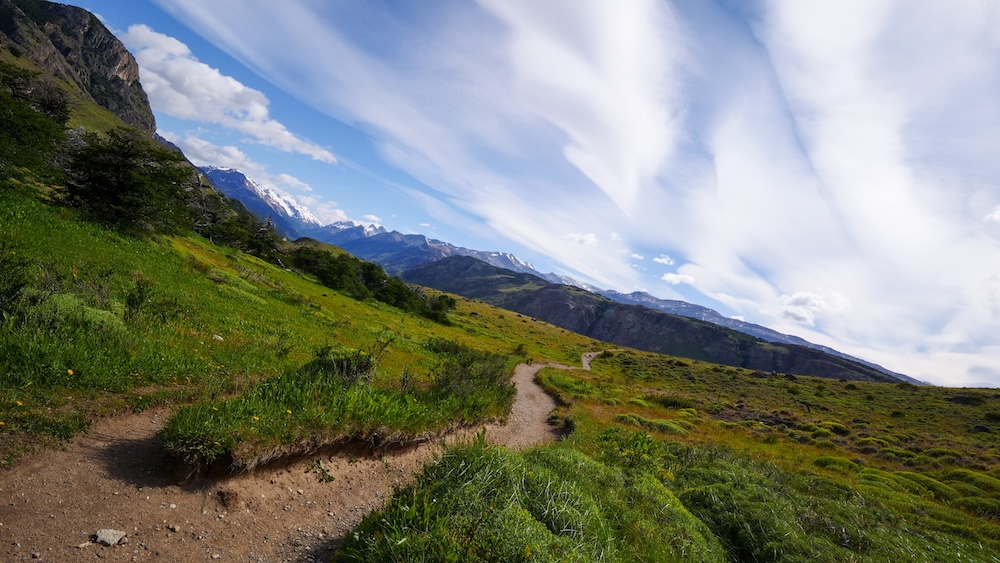
El Chaltén doesn’t require elite fitness. It requires basic respect for time and energy.
Start times (practical guidance)
- For Easy hikes: start whenever you like, but sunset hikes still require awareness of daylight.
- For Moderate hikes: earlier is better. You want wiggle room for wind, stops, and “we found a rock to sit on and became philosophers.”
- For Hard hikes: start early. The payoff is better when you aren’t racing darkness or weather.
Also, Patagonian summer daylight is hilarious: it was getting light around 5:00 a.m. and the sun could hang around close to 10:00–10:30 p.m. Even with that much light, starting early still matters—because wind, crowds, and “long lunch breaks that accidentally become philosophy sessions” all eat your buffer.
Pacing strategy (works on every trail)
- Start slower than you think you should for the first 20 minutes.
- Snack early, snack often. Don’t wait until you feel tired.
- Use kilometre markers (where available) to set mini-goals.
- Take short breaks more often instead of one long collapse break.
Food and water reality
If you’re doing Moderate or Hard hikes, treat food like a safety tool, not a luxury.
A simple rule:
- If you’re out for more than 4 hours, pack a real lunch.
- If you’re out for 7–10 hours, pack lunch + extra snacks like you’re feeding a friendly bear.
Gear that changes difficulty (the “small things that matter a lot” list)
We’re here to keep your knees happy.
| Gear item | Why it matters in El Chaltén | Best for |
|---|---|---|
| Trekking poles | Stability on steep/loose descents; saves knees | Los Tres, Pliegue, any gravel day |
| Trail runners or hiking shoes with grip | Loose rock and wet dirt are common | Everything |
| Layers (wind shell + warm layer) | Wind can drop the “feels like” fast | Viewpoints, lagoons, Pliegue |
| Sun protection | Patagonia sun is sneaky | Clear days, open viewpoints |
| Headlamp | Insurance for long days | Hard hikes, late starts |
| Blister kit | Your feet do the work | Everyone |
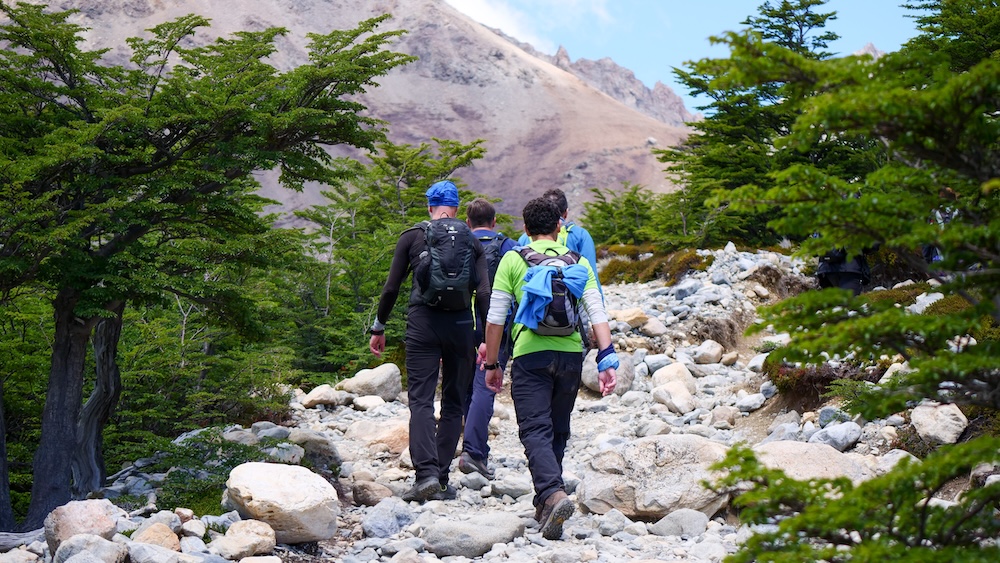
Real talk: we did Los Tres without trekking poles and spent the entire steep finale thinking, “Poles would make this so much steadier.” Especially on loose rock, they’re less about speed and more about keeping your knees from filing formal complaints on the descent.
Weather and seasonality (the part people underestimate)
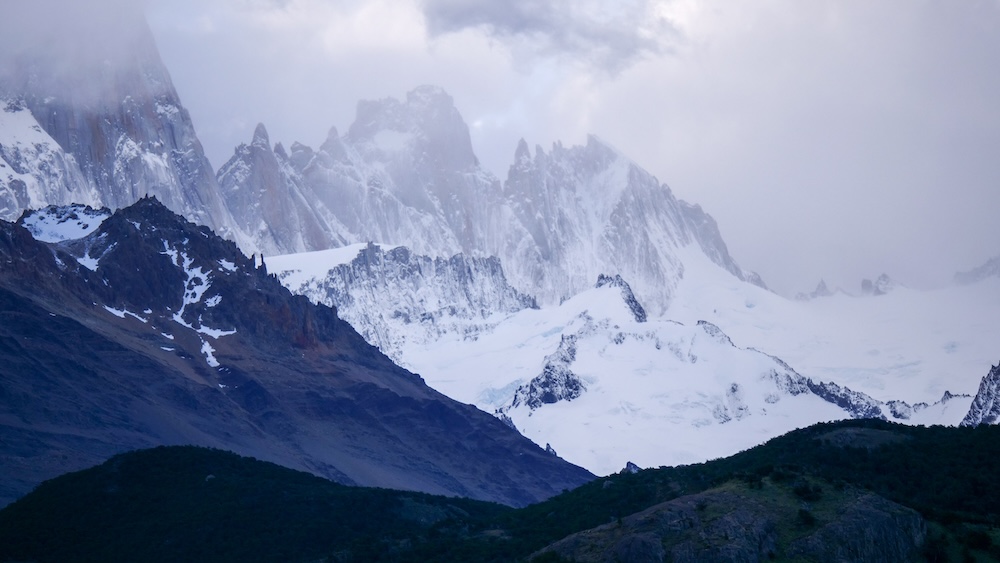
This is Patagonia. The weather isn’t “bad.” It’s… expressive.
Here’s how weather changes difficulty:
| Condition | What it does | What to do |
|---|---|---|
| Wind | Adds fatigue; chills you fast; makes exposed sections unpleasant | Pick sheltered trails; bring wind layer |
| Rain | Turns dirt into slip zones; visibility drops | Slow down; wear grip; be conservative |
| Snow/ice (shoulder/winter) | Makes any steep section much harder | Traction; poles; consider guiding |
| Low clouds | Reduces payoff; navigation feels trickier | Choose forested hikes with secondary rewards |
| Perfect clear day | Everyone goes to Los Tres | Start early; pick off-peak times |
And yes, it’s okay to have a café day. We did. The waffles still tasted heroic.
🏨 Where to Stay in El Chaltén (Our Top Hotel Picks)
⭐ Quick Booking Box: El Chaltén Hotels (Compare Rates)
| Pick | Best for | Vibe | Booking link |
|---|---|---|---|
| 🏆 Top Pick | First-timers who want an easy, reliable base | Comfortable “no-regrets” stay | Compare top stays in El Chaltén on Booking.com |
| 💎 Boutique / Treat-Yourself | Couples, hikers celebrating a big trek, views + comfort seekers | Cozy-luxe Patagonia energy | Browse boutique stays in El Chaltén on Booking.com |
| 🏘️ Mid-range (great value) | Most travelers who want comfort without splurging | Warm, practical, walkable | Find mid-range El Chaltén hotels on Booking.com |
| 💰 Budget | Road-trippers + hikers who only need a clean base | Simple, wallet-friendly | See budget stays in El Chaltén on Booking.com |
🔎 Want to browse all options instead?
👉 Compare all El Chaltén stays on Booking.com
Trail-by-trail snapshot profiles
Here is where you’ll find: what the trail feels like, what makes it hard, and how to choose it intelligently.
Mirador de los Cóndores
Tier: Easy
Choose it when: Arrival day, sunset, “we need a win” day
Avoid it when: You’re allergic to wind exposure (or the wind is in a spicy mood)
Quick stats: ~4 km round-trip (Cóndores); allow ~2 hours with stops; inside the park (entry applies).
What it feels like
Short, steep, immediate gratification. You climb hard for a little bit, then suddenly Patagonia throws a whole valley at your face and you forget you have lungs.
What makes it sneakily hard
It’s not long—it’s punchy. The steep grade + exposed viewpoint means wind can make this feel way more “sporty” than the distance suggests.
How to make it easier
- Start slower than you think you need to for the first 10 minutes (your calves will forgive you later).
- Bring a wind layer even if town feels calm (the viewpoint plays by different rules).
- Go for sunset, but watch daylight—descending in a hurry is how ankles get revenge.
- If you want a longer outing, add Águilas.
Mirador de las Águilas
Tier: Easy
Choose it when: You want to extend your viewpoint day
Avoid it when: You’re trying to keep the day truly short
Quick stats: ~6 km round-trip if you tack it on as the longer viewpoint option; roughly “half-day light” if you linger and snack.
What it feels like
The bonus level. Same “we’re not committing to a full hike” vibe, just a longer wander with a different angle and often fewer people than the main viewpoint.
What makes it sneakily hard
Mostly: it’s extra walking after you already climbed once. Also: wind is still the co-star, because El Chaltén.
How to make it better
- Do it on a clear day—the payoff is all about visibility.
- Pack a snack (this is prime “sit on a rock and feel superior” terrain).
- Do Cóndores first, then decide if your lungs want a sequel.
Chorrillo del Salto
Tier: Easy
Choose it when: Rest day, uncertain weather, family-friendly day
Avoid it when: You only have two days and want the biggest icons
Quick stats: ~7 km round-trip; ~3 hours at a relaxed pace; low difficulty; inside the park (entry applies).
What it feels like
A legit “real trail” that stays friendly: a straightforward walk through classic Patagonian scenery to a proper waterfall payoff.
What makes it sneakily hard
Not the trail—your ambition. This is where people turn an easy day into a bigger day because they feel good and start adding random extra kilometres like it’s free.
How to level it up
- Make it a two-part day: waterfall + town wandering + café reward.
- If it’s windy, this is usually a smarter pick than exposed ridgelines.
- The waterfall area can be slippery when wet—slow down for the last approach.
Mirador del Torre
Tier: Moderate-lite
Choose it when: You want Torre-side views without the full Laguna Torre day
Avoid it when: You’re saving energy for Los Tres tomorrow
Quick stats: ~7 km round-trip; ~3–4 hours; ~180 m elevation gain; often treated as a seasonal/shoulder-friendly half-day option.
What it feels like
A steady climb to a viewpoint that feels way bigger than the effort. It’s the “I want drama, but not an all-day contract” hike.
What makes it sneakily hard
The climb is more noticeable than the numbers suggest—and the viewpoint can be exposed, which means wind can turn your snack break into a tactical retreat.
How to make it easier
- Start earlier if wind is expected later (Patagonia loves an afternoon plot twist).
- Bring layers for the viewpoint—even on sunny days.
- Treat it like a “gateway” trail: if you feel amazing, file that info away for bigger days.
Laguna Capri
Tier: Moderate-lite
Choose it when: You want a classic half day with a big payoff
Avoid it when: You’re extremely time-limited and want only one iconic hike
Quick stats: ~10 km round-trip; ~4–5 hours; low difficulty; all-year option; inside the park (entry applies).
What it feels like
A steady uphill that’s never technical—just consistent—ending at a lagoon that gives you a serious Fitz Roy mood without turning your day into a suffer-fest.
What makes it sneakily hard
It’s the steady climb that adds up. Also, Capri is famous for giving people false confidence: “We feel great! Let’s keep going!” (and suddenly you’re doing an entirely different hike).
How to make it easier
- Start early to dodge peak crowds and get calmer conditions.
- Pack lunch if you want a long scenic sit (Capri is a “linger” spot).
- Use Capri as your “fitness truth serum” before committing to Los Tres.
Laguna Torre
Tier: Moderate
Choose it when: You want a full classic day without a brutal final climb
Avoid it when: Wind forecast is wild and you hate exposed lagoons
Quick stats: ~19 km round-trip; ~7–8 hours; low difficulty on paper (but it’s a big day); all-year option; inside the park (entry applies).
What it feels like
Long and scenic with an early “wake-up” climb, then a more cruisy rhythm. The payoff feels like Patagonia showing off without even trying.
What makes it sneakily hard
This is a time-on-feet hike. Even without a savage final climb, distance wears people down—and the lagoon area can be cold and windy even in summer.
How to make it easier
- Pace early; don’t sprint the first hour (the trail is long enough to punish enthusiasm).
- Bring a wind layer specifically for the lagoon zone.
- Plan snacks like milestones—this trail rewards steady fueling more than hero pacing.
Piedras Blancas viewpoint
Tier: Moderate
Choose it when: You want glacier views and a full day out (without the Los Tres finale)
Avoid it when: Your knees are already angry or you can’t handle transport logistics
Quick stats: ~10 km round-trip; ~2–3 hours on the trail; ~1,000 ft gain; typically recommended Oct–Apr; trailhead access is the “difficulty multiplier.”
What it feels like
A glacier “side quest” that feels different from the lagoon endpoints—more valley-and-forest walking with a very tangible ice payoff.
What makes it sneakily hard
The hike itself isn’t brutal—the logistics are. The Río Eléctrico trailhead is outside town, so your day gets harder if your transport plan is vague.
How to make it easier
- Sort transport first (taxi/shuttle/hitch—whatever your comfort level is).
- Keep your pace steady; don’t burn matches early just because the numbers look friendly.
- Treat it as a “good tired-legs day” if you want scenery without a steep boss fight.
Piedra del Fraile
Tier: Moderate (logistics bump)
Choose it when: You want a different valley experience and fewer “main hits” crowds
Avoid it when: You don’t want to deal with transport planning
Quick stats: ~15 km round-trip; ~3–4 hours; ~1,500 ft gain; typically Oct–Apr; access via the Río Eléctrico / Route 41 area.
What it feels like
A steadier climb with a “deeper valley” vibe—more like you’re going somewhere specific rather than just following the town conveyor belt of famous trails.
What makes it sneakily hard
Again: logistics + cumulative climbing. It’s not one steep monster section—it’s the steady effort that quietly cashes cheques from your legs.
How to make it easier
- Build in time buffer for getting to/from the trailhead.
- Start earlier than you think (transport delays are the least fun plot twist).
- Pack extra layers—valleys can feel cooler and windier than town.
Laguna de los Tres
Tier: Hard
Choose it when: You have the best forecast day and you want the iconic payoff
Avoid it when: Weather is bad, you’re unfit, or steep descents ruin your knees
Quick stats: ~20 km round-trip; ~8–9 hours; moderate rating on paper, hard in real life (because finale); inside the park (entry applies).
What it feels like
A long approach that lulls you into “this is fine,” followed by a steep, loose, rocky finale that turns the last stretch into a full negotiation with gravity.
What makes it sneakily hard
It’s a two-phase hike: endurance first, then steep-and-loose leg work at the end. That combo is why people get humbled even if they’ve done “long hikes” before.
How to make it easier
- Start early—this hike loves buffer time.
- Bring trekking poles (especially for the descent—knees will write thank-you notes).
- Take breaks before you need them; bonking on the steep section is emotionally expensive.
- Accept that the final climb will be slow and that slow is still progress.
Recovery warning
Plan a lighter day after. Your future self will thank you.
Loma del Pliegue Tumbado
Tier: Hard
Choose it when: You want big panoramas and you can handle exposure
Avoid it when: Wind forecast is bad or visibility is poor
Quick stats: ~21 km round-trip; ~7–8 hours; ~1,100 m gain; big, exposed effort.
What it feels like
Climb, climb, climb… then stand in a panoramic world that makes you feel tiny in a satisfying way. It’s not a “single payoff” hike—it’s a whole wide-angle day.
What makes it sneakily hard
Exposure. Wind. Mental fatigue. There are days when the scenery is incredible and your face is also being sandblasted by air.
How to make it easier
- Only go on a truly good forecast day.
- Bring full layers (gloves/hat can be a big morale upgrade).
- Start early and keep a steady rhythm—this is not a sprint day.
Laguna Toro
Tier: Hard+ / Remote
Choose it when: You are prepared, experienced, and want solitude
Avoid it when: You’re treating it like a casual day hike
Reality check (important): The park requires registration and the route is described as unmarked—this is a different category than the town classics.
What it feels like
A long, serious backcountry outing where the challenge is less “steep section” and more “decision-making + self-sufficiency + conditions.”
What makes it sneakily hard
Remoteness + navigation + consequences. When weather shifts, it’s not just uncomfortable—it can become unsafe faster than on the main trails.
How to make it safer
- Register properly and treat the “unmarked” warning as real, not theoretical.
- Carry navigation + emergency basics (and know how to use them).
- Turn back early if conditions shift—remote hikes punish stubbornness.
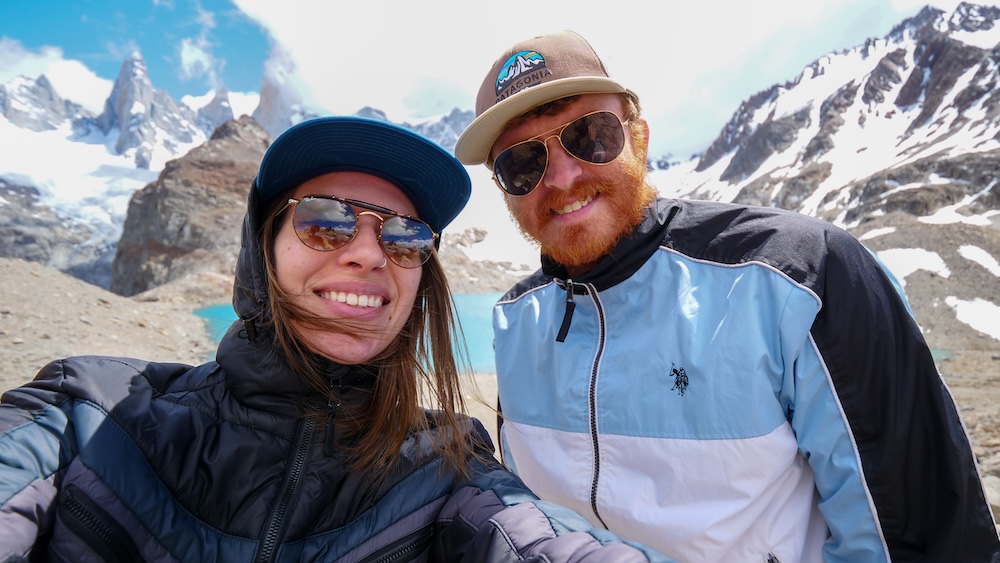
The “Patagonia realism” wrap-up
El Chaltén is magical because the trails are accessible, the views are outrageous, and you can build a trip that matches your energy level.
But the town also has a habit of making people think they are protagonists in a mountain film. Sometimes you are. Sometimes you are a supporting character eating a recovery waffle while your legs negotiate new contracts.
The win is choosing hikes that fit your body/fitness levels, your weather window, and your overall trip.
And if one hard hike destroys you? Congratulations. You have officially met Patagonia.
✨ Ready to lock in your El Chaltén plan?
- 🥾 Browse El Chaltén tours on Viator
- 🏨 Find El Chaltén hotels on Booking.com
- 🚗 Compare El Calafate car rentals on DiscoverCars
- 🚌 Book El Calafate → El Chaltén buses on Busbud
El Chaltén hiking difficulty FAQ (the actually-useful, slightly-chaotic edition)
Is El Chaltén good for beginners?
Yes. If you pick the right trails. Start with Cóndores, Águilas, Chorrillo del Salto, or Laguna Capri. Build confidence before committing to full-day hikes.
What’s the hardest day hike in El Chaltén for most people?
Laguna de los Tres is the usual answer because it combines a long day with a steep final climb. Pliegue Tumbado can feel just as hard on a windy day.
Is Laguna Torre easier than Laguna de los Tres?
For most people, yes. Torre is long, but it lacks the brutal “boss fight” finale that makes Los Tres feel like a personal challenge.
How many days do you need in El Chaltén to hike properly?
Four days is the minimum if you want a big hike plus buffer. Six to seven days is ideal because you can schedule rest days and adapt to weather.
Should I bring trekking poles?
Yes. Especially if you plan to do Laguna de los Tres or Pliegue Tumbado. Poles help on loose rock and can save your knees on descents.
What’s the best “arrival day” hike?
Mirador de los Cóndores. It’s short, steep enough to feel real, and the payoff is immediate. Great at sunset.
What’s the best “rest day” hike?
Chorrillo del Salto. Easy, scenic, and it lets you stay active without turning the day into a recovery disaster.
Do I need hiking boots in El Chaltén?
Not necessarily. Many people hike in trail runners. What matters is grip, comfort, and weather-appropriate footwear. In wet or icy conditions, boots and traction become more important.
Can you do Los Tres without being super fit?
You don’t need to be elite, but you do need endurance, pacing, and a willingness to go slow on the steep final section. Start early and carry enough food and layers.
What time should I start the big hikes?
Earlier than you think. For Los Tres or Pliegue, a morning start gives you buffer for breaks, weather changes, and not feeling rushed.
Which hike has the best views for the least effort?
Cóndores is shockingly efficient. Capri is also a strong contender for “effort-to-reward ratio.”
What if the weather is terrible?
Embrace the café day. Seriously. Or choose sheltered, shorter hikes like Chorrillo del Salto or Mirador del Torre if conditions allow.
Are the trails well marked?
The popular town trails are generally well marked. Remote routes can be less clear and require more preparation. Don’t assume every hike is as straightforward as the classics.
Can I hike solo?
Many people do. But be extra cautious with weather, timing, and remote routes. Tell someone your plan, and avoid pushing into risky conditions.
What’s the best way to avoid soreness ruining your trip?
Don’t do the hardest hike on Day 2 unless you’re already in hiking shape. Build up gradually, pace yourself, eat enough, and schedule lighter days after big efforts.
Project 23 Argentina: This guide is also available in Spanish. [Lea la versión en castellano: Guía de dificultad de senderos en El Chaltén: Fáciles vs Moderados vs Difíciles (Ruta por Ruta)]
Further Reading, Sources and Resources
Below is a curated list of official sources, authoritative guides, trail resources, and practical planning tools for your El Chaltén hikes. These will help you plan, prepare, and hike smarter — not just longer.
🏞️ Official & Authoritative
Argentina National Parks (Los Glaciares)
https://www.argentina.gob.ar/interior/ambiente/parquesnacionales/losglaciares
National Parks Argentina site for Los Glaciares National Park (Patagonia’s protected wilderness). Good for background on the park’s status, conservation, access, and policies.
El Chaltén Tourism (Official)
https://elchalten.com
Official tourism site for El Chaltén — includes hiking maps, trail calendars, weather guidance, and safety basics.
El Chaltén Self-Guided Trekking
https://elchalten.com/v4/en/self-guided-treks-in-el-chalten.php
Overview of all the self-guided trekking routes in the area, with groupings by length/duration and practical maps.
El Chaltén Hiking – Laguna Torre (Official)
https://elchalten.com/v4/en/laguna-torre-trek-el-chalten.php
Official trail page for Laguna Torre, including route description and key waypoints.
El Chaltén Hiking – Laguna de los Tres (Official)
https://elchalten.com/v4/en/laguna-de-los-tres-trek-el-chalten.php
Official trail page for Laguna de los Tres — the most iconic hike in the region — with itinerary and general difficulty notes.
El Chaltén Hiking – Laguna Capri (Official)
https://elchalten.com/v4/en/laguna-capri-trek-el-chalten.php
Official route details for Laguna Capri, including distances and scenic highlights.
El Chaltén – Piedras Blancas Glacier Trek
https://elchalten.com/v4/en/piedras-blancas-glacier-trek-el-chalten.php
Official description of the Piedras Blancas glacier vantage trail outside town.
Loma del Pliegue Tumbado Official Overview
https://elchalten.com/v4/en/pliegue-tumbado-trek-el-chalten.php
Official page for Loma del Pliegue Tumbado, including difficulty, elevation gain, and what to expect.
Notes on Accuracy + Changes Over Time
- National Park Fees & Entry: Traditionally, most El Chaltén trails were free to access; however, as of late 2024 a fee structure has been implemented for key hiking portals in Los Glaciares National Park. Always check the Parques Nacionales or official Argentine park website for current pricing and payment methods before hiking.
- Trail Conditions & Route Access: Official El Chaltén pages provide seasonal info (Oct–Apr is classic hiking season). Some routes, especially remote ones like Laguna Toro, may have less signage and require registration or preparation beyond normal day hikes.
- User-Generated Data: Platforms like AllTrails include hiker reviews that can vary based on personal pace, weather conditions, or trail changes — treat these as supplementary rather than authoritative.