
If you only have one night in Noboribetsu, it’s surprisingly easy to get the balance wrong. The train drops you eight kilometres from the hot-spring town, Hell Valley is calling, and you still need time for your hotel dinner and baths. You could spend the entire afternoon chasing steam vents and arrive back at your ryokan feeling like you need a holiday from your holiday.
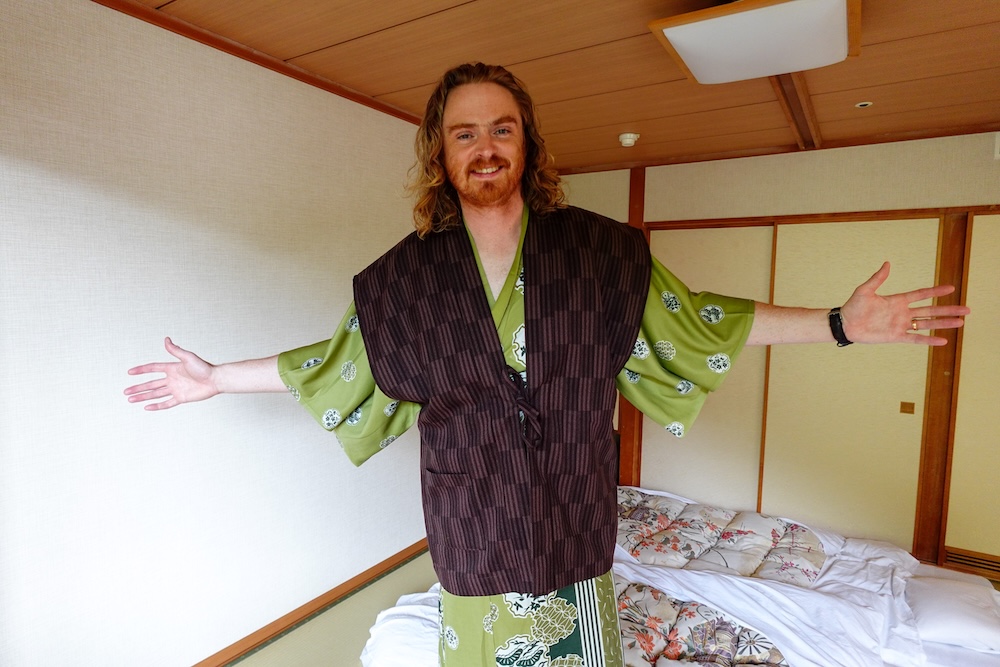
Audrey and I stayed two nights at Park Hotel Miyabitei, so this is the condensed itinerary I’d recommend, not the exact schedule we followed. But I know what I’d keep if we had only one night: the volcanic scenery, the traditional Japanese-style room, tea, yukata, a good dinner and enough time for more than one bath. I enjoyed it all, including futon sleeping and our odd jet-lagged bathing hours. The hotel wasn’t just a convenient base. It was half the reason to be there.
My approach would be to arrive as early as possible, arrange somewhere to leave the bags, explore in the afternoon, and return with time to enjoy the hotel. The next morning is a second chance for whatever you didn’t manage, provided checkout and your onward train cooperate.
How I’d Divide One Night in Noboribetsu
Don’t confuse one hotel night with two full sightseeing days. Our own arrival from Hakodate involved a train, a bus, the walk to the hotel and check-in. By the time we’d settled in, dinner and the baths looked considerably more appealing than a big hike. With just one night, that lost afternoon would matter more.
Park Hotel Miyabitei currently lists check-in from 2 p.m. and checkout at 10 a.m. Its onsen facilities run from 2 p.m. to 9:30 a.m. the next day, with a cleaning interruption between 3:30 and 4 a.m. Other hotels have different hours, but meals and bathing follow their own clocks. The mountain trails don’t care about your buffet reservation.
| When you reach Noboribetsu Onsen | What I’d prioritize |
|---|---|
| Early morning | Longer geothermal walking, potentially including Oyunuma and the natural footbath, before hotel check-in |
| Around lunchtime | Hell Valley first; extend the walk only if there’s ample time before dinner |
| Late afternoon | Settle into the hotel, enjoy the baths and dinner; reserve the following morning for one sightseeing priority |
Those are choices, not promises. I’d leave the morning flexible rather than compete against the clock. I’d also stay in the actual hot-spring district instead of near JR Noboribetsu Station. Being able to walk between your hotel, Hell Valley and the town attractions makes a difference when time is limited. You can compare hotels and ryokan in Noboribetsu Onsen before settling on a location and meal plan.
Arrival Day: Sort Out the Bags, Then See the Volcanoes
From JR Noboribetsu Station to the Onsen Town
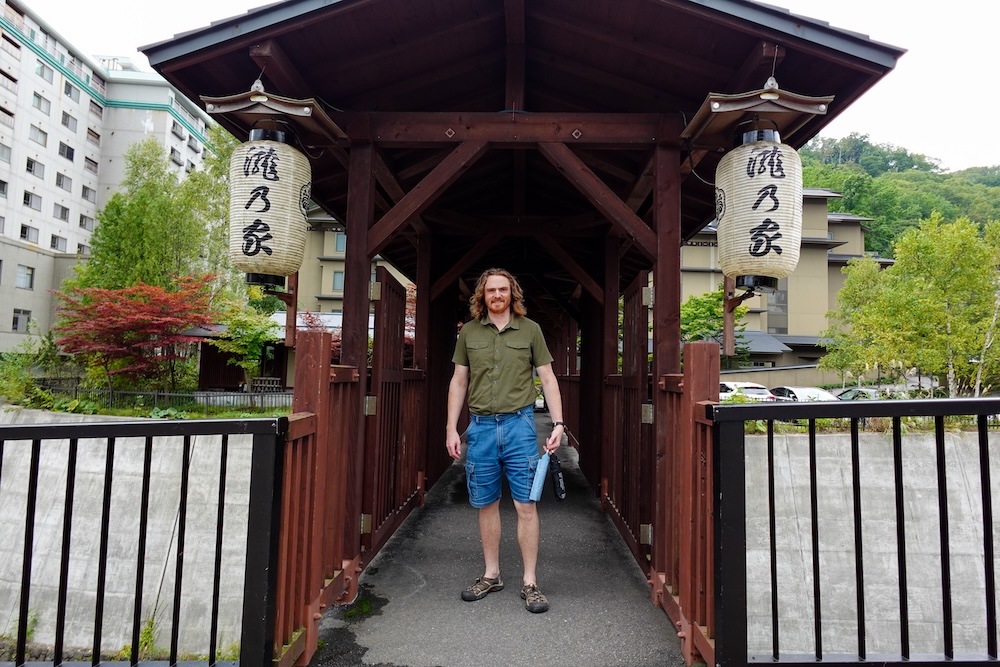
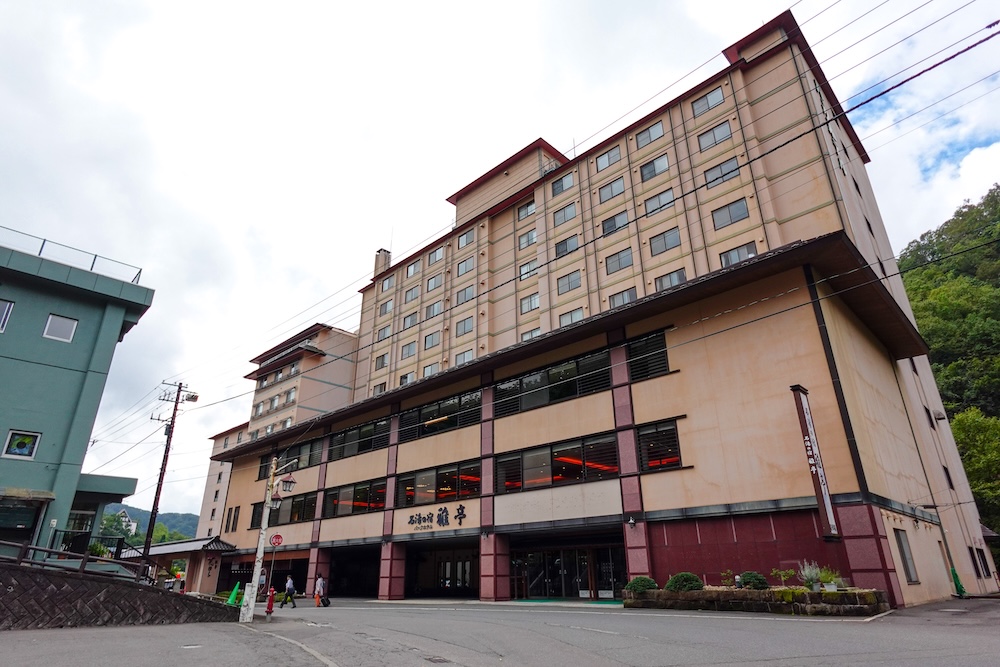
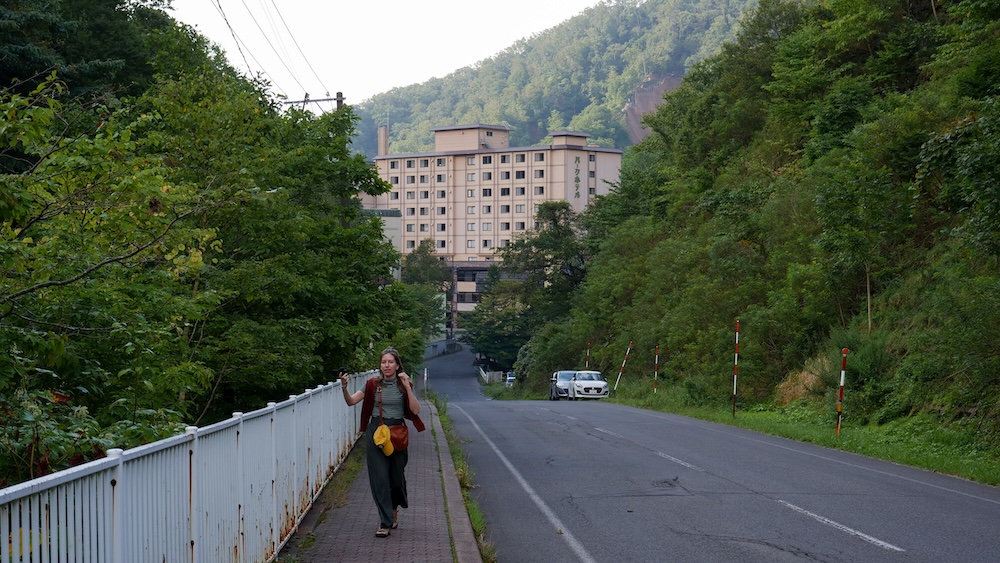
First, a geographical trap. JR Noboribetsu Station isn’t in Noboribetsu Onsen. It’s about eight kilometres away, near the coast, while the hotels and Hell Valley are up in the hot-spring district. We came by train from Hakodate on a JR Hokkaido pass and took the public bus uphill, waiting roughly half an hour for our connection.
Donan Bus currently lists the adult fare at ¥450 each way. Depending on the service and where you get off, the ride takes roughly 15–27 minutes, not counting your wait at the station. Some buses continue toward hotels. Suica and Kitaca aren’t accepted, while contactless payment varies by service. Check the current Donan Bus timetable against your actual train arrival, especially if you’re planning to reach town in time for a substantial walk.
My next move would be to leave the overnight bag behind, but I’d arrange it in advance. Park Hotel Miyabitei’s hotel group only commits to receiving luggage before the accommodation period when the hotel has agreed beforehand. There’s also paid storage through the tourist information service at 60 Noboribetsu Onsen-cho, although its daytime collection hours and current fee should be checked on the local luggage-storage page. Dragging a wheeled suitcase onto uneven forest trails is an entirely optional form of misery.
How Much Sightseeing Fits Before Check-In?
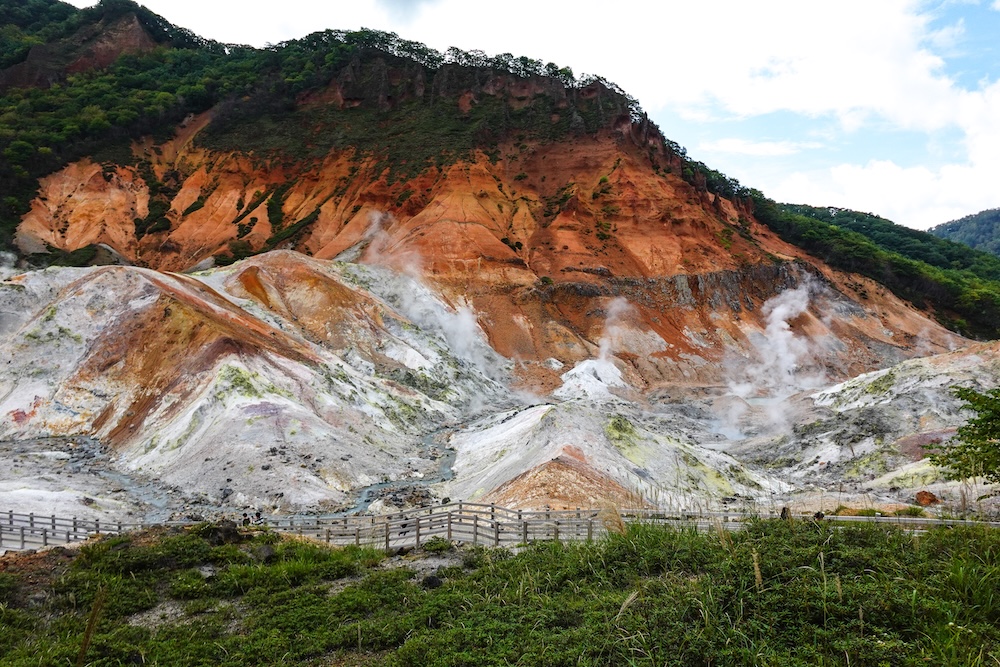
Hell Valley, or Jigokudani, would be my first priority. It’s close to the centre of the onsen district, and even a relatively short visit gives you the pale volcanic rock, orange earth, hissing vents and sulfur smell that originally made me want to come here. Audrey and I walked the designated paths and kept stopping to look around. The ground was bubbling in places, and I was surprised by how hot and humid it felt near the vents despite the fairly moderate weather.
The official walking map marks one Hell Valley pathway at about 568 metres and ten minutes, but that’s a trail segment, not a sensible total allowance for visiting the area. You can see the main viewpoints without attempting the whole network; once you start connecting paths and taking photographs, the outing expands. I’d let the available afternoon determine how far to go, rather than deciding that every path on the map had to be conquered.
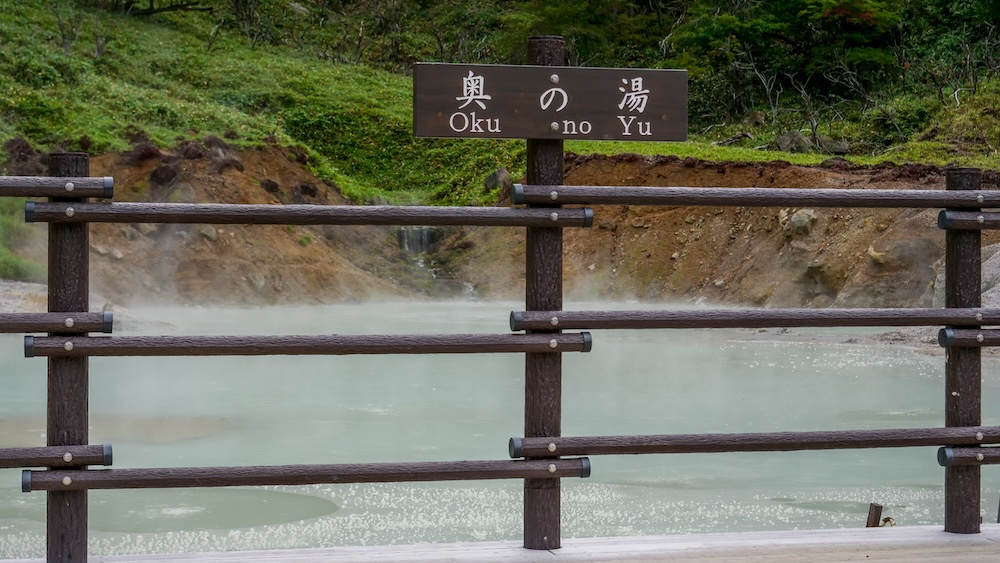
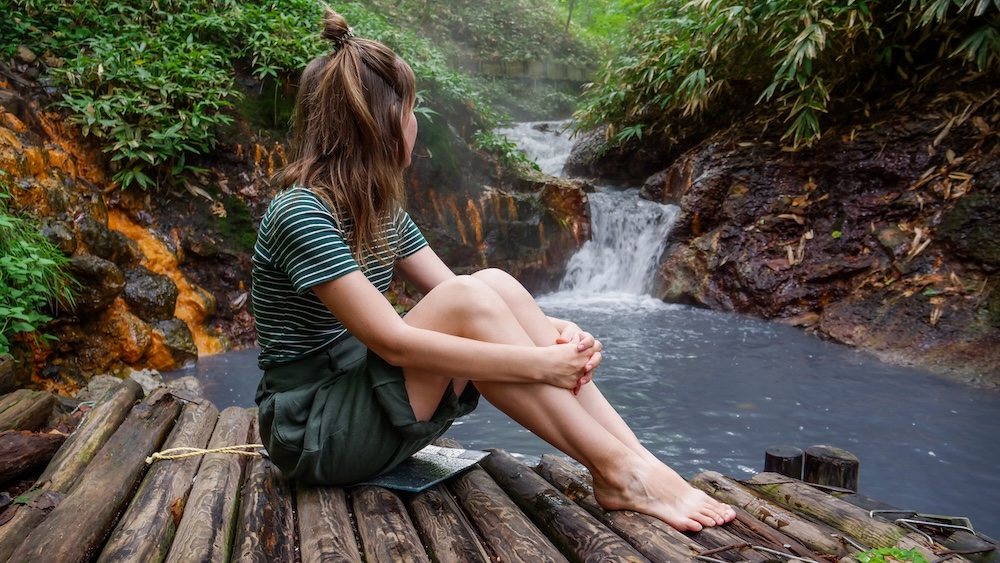
If I reached town early enough, I’d also consider Oyunuma and the Oyunuma River Natural Footbath. The latter was one of our favourite experiences in Noboribetsu. We followed a forest trail and put our feet into a volcanically heated stream. The grey-blue water felt startlingly hot at first, with fine black sand under our toes, but we soon settled in. We stayed about half an hour, listening to the running water while steam rose around the trees. I’d happily have stayed longer.
That said, it isn’t just another five-minute stop beside Hell Valley. There are connecting forest paths, uneven sections and extra walking between the geothermal features. The footbath has a published visitor window of 8 a.m. to 5 p.m., and its approach can close for maintenance or during winter conditions. I’d bring a small towel, check the trail notices and never head past a barrier. If time runs short, save it for the morning rather than miss dinner.
Check In: The Onsen Hotel Is Part of the Itinerary
Tatami, Tea and the Mystery of the Missing Beds
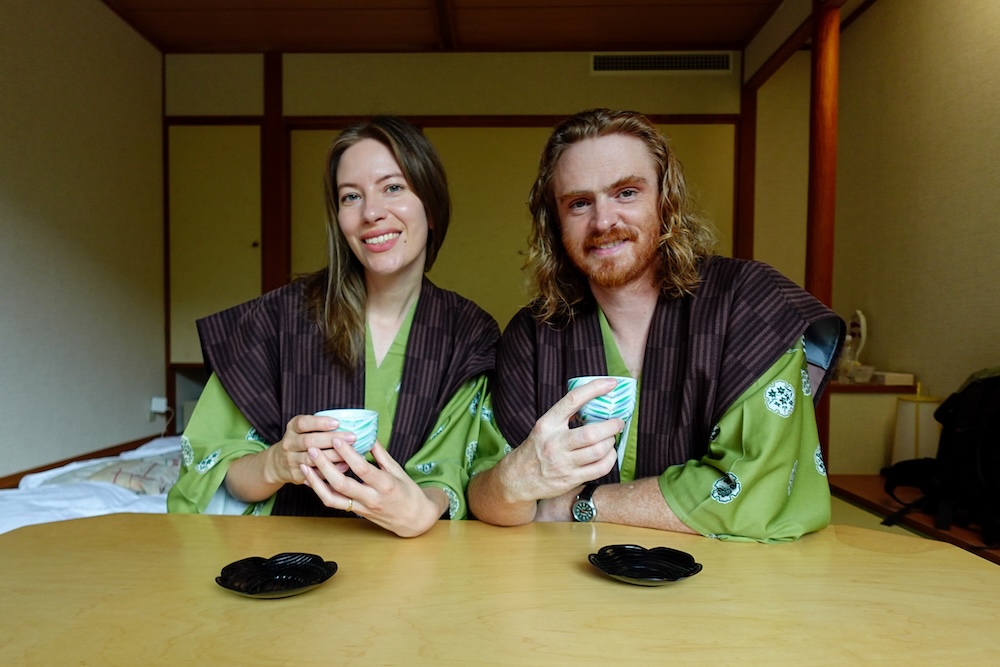
Our Japanese-style room at Park Hotel Miyabitei had tatami flooring, a low table, a place to sit with tea and views out toward the mountains and neighbouring hotels. When we first entered, I was briefly puzzled about where we were supposed to sleep. Then Audrey explained that the furniture would be moved and futons laid out later. Logical enough, yet it caught me out.
We also found yukata, sashes and outer garments in the room. Other guests were already strolling through the hotel wearing theirs, so Audrey and I changed too. I liked being able to go between our room, the dining hall and the baths without dressing for a normal day of sightseeing. It made the hotel feel like a hot-spring experience in its own right.
Park Hotel Miyabitei offers Japanese-style rooms as well as Western and mixed room categories. If drinking tea on the tatami and sleeping on a futon sound like part of the appeal, make sure that’s what you’ve actually booked. The room and meal plan matter more than the photos.
We’d previously stayed at a smaller ryokan in Takayama, and that had been a different experience. Park Hotel Miyabitei felt much more like a large onsen resort, with numerous guests and extensive facilities. We enjoyed both styles, but they’re not interchangeable.
If a smaller ryokan with traditional multi-course dining appeals more, check Takinoya Bekkan Tamanoyu, which is listed within walking distance of Hell Valley. Another option is Dai-ichi Takimotokan, particularly if substantial bathing facilities and proximity to Hell Valley are priorities. We haven’t stayed at either property, so I wouldn’t pretend to compare their service firsthand. What I’d compare is the actual room type, bath arrangements, dinner format and walking location. With only one night, those details can make or break the experience.
First-Time Onsen Etiquette Without the Drama
I’ve loved public bathing for years. When I was teaching English in Korea, I used to go to the baths roughly once a week, so getting undressed and soaking among other people doesn’t feel especially strange to me. Japanese onsens have their own customs, and first-timers may feel differently.
In a typical communal Japanese onsen, you undress in the changing area and use the baths without a swimsuit. You wash thoroughly at the seated washing stations before entering the pools, keep your towel and hair out of the bathwater, and leave your camera and phone outside. Men’s and women’s bathing areas are generally separate, as they were at our hotel. Follow the signs and the property’s particular rules, especially if you have tattoos or other access questions.
One detail worth checking before booking Park Hotel Miyabitei is its approximately 20 steps between the changing area and main baths. If stairs are difficult, ask what arrangements are available rather than assuming the facilities are step-free. And if communal bathing itself is a deal-breaker, some ryokan elsewhere offer private baths, but I haven’t confirmed a suitable private option at the hotel where we stayed.
My advice is simply to try an onsen if you’re comfortable doing so. You might love it as much as I do. You might decide once is plenty. Both are perfectly reasonable outcomes.
Dinner, Another Soak and a Night on the Futons
Our hotel had a large buffet, which was a big part of the fun. Between seafood, sashimi, crab, salads, hot dishes and desserts, we found plenty to eat. I was particularly happy with the crab. It wasn’t the quiet, individually served multi-course experience we’d enjoyed at a smaller ryokan in Takayama, though; Park Hotel Miyabitei was a sizeable resort, and the dining hall showed it.
When the buffet opened, there were substantial queues at the popular seafood and meat counters. Instead of standing in line, we started with quieter sections and went back for the other dishes later. During our stay, arriving about half an hour after opening sometimes meant a calmer room, although that’s an observation from our meals rather than a dependable crowd forecast. We loved the food despite some repetition over two nights.
The hotel still advertises buffet dining, but menus and inclusions vary. If you want the same dinner-and-breakfast arrangement we enjoyed, compare Park Hotel Miyabitei’s room and meal plans rather than assuming the cheapest listed rate includes both meals. Current booking listings also warn that arriving after 7 p.m. may mean missing an included dinner without a refund; I’d confirm the hotel’s current dinner cutoff instead of testing that policy after a long afternoon on the trails.
Then there are the baths, which I’d visit again after eating or whenever the hotel’s hours suit you. Audrey particularly enjoyed the women’s area. She remembers seven or eight pools, including an outdoor bath, and because of our jet lag she sometimes visited at odd hours. Once she had the whole place to herself; another time only one other woman was there. One visit was around 4:30 a.m., but her luck with quiet pools isn’t a guarantee.
I was perfectly content with the overall rhythm: yukata, soak, food, another soak, then back to the room. We were sometimes ready for bed at eight or nine because of jet lag, and after a hot bath I wasn’t exactly arguing for an evening of wild entertainment. By bedtime, the staff had prepared our futons on the tatami. What had looked like a sitting area earlier had become our bedroom, and I loved that transformation almost as much as the tea and the baths.
Departure Morning: The Hard Choice Between Another Bath and Another Walk
This is the part of a one-night itinerary I’d decide the evening before, not while trying to stuff clothes into a bag at 9:45 a.m. At Park Hotel Miyabitei the baths currently close to departing guests at 9:30 a.m., and checkout is at 10. If you want a final soak and a leisurely buffet breakfast, that already makes for a fairly full hotel morning. You can’t assume you’ll be welcomed back for another bath after checking out and hiking.
If we’d seen Hell Valley and reached the natural footbath the previous afternoon, I’d enjoy breakfast, take another soak and leave without feeling I’d missed something. On our actual stay, Audrey used the baths early and we spent part of our final morning sitting in yukata, drinking tea and talking about how much we’d enjoyed Noboribetsu. No need to sprint toward another attraction.
On the other hand, if I’d only managed Hell Valley on arrival, I’d consider using the morning for the natural footbath, provided the trail is open and I have enough time. Its published visitor window starts at 8 a.m., so an early walk isn’t automatically possible before then. You also need a secure place for luggage once you’ve checked out, time to retrieve it, and a realistic connection back to JR Noboribetsu Station. The return Donan Bus timetable is worth checking before you disappear into the forest.
Shorter options include the Hell Valley viewpoint, the oni statues in town or a look at Sengen Park’s steaming geothermal feature. We also visited Enmado and Yuzawa Shrine during our longer stay, but I wouldn’t cram either into a departure morning simply to tick another box. The shrine’s steep stone staircase, especially, requires more effort than walking the central streets. Choose one unfinished stop that fits your departure; let the rest go.
If the Plan Starts Falling Apart
Late arrival? I’d abandon the ambition of covering the whole geothermal network and concentrate on the hotel evening, particularly if dinner is included. You might squeeze in a short Hell Valley visit, but rushing back from a distant trail to save a prepaid meal is a poor way to begin a relaxing stay.
Bad weather or closed paths? Some forest trails, including access toward the natural footbath, can be restricted in winter or during maintenance. We didn’t visit Noboribetsu in snowy conditions, and our manageable walks aren’t a guide to what ice-covered paths feel like. Respect closures, see what is safely accessible around town and spend the extra time enjoying the hotel rather than treating the day as a failure.
And if you know you won’t enjoy the hot springs, I’d reconsider paying for the overnight experience in the first place. The volcanic scenery is still worthwhile, and a day trip may suit you better. I encourage first-timers to give onsen bathing a chance, but I don’t believe anyone needs to force themselves to love it.
Would I Recommend One Night in Noboribetsu?
Absolutely, especially for somebody curious about their first Japanese onsen stay. I loved our couple of nights here, and I wouldn’t claim one is better than two, but a single night can still give you the volcanic scenery, a proper hotel dinner, a traditional room and several chances to soak if you organize it sensibly.
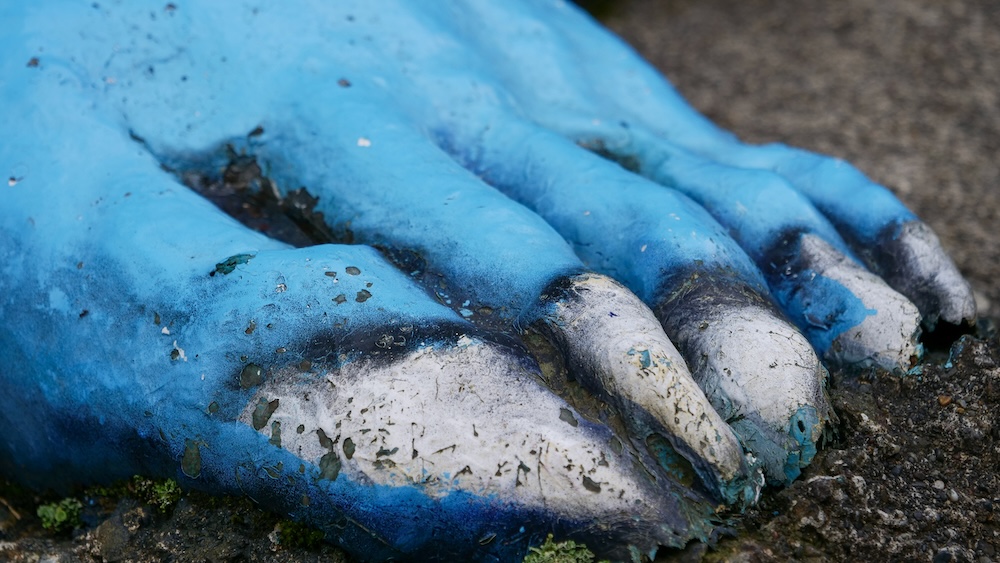
I’d arrive early, leave the bags by arrangement, explore Hell Valley and perhaps Oyunuma, then call time on sightseeing while there’s still an evening worth enjoying. After breakfast and a final bath, I’d choose one remaining attraction only if the luggage and train schedule make it easy. I remember the hot river in the forest vividly, but I also remember how much pleasure we got from tea in our room, futons, buffet meals and simply going back for another soak. That’s what I’d protect with one night. You can always come back for another demon statue.
Frequently Asked Questions
Is one night enough in Noboribetsu?
Yes, particularly if you want to experience a Japanese onsen hotel as well as see Hell Valley. I’d arrive as early as possible, explore during the afternoon, enjoy the baths and hotel dinner, and leave the following morning for breakfast or anything I missed. Audrey and I actually stayed two nights, but I’d happily return for just one.
Can you visit Noboribetsu Onsen without a car?
Absolutely. We travelled from Hakodate by train and then took a public bus from JR Noboribetsu Station to the onsen district, roughly eight kilometres away. The adult bus fare was listed at ¥450 each way when this guide was prepared. Once in town, we explored the central attractions on foot, although some geothermal trails require longer walks.
What should I prioritize on my first afternoon in Noboribetsu?
I’d start with Jigokudani, or Hell Valley, because it’s close to the onsen district and gives you an excellent introduction to the volcanic landscape. If you’ve arrived early and have enough time before your hotel dinner, consider continuing toward Oyunuma and the natural footbath. Otherwise, save the longer walk for the next morning if access and your departure schedule allow.
What should I expect at a Japanese onsen hotel for the first time?
Expect a different routine from an ordinary hotel stay. Depending on your booking, you might have a tatami room, futon bedding, yukata and included meals. In traditional communal baths, guests generally bathe without swimsuits, wash thoroughly before entering and keep towels out of the water. I’ve enjoyed public bathing for years, but it’s perfectly fine if you try it and discover it isn’t for you.
Can I visit the Oyunuma River Natural Footbath before leaving Noboribetsu?
You can consider it if the trail is open and your departure leaves enough time. Its published visitor window is 8 a.m. to 5 p.m., and access may be restricted in winter or during maintenance. Remember that the walk takes time, and you’ll also need to arrange your luggage and return transportation to JR Noboribetsu Station.
Should I book dinner and breakfast at my Noboribetsu onsen hotel?
I’d strongly consider both if you’re staying for just one night and want the complete hotel experience. Audrey and I really enjoyed the buffet meals at Park Hotel Miyabitei. Just confirm that both meals are included in your particular reservation and check the dinner arrival deadline, because room rates and meal arrangements vary.
This guide is also available in Spanish. [Leé la versión en castellano: Una noche en Noboribetsu: itinerario para tu primer onsen]
This article contains affiliate links. If you book through one of these links, I may earn a commission at no extra cost to you.