
Being nomadic and traveling nearly 365 days of the year is in many ways a dream job for me. However, one thing that I really miss about being back home in Canada is having the opportunity to follow sports throughout the year. When I had the opportunity to attend the World Nomad Games in Kyrgyzstan, the dormant sports junkie inside of me jumped at the opportunity.
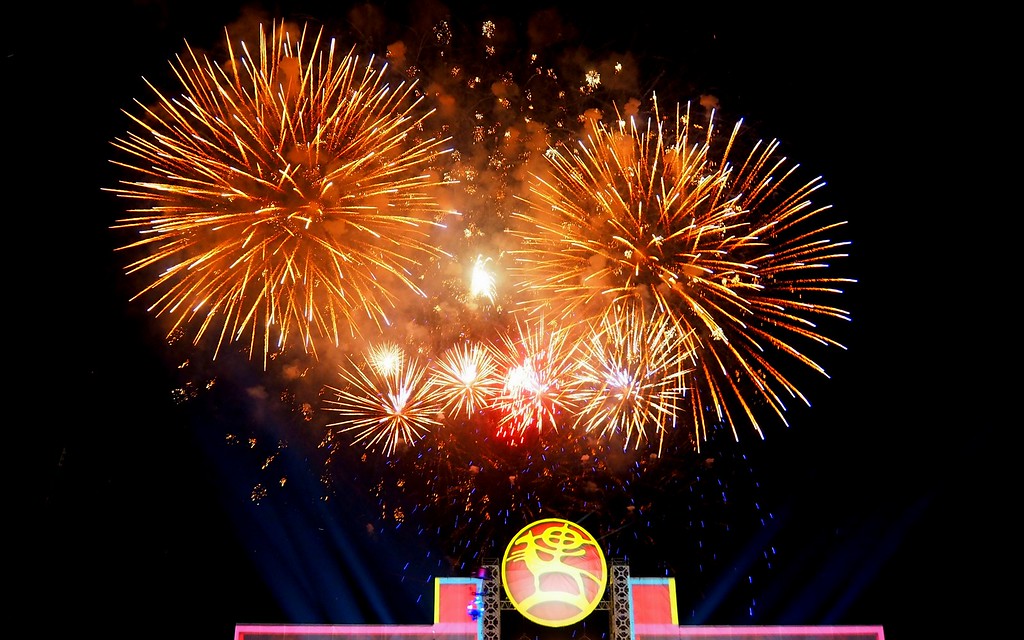
World Nomad Games in Kyrgyzstan
The World Nomad Games are a sports and cultural event held in Cholpon-Ata, Kyrgyzstan (not Bishkek) and they are an attempt to preserve and promote nomadic culture and traditions throughout Central Asia. This was only the second year the event was held, yet it featured 23 sports and drew athletes from over 40 different countries.
Imagine a festival where ancient traditions, thrilling competitions, and vibrant cultural celebrations come together in a spectacular display. This unique gathering showcases the rich nomadic heritage of Central Asia and beyond, making it an essential experience for anyone visiting the region.
Why Is It a Must-Try Experience?
Cultural Extravaganza: The World Nomad Games offer a deep dive into the diverse cultures of the nomadic peoples. From traditional music and dance to stunning crafts and delicious cuisine, the event is a celebration of nomadic life. It’s an immersive cultural experience that provides insights into the customs and traditions that have shaped these communities for centuries.
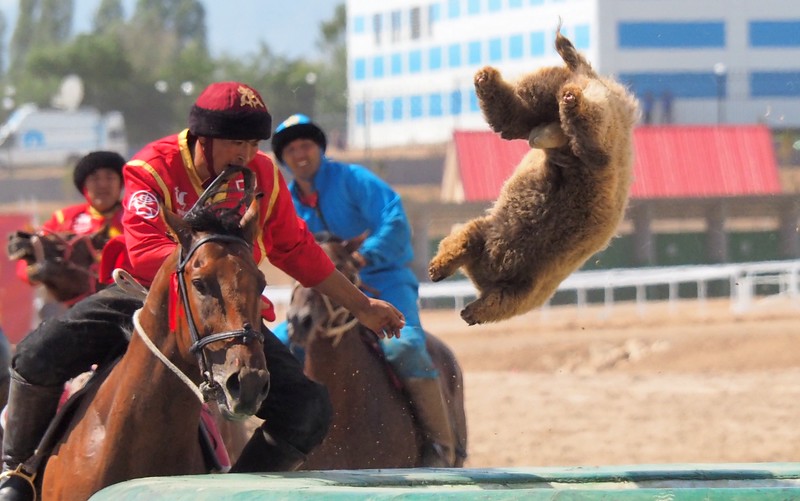
Exciting Competitions: At the heart of the games are the thrilling competitions that test the skills and endurance of the participants. Events like horseback wrestling, eagle hunting, and Kok-Boru (a rugged team sport involving a goat carcass) are not only exciting to watch but also steeped in historical significance. These contests highlight the physical prowess and spirit of the nomads.
What Makes It So Epic?
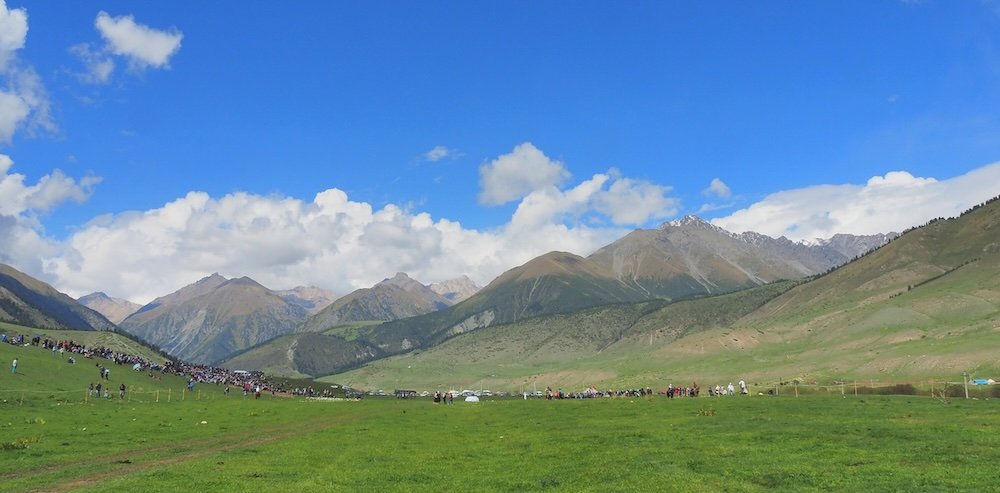
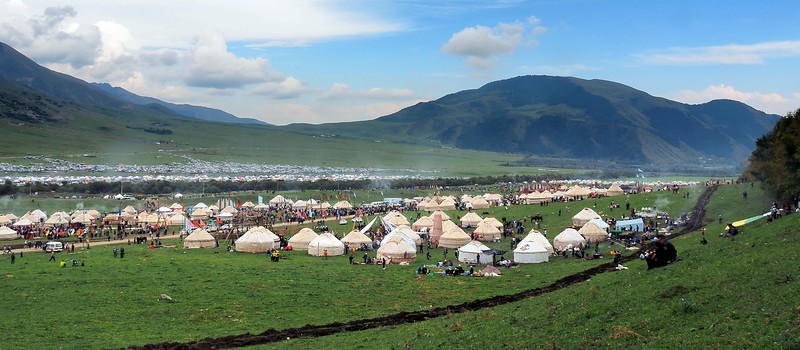
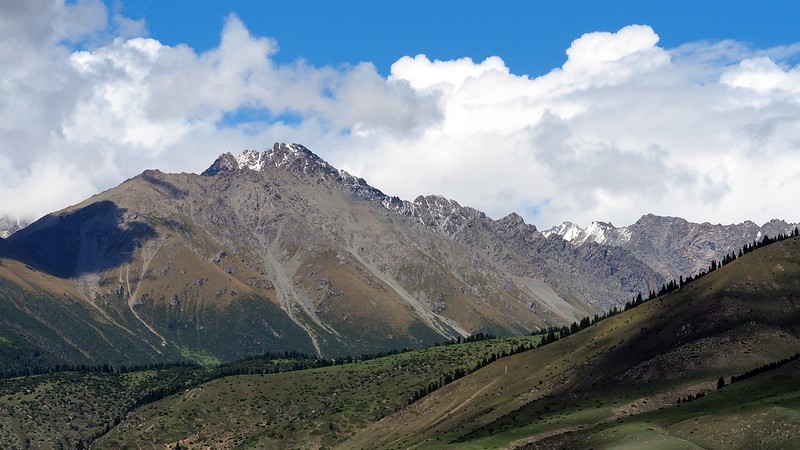
Spectacular Setting: The World Nomad Games are set against the stunning backdrop of Kyrgyzstan’s mountains and valleys. The natural beauty of the location adds an epic dimension to the event. Imagine watching a fierce game of Kok-Boru with snow-capped peaks in the distance—it’s a sight you won’t soon forget.
Global Gathering: This event brings together participants and spectators from around the world. It’s a global celebration of nomadic cultures, creating a unique atmosphere of camaraderie and cultural exchange. Meeting people from different backgrounds and sharing in this collective experience is truly epic.

What Makes It a Great Experience for Visitors?
Interactive and Engaging: The World Nomad Games are designed to be interactive. Visitors can participate in workshops, try their hand at traditional crafts, and even sample nomadic cuisine. This hands-on approach makes the experience more engaging and memorable. You’re not just a spectator—you’re a participant in the festivities.
Family-Friendly Fun: The games offer activities and entertainment for visitors of all ages. From kid-friendly workshops to mesmerizing performances, there’s something for everyone. It’s a fantastic way to spend time with family while learning about different cultures and traditions.
Rich History and Tradition: Attending the World Nomad Games is like stepping back in time. The event celebrates ancient traditions that have been passed down through generations. Watching these traditions come to life is both educational and inspiring, providing a deeper appreciation for the resilience and creativity of nomadic peoples.

How to Arrange the Experience?
Getting There: Bishkek, the capital of Kyrgyzstan, is well-connected by international flights. Once you arrive, local transportation options like taxis and buses can take you to the event venue. It’s advisable to plan your travel in advance, as the games attract a large number of visitors.
Booking Tickets: Tickets for the World Nomad Games can be purchased online through the official event website or at designated ticket booths in Bishkek. It’s a good idea to buy tickets early to secure your spot, especially for popular events and competitions.
What to Bring: Dress comfortably and be prepared for varying weather conditions. Layered clothing is ideal, as the weather can change quickly. Don’t forget your camera or smartphone to capture the incredible sights and moments. A reusable water bottle and some snacks will keep you refreshed throughout the day.
Tips for Visitors
- Explore Beyond the Games: Take time to explore Bishkek and the surrounding areas. The city has much to offer, from vibrant markets to historical landmarks.
- Engage with Locals: The local people are incredibly hospitable. Don’t hesitate to strike up a conversation and learn more about their culture and traditions.
- Stay Informed: Keep an eye on the event schedule and plan your days to make the most of your visit. There are often multiple events happening simultaneously, so prioritize the ones that interest you the most.
The following post will share some of the highlights of the World Nomad Games through photos and videos.
World Nomad Games Video:
In this video you’ll see our experience attending the World Nomad Games
If you have trouble viewing this video click here: http://youtu.be/KwDoJVCLm2Y
World Nomad Games: Favorite Sports
As mentioned previously there were 23 different sports at the games. Here is a brief overview of some of my personal favourite sports. Keep in mind none of these sports were familiar to me at all prior to attending the games!
Kok-boru:
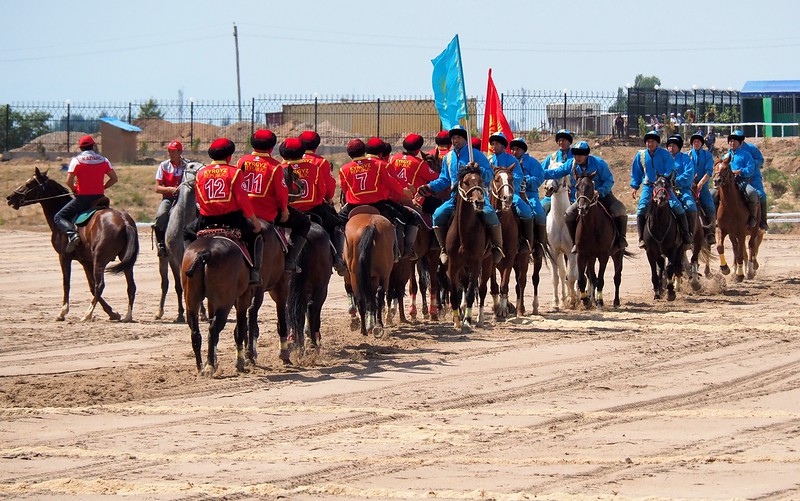
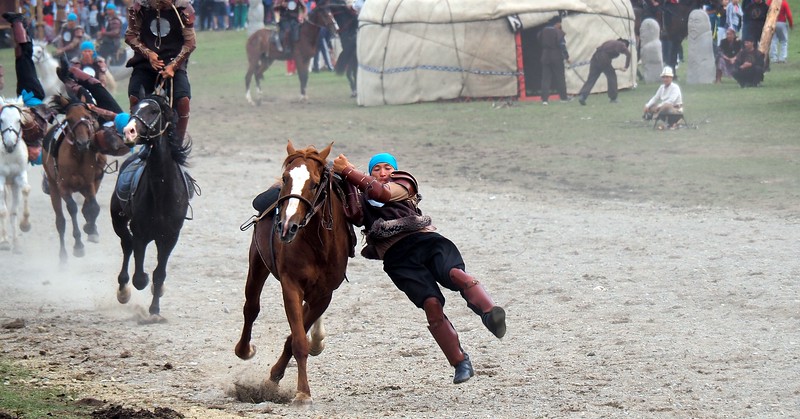
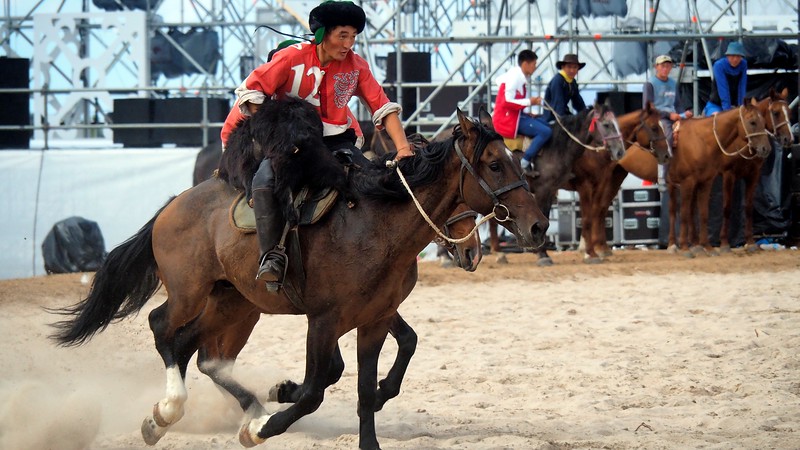
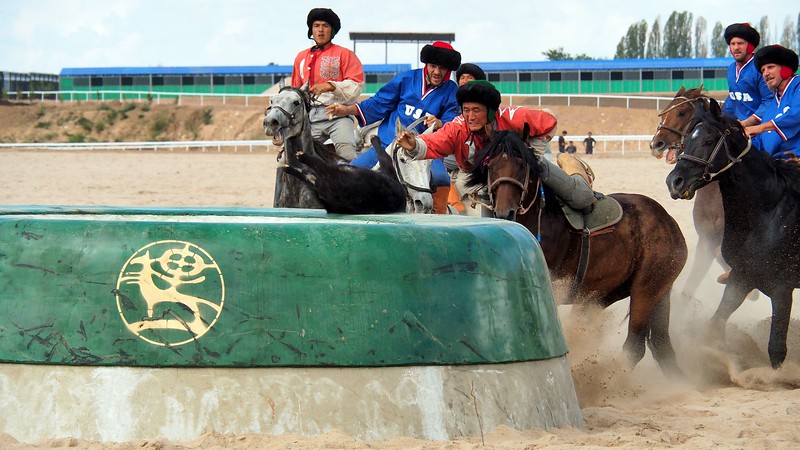
This sport was my personal favorite and it was definitely the most popular event at the World Nomad Games. Basically, two teams on horseback play something that sort of resembles polo, except instead of using a ball, they’re carrying and tossing a goat carcass with the intention of scoring a goal against their opponent. I was fortunate enough to have the opportunity to get right on the field during the game. I got a little overzealous at one point getting too close to the action and I had to retreat suddenly as horse-mounted players galloped in my direction. My favorite match was between Kyrgyzstan and Kazakhstan with the Krygyz team coming out on top.
Mas-wrestling:
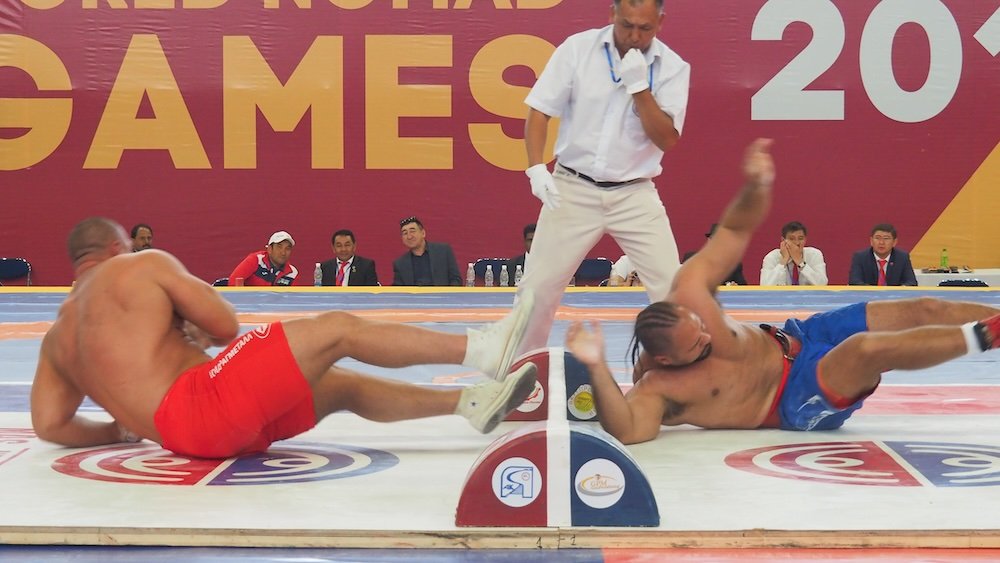
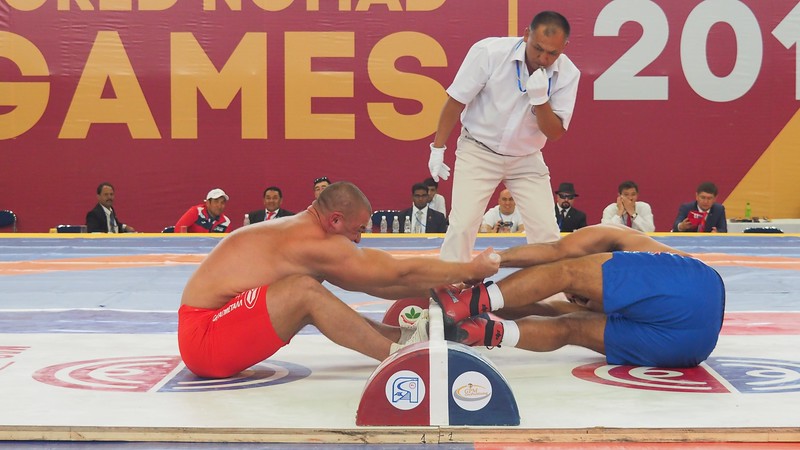
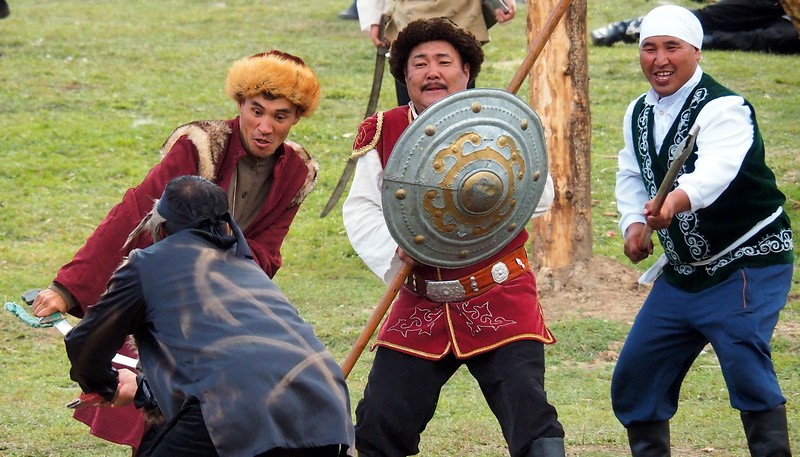
Two wrestlers face each other with the soles of their feet on opposite sides of a wooden board. In their hands they’re holding a stick, and it’s basically a tug-o-war to either get the stick or pull their opponent over to their side of the board. These typically massive men were physically exhausted by the end of a match even if the game only lasted a few brief seconds.
Salbuurun:
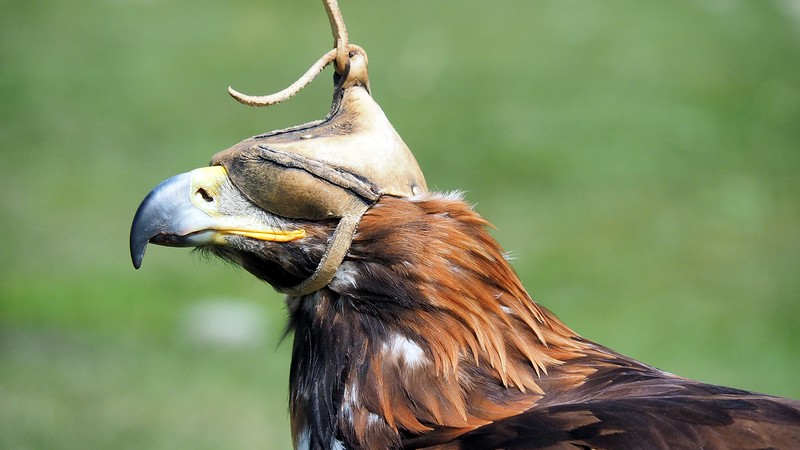
This was my favorite hunting/prey event involving eagles. The competition was to see how fast eagles can fly while chasing after a fox skin over a stretch of 200 meters. It wasn’t only the human athletes that impressed me during these games!
Other Sports At The World Nomad Games
The World Nomad Games in Kyrgyzstan celebrate the rich traditions of nomadic cultures through a variety of thrilling and unique sports. Here’s a detailed look at the diverse sports featured at this extraordinary event:

Kok-Boru (Buzkashi)
Description: A traditional Central Asian team sport similar to polo but played with a goat carcass instead of a ball.
Objective: Players on horseback try to grab the carcass and score by placing it in the opposing team’s goal.
Significance: Demonstrates the strength, agility, and teamwork of nomadic horsemen.
Er Enish (Horseback Wrestling)
Description: A physically demanding sport where two wrestlers try to unseat each other while riding horses.
Objective: The goal is to throw the opponent off their horse.
Significance: Highlights the importance of horsemanship and physical prowess in nomadic cultures.
Kyrgyz Kurosh (Traditional Wrestling)
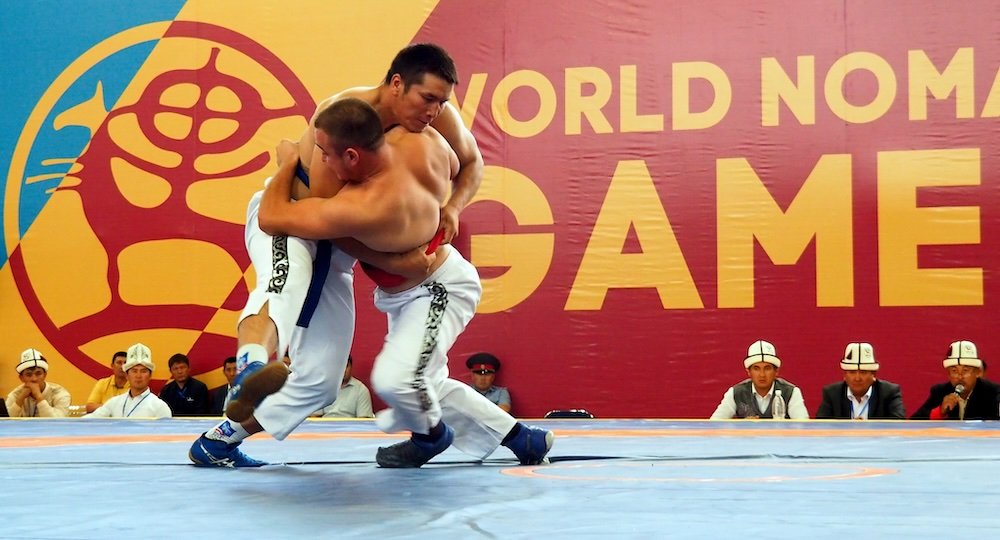
Description: A form of wrestling unique to Kyrgyzstan, combining elements of judo and freestyle wrestling.
Objective: Competitors aim to throw their opponent to the ground using various holds and techniques.
Significance: Reflects the traditional combat skills of Kyrgyz warriors.
Tyin Emmei (Coin Pickup)
Description: A horseback sport where riders pick up coins from the ground at full gallop.
Objective: Collect as many coins as possible within a set time.
Significance: Demonstrates the precision and agility of horse and rider.
Jereed (Equestrian Javelin Throw)
Description: A traditional Turkish sport involving horseback riders throwing javelins at each other.
Objective: Hit the opposing rider or their horse with the javelin.
Significance: Simulates ancient cavalry battles, showcasing horsemanship and accuracy.
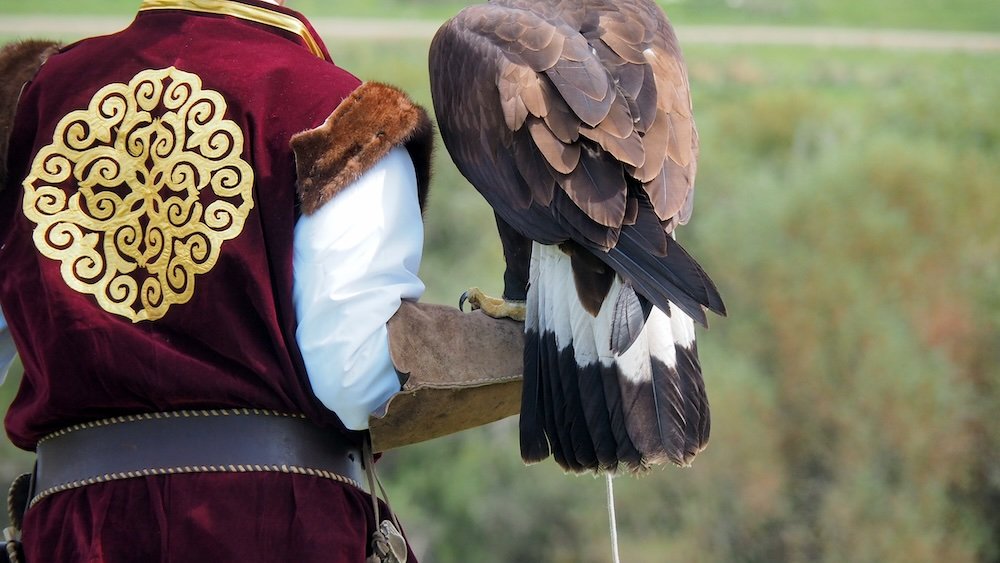
Salburun (Hunting with Birds of Prey)
Description: A hunting tradition using trained eagles and falcons.
Objective: The birds hunt small game like hares and foxes.
Significance: Highlights the symbiotic relationship between nomads and their hunting birds.
Ordo
Description: A strategic game played with sheep knuckle bones.
Objective: Players aim to knock out a central bone using other bones as projectiles.
Significance: Combines skill, strategy, and a deep connection to traditional nomadic life.
Mangala
Description: An ancient board game similar to mancala, involving the strategic movement of stones.
Objective: Capture more stones than the opponent.
Significance: Reflects the intellectual and strategic aspects of nomadic culture.
Toguz Korgool
Description: A traditional nomadic board game akin to mancala, popular in Central Asia.
Objective: Capture the most “korgools” (game pieces) through strategic play.
Significance: Encourages strategic thinking and planning.

Archery
Description: Traditional archery using bows and arrows.
Objective: Hit targets at various distances.
Significance: Demonstrates ancient hunting and combat skills.
Traditional Horse Racing
Description: Various forms of horse racing, including long-distance and endurance races.
Objective: Be the first to cross the finish line or complete the course.
Significance: Celebrates the endurance and speed of the horses and their riders.
Alaman Baige (Long-Distance Horse Race)
Description: A grueling long-distance race over challenging terrain.
Objective: Test the stamina and endurance of both horse and rider.
Significance: Reflects the nomadic lifestyle’s reliance on horses for long journeys.
Cirit
Description: A traditional equestrian team sport from Turkey, similar to jousting.
Objective: Riders throw javelins at opponents while galloping.
Significance: Simulates ancient battle tactics and horsemanship.
At Chabysh (Endurance Horse Racing)
Description: An endurance race over a set distance, testing the stamina of both horse and rider.
Objective: Finish the race in the shortest time possible.
Significance: Demonstrates the bond and endurance between nomads and their horses.
Mas-Wrestling
Description: A test of strength where two competitors try to pull a stick out of each other’s hands.
Objective: Wrest the stick away from the opponent.
Significance: Highlights physical strength and determination.
Here is a complete list of the sports from the World Nomad Games.
World Nomad Games Photo Essay
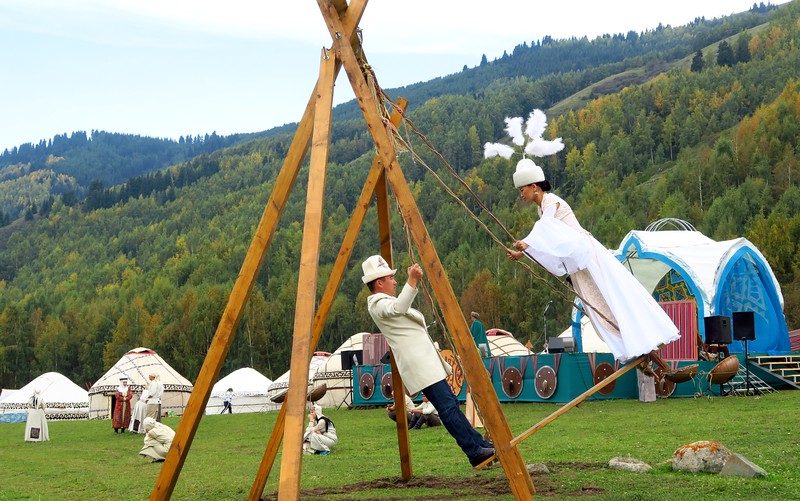
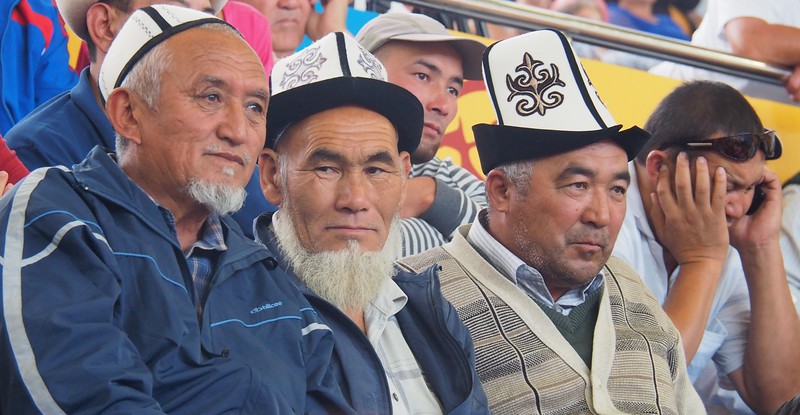
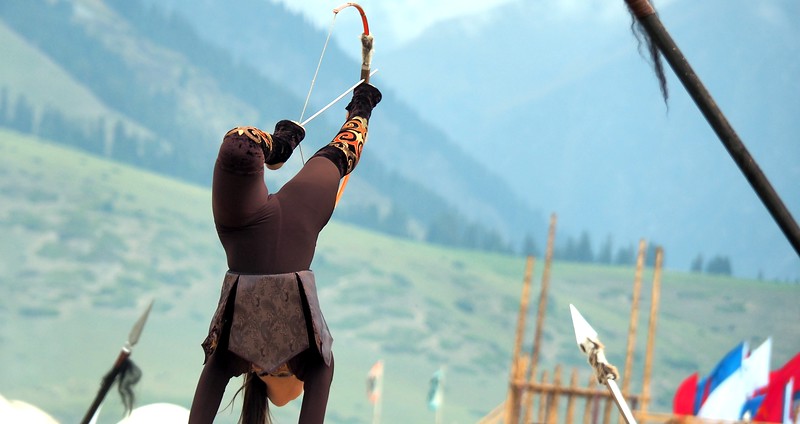
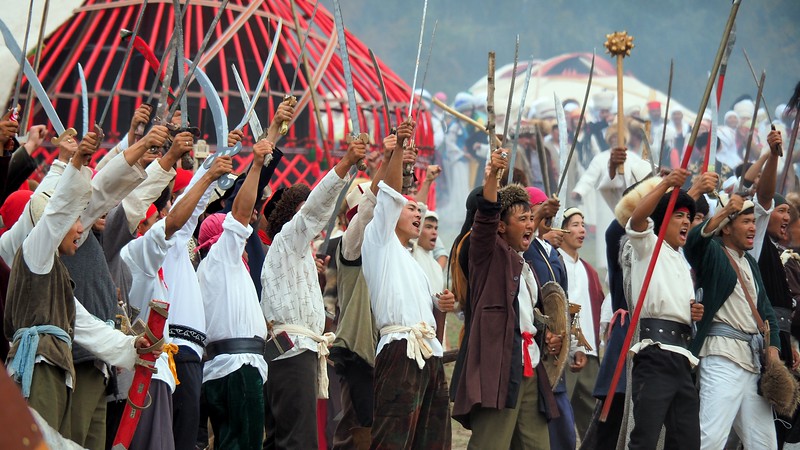
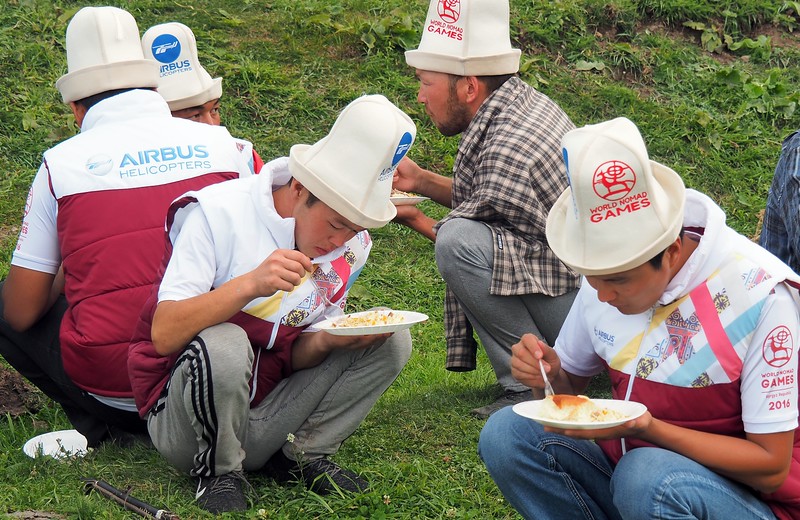
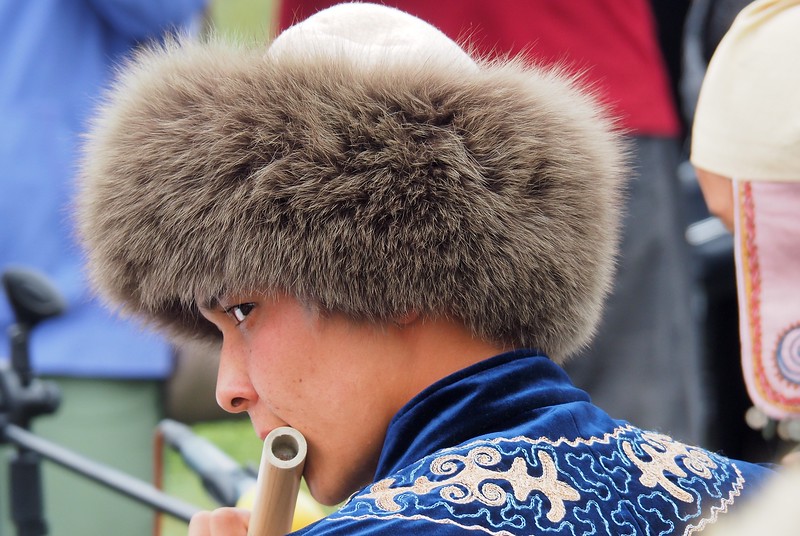
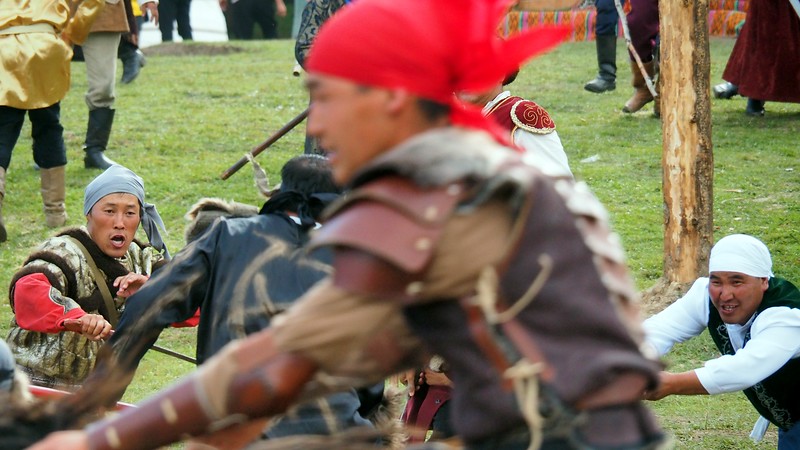
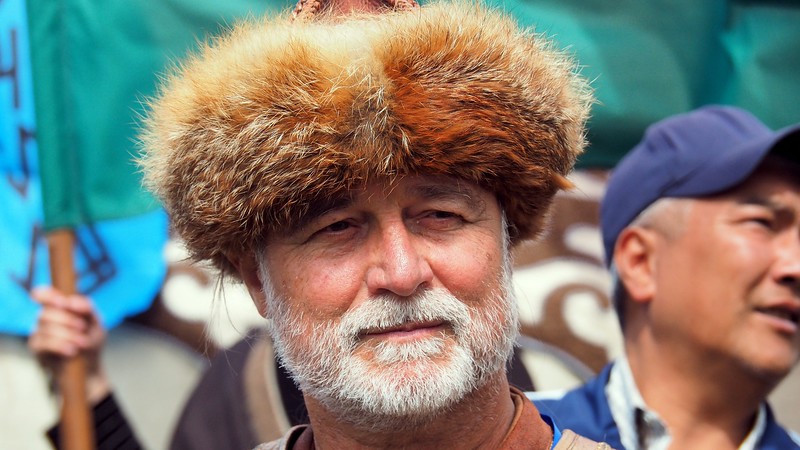
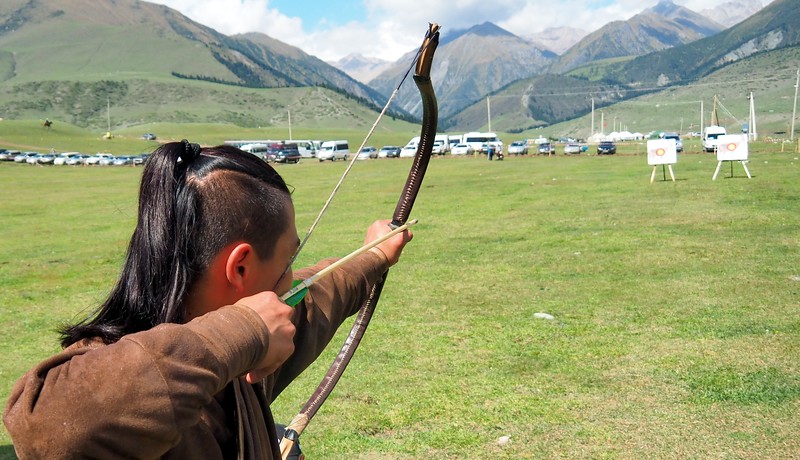
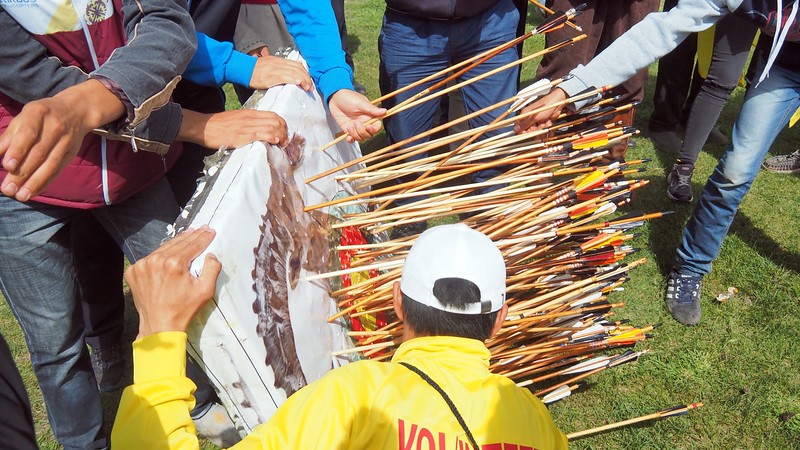
Now, my favorite photos from the event in no particular order.






Planning Your Trip to the World Nomad Games in Kyrgyzstan
If you’re a sports fan with a soft spot for offbeat cultural experiences, the World Nomad Games are basically your Super Bowl, Olympics, and village festival rolled into one. It’s chaotic, heartfelt, and set against ridiculous mountain backdrops that make it hard to decide whether to watch the match or just stare at the scenery.
But to really enjoy it, you need a bit of planning. Distances are long, English isn’t widely spoken outside the tourism bubble, and accommodation around the venues can sell out quickly. Let’s turn the “that looks cool” daydream into a trip you can actually pull off.
When To Go And How Long To Stay
Best Time To Attend
The World Nomad Games typically take place in late summer or early autumn, when Kyrgyzstan still has warm days but cooler evenings. Think: T-shirt during the day, jacket at night.
You’ll usually want to:
- Aim to arrive at least 1–2 days before the opening ceremony
- Stay 3–7 days, depending on how much you want to see around Issyk-Kul and Bishkek
- Factor in a bit of buffer time in case of delays or last-minute schedule changes
How Many Days Do You Actually Need?
3–4 days: “Hit the highlights”
- One full day for the opening ceremony + first events
- One full day focused on Kok-boru and horse sports
- One day to wander the yurt village, crafts, and performances
5–6 days: “Games + Issyk-Kul”
- Enough time to see multiple sports, return to your favourites,
and still sneak off to the lake for a swim or boat ride
7+ days: “Slow travel & side trips”
- Combine the Games with treks, yurt stays, and mountain villages
- Less FOMO, more time to breathe, drink endless tea, and chat with locals
Where To Base Yourself For The Games
The Games have been hosted in and around Cholpon-Ata and the shores of Issyk-Kul, with additional venues like Kyrchyn Gorge for cultural events. You’ll likely split your time between Bishkek, Issyk-Kul, and possibly a yurt camp.
Here’s a quick decision matrix to help you choose your base during the Games days:
| Base Area | Vibe | Travel Time To Main Arena | Pros | Cons | Best For |
|---|---|---|---|---|---|
| Cholpon-Ata | Resort town on Issyk-Kul | Closest | Walk/short ride to events, lake nearby | Prices spike, books out early | Fans who want to see everything |
| Nearby villages | Quiet, more local | Short drive (30–60 mins) | Cheaper guesthouses, calmer at night | Need taxis/shuttles; basic facilities | Budget travelers, peace and quiet |
| Yurt camps | Rustic & atmospheric | Varies by camp | Full nomad vibe, starry skies, campfire | Simple toilets, shared facilities, chilly at night | Travelers who want the “story” more than comfort |
| Bishkek | Capital city | Longer (several hours) | More hotels, restaurants, nightlife | Long commute, you’ll miss some early/late events | Those combining city trip + short Games visit |
My Ideal Setup
If you can swing it:
- Spend 1–2 nights in Bishkek on arrival to adjust, grab SIM cards, cash, and warm up to Kyrgyzstan
- Move to Cholpon-Ata or a nearby village for the core Games days
- Add 1–2 nights in a yurt camp either before or after the Games to soak up the countryside
Getting To Kyrgyzstan And Reaching The Venues
Flying In
Most visitors fly into Bishkek (Manas International Airport). From there, you have a few options to reach Issyk-Kul and the Games venues:
Marshrutkas (Shared Minibuses)
- Cheapest option
- Run from Bishkek’s western bus stations toward Cholpon-Ata and other Issyk-Kul towns
- Expect crowded seats, limited luggage space, and stops along the way
- Great if you’re on a budget and don’t mind things being a bit rough around the edges
Shared Taxis
- Slightly more expensive than marshrutkas but faster and more comfortable
- You’ll usually share with 3–4 passengers
- Agree on the fare beforehand and confirm if you’re being dropped at your guesthouse or just in town
Private Transfer / Driver
- Most comfortable and flexible, best if you’re travelling with friends or family
- You can stop for viewpoints, food, and random roadside photo ops
- Prices vary, but splitting a private car among 3–4 people can still be reasonable
Getting Around During The Games
Once you’re near the venues, movement will depend on how the specific edition of the Games is organized, but expect some combination of:
- Event shuttles connecting arenas, yurt villages, and town
- Local taxis or ride-hailing apps (where available)
- Walking between nearby venues
It helps to:
- Keep screenshots of maps and venue locations on your phone (don’t rely 100% on mobile data)
- Ask your guesthouse or hotel which shuttle stops are closest and how late they run
- Always carry a card with your accommodation’s name written in Kyrgyz or Russian to show taxi drivers
Tickets, Passes, And Where To Sit
Each edition of the Games is structured slightly differently, but you’ll typically see a mixture of free cultural areas and paid sporting events (especially opening ceremonies and marquee matches).
Think of it like this:
| Ticket Type | What It Covers | Flexibility | Likely Price Level | Good For |
|---|---|---|---|---|
| Opening Ceremony Ticket | Massive stadium show + performances, fireworks | Fixed date/time | Higher | First-timers, photo/video lovers |
| Day Event Ticket | Access to sports at specific venue on that day | Day-specific, limited | Moderate | Fans focused on certain sports |
| Multi-Day Pass | Several days at core venues | More flexible | Moderate–High | Sports junkies, repeat visitors |
| Cultural Zone Access | Yurt village, crafts, performances (sometimes free) | Come-and-go, relaxed | Free–Low | Families, casual visitors |
Seating Strategy
For the big matches and ceremonies:
- Aim to arrive early (at least an hour in advance)
- Choose seating that gives you a good angle on the field and the mountains if you can — part of the charm is the scenery
- Bring:
- A hat and sunglasses – the sun can be brutal
- A scarf or buff to shield from dust
- A light cushion or folded jacket if you don’t like concrete benches
What It’s Actually Like At The Venues
The Hippodrome And Main Stadium
This is where the heart-pounding stuff on horseback happens:
- Kok-boru matches that get louder and rowdier as the game progresses
- Horse races where crowds collectively hold their breath on the final straight
- Er enish (horseback wrestling), where you can literally hear the grunt and impact of riders hitting the ground
What to expect:
- Lots of cheering locals who take these sports seriously
- Stalls selling kebabs, plov, lagman, samsa, bread, and endless tea
- Dust, noise, and atmosphere in spades
Good to have:
- A zoom lens or binoculars if you like to get close-up views
- A face mask or buff if you’re sensitive to dust kicked up by horses
Yurt Villages And Cultural Areas
These are the quieter but equally fascinating side of the Games. You’ll often find:
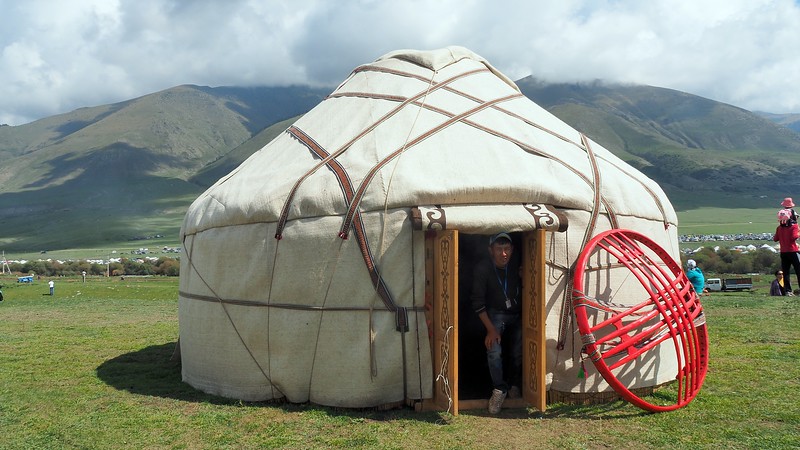
- Traditional yurts decorated with felt carpets and colourful textiles
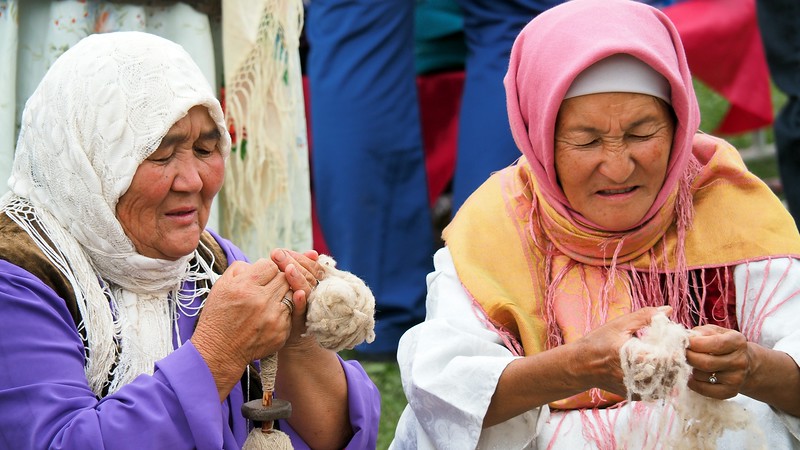
- Demonstrations of felt-making, embroidery, woodcarving, and music
- Performances of epic poetry, folk songs, and dance
- Food stalls serving everything from kumis (fermented mare’s milk) to fresh bread and sweets
This is where you can:
- Sit on low cushions, sip tea, and chat with locals
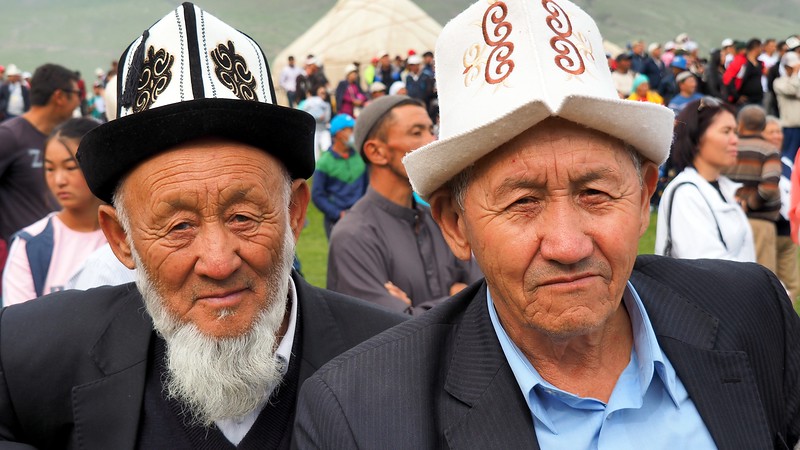
- Try on traditional hats and clothing
- Watch craftspeople work and, if you’re lucky, try a few steps yourself
Evening Concerts And Performances
Depending on the edition of the Games, you may find:
- Large staged concerts with modern and traditional music
- Smaller, more intimate performances near yurt camps
- Impromptu gatherings where people start singing or playing instruments just because they feel like it
Even if you’re not a night owl, it’s worth hanging around at least once after sunset to see the lights, costumes, and bonfires.
Where To Sleep: Accommodation Breakdown
Around Issyk-Kul, standards can vary widely. You might spend one night in a basic guesthouse with shared bathroom and the next in a renovated Soviet resort with a lakeside view.
Main Types Of Accommodation
Guesthouses
- Family-run, cozy, sometimes a bit rough around the edges
- Often include breakfast, tea, and maybe dinner if you ask in advance
- Great for meeting other travelers and chatting with the owners
Small Hotels And Resorts
- More conventional rooms, private bathrooms, sometimes Wi-Fi that kind of works
- Often located closer to central parts of town or right by the lake
Yurt Camps
- Thick felt walls, low beds or matresses, shared outdoor toilets, and star-filled skies
- Nights can be chilly, even after hot days
- Best for people who value atmosphere over amenities
Rough Budget Expectations (Per Person, Per Day)
These are very general ballparks to help you plan:
| Traveler Type | Daily Budget (USD) | What That Typically Covers |
|---|---|---|
| Shoestring | 30–45 | Shared room or basic guesthouse, marshrutkas, simple meals and snacks |
| Midrange | 50–90 | Private room in guesthouse/hotel, nicer meals, some taxis and event tickets |
| Comfort Seeker | 90–150+ | Better hotels or boutique stays, private transfers, prime event tickets |
You can absolutely travel cheaply in Kyrgyzstan, but during a big event like the Games it’s worth reserving accommodation early so you’re not stuck taking whatever is left far from the venues.
What To Eat And Drink During The Games
You won’t go hungry. Between stadium food, pop-up stalls, and village kitchens, eating becomes part of the experience.
Classic Kyrgyz Dishes To Look For
- Plov – Rice cooked with carrot, onion, and chunks of meat; hearty and filling
- Lagman – Hand-pulled noodles with meat and vegetables in a rich broth or stir-fry
- Samsa – Baked pastries stuffed with meat, onion, sometimes pumpkin
- Shashlik – Skewers of grilled meat, often served with bread and salad
- Boorsok – Deep-fried dough pieces, dangerously snackable with tea
Drinks
- Tea (black or green) – Ever-present, often free-flowing
- Kefir or ayran – Fermented dairy drinks, refreshing on hot days
- Kumis – Fermented mare’s milk; an acquired taste but very much part of the culture
If you have a sensitive stomach, it can help to:
- Start with well-cooked, hot dishes
- Carry hand sanitizer and tissues
- Have basic meds on hand for minor stomach upsets
Sample Itineraries For The World Nomad Games
3-Day “World Nomad Games Blast”
Day 1: Arrival & Cultural Immersion
- Arrive in Cholpon-Ata or nearby base
- Wander through yurt villages and craft areas
- Watch a smaller sporting event to get a feel for the flow of the day
- Have an early night or a gentle stroll by the lake
Day 2: Big Sports Day
- Head early to the hippodrome for Kok-boru or horseback wrestling
- Break mid-day for food and a walk; stay hydrated and pace yourself
- Go back for later matches or a sunset event
- If there’s an evening concert, stick around for live music and performances
Day 3: Final Events + Lake Time
- Catch any sports you missed on days 1–2
- Spend part of the afternoon by Issyk-Kul, even if it’s just a walk along the shore
- Depart late afternoon or next morning
5-Day “Games + Issyk-Kul Explorer”
Day 1: Bishkek Arrival
- Land in Bishkek, check into a guesthouse or hotel
- Get cash, SIM card, snacks for the road
- Stroll local markets and have a hearty Kyrgyz dinner
Day 2: Transfer To Issyk-Kul + Opening Ceremony
- Travel to Cholpon-Ata or your chosen base
- Check in, drop bags, head to the opening ceremony if it’s that evening
Day 3: Core Sports Day
- Focus on Kok-boru and horse racing
- Explore stadium snacks and mingle with local fans
Day 4: Culture & Lake
- Spend half a day at cultural venues, yurt villages, and performances
- Take a boat ride, swim, or shoreline walk at Issyk-Kul in the afternoon
Day 5: Extra Sports & Departure
- Catch any remaining events you’re interested in
- Head back to Bishkek by late afternoon/evening, or stay one more night and depart next day
7-Day “Games + Nomadic Kyrgyzstan”
Day 1–2: Bishkek & Surroundings
- Recover from flights, explore the city, markets, and parks
- Optional: quick side trip to nearby mountain gorges
Day 3–5: World Nomad Games
- Two full days at the Games to cover both sports and cultural zones
- One flexible day to repeat favorites or try a day trip along Issyk-Kul
Day 6–7: Yurt Stay Or Mountain Trip
- Transfer to a yurt camp or mountain village
- Spend days horseback riding, hiking, and hanging out with host families
- Return to Bishkek for your flight out
This longer trip lets you see the Games not just as a one-off event but as part of a broader nomadic and mountain culture experience.
Practical Tips And Common Mistakes To Avoid
What To Pack For The Games
- Layers: T-shirt, long-sleeve, fleece or light jacket, and a windbreaker
- Sturdy shoes: You’ll be walking on dirt, grass, and occasionally muddy or rocky ground
- Sun protection: Hat, sunglasses, sunscreen
- Small daypack: For water, snacks, camera gear, extra layer
- Power bank: Outlets can be limited, and you’ll drain batteries with all the photos and videos
- Tissues & hand sanitizer: Toilets can be basic or improvised
Cultural Etiquette
- Dress modestly but comfortably – nothing super revealing, especially in rural or traditional settings
- Always ask before taking close-up photos of people, especially elders and children
- If you’re invited into a yurt or onto a rug, follow the host’s lead:
- Remove shoes if others do
- Accept tea, even if you just sip a small amount
- Use both hands when receiving something; it’s a small sign of respect
Common Mistakes To Avoid
Underestimating Distances And Timing
- Kyrgyzstan looks compact on a map, but roads wind around mountains and lakes
- Build in buffer time for travel, especially if you need to catch a particular match or ceremony
Not Booking Early Enough
- Accommodation near key venues can sell out quickly for the Games
- Booking last minute might leave you far from the action or in a more basic place than you expected
Ignoring Hydration And Sun
- High altitude + full sun + hours of cheering in open stands = tired, dehydrated traveler
- Sip water regularly, even if you don’t feel thirsty, and don’t underestimate how strong the sun can be
Treating It Like A Polished Mega-Event
- The World Nomad Games are impressive, but they’re not a slick, corporate stadium production
- Schedules can change, things can run late, and announcements might not be in English
- Lean into the improvisation and slightly chaotic charm—that’s half the fun
World Nomad Games in Kyrgyzstan: Essential Questions, Practical Answers and Insider Tips
When are the next World Nomad Games and how often do they happen?
Big picture. The World Nomad Games only kicked off in 2014, and instead of running every single year they tend to happen every few years, rotating between Kyrgyzstan and other nomad heartland countries like Turkey and Kazakhstan. Recent editions have taken place in Kyrgyzstan, Turkey, and Kazakhstan, and current plans point to the Games returning to Kyrgyzstan around late August and early September 2026, with events expected to be split between Bishkek and the Issyk Kul region, although some sources still list details as to be confirmed. Because dates and even host cities can shift, I always recommend treating anything you read as provisional until you see it confirmed on the official World Nomad Games channels or a reputable local operator.
Where exactly do the World Nomad Games take place in Kyrgyzstan?
Usually. When the Games are hosted in Kyrgyzstan the sporting heart is up in the north of the country around Lake Issyk Kul, with major arenas near Cholpon Ata and cultural events spreading out to nearby mountain valleys like Kyrchyn Gorge. You can think of it as a triangle between Bishkek, the lake shore, and the high pastures: ceremonies and logistics often touch the capital, the bulk of stadium style action happens near the lake, and the more atmospheric nomad villages and yurts pop up in the surrounding jailoos. Each edition tweaks the layout a little, so once the schedule is announced I like to study the official map and then book accommodation as close as possible to the venues I care about most.
How many days should I plan for the Games themselves?
Honestly. If you are short on time you can get a really solid taste of the World Nomad Games in about three full days, especially if you focus one day on the opening or closing spectacle, one on headline sports like kok boru and horseback wrestling, and one drifting through yurt villages and cultural performances. If you are a sports junkie or photographer, five to six days lets you see repeat matches, follow specific teams, wait out bad weather, and still sneak down to Issyk Kul for a swim. A full week gives you room to slow down, revisit your favourite arenas, and weave in side trips and yurt stays without feeling like you are sprinting from shuttle to shuttle.
Do I need to book a tour to visit the World Nomad Games, or can I go independently?
Both. You can absolutely do the World Nomad Games independently if you are comfortable with basic overland travel, a bit of language barrier, and loose schedules; it is just a matter of flying into Bishkek, making your way to Issyk Kul, and then using shuttles and taxis between venues. That said, there are dedicated World Nomad Games tours that bundle tickets, transport, guides, and side trips into a neat package, which can be worth it if you are short on time, travelling with family, or simply do not feel like decoding timetables in a new alphabet on day one. Personally I like the hybrid approach: handle your own flights and a few extra days in Kyrgyzstan, then plug a small group tour or locally run package into the middle for the core days of the Games so you can focus on soaking it all in instead of worrying about logistics.
How safe is Kyrgyzstan and the World Nomad Games for travelers?
Mostly. Kyrgyzstan is generally considered a safe and welcoming destination, especially in and around Bishkek and the Issyk Kul region, where tourism is well established and violent crime against foreigners is rare. The bigger things to watch for are the usual petty issues like pickpocketing in crowds, the occasional late night drunkenness around cheap bars, and sporadic political protests that can flare up in the capital; you want to give any demonstrations a wide berth and follow local advice if tensions rise. Away from the World Nomad Games venues the main extra concern is that remote border areas with Tajikistan or Uzbekistan can sometimes see military incidents, so I would avoid wandering into sensitive frontier zones unless you are with a reputable local operator. Use the same common sense you would at any large outdoor event, keep valuables zipped away, and you are far more likely to remember smiles and tea invitations than anything sketchy.
Is the World Nomad Games a good idea for families and kids?
Absolutely. The Games are very family friendly in the sense that there is always something happening, from colourful parades and music to mind blowing horse stunts and archery, so kids rarely get bored once you are on site. The big things to plan around are stamina and sensitivity: days can be long, dusty, and loud, and some sports like kok boru literally involve a goat carcass being used as the ball, which smaller children or sensitive teens might find a bit intense. If you build in quiet time back at your guesthouse, carry plenty of snacks and layers, and balance high energy stadium sessions with gentler visits to yurt villages and crafts areas, it can be an incredible family trip and one of those experiences your kids talk about years later.
What kind of budget do I need for a trip to the World Nomad Games?
Roughly. For the on the ground costs in Kyrgyzstan you can think in very broad daily ranges per person: a shoestring backpacker might get by on thirty to forty five US dollars a day with marshrutkas, basic guesthouses, and simple local meals; a midrange traveller is more in the fifty to ninety dollar range with private rooms, a mix of taxis and shared transfers, and event tickets; and comfort seekers can easily spend ninety to one hundred fifty plus with nicer hotels, private drivers, and premium seats for big ceremonies. On top of that you need to layer in your international flights to Bishkek, a visa if required for your passport, travel insurance, and any multi day tours or yurt based side trips you add before or after the Games. The nice surprise is that once you are in Kyrgyzstan day to day expenses are generally far lower than at big ticket events in Western Europe or North America, so your money stretches a lot further.
What’s the best place to base myself during the Games?
It depends. If your main goal is to see as many headline events as possible, basing yourself in or very close to Cholpon Ata puts you near the hippodrome and core arenas so you spend more time watching games and less time stuck on the road. Nearby villages and smaller lakeside towns offer a quieter, more local feel with cheaper guesthouses, but you will rely more on taxis or shuttles, and you may miss some early starts or late finishes if transport is thin. Yurt camps up in the jailoos around places like Kyrchyn give you that full nomad story under the stars, yet they come with basic toilets, chilly nights, and extra travel time to and from the arenas. Bishkek works best as a bookend city before or after the Games rather than a daily base, because the long drive back and forth will eat into your sleep and energy, even if the capital has better restaurants and nightlife.
What’s the weather like during the Games and what should I pack?
Layers. The World Nomad Games are usually scheduled for late summer or early autumn, which in northern Kyrgyzstan means warm, often sunny days but much cooler evenings, especially if a breeze comes off the lake or you are up in the mountains. You will want light, breathable clothing for sitting in the stands under strong sun, plus a fleece or light insulated jacket and a windproof outer layer for evenings and higher altitude venues. Sturdy closed shoes are better than sandals because you will walk on dirt, grass, and uneven ground, and your bag should always have sunscreen, a hat, sunglasses, and a refillable water bottle. I also like to carry a thin buff or scarf to pull over my mouth when horses kick up dust, and a compact rain shell in case a short storm blows through.
Which sports and events should first-timers prioritize?
Start simple. If you only see one thing, make it kok boru, the wild horseback team game played with a goat carcass that feels like a mash up of polo, rugby, and a medieval battle; the atmosphere in the stands when the home team plays is electric. Horseback wrestling events like er enish are also unforgettable, because you are watching riders genuinely trying to throw each other off at speed, usually with a roaring local crowd behind them. For something a bit different, check out salburun, where eagles and hunting dogs show off their speed and precision, and spend at least a few hours wandering board games, wrestling mats, and smaller arenas where you can get within a few metres of the action. On top of the sports themselves, I would always prioritise the opening ceremony or a major evening show, plus unstructured time in the yurt villages and craft areas where the cultural side of the Games really comes alive.
How do tickets work and do I need to buy them in advance?
Short answer. Each edition of the World Nomad Games has handled pricing a little differently, but the general pattern is that core stadium events and big ceremonies are ticketed, while many cultural zones and yurt villages are free or very low cost to wander through. For the main opening and closing shows and the most popular matches I would treat tickets like you would for a big concert: buy as early as you reasonably can once official sales open, especially if you want specific seats or are travelling in a group. For regular days of competition it is usually possible to pick up tickets closer to the time or even at on site booths, though you might not get your first choice of section. Because there is no single system that repeats exactly from one Games to the next, I always check the official World Nomad Games site and, if needed, ask my guesthouse or a local agency to confirm the latest info before I go.
What should I know about food, drink, and staying healthy at the Games?
Hearty. Food at and around the venues leans heavily toward classic Kyrgyz and Central Asian comfort dishes like plov, lagman, shashlik, samsa, fresh bread, and plenty of tea, which is amazing if you enjoy meat and carbs. Vegetarians and vegans can absolutely survive but will need to be more intentional, seeking out side dishes, salads, breads, and dairy, or booking accommodation that can cook to request, because meat free options at stalls are still limited. Water is usually sold in bottles and I like to keep one or two on me at all times, topping up from big jugs or trusted sources rather than drinking from random taps. A small basic kit with hand sanitiser, tissues, rehydration salts, and your usual stomach meds goes a long way, especially when you are outside all day with a mix of sun, dust, and new foods.
How tricky is language at the Games and around Issyk-Kul?
Manageable. The main languages you will hear are Kyrgyz and Russian, and while you will find some English around hotels, tour companies, and info desks, you cannot count on detailed English everywhere, especially once you are away from the main tourist bubbles. The upside is that people are generally friendly and curious, so you can get surprisingly far with smiles, pointing at maps or screenshots, and a few very basic phrases in Russian or Kyrgyz. I always recommend downloading offline translation apps, saving key words like ticket, bus station, and vegetarian on your phone, and having your accommodation name and address written in Cyrillic to show drivers. During the Games themselves, watching what locals do at shuttles, entrances, and food stalls and simply copying the flow is often the easiest way to figure things out.
Can I combine the World Nomad Games with other Kyrgyzstan highlights?
Definitely. The Issyk Kul region alone can keep you busy for days, whether you are swimming from beaches near Cholpon Ata, heading to quieter bays on the south shore, or hiking up side valleys with views over the lake. If you have a bit more time you can add a classic yurt stay at alpine lakes like Song Kul, spend a few days trekking or horse riding in the mountains around Karakol, or use Bishkek as a base for day trips into nearby gorges and national parks. Kyrgyzstan is one of those countries where landscapes change fast, so tacking on three to seven extra days before or after the Games turns a cool event trip into a proper nomad and mountain adventure. Just remember that roads can be slow and most of the magic is outdoors, so build in buffer days for weather and do not try to cram the entire country into a single week.
How accessible are the venues if I have limited mobility?
Mixed. The World Nomad Games are built around outdoor arenas, temporary stands, and open fields, which means you should expect uneven ground, steps without railings, and stretches of grass, dirt, or gravel between shuttles and seating. Some main stadiums may offer basic accessible seating areas or gentler ramps, but signage in English and universal design are not at the same level you might be used to in North America or Western Europe. If you have limited mobility, I would plan on staying as close as possible to the core venues, using taxis or private drivers rather than crowded minibuses, and focusing on fewer, longer sessions in places that are easier to reach rather than bouncing between many different sites. It is also worth emailing your accommodation or a local tour company in advance with very specific questions about steps, bathrooms, and transport so you can build a realistic plan rather than discovering obstacles on the day.
World Nomad Games Final Thoughts
Kyrgyzstan is a country that rewards the adventurous traveler, and these off the beaten path experiences are just a few examples of the unique and authentic adventures that await those who are willing to step outside their comfort zone.
Now it is over to you! Had you previously heard of the World Nomad Games? What do you now think of the event?
Any particular sport you’re more interested in viewing as a spectator? What did you think of the various events?
Let me know in the comments section below:
This trip was made possible with the support of Discover Kyrgyzstan and USAID. As always, all opinions expressed here are my own.
This is the first time I’ve heard of World Nomad Games, such a great experience! Thank you for the photo essay!
Hello. How do you get tickets to the WNG?
Hi Hayley,
Last time I checked the website still wasn’t live – they are aiming to have that up and running at some point in May. I have been informed that the sporting events and the festival in Kyrchyn will be free to the public, meaning you’d only need tickets for the opening and closing ceremonies. It might be worth confirming that for sure later this summer.
Cheers,
Sam
Amazing! What a fantastic experience. Thank you for sharing this and your stunning photos. Looking forward to reading more.
Quite an amazing place to be. The people seem friendly, the sports entertaining and the scenes just beautiful. The culture seems to be upheld and deeply instilled in the people.
Would be a nice travel and get to interact with the people
Wow! I had seen the pretty pictures of Kyrgyzstan but didn’t know about the unique games that can be played. Bow and arrow upside down! Amazing! Loved their traditional attires!
This is epic. I will definitely try to attend next year. When I lived in Ireland and Nepal I was exposed to a few new sports, and I never looked back. I started to consistently play hurling and cricket. I think the more important matter that you bring to our attention in this article is the importance of preserving ancient cultural traditions through reenactments – it is a key part of promotion that can help these traditions live on, be recognized and be respected.
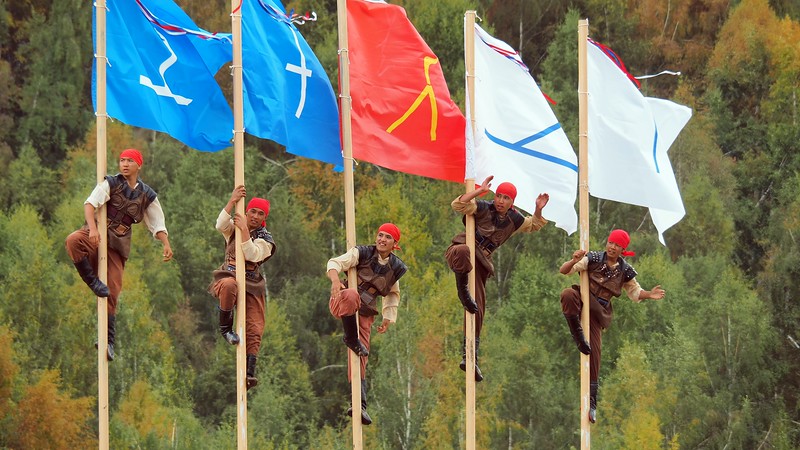
Great photos and vid – though I’m still jealous that you managed to catch the acrobat archers and I didn’t. Looking forward to more!
Hi, I’m really happy to read your post about my country. Thank you!!! Great post!) I hope you’ll enjoy in next World Nomad Games 2018. ☺
Amazing place and so stunning photos you shared of that place.
Thank you very much! We sure had a great time attending the games 🙂
Great post and so stunning photos you shared of that place.
Thank you very much! We had such good weather during the games and there was a lot for photographer to enjoy.
WOWOWOWOWWOWO!
Okay, I want to go to there.
This is amazing!
Thanks! It sure is an incredible event. I highly recommend attending 🙂
Wow what an amazing post. What an amazing place and event.Spectacular. Thank you Louise
Thank you Louise! It sure was an event we’ll never forget.