
Taiwan will always hold a special place in our hearts. It’s a place where the locals go out of their way to display enormous amounts of kindness to each and every foreigner they pass. It’s an island with chaotic night markets, sensational food, and garbage trucks that play Beethoven. Moreover, it’s a location with some of the most stunning and dramatic scenery we’ve ever encountered.
But not only does Taiwan boast a vibrant and inviting culture, it also has plenty of unique corners that promise to keep travelers inspired, engaged, and perhaps even confused. If a visit to Taiwan is in your future—and trust us, it should be—be sure to make time for these five offbeat destinations.
Five Offbeat Destinations in Taiwan Worth Exploring For Curious Travelers
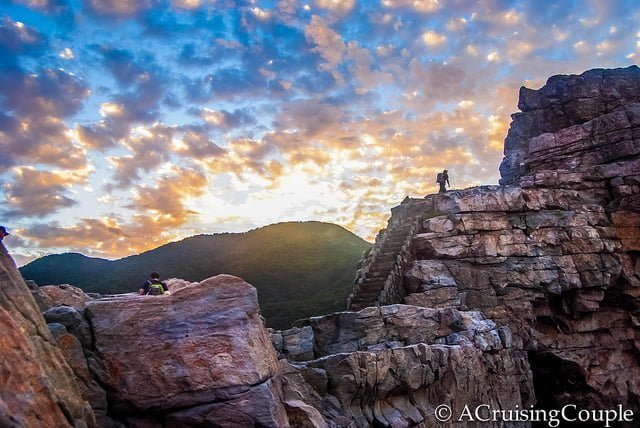
Long Dong: Dragon Cave
It’s only appropriate to start off with one of our favorite places in all of Taiwan. Located on the northeast coast, Long Dong (Dragon Cave) gets its name from the shape of the coastline, which resembles the body of a dragon. Spectacular sandstone crags rise 70 meters to the sky while crystal-clear waves crash upon the rugged, sun-baked rocks. Access to the base of the cliffs is only granted after following lengthy footpaths, which promise seclusion and isolation.
Long Dong is primarily known to the rock climbing community in Taiwan—and all of Asia—who flock to the cliffs to take on over 500 climbing routes. With options for sport climbs, trad, deep-water solo, and bouldering, both advanced climbers and beginners will be kept endlessly entertained. If viewing Long Dong from 70 meters high doesn’t exactly get you excited, there is also plenty of hiking and scuba diving to be had. Alternatively, bring your favorite book, find a comfy boulder, and enjoy the stunning surroundings.
Getting There
Reaching Long Dong is relatively straightforward but requires a bit of planning. From Taipei, you can take a bus from the Taipei Bus Station bound for Yilan or Luodong and get off at Long Dong Bay. The journey takes about 1.5 to 2 hours, offering scenic views along Taiwan’s rugged coastline.
Tip: If you’re carrying climbing gear, consider renting a car or hiring a taxi for convenience.
Activities and Attractions
- Rock Climbing: With over 500 routes, climbers can choose from various difficulty levels. The sandstone cliffs offer excellent grip and challenging overhangs.
- Hiking: Trails along the cliffs provide breathtaking views of the Pacific Ocean. Don’t miss the trail to Bitou Cape for panoramic vistas.
- Scuba Diving and Snorkeling: The clear waters are home to vibrant marine life, making it a paradise for underwater enthusiasts.
- Wildlife Watching: Keep an eye out for migratory birds and native wildlife that inhabit the area.
Best Time to Visit
The best time to visit Long Dong is from late spring to early autumn (April to October) when the weather is favorable for outdoor activities. However, summer can be hot and humid, so pack accordingly.
Accommodation and Facilities
There are limited accommodations in Long Dong itself, but nearby towns like Keelung and Ruifang offer guesthouses and hotels. For a more immersive experience, consider camping near the cliffs.
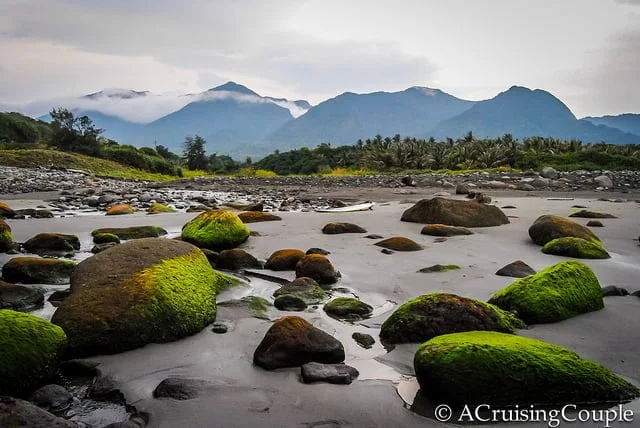
Dulan: Small Aboriginal Beach
Dulan is a small, aboriginal beach town 20 kilometers outside the large city of Taitung. Expats who have made it their home call it the Ubud, Bali of Taiwan, primarily for the burgeoning art and music scene originally cultivated by the local Ami Tribe. While the beach may not boast white sand, it does have some of the best surfing waves in all of Taiwan—hence why it is beginning to appear on the expat radar.
But because of its location on the southeast coast, few tourists or locals ever make the trek to Dulan, which promises ample surf space. Surfboards are easily rented from multiple bars and cafes down the town’s only main road. If you time your visit on a Saturday, be sure to visit the Old Sugar Factory, now a refurbished bar and café with live music. You’ll find the atmosphere in Dulan is notably different than the rest of Taiwan—slower and more relaxed.
Cultural Significance
The Ami Tribe, the largest indigenous group in Taiwan, has a rich cultural heritage deeply rooted in Dulan. Visitors can explore traditional crafts, music, and dances that reflect the tribe’s history and connection to nature.
Must-Visit: The Dulan Site, an archaeological location dating back over 3,000 years, offers insights into prehistoric Taiwan.
Activities and Attractions
- Surfing: Dulan Beach is a hotspot for surfers of all levels. The consistent waves and less crowded waters make it ideal for both beginners and seasoned surfers.
- Art and Music Scene: The town is dotted with art galleries and studios showcasing local artists. Live music events are common, especially on weekends.
- Old Sugar Factory (Dulan Sugar Factory): A hub for cultural events, art exhibitions, and performances. The venue transforms into a lively market on Saturdays with food stalls, handicrafts, and live bands.
- Cycling and Hiking: The surrounding areas offer scenic routes through rice paddies, coastal roads, and lush hills.
Local Cuisine
Dulan offers a variety of dining options, from traditional Ami dishes to fusion cuisine. Don’t miss trying:
- Millet Wine: A traditional alcoholic beverage made by the indigenous community.
- Seafood: Fresh catches from the ocean, prepared with local flavors.
- Aboriginal Delicacies: Such as wild greens, mountain boar, and rice cooked in bamboo tubes.
Accommodation
Options range from backpacker hostels and homestays to boutique guesthouses. Staying with a local family can provide an authentic experience and deeper understanding of the Ami culture.
Getting There
From Taitung, Dulan is accessible by bus or scooter. The scenic Highway 11 offers breathtaking coastal views and is popular among travelers.
Tip: Renting a scooter gives you the freedom to explore at your own pace.

Rainbow Village: Military Dependents Village
The Rainbow Village is a military dependents village, founded over 50 years ago. It has been transformed into the unique attraction it is today as a result of the talented Huang Yung-Fu, an 86-year-old who picked up his paintbrushes and personally covered the buildings with colorful animals and aboriginal-like people.
The majority of these drab, concrete houses have been demolished to make way for modern, high-rise complexes so common in cities across Taiwan. Luckily, thanks to the efforts of Huang Yung-Fu, the Rainbow Village will continue to be preserved. The village is quite small, so you won’t need much time to explore it fully; however, if you are in or around the nearby and popular city of Taichung, it is definitely worth the excursion.
The Story of Huang Yung-Fu
Known affectionately as “Grandpa Rainbow,” Huang Yung-Fu is a former soldier who took it upon himself to save his village from demolition. Starting with a simple brush and vibrant colors, he turned the drab concrete structures into a living canvas.
Impact: His artwork not only saved the village but also turned it into a symbol of perseverance and creativity.
Exploring the Village
- Artwork: The murals cover every inch of the village, including walls, doors, and even the ground. The images range from birds and animals to figures from Chinese folklore.
- Interactive Experience: Visitors are encouraged to take photos and immerse themselves in the colorful surroundings.
- Souvenir Shops: Support the village by purchasing postcards, prints, and other memorabilia featuring Grandpa Rainbow’s art.
Best Time to Visit
The village is open year-round, but visiting during weekdays can help you avoid the crowds. Early morning light enhances the vibrancy of the murals.
Getting There
Located in Taichung, the Rainbow Village is accessible by bus or taxi from the city center. Bus routes 27, 29, and 40 stop nearby.
Tip: Combine your visit with a trip to other Taichung attractions like the National Taichung Theater or the Fengjia Night Market.
Preservation Efforts
Thanks to public support and media attention, the Rainbow Village is now a protected cultural site. Donations and purchases help maintain the area and support Huang Yung-Fu’s mission.

Lion’s Head Mountain: Stunning Foothill
Shihtoushan, or Lion’s Head Mountain, is a stunning foothill located in the midst of dense jungle and bamboo forests. The main attraction at Lion’s Head Mountain is the Shihtoushan Historic Trail and its numerous temples built into the hills and tucked away in the caves. It is quite astonishing to contemplate how these temples were constructed, and why they were ever built in such a difficult place to access.
The most elaborate of all the temples is the Taoist Cyuanhua Hall, a three-story masterpiece where monks and nuns bustle about. Visitors can stay the night here, and the temple provides vegetarian meals in the cafeteria for around $2 USD. Allow at least three hours to wander about Lion’s Head Mountain, though it’s easy to spend longer; in addition to the paved Shihtoushan Historic Trail, there are ample walking and hiking paths that vary in difficulty and terrain.
Historical Significance
Lion’s Head Mountain has been a spiritual sanctuary since the Qing Dynasty. Monks and pilgrims have traversed these paths for centuries, seeking enlightenment and solitude.
Notable Temples:
- Cyuanhua Hall: A Taoist temple known for its intricate architecture and serene atmosphere. The three-story structure is carved into the cliffside, offering breathtaking views.
- Shengxing Station: An old railway station near the mountain, reflecting Japanese colonial architecture.
Activities and Attractions
- Hiking Trails: Multiple trails cater to different fitness levels. The main trail is well-paved, while others offer rugged terrain for seasoned hikers.
- Temple Stays: Experience monastic life by staying overnight in one of the temples. Participate in meditation sessions and enjoy vegetarian meals.
- Flora and Fauna: The area is rich in biodiversity. Keep an eye out for native bird species, butterflies, and unique plant life.
Best Time to Visit
Spring and autumn offer pleasant weather for hiking. Cherry blossoms bloom in spring, adding a splash of color to the lush greenery.
Getting There
Lion’s Head Mountain is located on the border of Hsinchu and Miaoli counties. From Taipei, take a train to Zhudong or Miaoli Station, then a bus or taxi to the mountain.
Tip: Wear comfortable hiking shoes and bring plenty of water and snacks.
Local Culture
The surrounding villages are home to Hakka communities. Explore traditional Hakka architecture and sample local delicacies like lei cha (ground tea) and Hakka rice cakes.

Taipei’s Theme Restaurants: Quirky Delights For Foodies!
Sorry guys—this one is a bit of a cheat because it’s a whole bunch of venues all wrapped up in one. However, no trip to Taiwan is complete without a visit to one of its theme restaurants. To understand why things like theme restaurants even exist, first you must know that it’s all about the cute, or ‘ke ai’, in Taiwan. The ‘cute factor’ extends into just about every realm of life, from fashion to names to relationships to food.
You mean food can be cute? Absolutely—although it’s not really the food as much as the general ambience that is essential. The most popular theme restaurant is the Modern Toilet, where seats are designed as toilets, tables as sinks, showerheads decorate the walls, and all food comes served in a miniature toilet bowl, including the signature chocolate swirl ice cream. However, if you prefer to keep your meals away from the washroom, try the theme restaurants devoted to Hello Kitty, Barbie, or ninjas.
The Culture of ‘Ke Ai’
In Taiwan, cuteness is more than an aesthetic—it’s a cultural phenomenon. This emphasis on playful and endearing themes permeates daily life, influencing everything from advertising to public transportation.
Notable Theme Restaurants
- Modern Toilet Restaurant:
- Concept: Dining in a bathroom-themed environment where seats are toilets, and food is served in mini toilet bowls.
- Menu Highlights: The signature chocolate swirl ice cream (resembling you-know-what) and hot pots served in toilet-shaped dishes.
- Experience: A lighthearted atmosphere that encourages laughter and photos.
- Hello Kitty Kitchen and Dining:
- Concept: A paradise for fans of the iconic cartoon character, featuring Hello Kitty-themed decor and dishes.
- Menu Highlights: Kitty-shaped waffles, cakes, and even hamburgers.
- Ambiance: Pink, cute, and filled with memorabilia.
- Ninja Restaurant:
- Concept: Enter a world of stealth and mystery with servers dressed as ninjas performing tricks.
- Menu Highlights: Japanese cuisine including sushi, tempura, and sake.
- Entertainment: Live performances and interactive experiences.
- Alice Is Coming:
- Concept: A whimsical journey into Wonderland inspired by Lewis Carroll’s classic tale.
- Menu Highlights: Tea party sets, themed pastries, and creative cocktails.
- Decor: Oversized playing cards, teacups, and murals depicting scenes from the book.
Why Visit These Restaurants
- Unique Experience: Beyond the food, it’s about immersing yourself in a different world.
- Great for Photos: Instagram-worthy moments at every turn.
- Fun with Friends and Family: Ideal for groups looking to add a memorable twist to their dining experience.
Tips for Visiting
- Reservations: Popular theme restaurants can get crowded; booking in advance is recommended.
- Budget: Prices may be higher due to the novelty factor.
- Cultural Etiquette: Embrace the experience with an open mind and respect for local customs.
Location and Accessibility
Most of these theme restaurants are located in Taipei’s bustling districts like Ximending, Zhongshan, and Daan. Easily accessible by metro or taxi.
Building Your Offbeat Taiwan Itinerary
If you’re already excited about Rainbow Villages, temple trails, surf towns, and toilet-themed restaurants, the next step is figuring out how all of this actually fits into a real trip.
The good news? Taiwan is compact, well-connected, and surprisingly easy to navigate once you get your bearings. The challenge is resisting the urge to cram every coast, mountain, and night market into one jet-lagged week.
Think of your itinerary in loops, not just straight lines:
- A north–central loop: Taipei, Long Dong, Taichung, Rainbow Village, Lion’s Head Mountain
- A full east-coast sweep: Taipei to Hualien, Taitung, Dulan, then circling back
- A Taipei hub-and-spoke setup: day trips to Long Dong, theme restaurants, and nearby hills
If you’re a first-timer, building your route around the offbeat spots above gives you a nice mix of weird, wild, and wonderfully local.
Sample 7-Day Offbeat Taiwan Route (North + Central)
Seven days isn’t a lot, but you can still weave in a few of these places without turning the trip into a marathon.
Quick Overview
| Day | Base | Main Focus |
|---|---|---|
| 1 | Taipei | Arrival, night market, MRT basics |
| 2 | Taipei | Long Dong day trip |
| 3 | Taipei | Theme restaurant + city wandering |
| 4 | Taichung | Transfer, Taichung city highlights |
| 5 | Taichung | Rainbow Village + Fengjia night |
| 6 | Hakka area | Lion’s Head Mountain hiking/temple |
| 7 | Taipei | Back to Taipei, last-minute eats |
Day 1–3: Taipei as Your Weird and Wonderful Base
Use Taipei as your soft landing:
- Get your EasyCard at the airport or any metro station
- Learn the MRT lines you’ll use the most (Blue, Red, Green)
- Ease into Taiwanese food with something approachable: dumplings, beef noodle soup, scallion pancakes
On one evening, book yourself into one of Taipei’s theme restaurants:
- Modern Toilet for ridiculous, slightly disturbing fun
- A character café if you’re into cute overload
- A ninja or fantasy spot if you prefer a bit of performance with your meal
Follow it up with a night market—Shilin if you want chaos, Raohe if you prefer something slightly more manageable.
Day Trip to Long Dong
Pick a clear-weather day for Long Dong.
- Head out early from Taipei by bus or car
- Pack water, snacks, and proper shoes (the rocks are unforgiving if you go wandering in flip-flops)
- Even if you’re not climbing, you can hike along the cliffs, watch climbers dangle above the sea, and find a quiet rock to claim for an hour or two
If you’re climbing, consider:
- Booking a local climbing guide if you’re new to sea cliffs
- Bringing a windbreaker; the coastal breeze can chill you faster than you think
- Time your exit before dark—the paths back to the road aren’t fun by headlamp unless you’re very familiar with the area
Back in Taipei, reward yourself with a hotpot, late-night dessert, or yet another bubble tea. You’ve earned it.
Stretching to 10–14 Days: Adding the East Coast and Dulan
With 10–14 days, you can slow things down and add Taiwan’s sleepy southeast coast into the mix.
Suggested Flow
- Days 1–3: Taipei + Long Dong + theme restaurant
- Days 4–5: Taichung + Rainbow Village
- Days 6–8: Dulan and the Taitung area
- Days 9–10: Lion’s Head Mountain and Hakka country
- Days 11–12+: Extra time in Taipei or another side trip (Taroko Gorge, Alishan, or a small offshore island)
Why Dulan Deserves a Few Nights
Dulan isn’t a place you “do” in two rushed hours. It’s a town that makes much more sense when you give it three slow days:
- One day to just arrive: find your guesthouse, learn the rhythm of the waves, watch local surfers on the beach
- One day to surf or hang out in cafés, browse tiny art studios, and wander the Old Sugar Factory
- One day to explore the coastline by scooter or bicycle, stopping at viewpoints, small temples, and half-forgotten beaches
Expect late breakfasts, conversations with local artists, and evenings that drift into live music without much planning. That’s the whole point.
Getting Around Taiwan Without Overcomplicating It
Taiwan’s transport system is efficient, but the options can look overwhelming at first—TRA, HSR, buses, taxis, scooters. You don’t need to master it all; you just need to know when to use what.
Big Picture: Which Transport When?
| Situation | Best Option | Why It Works |
|---|---|---|
| Taipei city & nearby suburbs | MRT + buses | Cheap, frequent, easy to understand |
| Long-distance between major cities | HSR or TRA express | Fast and comfortable |
| East coast scenic travel | Regular TRA trains | Slow but beautiful |
| Reaching smaller towns / trailheads | Local bus + taxi | Flexible and affordable in combination |
| Exploring Dulan / rural coastal areas | Scooter or bicycle | Freedom to stop whenever you like |
Trains: HSR vs Regular TRA
- HSR (High-Speed Rail) runs down the western side of the island, connecting Taipei to Taichung, Tainan, and Kaohsiung quickly. Great for getting from A to B fast.
- TRA trains (the regular rail network) circle the island and are your friend when heading to Taitung, Dulan, Hualien, and smaller towns.
If you’re short on time:
- Use HSR west, TRA east
- Book popular routes in advance on weekends and holidays, but don’t stress too much on regular weekdays
Buses and Local Transport
Long-distance buses can be extremely comfortable, often with reclining seats and good air-con. They’re handy for:
- Taipei to Taichung
- Taipei to smaller places not directly on the HSR line
- Getting into the hills where there’s no train access
Within cities, buses fill in the gaps left by the MRT. If you’re confused, don’t be shy about:
- Showing the driver a screenshot or written destination
- Using a translation app if needed
- Tapping in/out with your EasyCard instead of dealing with cash
Scooters: Freedom With a Few Caveats
Renting a scooter in places like Dulan or along Highway 11 feels like a rite of passage, but it shouldn’t be taken lightly.
Think carefully about:
- Licenses and insurance – many rentals technically require a valid motorcycle license; some check, some don’t
- Road conditions – coastal roads can be windy, wet, and busy with trucks
- Your experience level – if you’ve never ridden before, Taiwan’s hills and traffic are not the best classroom
If you do rent:
- Always wear a helmet
- Avoid riding in heavy rain or at night on unfamiliar roads
- Start with short rides; build up to longer coastal stretches once you’re comfortable
Budgeting for an Offbeat Taiwan Trip
Taiwan isn’t ultra-cheap or ultra-expensive. It lives in that sweet spot where you can eat like royalty and ride trains all day without your wallet bursting into tears.
Here’s a ballpark daily budget (excluding flights) to help you plan.
| Travel Style | Daily Budget (Approx.) | Accommodation | Food & Drink | Transport & Activities |
|---|---|---|---|---|
| Budget | US$40–60 | Hostels, homestays, dorms | Street food, simple local eateries | TRA trains, buses, occasional entry fees |
| Mid-Range | US$70–120 | Guesthouses, boutique hotels | Mix of local spots & nicer restaurants | HSR/TRA, taxis, surf/gear rental, tickets |
| Comfortable | US$130–200+ | Stylish hotels, temple stays | Sit-down restaurants, cafés, bars | More taxis, private tours, specialty experiences |
Roughly speaking:
- Meals at local joints are very affordable
- Night markets are dangerous only to your self-control, not your bank account
- Theme restaurants and cafés cost more, but they’re mainly about the experience
- Climbing, surf lessons, and temple stays can add up, so factor a little buffer for activities
If you’re combining city days with slower coastal stretches, you’ll probably end up somewhere in the budget–mid range mix naturally.
When to Visit Taiwan’s Offbeat Corners
Taiwan’s seasons can be confusing if you’re coming from somewhere with neat spring–summer–autumn–winter boxes.
General Seasonal Feel
- Late October to early April: Cooler, sometimes rainy, comfortable for hiking and walking
- May to June: Warmer, more humid, some rain, still good for most activities
- July to early September: Hot, sticky, intense sun, and the possibility of typhoons
- Typhoon season: Rough seas, heavy rain, and transport disruption are all possible
For a trip that mixes Long Dong, Dulan, and mountain trails:
- Spring and autumn are the sweet spots
- Summer is great if surfing and beach time are your priority, but build in backup plans for bad-weather days
- Keep a casual eye on weather alerts, especially when heading to coastal cliffs or exposed hiking areas
Common Mistakes to Avoid on Your First Taiwan Trip
To wrap things up, a few gentle warnings from the road.
Trying to See the Whole Island in a Week
Taiwan is small on the map but big in experiences. If you try to:
- Do Taipei, Taroko, Alishan, Sun Moon Lake, Kenting, Dulan, and all five offbeat spots in seven days…
You’ll remember more bus seats than sunsets.
Pick a region or two and commit. North + central, or north + east coast, works much better than chasing every famous name.
Underestimating the Weather
Clouds roll in fast, especially on the coast and in the hills:
- Don’t hug cliff edges when the wind picks up
- Don’t assume a “light drizzle” will stay that way all afternoon
- Pack a compact umbrella and a light rain jacket, even if the forecast looks bright
Overconfidence With Scooters
Scooters look like fun (and they are), but:
- Don’t learn to ride in busy traffic on day one
- Don’t ride after sunset on unfamiliar mountain or coastal roads
- Don’t skip the helmet, even for “just a quick spin”
Treating Theme Restaurants Like Gourmet Experiences
Go in for:
- The laughs
- The photos
- The absurdity
Not for the best meal of your life. If you get a decent plate of food and a ridiculous story to tell afterwards, that’s a win.
Offbeat Taiwan rewards curiosity. The more you step away from the obvious stops and give yourself time to breathe—on a surfboard in Dulan, on a temple balcony at Lion’s Head Mountain, on a rock ledge in Long Dong—the more the island opens up.
Build a loop that makes sense for you, travel slowly enough to actually feel the places you visit, and leave just enough undone so you have a reason to come back.
Offbeat Taiwan Destinations FAQ: Key Questions, Honest Answers & Practical Trip-Planning Tips
How many days do I need to visit these offbeat Taiwan destinations without rushing?
It depends. If you only have a week, you can still squeeze in Taipei, Long Dong, Rainbow Village and Lion’s Head Mountain, but you’ll need to be selective and keep Dulan for a future trip. For a more relaxed loop that includes Taipei, Taichung, Rainbow Village, Lion’s Head Mountain and a couple of easy side trips, 7–10 days feels about right. If you want to add the east coast and slow down in Dulan, I’d aim for 10–14 days so you’re not living on trains and buses the whole time.
What’s the best season to visit Long Dong, Dulan, and Taiwan’s east coast?
Honestly, spring and autumn are the sweet spots. From roughly March to May and late September to November you usually get warm but walkable temperatures, fewer brutal heat waves, and slightly more stable weather for cliffs, hiking and surfing. Summer can be great for beach time and long evenings, but it’s hot, humid, and comes with a higher chance of typhoons disrupting coastal plans. Winter is cooler and comfortable for walking, but the northeast coast around Long Dong can be windier and wetter than the rest of the island.
Can I explore these Taiwan spots using only public transport, or do I need to rent a car?
Yes. You can absolutely do this style of trip on public transport alone. Taiwan’s trains and buses connect Taipei, Taichung, Hualien, Taitung and most jumping-off points for the places in this article, and you can fill the gaps with short taxi rides or occasional scooter rentals. A car adds flexibility if you’re travelling as a group or have mobility issues, but it’s not essential; most visitors get by just fine with a mix of MRT, regular trains, buses and the odd ride-share or taxi.
Do I need to speak Mandarin to visit places like Dulan, Lion’s Head Mountain, and Rainbow Village?
Nope. It definitely helps to know a few basic phrases, but you don’t need to be fluent to enjoy these spots. In practice you’ll be combining English signs, hand gestures, translation apps, and the fact that many younger Taiwanese speak at least some English. Bus and train stations usually have English information, and guesthouse owners are often used to foreign visitors. Download an offline map, keep key place names written in Chinese on your phone, and you’ll be fine.
Is climbing at Long Dong suitable for beginners, or should I already have experience?
It depends. Long Dong is a world-class sea cliff climbing area, which means amazing routes but also exposure, wind and waves that can feel intense if you’re new. If you already climb indoors or outdoors, you’ll have a fantastic time here by booking a local guide or joining an organised trip instead of trying to figure it all out on your own. Total beginners can still experience the cliffs through intro courses and guided top-rope sessions, but I wouldn’t recommend turning up solo with zero climbing background and expecting an easy day out.
Is Dulan a good base for first-time surfers in Taiwan?
Absolutely. Dulan has a laid-back surf-town vibe, rental shops that are used to beginners, and a mix of waves that can suit different levels depending on the swell. If you’ve never surfed before, plan on booking at least one proper lesson so someone can help with board choice, currents and basic safety. Outside of the water there’s enough going on—cafés, small bars, art studios and coastal viewpoints—that non-surfers and “I’m-just-here-for-the-beach” friends won’t be bored either.
How easy is it to visit Rainbow Village from Taichung on a DIY day trip?
Very. Rainbow Village sits on the edge of Taichung and is easy to combine with other city highlights in a single day. You can hop on a local bus, use the metro plus a short taxi, or just grab a ride-share from central Taichung if you want to keep things simple. The village itself is small, so you don’t need more than an hour or two there; the rest of the day can be filled with parks, museums, cafés and a night market. It’s one of the lowest-effort offbeat stops in the whole itinerary.
Can older travelers or people with limited mobility enjoy Lion’s Head Mountain?
Partly. The main historic trail has paved sections, railings and rest spots, and you don’t have to complete the whole route to get a feel for the temples and scenery. That said, there are plenty of steps, some uneven sections, and occasional steeper climbs, so anyone with knee issues, balance problems or heart concerns should plan conservatively. A realistic approach is to focus on the more accessible temples near the trailheads, take lots of breaks, and skip the more rugged side paths if mobility is a concern.
Are Taipei’s theme restaurants worth it, or are they just tourist traps?
Both. If you go in expecting mind-blowing food, you’ll probably be disappointed; if you go in expecting a ridiculous atmosphere, themed décor and a good story to tell later, you’ll have a blast. I treat theme restaurants as entertainment first and dinner second: fun for a single meal, especially with friends or kids, and then I save my serious eating for night markets and local joints. Book ahead for the most popular spots and budget a bit extra, since you’re paying for the concept as much as the menu.
Is Taiwan generally safe for solo travelers, including solo female travelers, in these offbeat areas?
Yes. Taiwan consistently feels like one of the safest places to travel, and that carries over into the offbeat stops in this article. Violent crime against tourists is rare, people are generally helpful, and public transport is clean and well-organised even at night. The usual common sense still applies—watch your belongings on crowded buses and trains, avoid wandering down unlit alleys alone at 3 a.m., and be extra cautious around cliffs, surf and mountain roads—but safety is one of the big reasons many travellers fall in love with Taiwan.
What’s a realistic daily budget for an offbeat Taiwan trip that includes places like Dulan and Long Dong?
Realistically, most travellers will land somewhere between budget and mid-range. If you’re sharing hostel dorms or simple guesthouses, eating mostly local food and using trains and buses, you can keep things in a lower daily range and still do quite a lot. If you prefer private rooms, café time, the occasional theme restaurant and a few paid activities like climbing sessions, temple stays or surf lessons, your daily spend will creep up into a comfortable mid-range. The nice thing about Taiwan is that the “extras” like transport and street food tend to be good value compared to many other destinations.
Do I really need an International Driving Permit to rent a scooter in Taiwan?
Officially, yes. In theory you’re supposed to have both a valid licence from home and, in many cases, an International Driving Permit that includes motorcycle or scooter entitlement. In reality, some rental shops are very relaxed and will hand over keys with only a basic licence or sometimes just a passport, but that doesn’t mean you’re legally covered if something goes wrong. For your own safety and insurance, I’d treat an IDP plus the correct licence category as non-negotiable, especially if you’re planning to ride more than a couple of short, slow trips.
What should I pack specifically for an offbeat Taiwan itinerary like this?
Layers. You’ll move between humid coasts, breezy cliffs and cooler hills, sometimes in the same day, so having a light jacket, breathable shirts and something that dries quickly makes a big difference. Pack sturdy walking shoes or trail runners for Lion’s Head Mountain and Long Dong, plus sandals or flip-flops for beaches and guesthouses. A compact umbrella, light rain jacket, sun hat, reef-safe sunscreen, a small daypack and a reusable water bottle all earn their place in your bag. If you’re planning to climb or surf, bring any personal gear you really care about and just rent the rest locally.
Is this kind of offbeat Taiwan itinerary suitable for families with kids?
Usually. Rainbow Village, Taipei’s theme restaurants, gentle coastal walks and easy sections of Lion’s Head Mountain can be fantastic with kids, especially if you build in snack stops and plenty of breaks. Dulan works well for families who are comfortable around the ocean and happy with a slower rhythm of beach time, cafés and low-key exploring. The main things to watch are steep drops near cliffs, rough surf on windy days, and long travel legs that might be tough on very young children. If you plan conservatively and keep a flexible schedule, an offbeat Taiwan trip can be a really fun family adventure.
How would you combine these offbeat Taiwan stops with big-name sights like Taipei, Taroko Gorge, or Alishan?
Easy. One option is a north–central loop where you base in Taipei for Long Dong and theme restaurants, then head to Taichung for Rainbow Village and finish with Lion’s Head Mountain before looping back. With more time you can extend down the east coast to Hualien for Taroko Gorge, continue to Taitung and Dulan, and then either cut back inland or circle the island. Alishan slots nicely into a longer west-side or central itinerary if you’re already passing through Chiayi. The trick is to choose one or two “big hitters” and then sprinkle the offbeat stops around them instead of trying to do absolutely everything in one go.
Connect With Dan and Casey
These are just five of our tips for experiencing Taiwan like a pro. To catch more ideas for eating, living and traveling in Taiwan, be sure to download our free eBook, 101 Tips to Living in Taiwan.
Dan and Casey are two lovebirds slowly, indefinitely traveling the world. They share practical travel tips, top-notch travel photography and inspiring travel tales on their blog http://acruisingcouple.com. When they aren’t on the computer, you can find them training for marathons, cross-country cycling, and drinking wine, though not normally at the same time. Connect with A Cruising Couple on facebook and twitter for more travel tips and special travel deals!
I’m not sure if the last comment I posted went through, so I guess I’ll just try again…
Great article! I’ve been living here for over 2 years teaching English and exploring all the best spots around the island. I am starting to write articles about my adventures and discoveries around Taiwan, you should check out my most recent post about the mango farmers in Tainan that saved me during CNY:
http://mytefl.net/blog/teaching-in-taiwan-farmers-saved-us/
I will be posting more about some amazing hidden locations in Taiwan soon!
Stumbled upon your site whilst preparing my itinerary for my trip to Taiwan. I’m a hobbyist photographer and I guess I’m also a foodie of sorts. Where do you think is best for me to visit?
The rainbow village is so colorful. I would really like to visit this place.. Thanks for the information. 🙂
You’re very welcome 🙂
It was nice reading about Taiwan. Some of the pics and names of places like Long DONG! was kind of amusing:) cheers
Long Dong translates into Dragon Cave but be careful if you’re trying to google image it :-/
I’ve never been there but when I saw Rainbow Village, I have started to think to go there whenever I get time to visit there. MY favorites would be Rainbow Village!!!
We really enjoyed the rainbow village as well! It has such an interesting story behind it as well.
Long Dong has been added to the list. Just from that one picture the place looks amazing.
It is a very pretty spot.
Long Dong must be beautiful, love the photo! it seems a really nice place to do some hiking. congrats for the post! ciao from Italy, Andrea
Long Dong is definitely our favorite spot in Taiwan (mostly because Dan in the rock climber.) It is quite wild 🙂
I’ve never been to Taiwan but it sure looks interesting. A trip to Lion’s Head Mountain sounds very interesting.
You could imagine how amazed we were when we came over the top to see the view 🙂
Very interesting post! Didn’t know all this about Taiwan. We luv hiking, so Lion’s Head Mountain holds definite appeal for us. BTW – Your photos are luscious!
Thank you! A cruising couple are talented photographers 🙂
Thanks! Taiwan has loads of hiking throughout the island. Our favorites were Lion’s Head Mountain and Teapot Mountain (in the Northeast region)
Hiking Long Dong looks fun and that’s a great photo of the sunset! Taiwan is on my list of places to hike after I leave Korea. Are prices for diving in Taiwan pretty reasonable or would it be better to go to Thailand?
Thanks Adventure Strong! If you’re headed to Thailand, I would recommend waiting until you get there to dive. It’s affordable, however the diving really isn’t that great when compared to Thailand 🙂
Cool, thanks Dan. I won’t be able to head there until after I leave Korea next summer.
I never thought Taiwan has this gorgeous places. Planning to travel Asia next year and I’d love to include Taiwan. Thanks for sharing!
Our pleasure! Hope you make it there- you won’t be disappointed!!
Absolutely brilliant suggestions! Thank you so much for this post! I can’t wait to follow up and explore each area in detail!
Thanks Mary! Glad you enjoyed it and let us know how you find each place 🙂
All 5 places are spectacular! Loved the pictures! Taiwan is a gem which is quite unsung.
Thanks Renuka! We agree- Taiwan certainly doesn’t get the credit it deserves. Hope more travelers will continue to discover its beauty!
I remember reading about those bathroom themed restaurants about a year ago. How the heck did that catch on? Thanks for the post, I didn’t know there was such a variety of places in Taiwan.
Isn’t it crazy? We weren’t a huge fan of the Modern Toilet restaurant, but it was certainly better than the Barbie themed restaurant ;-P We’ve heard their curry is actually quite good, though I’m not sure I could get over eating it out of a toilet bowl.
Thanks for some good suggestions! I’m currently planning my trip to Taiwan, so I’ll have to check out some of these places.
Great! Let us know if you need any more suggestions. After living there for two years we have lots of tips 🙂 You’ll love it!
Thanks guys! As I start planning my trip more in detail, I’ll probably be shooting a few e-mails your way 🙂
I really Love seeing the beautiful places you have been!And your writings of your adventures!
Thanks Michele!
What a find. I’m so glad to be introduced to your blog through Nomadic Samuel. Your recommendations look spot-on and I look forward to checking out more of your posts. Your photography is glorious!
Thanks Joanne,
I was really impressed with their photography as well 🙂
Thanks so much Joanne! We’re happy to hear you enjoyed it 🙂
I am happy to see that you started with Long dong on your list because to me it is the best destination in Taiwan made famous by it’s abundant marine life and tropical fish. Snorkeling and scuba diving also thrives in Lond Dong.
Thanks Raymond,
I think in general Taiwan has so many attractions and destinations worth visiting.