
El Chaltén is one of the only places on Earth where you can go from “buying snacks” to “approaching world-famous granite needles” in the same casual mood. The trailheads are basically in town, the views are ridiculous, and the whole setup makes you think you’re about to have a wholesome little nature day.
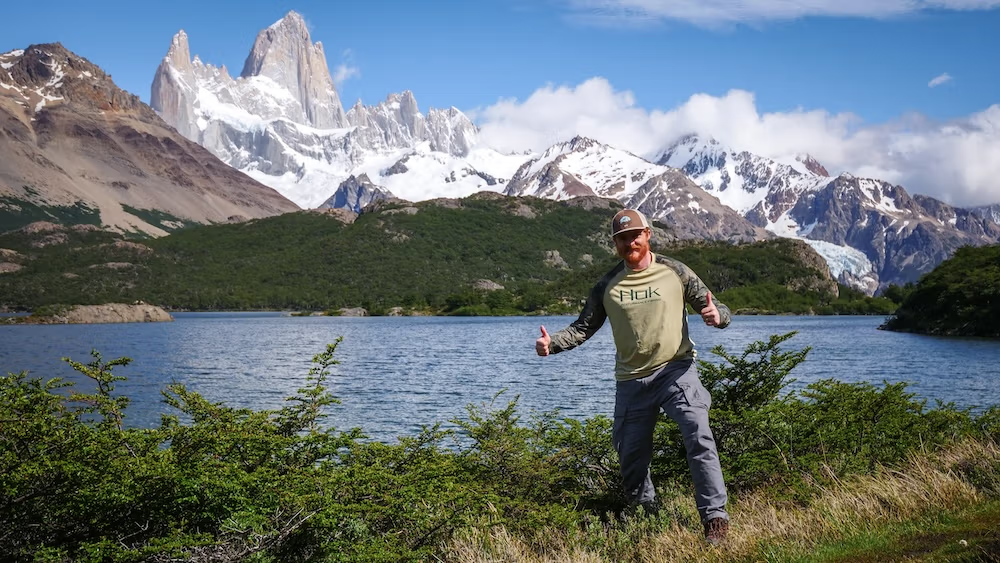
And then—politely & efficiently—El Chaltén humbles you. Not spiritually. Physically. In the knees.
Audrey and I stayed almost a week in El Chaltén together, and the biggest lesson wasn’t “do the biggest hike.”
It was this: a week turns El Chaltén from a high-stress, one-shot gamble into a cozy basecamp routine.
You stop sprinting after the perfect view and start building a rhythm: big hike days when the sky cooperates, easy days when the wind is doing its patented Patagonia tantrum, and town days that feel like part of the trip instead of “wasted time.”
This post is our honest, slightly ridiculous, very practical guide to what a week actually feels like: the pros, the cons, the tricks, the food, the pacing, and the decisions that matter.
The big idea: why a week changes everything
El Chaltén is the trekking capital of Argentina, but it’s also the capital of weather mood swings. A short trip (2–3 nights) forces you into “whatever happens, happens.” A week lets you play the long game properly:
- You can wait for the best we weather day to do your biggest hike.
- You can recover like a normal human being (instead of limping onto a bus).
- You can keep the trip fun even when the mountains disappear behind clouds.
The result is more views, less stress, and a surprisingly satisfying daily routine: breakfast, pack snacks, choose a trail, earn dinner.
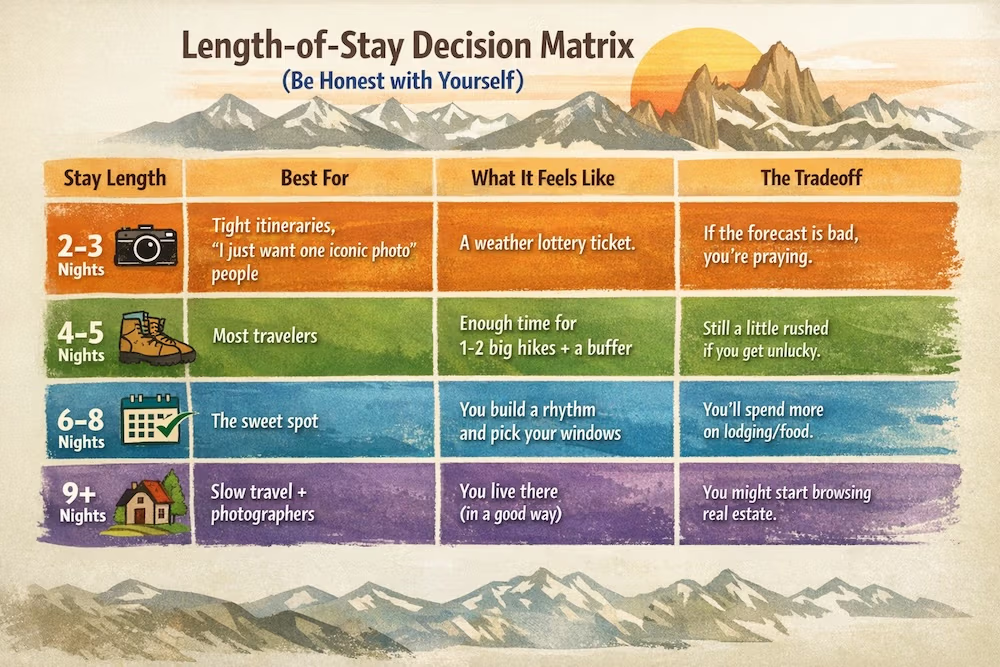
Length-of-stay decision matrix (be honest with yourself)
| Stay length | Best for | What it feels like | The tradeoff |
|---|---|---|---|
| 2–3 nights | Tight itineraries, “I just want one iconic photo” people | A weather lottery ticket | If the forecast is bad, you’re praying. |
| 4–5 nights | Most travelers | Enough time for 1–2 big hikes + a buffer | Still a little rushed if you get unlucky. |
| 6–8 nights | The sweet spot | You build a rhythm and pick your windows | You’ll spend more on lodging/food. |
| 9+ nights | Slow travel + photographers | You live there (in a good way) | You might start browsing real estate. |
If your goal is “Laguna de los Tres on a clear day,” you want time on your side. That’s the whole secret.
🧾 Quick Booking: Your El Chaltén Travel Essentials 🥾✨
🎒 Your Travel Toolkit (Book These 4 Things)
| ✅ What to book | 💡 Why it’s worth it | 🔗 Quick link |
|---|---|---|
| 🥾 Tours & experiences | Easy way to lock in a glacier day, a Lago del Desierto adventure, or a guided option when weather turns moody | Browse El Chaltén tours on Viator |
| 🏨 Hotels & stays | El Chaltén sells out fast in peak season — booking early = better locations + fewer “only the priciest rooms left” moments | Find El Chaltén hotels on Booking.com |
| 🚗 Car rentals (optional) | Best for freedom days: Ruta 40 viewpoints, flexible timing, photo stops, and a smoother Lago del Desierto run | Compare car rentals in El Calafate (gateway to El Chaltén) on DiscoverCars |
| 🚌 Bus tickets | The classic El Calafate ↔ El Chaltén route is simple — but popular departure times fill up | Book El Calafate → El Chaltén buses on Busbud |
👉 One-click backup (reverse direction): Book El Chaltén → El Calafate buses on Busbud
What a week in El Chaltén actually feels like (the rhythm)
A week in El Chaltén doesn’t feel like “seven equal days.” It feels like a little system: weather runs the government, your legs file formal complaints after big hikes, and time stretches because the daylight is borderline absurd (summer sunrise around 5 a.m., sunset as late as 10:30 p.m.). That’s the magic and the trap. You think you’re going to be a hiking machine on steroids, and then Patagonia taps the “wind” button and you’re suddenly reduced to the following around town: Café + Pastry + Staring Out the Window.
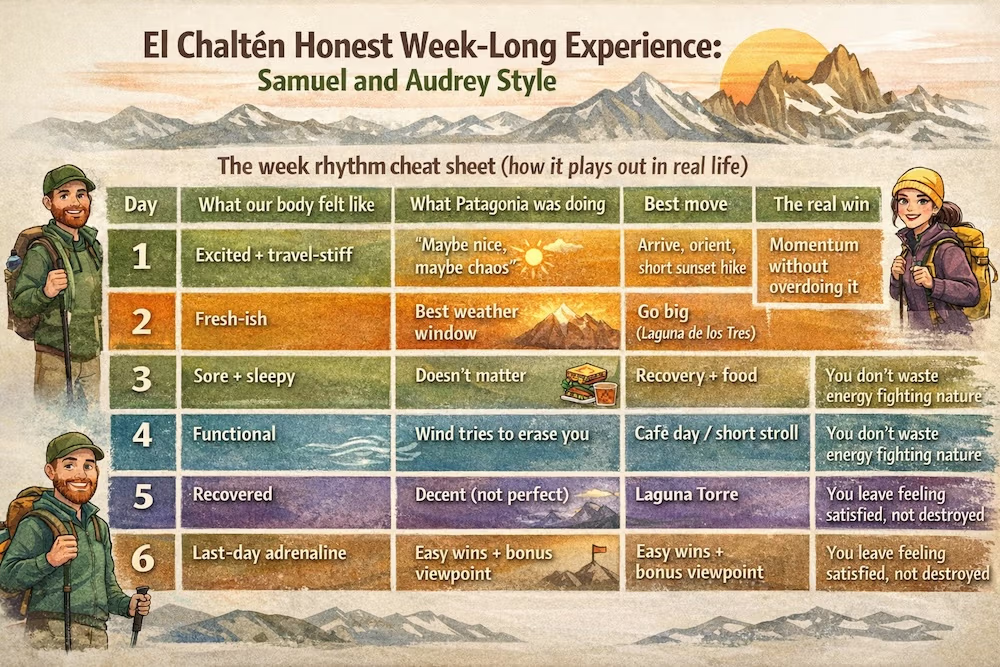
Before we get into the day-by-day, here’s the secret: our “almost-week” worked because it had spacing and pacing. We weren’t trying to brute-force El Chaltén like a long weekend warrior. We had six nights, which meant we could actually use the best weather window for the biggest hike, recover and lick our wounds, and still get in another classic route.
The week rhythm cheat sheet (how it plays out in real life)
| Day | What our body felt like | What Patagonia was doing | Best move | The real win |
|---|---|---|---|---|
| 1 | Excited + travel-stiff | “Maybe nice, maybe chaos” | Arrive, orient, short sunset hike | Momentum without overdoing it |
| 2 | Fresh-ish | Best weather window | Go big (Laguna de los Tres) | The iconic payoff day |
| 3 | Sore + sleepy | Doesn’t matter | Recovery + food | You bounce back faster |
| 4 | Functional | Wind tries to erase you | Café day / short stroll | You don’t waste energy fighting nature |
| 5 | Recovered | Decent (not perfect) | Laguna Torre | Big hike that doesn’t wreck you |
| 6 | Last-day adrenaline | “Do what you can” | Easy wins + bonus viewpoint | You leave feeling satisfied, not destroyed |
Day 1: Arrival, orientation, and a sunset appetizer hike
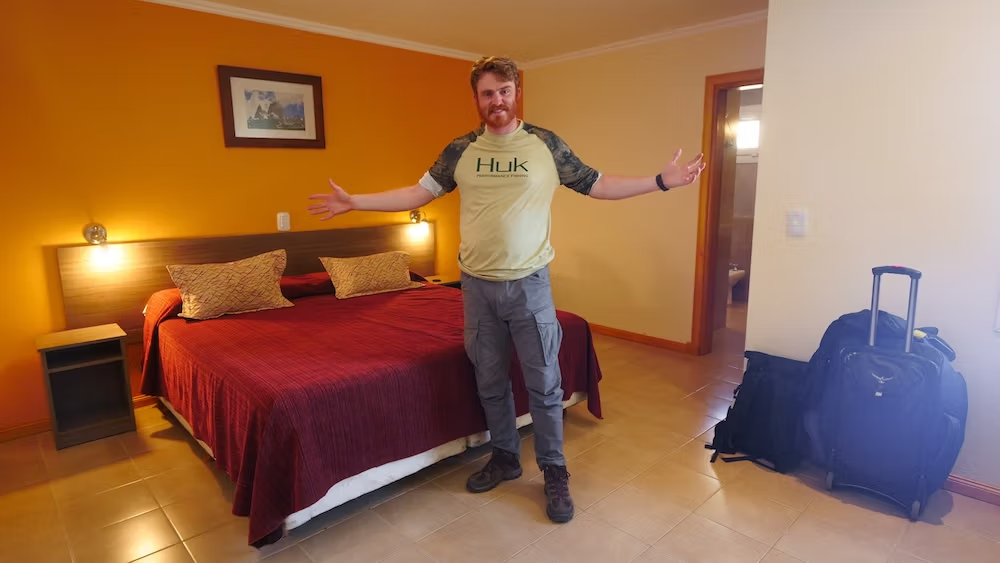
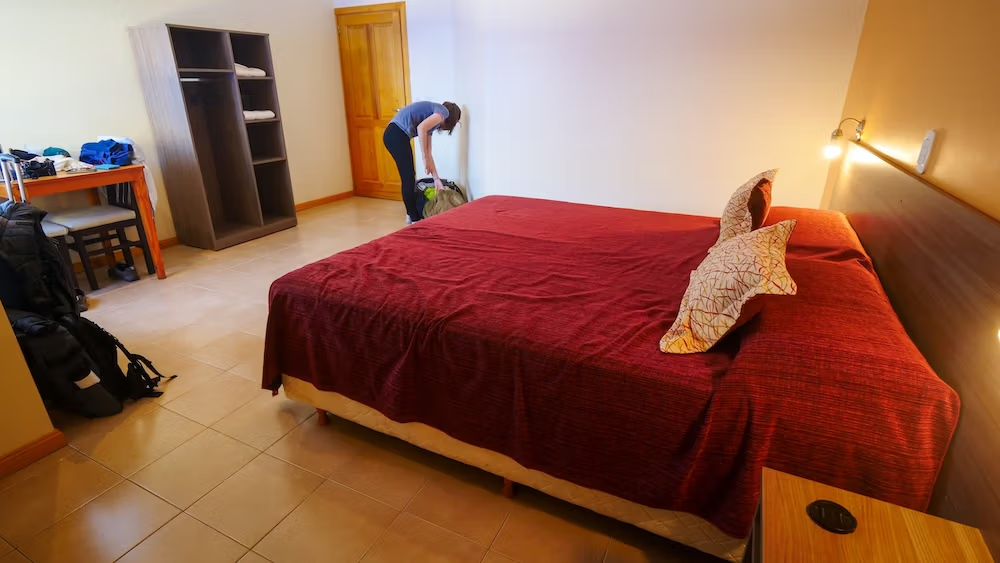
Our arrival day started the way most El Chaltén arrival days start: a bus ride from El Calafate, the kind that feels like a scenic tour because Patagonia unabashedly insists on showing off. We rolled in, noticed immediately that the town is compact and walkable, and appreciated not having to do some “taxi negotiation mini-game” just to reach our accommodation. Audrey and I stayed at Vertical Lodge, and I’m not exaggerating when I say the room was a spacious surprise—big bed, big bathroom, and a proper desk for editing (which, if you create content on the road, is basically luxury).
Then El Chaltén immediately hit us with its first “welcome to the edge of the world” lesson: logistics are simple, but supplies can be weird. The grocery situation felt more like a general store vibe than a “we are about to build a perfect hiker picnic spread”, and prices/selection were…let’s say “limited enthusiasm.” We found fruit, but we also found ourselves doing that traveler math where you stare at an apple and think, this apple has a higher net worth than I do.
And then there was the internet, which—how do we put this politely—operates on a spiritual level. Mobile data struggled, Wi-Fi was flaky, and the universe gently reminded us that El Chaltén is not a place you come to refresh Gmail every 90 seconds. (There is Wi-Fi around town, but you might need patience and a willingness to stand in one specific spot like you’re trying to summon a signal with interpretive dance.)
Our Day 1 move was the exact kind of “week-style” decision that makes everything smoother:
- Get settled (and do the boring stuff like charge batteries, organize gear, and accept that you will be hand-washing laundry like a frontier settler at some point)
- Get a feel for town
- Do a short hike with an unfairly good payoff
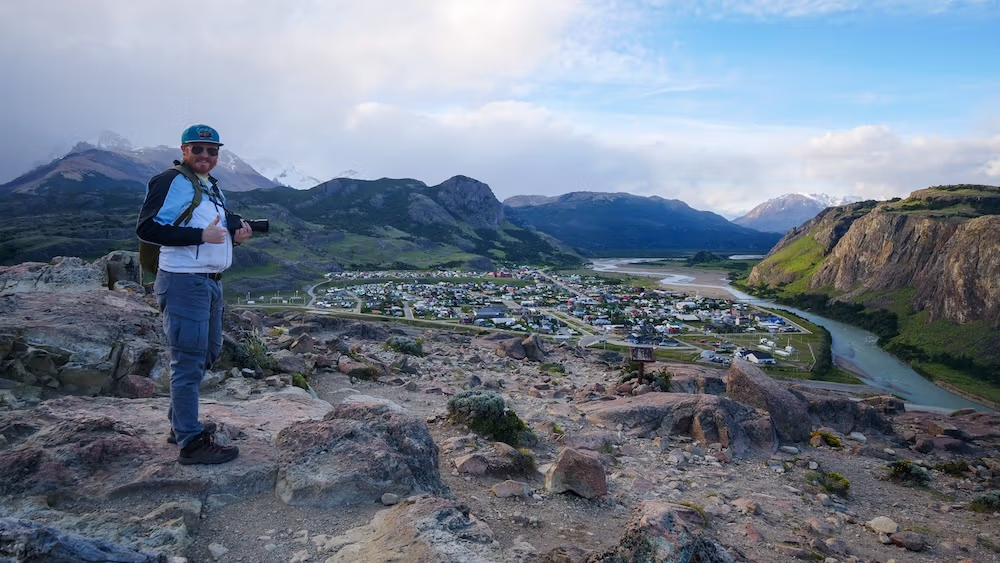
So we did Mirador de los Cóndores near sunset: short, steep enough to remind you that yes, you have legs, and scenic enough to make you feel like you’ve already “arrived”. The views are the kind where the town looks like a colorful little frontier outpost tucked into a dramatic valley, surrounded by mountains. It’s also a perfect place to meet Patagonia wind for the first time. Patagonia doesn’t whisper. Patagonia shoves.
Week takeaway: Day 1 is about momentum, not heroics. You want to go to bed feeling like you “touched the place,” not like you emptied the tank before the real hiking starts. And because daylight runs late in summer, you can do this without stress—the sunset schedule gives you permission to ease in.
Day 2: The big one (Laguna de los Tres) on the best weather day
This is where staying longer pays for itself. When you have more days, you can treat the forecast like a boss fight strategy guide. You wait, you watch, and when the best window shows up, you cash in your chips on the hike you care about most.
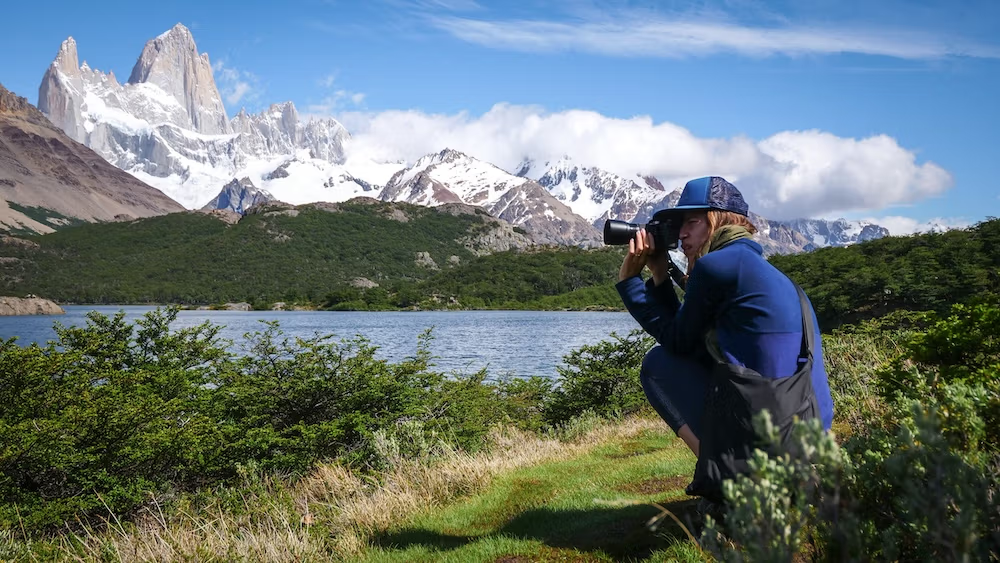
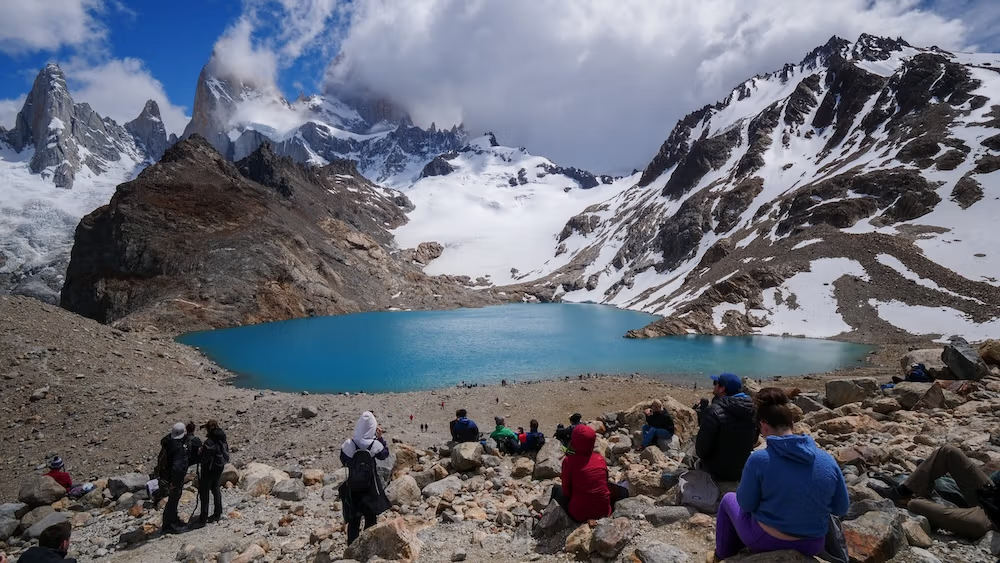
For us, that was Laguna de los Tres—the Fitz Roy classic, the crown jewel, the hike that turns ordinary people into adventurers. We started with the mindset of “Laguna Capri for sure, and then maybe Laguna de los Tres if we’re feeling ambitious,” because we were also painfully aware of our true identity: foodies masquerading as hikers. The early part of the day felt glorious—clear skies, Fitz Roy looking ridiculous even from town, and that dopamine hit you get when you realize you’re actually doing the thing.
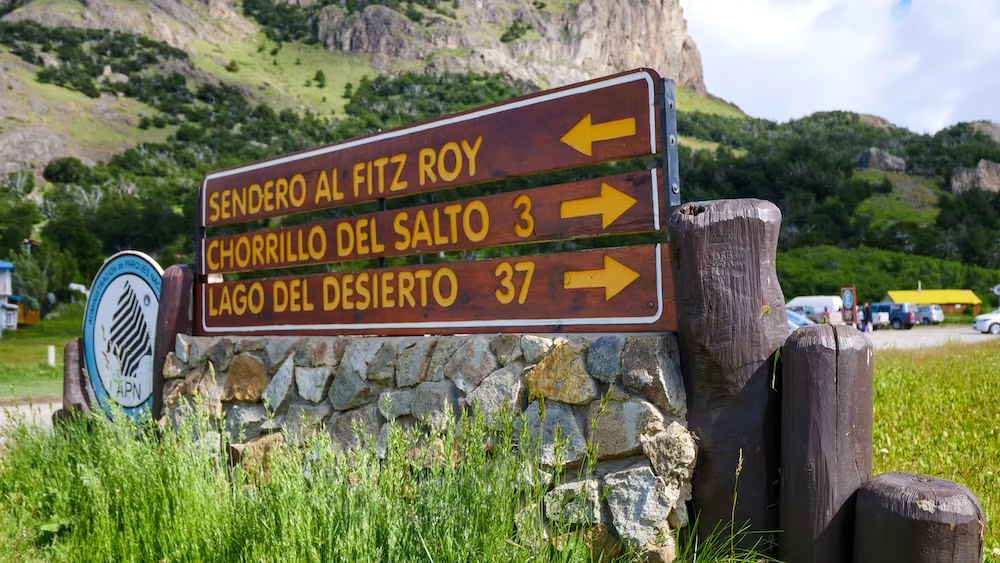
One of the most practical (and sanity-saving) things about trekking in El Chaltén is the kilometer markers. They turn a long hike into bite-sized progress: “Okay, we’re at kilometer three, we’re moving, we’re alive.” It helps you decide whether you’ve got time for side viewpoints, whether you need to turn around, and whether you should stop telling yourself comforting lies like “the hard part is probably almost over.” (The markers are also extremely honest.)
Also: lunch logistics. A lot of places offer a lunchbox if you order the night before, which is incredibly convenient when you don’t have a kitchen setup—and we absolutely used that system. It wasn’t the cheapest thing in Argentina, but it saved us from trying to assemble a gourmet trail lunch out of a small-town grocery selection.
Now the emotional arc of this hike goes like this:
- The early miles are deceptively friendly.
- You hit multiple viewpoints that make you think, Oh, we’re crushing this.
- You get to the part where the hike stops being a hike and becomes a personal negotiation with gravity.
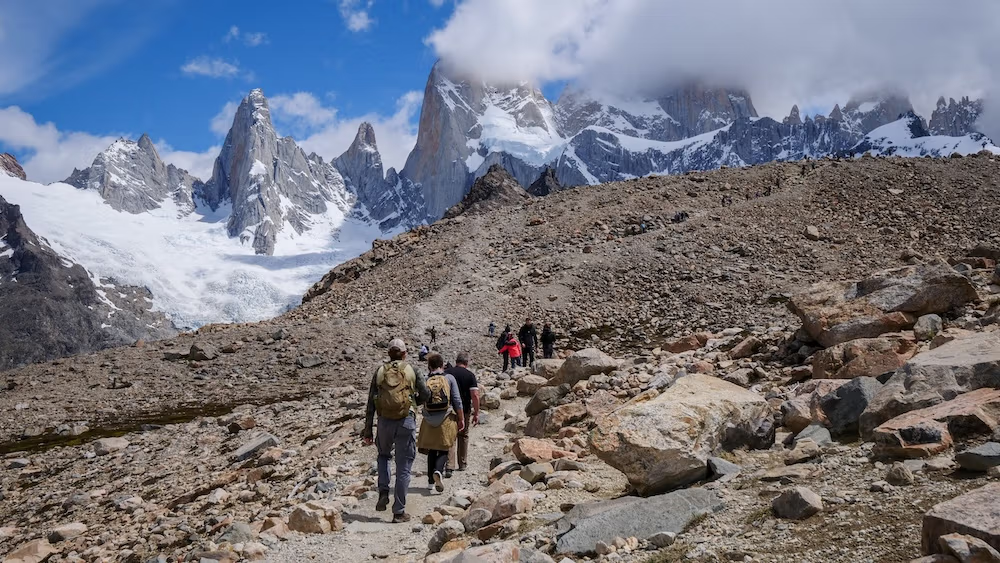
Because yes, the final section is exactly what people say it is: the last kilometer is steep, rocky, and turns into a bottleneck where everyone is tired and you have to stay alert. This is the moment when trekking poles suddenly seem like a brilliant invention and you start fantasizing about absurd rescue options (sedan chair? helicopter? negotiation with a passing condor?). And the only thing that really keeps you moving is the encouragement from descending hikers telling you the view is worth it. They’re right.
The payoff at the top is so good it almost looks fake—Fitz Roy feels like CGI on a clear day. And then Patagonia adds seasoning: wind. We ended up sheltering behind rocks, eating whatever was left, and trying to imprint the whole scene into memory before heading down.
Week takeaway: Your best-weather day is precious. Spend it on your #1 priority hike, even if that means being “boring” with the rest of your schedule. This is the trip where being strategic beats being ambitious.
Day 3: Recovery day (a.k.a. the day our legs filed a complaint)
If you’ve never done a big El Chaltén hike before, here’s the truth: your next day might be toast. The day after Laguna de los Tres, Audrey and I were anything but heroic. We weren’t even functional. We were stiff, tired, and doing that slow-motion shuffle where you look like you’re auditioning for a zombie film. With considerably less elegance.
And this is the part people don’t factor in when they plan a short trip: recovery isn’t wasted time—it’s what makes the rest of the week possible. On a two- or three-day visit, you’d feel guilty about “losing a day.” On a week-style visit, you accept it as the natural rhythm. You sleep, you eat, you let your feet stop throbbing, and you enjoy the fact that you’re in a tiny mountain town where doing nothing still feels like doing something (because you can look out a window and see Patagonia being Patagonia).
Week takeaway: Build in recovery, especially after your hardest hike. This is not weakness. This is you playing the long game.
Day 4: Wind day = café day (and zero shame)
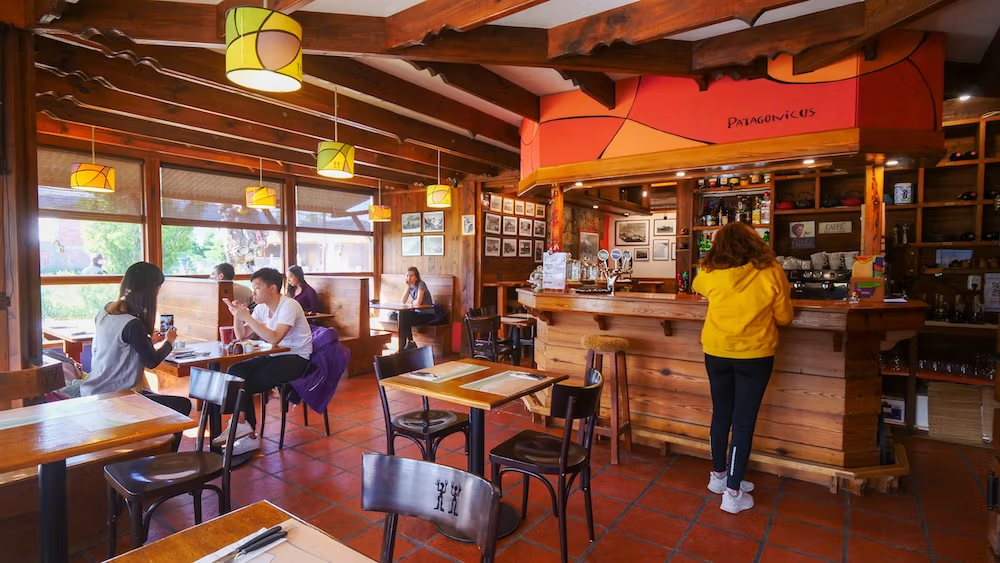
At some point, Patagonia will remind you who’s in charge. For Audrey and I, that was the day the wind was so ridiculous that hiking didn’t feel adventurous—it was just flat-out a bad idea. This is where a week earns its keep again: you can afford to have a day that’s about town rhythm instead of trail conquest.
A wind day in El Chaltén looks like this:
- café time (maybe more than one café—call it “research”)
- a slow stroll through town
- gear adjustments (because you realize what you thought was a wind layer is actually decorative fabric)
- a grocery restock attempt (followed by acceptance)
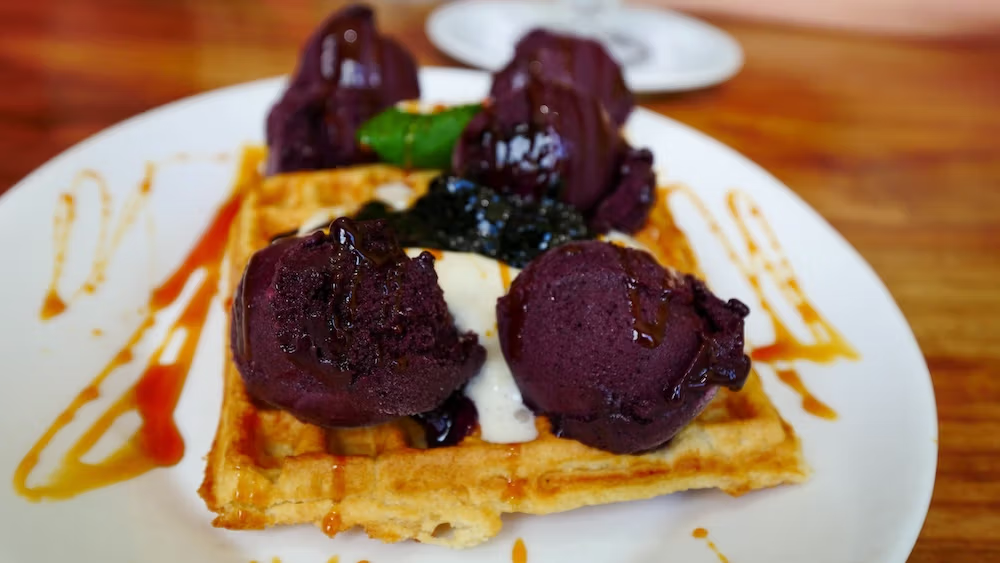
- Burgers, pizza, ice cream, pints, waffles and/or whatever else tickles your fancy
- maybe Wi-Fi roulette if you need it
What changes when you stay longer is your mindset: you stop seeing weather days as “failure.” You start seeing them as built-in pacing. El Chaltén is a destination that rewards patience—wait out the chaos, then strike when the mountains decide to reveal themselves again.
Week takeaway: Your week includes town days. Treat them as intentional, not accidental. The mountains will still be there tomorrow, and you’ll be happier facing them with energy.
Day 5: Laguna Torre (the “comfortable” big hike)
Laguna Torre is the other famous classic, and in our experience it’s the long day that feels more “steady” and less punishing. You still get a full hiking day with forests, river valleys, and that slow-build anticipation where the landscape keeps unfolding, but you don’t get the same “final kilometer of doom” energy as Laguna de los Tres. The trail also has enough variety that it stays interesting—sections that feel like haunted forest, open valley stretches, different vantage points, and that glacier-on-the-horizon motivation that keeps you moving.
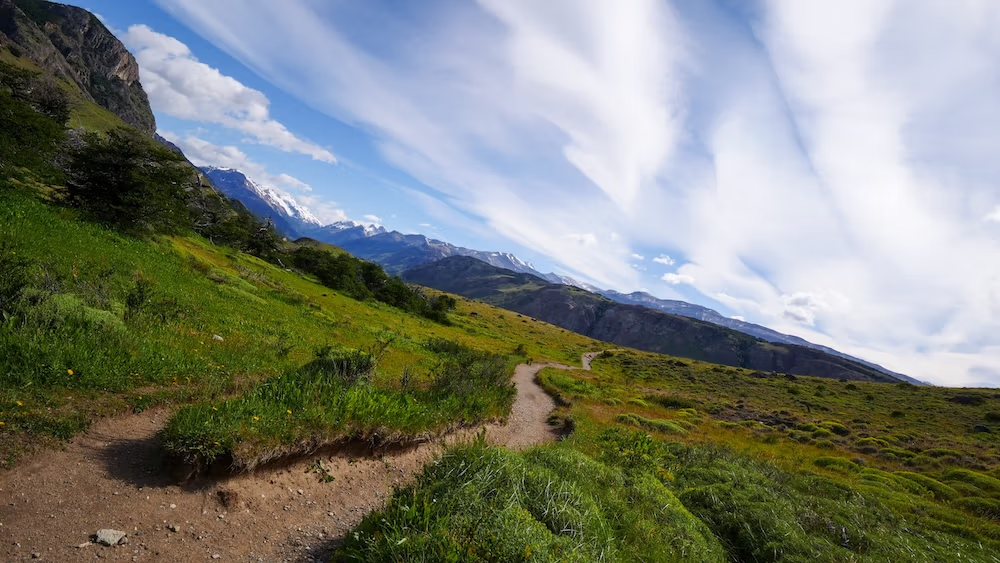
The most underrated practical detail: once you’re past the early climbing, the trail gets much flatter and you can cover ground quickly—this is the kind of hike where pacing feels manageable and you can relax into it. That matters a lot on a week trip, because it means you can still feel human afterward. We finished this day tired, sure, but not “my legs have resigned from the chat” tired.
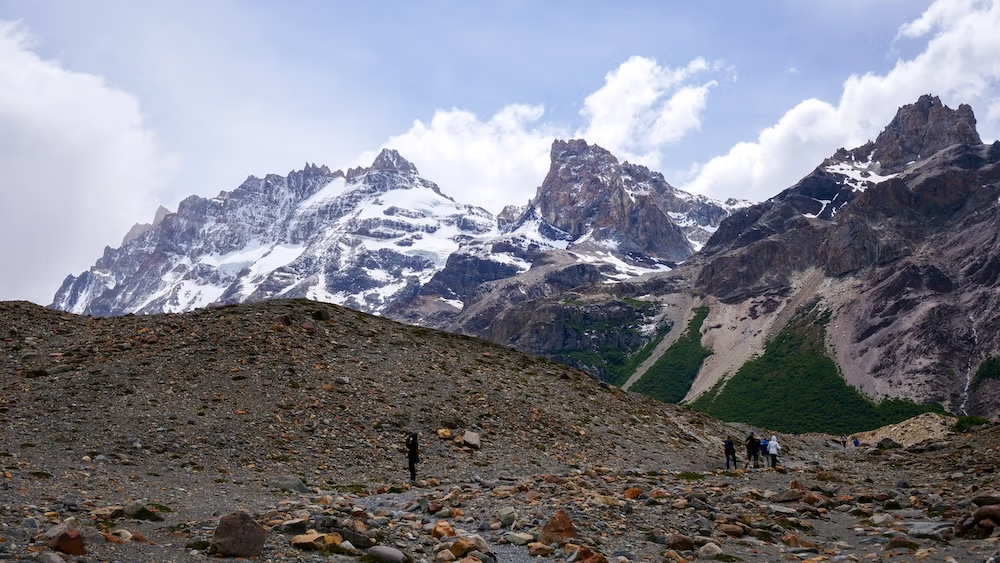
Also: this hike is a perfect example of El Chaltén’s reality—your view depends heavily on the day. You can do everything right and still get cloud cover at the lagoon. And that’s okay. The journey is the point, and on days where the peaks hide, you still get a beautiful trek through Patagonia that feels wild and cinematic. (Plus, the hunger at the end of a long hike is basically its own tourist attraction.)
Week takeaway: Alternate intensity. Don’t stack two soul-crushers back to back unless you’re training for something or running from your past. And pick Laguna Torre for a “big day” that’s still friendly to normal people.
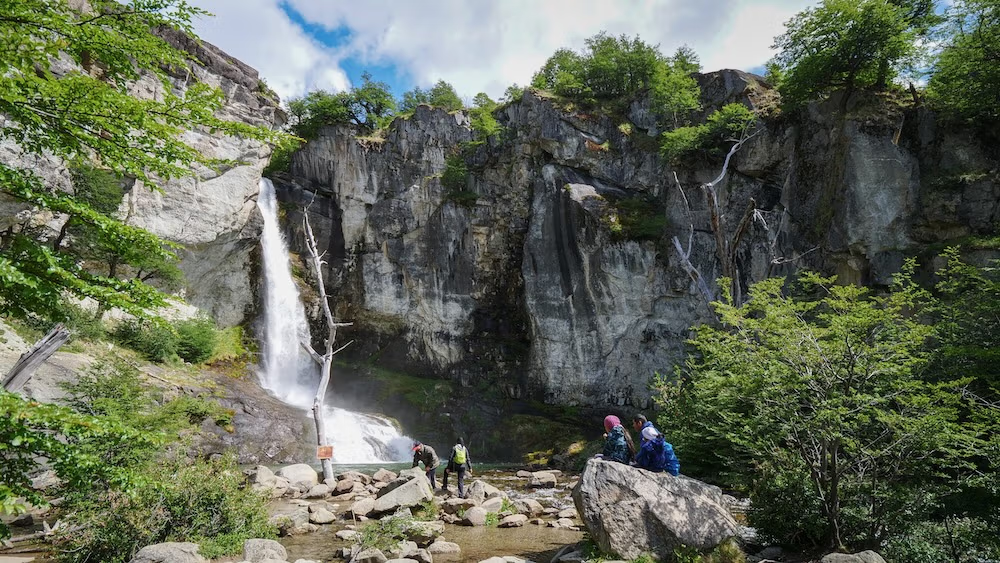
Day 6: Easy wins (Chorrillo del Salto + “since we’re here…”)
The final day of a week trip is your victory lap. You’ve done the big hikes, you’ve survived wind, you’ve eaten enough carbs to qualify as emergency reserves.
This is where the short but sweet hikes shine. Chorrillo del Salto is an easy win: waterfall payoff, low effort, and a nice way to get outside without committing to another all-day march. And then, because El Chaltén is the kind of place that convinces you you’re always five minutes away from another viewpoint, we did the classic “since we’re here…” move and pushed beyond Mirador de los Cóndores to Mirador de las Águilas. That’s the week rhythm in a nutshell: you’re not rushing, you’re not forcing it, but you still end up with a trip that feels full because you’re stacking small pleasures around the big efforts.
Week takeaway: Short hikes are not consolation prizes. They’re what make the week feel rounded. They’re also perfect “exit-day” adventures because they leave you satisfied instead of wrecked right before travel.
Audrey and I did six nights in town so we could actually sequence things as the non-hikers that we are —arrival + sunset mirador, best-weather day for Laguna de los Tres, a full recovery day, a wind day that forced a reset, a “comfortable” long hike to Laguna Torre, and then easy classics to finish.
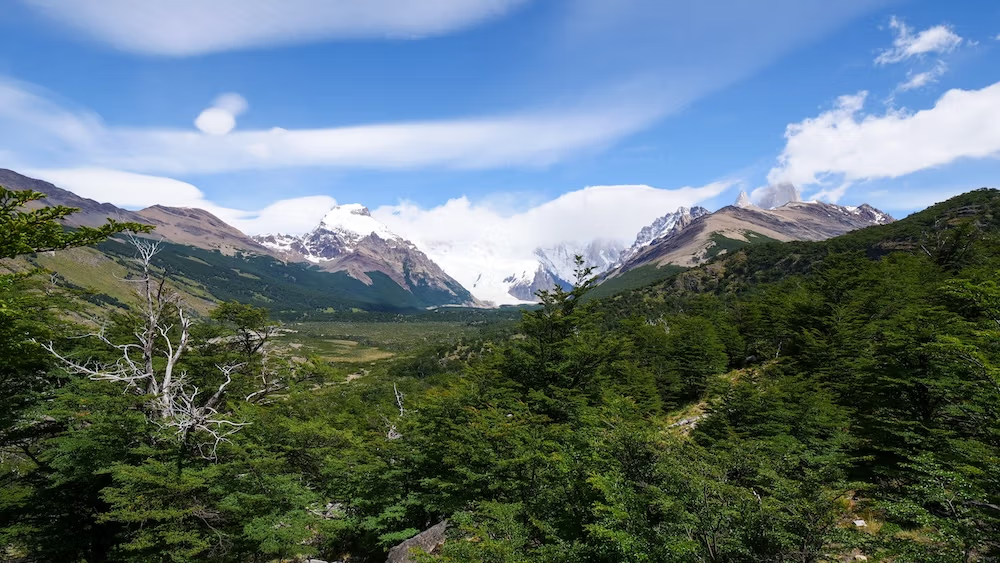
The pros of staying a week in El Chaltén
You get to choose your big days instead of gambling
This is the whole point. You’re not trying to force Fitz Roy into a day with bad visibility and aggressive gusts. You wait. Then you pounce.
Your body gets a vote
A week gives you permission to listen to fatigue. You can do a tough hike and then actually recover. Your knees stop feeling cursed.
You become fluent in the town
By Day 4, you know:
- where to get coffee when the wind is yelling
- where to grab trail snacks
- what your morning routine is
- how long it takes you to reach key trail junctions
That familiarity makes everything smoother and safer.
You can handle the “Patagonia variables”
A week gives you time to adapt to:
- wind
- sudden temperature drops
- clouds rolling in and out
- trail conditions changing hour to hour
You can add an excursion without sacrificing the classics
With extra days, you can consider add-ons like Lago del Desierto logistics or glacier activities—without feeling like you’re “wasting” a hiking day.
The cons (aka the stuff you should know before you commit)
A week costs more than you think (because you’ll eat like you earned it)
After big hikes, you’ll want real meals. Probably dessert. Sometimes two desserts if you’re emotionally processing the wind.
Budget for:
- more restaurant meals
- more coffee stops
- more snack restocks
- more “we deserve this” logic
The wind can mess with your ego
You will plan. Patagonia will laugh. A week means you’ll definitely see a day where the smart move is to stay low.
Wi-Fi and data can be flaky
El Chaltén is remote. Sometimes the internet is great. Sometimes it’s not. If you’re trying to work or upload, plan for frustration and backups.
Groceries can feel limited and pricey
If you’re self-catering, expect fewer choices and higher prices than big cities. The convenience of lunchboxes and restaurants starts to make sense.
Crowds are real in peak season
In the busiest months, popular trails can feel like a moving parade. A week helps because you can choose earlier starts and less obvious days, but you should still expect company.
The classic hikes “menu” you’ll cycle through all week
El Chaltén is famous because the trailheads are basically in town. That shapes the whole week rhythm: you can decide at breakfast whether you’re doing a viewpoint sprint, a half-day wander, or a full-day mission.
| Hike / area | Difficulty vibe | Typical time | Why people love it | Best when… |
|---|---|---|---|---|
| Mirador de los Cóndores / Águilas | Short but uphill | 1–2.5 hrs | Fast panoramic payoff | You arrived late / you want sunset |
| Chorrillo del Salto | Easy | 1–2 hrs | Waterfall win for low effort | Windy day / recovery day |
| Laguna Capri (viewpoint) | Moderate | 3–4 hrs | Fitz Roy views without full boss fight | You want a “medium” day |
| Laguna Torre | Moderate (long) | 6–8 hrs | Valley scenery + big mountain drama | Clear-ish but windy, or you want steady effort |
| Laguna de los Tres (Fitz Roy) | Moderate–hard | 8–10+ hrs | The iconic Fitz Roy payoff | Your best forecast day |
| Loma del Pliegue Tumbado | Hard (exposed) | 7–9 hrs | Massive panoramic viewpoint | Calm, clear day with stable weather |
A week is basically you choosing from this menu based on three things:
- visibility, 2) wind, 3) leg condition.
Park fees, passes, and the “check current rules” reality
I’m going to be blunt: rules and fees change, and Patagonia doesn’t send you a handwritten apology when your plan is outdated.
Los Glaciares National Park has entrance fees that apply to both the South Zone (Perito Moreno area) and the North Zone (El Chaltén area). As of early 2025, official pricing listed a general day ticket (AR$ 45,000) and multi-day “Flexipass” options, including a 7-day pass (AR$ 157,500). Always confirm current rates and how/where to pay before you go (online payment requirements are common now).
Here’s the decision logic that matters for a week.
Ticket / pass decision table
| If you plan to enter the park… | Most likely best option | Why |
|---|---|---|
| 1 day | Single-day ticket | You’re only doing one big hike. |
| 2 days close together | Two single-day tickets (watch for discounts) | Some systems discount the second day within a set window. |
| 3 days | 3-day Flexipass | Usually cheaper than three separate days. |
| 4–7 days | 7-day Flexipass | A week of hiking becomes financially sane. |
| “I’ll see how I feel” | Price it both ways | If you end up hiking 4+ days, passes often win. |
Wind management: how to keep your ego intact
Patagonia wind is funny from inside a café. On an exposed ridge, it’s a full personality.
Use this as your “I’m not being dramatic, I’m being alive” guide.
Practical gust guide
| Forecast gusts (approx.) | What it often feels like | Best move |
|---|---|---|
| 0–40 km/h | Annoying hair day | Any hike, still bring a shell |
| 40–65 km/h | You start leaning into gusts | Prefer valleys/forests; be cautious at viewpoints |
| 65–80 km/h | Bracing constantly, walking gets tiring | Short hikes only; skip exposed ridgelines |
| 80+ km/h | Progress becomes a wrestling match | Town day, waterfall, bakery, life choices |
Turnaround matrix (the rule that keeps you from being “that story”)
| Status | What’s happening | What you do |
|---|---|---|
| Green | Visibility good; wind manageable; pace on plan | Continue, with regular checks |
| Yellow | Gusts rising; clouds lowering; behind schedule; someone quieter | Stop, reassess, shorten plan |
| Red | Route unclear; wind knocking balance; weather closing fast | Turn around early, no debate |
A week gives you an unfair advantage here: you can turn around without feeling like you “lost” your only chance.

Food and resupply: the week routine that keeps you functioning
When you stay longer, you stop improvising every meal. You develop a routine that keeps you fueled without turning your trip into a cooking show.
Our week rhythm (repeatable)
- Breakfast: eat something substantial (protein + carbs wins)
- Morning pickup: lunchbox or sandwich supplies
- Trail snacks: “carry more than you think” (wind and cold make you hungry)
- Post-hike: coffee or beer recovery (pick your fighter)
- Dinner: warm, satisfying, and ideally served by someone else
Lunchboxes: the underrated hack
Many places offer takeaway lunches that you order the night before and pick up early. If you’re staying somewhere without a full kitchen, this keeps mornings simple and prevents the “we forgot to buy food” spiral.
Grocery reality check
Selection can be limited and prices can be higher than you expect. The trick is not to fight it. Buy the basics (fruit, yogurt, bread, snacks) and lean on cafés/restaurants for the rest.
🏨 Where to Stay in El Chaltén (Our Top Hotel Picks)
⭐ Quick Booking Box: El Chaltén Hotels (Compare Rates)
| Pick | Best for | Vibe | Booking link |
|---|---|---|---|
| 🏆 Top Pick | First-timers who want an easy, reliable base | Comfortable “no-regrets” stay | Compare top stays in El Chaltén on Booking.com |
| 💎 Boutique / Treat-Yourself | Couples, hikers celebrating a big trek, views + comfort seekers | Cozy-luxe Patagonia energy | Browse boutique stays in El Chaltén on Booking.com |
| 🏘️ Mid-range (great value) | Most travelers who want comfort without splurging | Warm, practical, walkable | Find mid-range El Chaltén hotels on Booking.com |
| 💰 Budget | Road-trippers + hikers who only need a clean base | Simple, wallet-friendly | See budget stays in El Chaltén on Booking.com |
🔎 Want to browse all options instead?
👉 Compare all El Chaltén stays on Booking.com
El Chaltén is small, but the “where” still matters because you’ll walk everywhere—often tired.
Micro-location decision matrix
| You care most about… | Stay closer to… | Why |
|---|---|---|
| Fast trail starts | The north end / closer to trail exits | Less town walking before a long day |
| Restaurants + cafés | Near the main strip | Easier evenings, easy breakfast options |
| Quiet nights | A little off the main road | Better sleep, less noise |
| Working remotely | Places with strong Wi-Fi reviews (and backups) | Connectivity can be inconsistent |
If you’re staying a week, a slightly better sleep setup is worth it. You’ll spend more time in the room than you think: early nights, lazy mornings, and the occasional “wind day indoors” moment.
Cost reality for a week (without pretending prices don’t change)
Argentina prices move, seasonality hits hard, and Patagonia adds a “remote tax.” So instead of pretending there’s one perfect number, here’s how to think about it.
The week budget levers
- Accommodation: biggest variable (hostels vs lodges vs cabins)
- Food: you’ll eat more than usual because hiking
- Park fees: now a real line item
- Transport: bus vs private transfers
- Excursions: optional, but can add up fast
A simple “choose-your-spend” grid
| Style | What you’re doing | Week vibe |
|---|---|---|
| Budget | Hostel + cooking + mostly free hikes | More planning, less splurge |
| Midrange | Hotel/lodge + mix of lunchboxes + restaurants (what we did) | Comfort + flexibility (our game plan) |
| Comfortable | Better lodging + restaurants + 1–2 excursions | Maximum joy, minimum friction |
🥾 Plan B Adventures: Tours & Easy Day Trips from El Chaltén
Even hardcore hikers end up with a “Plan B” day in Patagonia. When the wind is feral, legs are toast, or you just want someone else to handle the logistics, these Viator options are easy wins.
👉 Browse El Chaltén tours (plus nearby options) on Viator
| Option | Best for | Book it |
|---|---|---|
| 🚌 El Chaltén “Complete Experience” day tour (from El Calafate) | A low-effort way to “see El Chaltén” without committing to a big hike | El Chaltén Complete Experience Full-Day Tour from El Calafate (Viator) |
| 🧊 Perito Moreno Glacier full-day + optional boat safari | Classic Patagonia bucket-list day that doesn’t require hardcore hiking | Perito Moreno Glacier Full-Day Tour with Optional Boat Safari (Viator) |
| 🚤 “Todo Glaciares” navigation (Upsala + Spegazzini) | Big-glacier scenery with max comfort (aka: let the boat do the work) | Glaciares Gourmet Navigation: Upsala & Spegazzini Navigation (Viator) |
| 🗿 El Calafate city tour + Walichu Caves | A cultural/history reset day (great when the weather is moody) | El Calafate City Tour + Walichu Caves (Viator) |
| 🚙 Nativo Experience: Lakes & Caverns (4×4 style) | Off-road adventure + viewpoints when you want something different than trails | Nativo Experience: Lakes & Caverns (Viator) |
| 🇨🇱 Torres del Paine full-day trip (from El Calafate) | Maximum “Patagonia wow” in one day (long day, huge payoff) | Torres del Paine Full-Day Tour from El Calafate (Viator) |
Side quests that fit beautifully into a week
A week gives you time for at least one “non-classic-hike” day—especially if the wind is rude.
Ideas to consider (depending on season and logistics):
- Lago del Desierto day trip (scenery, boat options, hiking)
- Glacier-related excursions (guided experiences rather than DIY trails)
- A half-day horseback ride or steppe-style outing
- A “do nothing” day where you only walk to cafés and pretend it’s a cultural experience
The “pick your day” matrices (how we made decisions in real time)
This is the heart of week travel in El Chaltén: choosing the right hike for the right day.
Weather-to-hike decision matrix
| Conditions | What it feels like | Best move | Avoid |
|---|---|---|---|
| Clear + light wind | You’re a superhero | Laguna de los Tres / long ridgelines | Nothing (this is the day you came for) |
| Clear + strong wind | Beautiful but exhausting | Valleys: Laguna Torre, forest routes | Exposed ridges and big viewpoints that require balance |
| Cloudy but dry | Moody Patagonia mode | Waterfalls, viewpoints, medium hikes | Banking on a “big reveal” you can’t control |
| Rain/sleet | Character-building | Town day, short walk, resupply | Long hikes where you can’t dry out |
| Mixed/iffy forecast | The classic | Start early, choose flexible routes | Committing to the hardest objective immediately |
Effort vs payoff matrix (a.k.a. “how wrecked will I be tomorrow?”)
| Hike type | Effort | Payoff | Next-day soreness risk |
|---|---|---|---|
| Short viewpoints (Cóndores/Águilas style) | Low–medium | High for time spent | Low |
| Waterfall walks (Chorrillo del Salto style) | Low | Solid | Very low |
| Medium hikes (Capri-style days) | Medium | Great | Medium |
| Full-day valley hikes (Torre-style days) | Medium–high | Huge | Medium |
| Full-day “boss level” (De los Tres-style days) | High | Iconic | High |
The week pacing rule we wish we’d tattooed on our foreheads
Hard day → easy day → medium day → buffer day.
If you do that, you stay happy. If you don’t, you start bargaining with your soul and eating painkillers like they’re trail mix (don’t do that).
How to structure a perfect-ish week
Here are two week templates depending on your goal: maximum iconic views, or balanced joy.
Template A: “I want the classics with the best odds”
| Day | Plan | Notes |
|---|---|---|
| 1 | Arrive + short viewpoint hike | Sunset is your friend. |
| 2 | Big hike window #1 (Fitz Roy priority) | Use the best forecast. |
| 3 | Recovery + short stroll + cafés | Your legs will thank you. |
| 4 | Medium hike or wind-safe valley hike | Keep it flexible. |
| 5 | Big hike window #2 (Torre or long option) | Choose based on legs + weather. |
| 6 | Easy hike + waterfall + town | Stack low-effort payoffs. |
| 7 | Buffer day / excursion / repeat favorite | Cash in your insurance day. |
Template B: “We’re foodies who hike (not hikers who food)”
| Day | Plan | Notes |
|---|---|---|
| 1 | Settle in + scenic appetizer hike | Momentum without burnout. |
| 2 | Medium hike + bakery stop | Build confidence. |
| 3 | Big hike (best weather) | Earn the feast. |
| 4 | Café day + laundry + snack restock | Adulting, but make it Patagonia. |
| 5 | Second big hike (less brutal option) | Long, not savage. |
| 6 | Waterfall + viewpoint combo | Low effort, high vibes. |
| 7 | Buffer day + “one more short hike” | El Chaltén always wins. |
Tips we learned the honest way
Start earlier than your personality wants to
Morning light is gorgeous, weather tends to be calmer, and you beat crowds. Also, you’ll finish with enough time to eat a celebratory dinner without checking your pulse every five seconds.
Use the kilometer markers to manage your day
El Chaltén trails are often well signed, and distance markers help you do real-time math:
- How far have we gone?
- How far is the next landmark?
- Do we have time and energy to add the side viewpoint?
Your brain is not at its best at hour seven. Let the signs do the thinking.
Pack for wind even in “summer”
Warm layer, windproof shell, hat, gloves. Patagonia doesn’t care about your calendar. It cares about drama.
Don’t make every day a “big day”
Your week will be better if you build variety:
- one iconic hardest day
- one long scenic day
- a handful of short/medium days
- at least one full rest/town day
Build a “turnaround plan”
Choose a time you’ll turn around no matter what. Your future self (and whoever loves you) will appreciate it.
Mistakes to avoid (we’ve made enough of them for everyone)
- Trying to do the hardest hike on the first decent day instead of the best day.
- Starting too late because “we’re on vacation” (Patagonia will punish you with wind and crowds).
- Stacking two brutal days back to back and then acting surprised when your body mutinies.
- Underpacking layers because the sun is out in town.
- Not carrying enough snacks (the mountain doesn’t accept “I thought we’d be fine” as currency).
- Treating town days like failure instead of strategy.
What we’d do differently next time (the small upgrades)
- Renting or packing trekking poles for the steep final climbs if we’re doing the big hikes again.
- Pack a slightly more aggressive wind layer for the windiest days.
- Plan one “intentional no-hike day” earlier, before soreness forces it.
- Bring a little more snack variety so we don’t end up eating the same thing while staring into the void.
The quick recap (so you actually remember this)
If you stay a week in El Chaltén:
- you stop gambling and start choosing
- you hike better because you recover better
- you enjoy the town because it becomes part of the rhythm
- you get more chances at the iconic views that made you come
And yes, you will still get humbled. That’s part of the charm.
✨ Ready to lock in your El Chaltén plan?
- 🥾 Browse El Chaltén tours on Viator
- 🏨 Find El Chaltén hotels on Booking.com
- 🚗 Compare El Calafate car rentals on DiscoverCars
- 🚌 Book El Calafate → El Chaltén buses on Busbud
FAQs about staying a week in El Chaltén
Is a full week in El Chaltén too long?
Nope. A week (or 5 to 6 days) is the sweet spot if you want the best odds for clear views and you don’t want your trip to feel like a sprint. You’ll fill it naturally with a couple big hikes, a few medium days, and the town rhythm in between.
How many “big hikes” can you realistically do in a week?
Two is the happy number for most people, especially if one is Laguna de los Tres. Some hikers do more, but your enjoyment usually drops faster than your step count rises.
Do you need a guide for the classic hikes?
Generally, no. The main trails are popular and well used. A guide can be great for weather judgment, safety, and learning, but most visitors hike independently.
What’s the biggest mistake people make in El Chaltén?
Treating it like a checklist. People stack hard days, start late, and assume the weather will be kind. Patagonia teaches the opposite lesson.
What time should you start hiking?
Early. You don’t need to be heroic, but mornings give you calmer conditions, more daylight, and fewer crowds. Also, dinner tastes better when you’re not hiking in the dark.
Is El Chaltén expensive?
Yes, relative to bigger towns in Argentina. It’s remote, it’s seasonal, and you’ll be hungry all the time. Budget accordingly and you’ll enjoy it more.
Can you do El Chaltén without renting a car?
Yes. That’s one of the best things about it. The trailheads start in town and buses/transfers connect it with El Calafate.
What’s the best month to spend a week there?
Peak summer is popular for a reason: long days and generally milder temperatures. Shoulder season can be quieter. Weather is always a wildcard.
Are the trails crowded?
In peak season, the popular ones sure can be. A week helps because you can start earlier, choose different days, and add less-visited options.
Do you need cash?
Yes. Even if you pay by card most of the time, cash helps for backups, small purchases, and occasional “the machine is down” moments.
Is the wind really that intense?
Yup. It’s not constant misery, but it’s a real factor. You’ll have at least one day where you look outside and your soul says, “Café.”
What’s the best strategy for a week?
Pick your biggest goal, watch the forecast, and be ready to swap days. Hard day → easy day → medium day → buffer day. That’s the rhythm.
Project 23 Argentina: This guide is also available in Spanish. [Lea la versión en castellano: Cómo es quedarse una semana en El Chaltén: pros, contras, consejos y ritmo]
Further Reading, Sources & Resources
Here are resources that you can use to sanity-check details like park fees, how/where to pay, getting to El Chaltén, official logistics, and seasonal transport schedules. We’re linking them in full so you can double-check anything that changes fast—because Patagonia (and Argentine pricing and inflation) loves to keep everyone humble.
Notes on accuracy
- Fees, payment methods, and access rules can change season-to-season. Always verify close to your travel dates.
- Bus schedules and frequencies also shift with demand (especially between shoulder season and peak summer).
- If anything conflicts, treat official government sources as the highest authority, then cross-check with local operators.
Park fees and official planning info
https://www.argentina.gob.ar/interior/ambiente/parquesnacionales/losglaciares/tarifas
Official Los Glaciares National Park fee page, including current pricing tiers and pass options (use this to confirm what you’ll pay before arriving).
https://www.argentina.gob.ar/parquesnacionales/tarifas
National Parks system-wide tariff hub; useful if you’re comparing fees across multiple Argentine parks or want the broader “current policy” context.
https://www.argentina.gob.ar/interior/ambiente/parquesnacionales/losglaciares/como-llegar
Official “how to get there” logistics for Los Glaciares, helpful for planning the El Calafate → El Chaltén travel chain and understanding access points.
https://www.argentina.gob.ar/parquesnacionales/patagonia-austral/parque-nacional-los-glaciares/alojamiento
Official lodging/camping information for Los Glaciares, including regulated campsite details and rules that matter if you’re considering overnight hikes.
Transport basics and schedules
https://elchalten.com/v4/en/busses-to-el-chalten.php
Local, regularly updated bus schedule hub for El Calafate ↔ El Chaltén (great for checking departure times, frequency, and seasonal changes).
https://elchalten.com/v4/en/how-to-get-to-el-chalten.php
Practical local guide to reaching El Chaltén by bus/car/transfer, including the common routes travelers actually use and what to expect on arrival.